Pleurisy Root (Asclepias Tuberosa – L.)
Asclepias Tuberosa, commonly known as Pleurisy Root, is a herbaceous perennial plant that is native to eastern and central North America. It belongs to the.
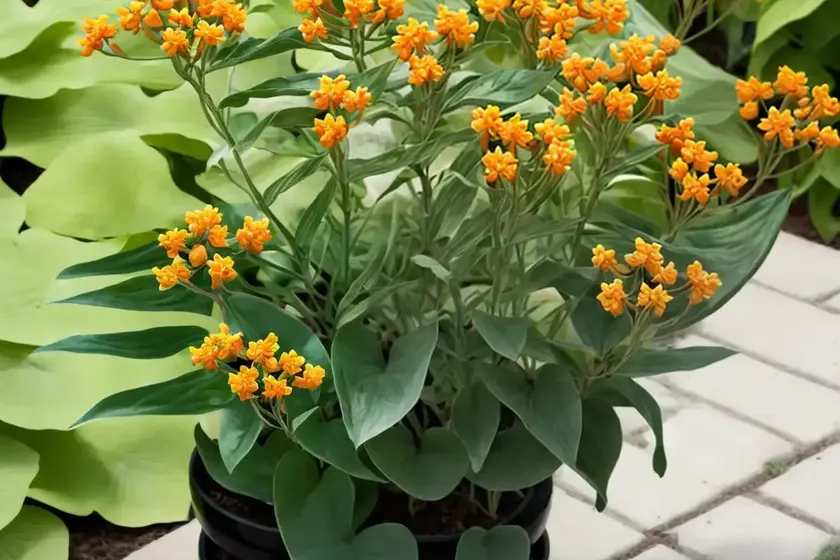
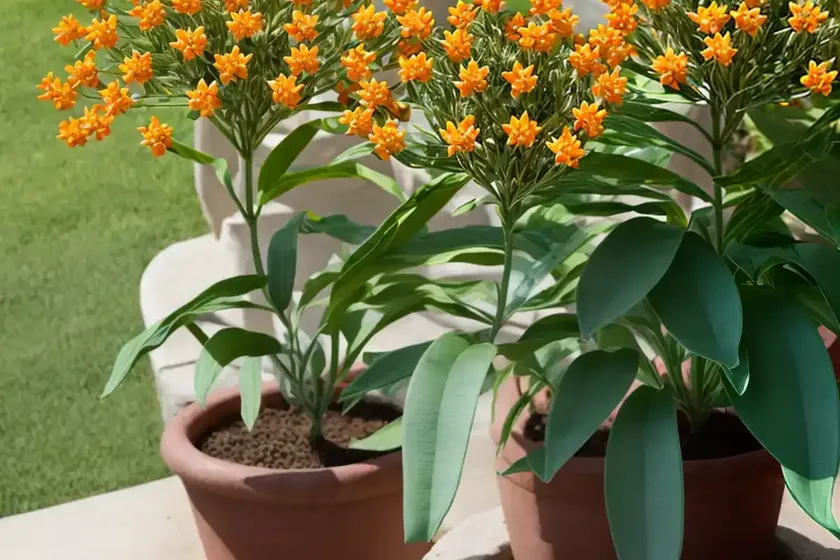
Asclepias Tuberosa, commonly known as Pleurisy Root, is a herbaceous perennial plant that is native to eastern and central North America. It belongs to the family Apocynaceae and is known for its traditional medicinal uses. In this comprehensive guide, we will explore the various aspects of Pleurisy Root, including its cultural requirements, medicinal properties, uses, and benefits. Whether you are an avid gardener, herbalist, or simply intrigued by the fascinating world of plants, this guide will provide valuable insights into cultivating, utilizing, and appreciating the Pleurisy Root.
What is Pleurisy Root (Asclepias Tuberosa – L.)?
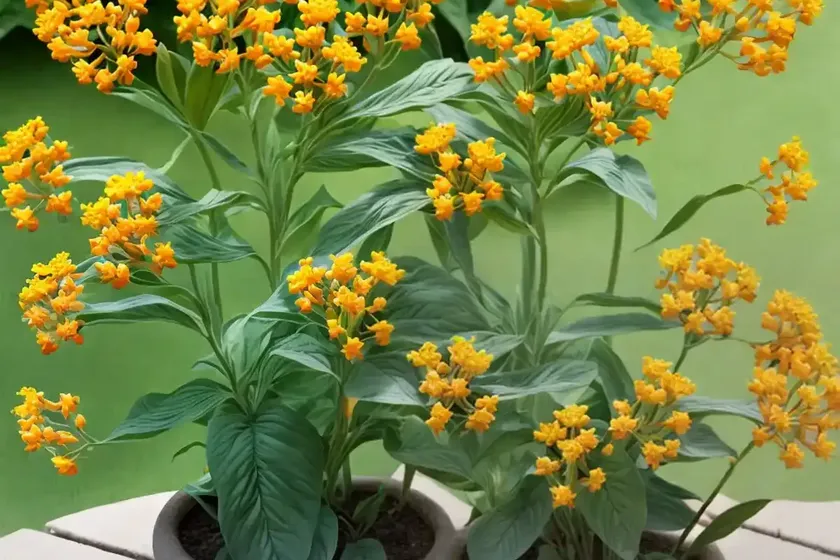
Pleurisy Root, scientifically referred to as Asclepias Tuberosa, is a perennial flowering plant that is indigenous to prairies, open woodlands, and dry, sandy areas of North America. It is characterized by its vibrant clusters of orange to bright yellow flowers, which bloom from early to late summer. The plant typically reaches a height of 1 to 3 feet and features slender, lance-shaped leaves that grow in whorls along the stem.
Key Takeaways – Pleurisy Root (Asclepias Tuberosa – L.)
Before delving into the specific aspects of Pleurisy Root, let’s highlight some key takeaways that will guide our exploration.
- Pleurisy Root benefits: The plant has a long history of traditional medicinal uses, particularly in the treatment of respiratory ailments.
- Pleurisy Root uses: It is utilized for herbal remedies, particularly for respiratory health, as well as in landscaping and wildflower gardens.
- Pleurisy Root plant care: Proper cultural practices are essential for the successful cultivation of Pleurisy Root, including attention to water, sunlight, soil, and pruning.
- Pleurisy Root cultivation: Understanding the ideal conditions for growth and propagation is crucial for incorporating Pleurisy Root into gardens and landscapes.
- Pleurisy Root medicinal properties: The plant possesses medicinal properties that can be harnessed for various health-related purposes, ranging from respiratory health to pain relief.
- Pleurisy Root folklore: Exploring the historical and cultural significance of Pleurisy Root sheds light on its enduring legacy in traditional medicine and folklore.
Now, let’s proceed to delve into the intricate details of Pleurisy Root, exploring its cultivation, uses, and the fascinating realm of traditional and herbal medicine.
Culture
Cultivating Pleurisy Root requires an understanding of its specific cultural requirements, encompassing factors such as water, sunlight, fertilizer, soil, and pruning. By adhering to these guidelines, enthusiasts and horticulturists can ensure the optimal growth and development of this beautiful and beneficial plant.
Water
Pleurisy Root thrives in well-drained soils and is remarkably drought-tolerant once established. During the initial stage of growth, consistent moisture is essential to support the development of strong root systems and robust foliage. However, it is crucial to avoid overwatering, as excessively damp conditions can lead to root rot and other detrimental issues. Once the plant is established, minimal supplementary watering is typically required, except during prolonged periods of drought.
Sunlight
In terms of sunlight requirements, Pleurisy Root is ideally suited to full sun exposure. It flourishes in bright, sunny locations and displays enhanced flowering and overall vigor when provided with ample sunlight. Partial shade may be tolerated, especially in regions characterized by intense summer heat, but a minimum of 6 hours of direct sunlight is advisable for optimal growth and prolific blooms.
Fertilizer
Due to its adaptation to nutrient-deficient, sandy soils in its natural habitat, Pleurisy Root exhibits modest fertilizer requirements. Excessive fertilization can result in excessively lush foliage at the expense of flower production. As such, a balanced, low-nitrogen fertilizer can be sparingly applied during the early stages of growth to support establishment. However, once the plant is well-established, minimal fertilization is necessary, as the goal is to promote floral abundance and overall resilience.
Soil
Pleurisy Root thrives in well-drained, slightly acidic to neutral soils with a preference for sandy or gravelly textures. These conditions mimic its native prairie and open woodland habitats, ensuring that the plant is well-suited to the challenges of dry, nutrient-deficient environments. Prior to planting, it is advisable to amend heavier soils with organic matter or sand to improve drainage and create a more hospitable growing medium for Pleurisy Root.
Pruning
Minimal pruning is generally required for Pleurisy Root, as the plant naturally assumes an upright, bushy growth habit. Removal of spent blooms can encourage prolonged flowering and prevent the formation of seed pods, thereby conserving the plant’s energy for future growth and development. In late fall or early spring, the removal of any dead or damaged stems and foliage can contribute to overall plant health and vitality.
Uses
Pleurisy Root possesses a rich history of uses, encompassing medicinal, landscaping, and horticultural applications. Understanding the diverse uses of this plant sheds light on its multifaceted significance and the ways in which it can be integrated into various domains.
Medicinal Uses
Central to the historical and contemporary uses of Pleurisy Root are its medicinal properties. Traditionally, various indigenous tribes in North America utilized the root of this plant to prepare herbal remedies for a range of respiratory ailments. The Cherokee, in particular, employed Pleurisy Root to address conditions such as pleurisy, pneumonia, bronchitis, and other respiratory afflictions. The plant was highly esteemed for its expectorant and diaphoretic properties, which served to alleviate coughs, promote respiratory comfort, and support overall pulmonary health.
Landscaping and Horticulture
In addition to its medicinal significance, Pleurisy Root is cherished for its ornamental value in landscaping and horticulture. The striking, brilliant clusters of flowers add vibrant splashes of color to wildflower gardens, native plant landscapes, and prairie restorations. The plant’s enduring resilience, drought tolerance, and attractiveness to pollinators render it an appealing choice for ecologically-minded gardeners and landscape designers. Additionally, the use of Pleurisy Root in naturalistic garden settings contributes to efforts aimed at conserving native plant species and preserving biodiversity.
Water
Pleurisy Root thrives in well-drained soils and is remarkably drought-tolerant once established. During the initial stage of growth, consistent moisture is essential to support the development of strong root systems and robust foliage. However, it is crucial to avoid overwatering, as excessively damp conditions can lead to root rot and other detrimental issues. Once the plant is established, minimal supplementary watering is typically required, except during prolonged periods of drought.
Sunlight
In terms of sunlight requirements, Pleurisy Root is ideally suited to full sun exposure. It flourishes in bright, sunny locations and displays enhanced flowering and overall vigor when provided with ample sunlight. Partial shade may be tolerated, especially in regions characterized by intense summer heat, but a minimum of 6 hours of direct sunlight is advisable for optimal growth and prolific blooms.
Fertilizer
Due to its adaptation to nutrient-deficient, sandy soils in its natural habitat, Pleurisy Root exhibits modest fertilizer requirements. Excessive fertilization can result in excessively lush foliage at the expense of flower production. As such, a balanced, low-nitrogen fertilizer can be sparingly applied during the early stages of growth to support establishment. However, once the plant is well-established, minimal fertilization is necessary, as the goal is to promote floral abundance and overall resilience.
Soil
Pleurisy Root thrives in well-drained, slightly acidic to neutral soils with a preference for sandy or gravelly textures. These conditions mimic its native prairie and open woodland habitats, ensuring that the plant is well-suited to the challenges of dry, nutrient-deficient environments. Prior to planting, it is advisable to amend heavier soils with organic matter or sand to improve drainage and create a more hospitable growing medium for Pleurisy Root.
Pruning
Minimal pruning is generally required for Pleurisy Root, as the plant naturally assumes an upright, bushy growth habit. Removal of spent blooms can encourage prolonged flowering and prevent the formation of seed pods, thereby conserving the plant’s energy for future growth and development. In late fall or early spring, the removal of any dead or damaged stems and foliage can contribute to overall plant health and vitality.
Uses
Pleurisy Root possesses a rich history of uses, encompassing medicinal, landscaping, and horticultural applications. Understanding the diverse uses of this plant sheds light on its multifaceted significance and the ways in which it can be integrated into various domains.
Medicinal Uses
Central to the historical and contemporary uses of Pleurisy Root are its medicinal properties. Traditionally, various indigenous tribes in North America utilized the root of this plant to prepare herbal remedies for a range of respiratory ailments. The Cherokee, in particular, employed Pleurisy Root to address conditions such as pleurisy, pneumonia, bronchitis, and other respiratory afflictions. The plant was highly esteemed for its expectorant and diaphoretic properties, which served to alleviate coughs, promote respiratory comfort, and support overall pulmonary health.
In contemporary herbalism, Pleurisy Root continues to be valued for its respiratory benefits, featuring prominently in remedies aimed at addressing coughs, congestion, bronchitis, and other respiratory challenges. Its gentle yet effective action as an expectorant and pulmonary tonic makes it a sought-after botanical ally for individuals seeking natural alternatives to support respiratory wellness.
Landscaping and Horticulture
In addition to its medicinal significance, Pleurisy Root is cherished for its ornamental value in landscaping and horticulture. The striking, brilliant clusters of flowers add vibrant splashes of color to wildflower gardens, native plant landscapes, and prairie restorations. The plant’s enduring resilience, drought tolerance, and attractiveness to pollinators render it an appealing choice for ecologically-minded gardeners and landscape designers. Additionally, the use of Pleurisy Root in naturalistic garden settings contributes to efforts aimed at conserving native plant species and preserving biodiversity.
Medicinal Properties
The medicinal properties of Pleurisy Root are central to its enduring legacy as a valuable botanical remedy. Rich in bioactive compounds, the plant offers a range of therapeutic effects that make it a prized ally in promoting respiratory health and overall well-being.
Respiratory Health
Pleurisy Root is particularly renowned for its beneficial effects on respiratory health. The plant’s expectorant properties facilitate the expulsion of mucus from the respiratory passages, thereby relieving congestion and coughs. Additionally, its diaphoretic actions promote sweating, which can be beneficial in reducing fever and supporting the body’s natural defenses during respiratory infections. Pleurisy Root’s ability to soothe inflamed tissues in the respiratory tract contributes to its efficacy in addressing bronchial and pulmonary discomfort.
Anti-inflammatory and Analgesic Effects
Beyond its respiratory applications, Pleurisy Root exhibits anti-inflammatory and analgesic properties that can be beneficial for managing various forms of discomfort. The plant’s anti-inflammatory actions help to modulate inflammatory processes, potentially offering relief from conditions characterized by inflammation. Additionally, the plant’s mild analgesic effects can contribute to a reduction in pain and discomfort, making it a versatile botanical remedy for a range of health concerns.
Immunomodulatory Support
As a modulator of immune function, Pleurisy Root possesses the capacity to exert beneficial influences on the body’s immune response. By promoting balanced immune activity, the plant can aid in fortifying the body’s defenses and supporting optimal immune function. This immunomodulatory potential renders Pleurisy Root a valuable ally in holistic wellness practices, particularly during times of immune vulnerability.
Digestive and Detoxification Support
While Pleurisy Root is primarily celebrated for its respiratory benefits, it also offers supportive effects on digestive health and detoxification. The plant’s gentle influence on the digestive system may promote comfort and balance, while its potential as a diuretic supports natural detoxification processes within the body. When considering the plant’s holistic impact on various bodily systems, its value as a comprehensive botanical remedy becomes evident.
Pruning
Minimal pruning is generally required for Pleurisy Root, as the plant naturally assumes an upright, bushy growth habit. Removal of spent blooms can encourage prolonged flowering and prevent the formation of seed pods, thereby conserving the plant’s energy for future growth and development. In late fall or early spring, the removal of any dead or damaged stems and foliage can contribute to overall plant health and vitality.
Propagation
Propagating Pleurisy Root allows for the expansion of its presence in gardens and landscapes while preserving its genetic diversity. Understanding the various methods of propagation, including seed sowing and division, empowers gardeners to propagate this valuable plant effectively.
Seed Sowing
Pleurisy Root can be propagated from seeds, with the process typically initiated indoors in late winter to early spring. To enhance germination, stratification – the exposure of seeds to cold, moist conditions – is beneficial. The use of a well-draining seed-starting mix and the maintenance of consistent moisture levels support successful germination. Once seedlings have reached a suitable size, they can be carefully transplanted into individual pots or directly into prepared garden beds.
Division
Dividing established clumps of Pleurisy Root serves as an effective means of propagation, as well as a method of refreshing and rejuvenating existing plantings. Division is typically undertaken during the early spring or fall, when the plant is not in active growth and can tolerate the disturbance. By carefully lifting and dividing the clumps, ensuring that each new division possesses viable roots and shoots, gardeners can generate multiple new plants and expand the presence of Pleurisy Root within their landscapes.
Container Popularity
Pleurisy Root exhibits qualities that render it suitable for container cultivation, enabling it to thrive in diverse settings and catering to the preferences and constraints of container gardening enthusiasts.
Aesthetic Appeal
The vibrant, eye-catching blooms of Pleurisy Root make it a visually appealing choice for container gardens, introducing splashes of color and textual interest to patio, balcony, or rooftop settings. Its ample foliage and distinctive growth habit add to its aesthetic allure, making it well-suited to standalone container plantings or mixed arrangements.
Space-Saving Elegance
In situations where space is limited or the availability of open ground is restricted, container cultivation provides a practical means of incorporating Pleurisy Root into the landscape. The plant’s adaptability to containers facilitates its presence in urban, suburban, or unconventional gardening areas, granting individuals the opportunity to experience its beauty and benefits within a confined space.
Versatility and Mobility
Container cultivation confers mobility and flexibility, allowing gardeners to position Pleurisy Root in locations that optimize its growth requirements and visual impact. The ability to relocate containers in response to seasonal shifts in sunlight or temperature, as well as to arrange them for aesthetic considerations, provides a level of control over the plant’s environment and presentation.
Niche and Specialty Gardens
Pleurisy Root serves as a valuable addition to niche and specialty gardens, such as medicinal herb gardens, native plant collections, and pollinator-friendly landscapes. In container settings, it can be singled out for its unique attributes and integrated into themed garden displays, further diversifying and enriching the horticultural tapestry.
Common Diseases
Although Pleurisy Root is known for its resilience and adaptability, it may encounter certain diseases and health issues that warrant attention and appropriate management strategies. By recognizing the symptoms and causes of common diseases, gardeners can take proactive measures to safeguard the health and vitality of their Pleurisy Root plants.
Powdery Mildew
Powdery mildew, a common fungal disease, may affect Pleurisy Root, manifesting as a powdery white coating on the plant’s foliage. This disease is favored by humid conditions, poor air circulation, and overcrowded plantings. To mitigate powdery mildew, it is essential to promote good air circulation, avoid overhead watering, and space plants appropriately to allow for adequate airflow. Additionally, the selection of resistant varieties can contribute to disease prevention.
Root Rot
Excessive soil moisture, particularly in poorly drained or waterlogged conditions, can predispose Pleurisy Root to root rot caused by various soil-borne pathogens. Symptoms of root rot include wilting, yellowing foliage, and a general decline in plant vigor. To prevent root rot, it is critical to ensure proper soil drainage and avoid overwatering. Employing well-draining growing media and refraining from excessive irrigation can help protect the plant from the detrimental effects of this disease.
Botrytis Blight
Botrytis blight, caused by the fungus Botrytis cinerea, can affect the flowers and foliage of Pleurisy Root, resulting in the development of brown, water-soaked lesions. This disease thrives in humid, cool conditions and can be exacerbated by dense, overcrowded plantings. By improving air circulation, maintaining moderate humidity levels, and promptly removing affected plant material, gardeners can reduce the incidence and impact of botrytis blight.
Disease Diagnosis
Diagnosing diseases affecting Pleurisy Root involves attentive observation of the plant’s symptoms and consideration of environmental factors. By conducting thorough assessments and leveraging resources for disease identification, gardeners can effectively address health issues and implement targeted management practices.
Symptom Recognition
When observing Pleurisy Root plants for signs of disease, it is important to be attentive to a range of symptoms, including abnormal discoloration of leaves, wilting, growth stunting, and the presence of fungal or bacterial lesions. By documenting the specific characteristics of the symptoms, such as the appearance and location of lesions, gardeners can refine their understanding of the underlying issues and improve their ability to seek accurate diagnoses.
Environmental Considerations
In addition to evaluating the visible symptoms, it is essential to consider the environmental conditions that may be contributing to disease development. Factors such as humidity levels, air circulation, soil drainage, and recent weather patterns can significantly influence the prevalence and severity of plant diseases. By assessing the overall growing environment, gardeners can identify potential stressors and contributors to disease susceptibility.
Resource Utilization
Leveraging reputable resources, such as university extension websites, diagnostic guides, and local horticultural experts, can aid in the accurate diagnosis of diseases affecting Pleurisy Root. Access to plant pathology expertise and disease identification services facilitates the proper identification of issues and the formulation of targeted management strategies. Additionally, collaborative engagement with fellow gardeners and horticulturists can provide valuable insights and perspectives on disease diagnosis and management.
Common Pests
While Pleurisy Root is known for its resilience and adaptability, it may encounter certain pests that can pose challenges to its health and vigor. Understanding the common pests afflicting this plant and implementing appropriate pest management strategies are essential for preserving its well-being.
Aphids
Aphids, small sap-sucking insects, may infest Pleurisy Root, congregating on the undersides of leaves and tender shoot tips. These pests can cause stunted growth, distorted foliage, and the development of sticky honeydew on plant surfaces. To deter aphids, encouraging natural predators such as ladybugs and lacewings, and employing insecticidal soaps or horticultural oils if infestations are severe, can help mitigate their damaging effects.
Milkweed Bugs
Milkweed bugs, including Large Milkweed Bugs (Oncopeltus fasciatus) and Small Milkweed Bugs (Lygaeus kalmii), are known to feed on the seeds of Pleurisy Root. While