Artemisia Douglasiana (Douglas Mugwort)
Artemisia douglasiana, commonly known as Douglas Mugwort, is a fascinating plant with a rich history of traditional uses and modern applications. This.
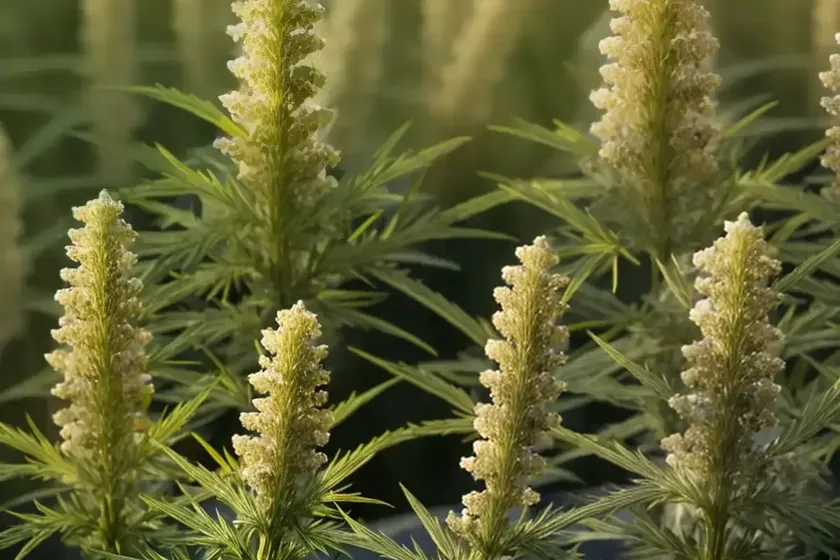
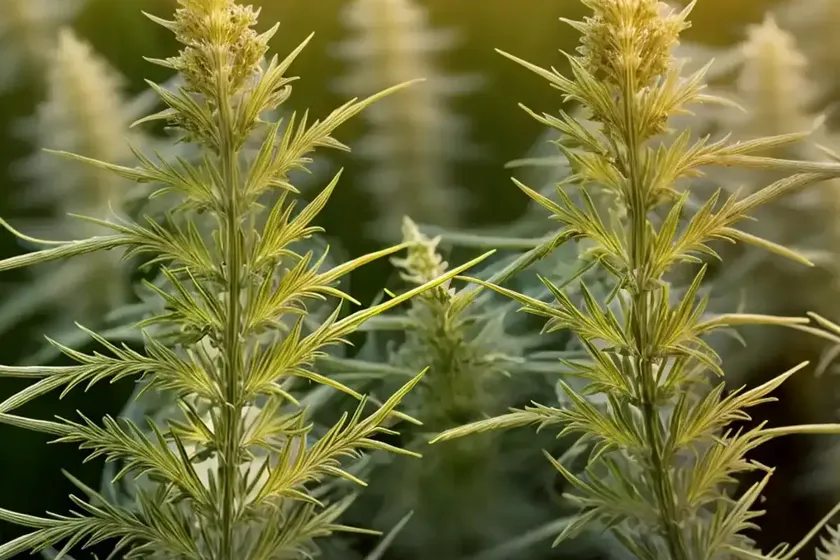
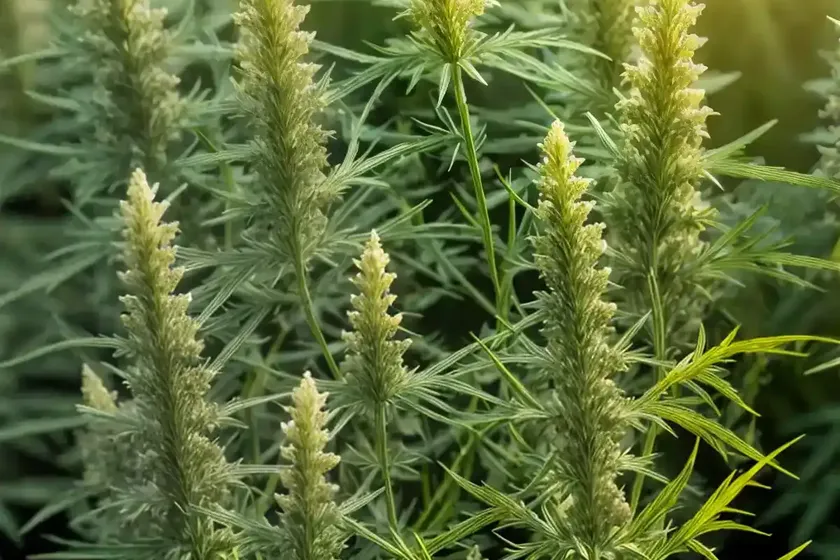
Artemisia douglasiana, commonly known as Douglas Mugwort, is a fascinating plant with a rich history of traditional uses and modern applications. This guide will provide an in-depth exploration of the cultural, medicinal, and horticultural aspects of Artemisia douglasiana, shedding light on its benefits, cultivation, and ecological significance.
What is Artemisia douglasiana (Douglas Mugwort)?
Artemisia douglasiana is a perennial herbaceous plant native to western North America. Belonging to the Asteraceae family, it is closely related to other well-known plants such as Artemisia absinthium (wormwood) and Artemisia annua (sweet wormwood). Douglas Mugwort typically grows in a variety of habitats, including woodlands, meadows, and riparian areas, and is renowned for its aromatic foliage and numerous medicinal properties.
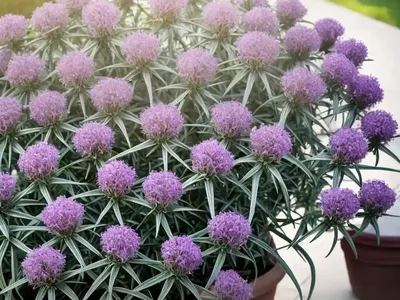
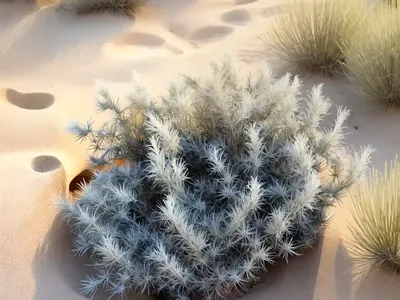
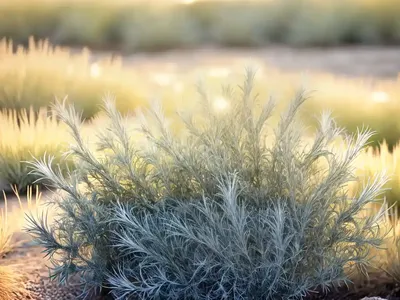
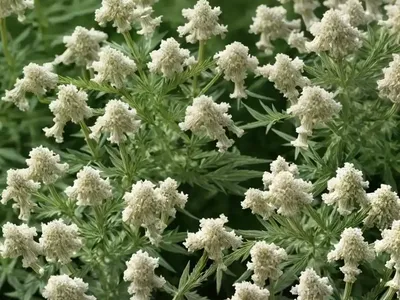
The plant is characterized by its deeply lobed leaves with a silvery-green hue, emitting a strong, pleasant fragrance when crushed. In addition to its cultural and medicinal significance, Artemisia douglasiana also plays a crucial ecological role, supporting diverse wildlife and contributing to the stability of native ecosystems.
Key Takeaways – Artemisia douglasiana (Douglas Mugwort)
Artemisia douglasiana is a versatile plant with a wide array of benefits and applications. Understanding its cultural significance, attributes, and requirements is essential for anyone interested in cultivating or utilizing this remarkable botanical specimen. The following sections will delve into the various aspects of Douglas Mugwort, providing valuable insights into its cultivation, uses, and ecological importance.
Culture
Origin and Distribution
- Artemisia douglasiana is native to western North America, including regions of California, Oregon, and Washington.
- The plant thrives in diverse habitats, from forested areas to open meadows, and is known for its adaptability to different environmental conditions.
Historical and Cultural Significance
- Douglas Mugwort has a rich history of traditional uses among indigenous communities, who recognized its medicinal and ceremonial properties.
- The plant holds spiritual significance in Native American cultures, often used in rituals and healing practices.
Uses
Medicinal Properties
- Artemisia douglasiana possesses a wide range of medicinal benefits, including anti-inflammatory, digestive, and antimicrobial properties.
- Traditional herbal medicine utilizes Douglas Mugwort for its ability to alleviate various ailments and support overall well-being.
Herbal Applications
- The plant’s aromatic leaves are often used in herbal preparations, including teas, tinctures, and topical treatments.
- Artemisia douglasiana has gained attention for its potential in addressing respiratory conditions, anxiety, and digestive issues.
Water
Watering Requirements
- Douglas Mugwort thrives in well-drained soil and generally prefers moderate moisture levels.
- When established, the plant exhibits good drought tolerance, making it suitable for garden settings with intermittent watering.
Irrigation Tips
- During the establishment phase, regular watering is essential to promote healthy root development and overall vigor.
- Avoid overwatering, as Artemisia douglasiana is susceptible to root rot in waterlogged conditions.
Sunlight
Light Preferences
- Artemisia douglasiana thrives in full to partial sun, requiring at least 6 hours of sunlight for optimal growth.
- In warmer climates, some afternoon shade can benefit the plant, especially during high-temperature periods.
Light Management
- When grown indoors, provide adequate light exposure through windows or supplemental grow lights to simulate outdoor conditions.
- Outdoor cultivation should consider the plant’s sunlight requirements when selecting planting locations.
Fertilizer
Nutrient Needs
- Douglas Mugwort is moderately tolerant of various soil types and does not typically require heavy fertilization.
- A balanced, organic fertilizer applied during the growing season can support healthy foliage and overall plant vitality.
Fertilization Tips
- Prioritize soil improvement through organic amendments and mulching, which can enhance nutrient availability and moisture retention.
- Avoid excessive nitrogen, as it may lead to an overabundance of foliage at the expense of essential oil production.
Soil
Soil Conditions
- Well-drained, sandy loam soils with good aeration are ideal for Artemisia douglasiana, mimicking its native habitat.
- The plant is adaptable to slightly acidic to alkaline pH levels and can tolerate low-fertility soils.
Soil Preparation
- Incorporate organic matter such as compost and aged manure when preparing the planting site to enhance soil structure and fertility.
- Optimal soil conditions promote robust growth and help mitigate potential pest and disease issues.
Pruning
Pruning and Maintenance
- Regular pruning can help manage the plant’s growth and shape, preventing it from becoming overly dense and unruly.
- Deadheading spent blooms can encourage continued flowering and maintain the plant’s aesthetic appeal.
Timing and Techniques
- Prune Artemisia douglasiana in early spring before new growth emerges to rejuvenate the plant and remove any winter damage.
- Utilize sharp, clean pruning tools to make precise cuts and minimize the risk of introducing pathogens.
Propagation
Propagation Methods
- Douglas Mugwort can be propagated through seeds, divisions, or softwood cuttings, offering multiple options for increasing plant numbers.
- Each propagation method has its advantages, allowing for flexibility based on resource availability and desired outcomes.
Seed Propagation
- Collect ripe seeds from the plant and sow them in well-draining seed-starting mix, ensuring adequate moisture and warmth for germination.
- Seed propagation provides a cost-effective means of producing new plants and preserving specific genetic traits.
Container Popularity
Container Gardening
- Artemisia douglasiana is well-suited for container cultivation, making it accessible to individuals with limited outdoor space.
- Container-grown Douglas Mugwort offers portability and flexibility, allowing it to thrive on patios, balconies, and windowsills.
Container Requirements
- Select spacious containers with adequate drainage holes to accommodate the plant’s root system and prevent waterlogging.
- Use a well-draining potting mix and monitor moisture levels regularly to ensure optimal growing conditions.
Common Diseases
Disease Susceptibility
- While relatively resilient, Artemisia douglasiana may be vulnerable to fungal diseases such as powdery mildew under humid, poorly ventilated conditions.
- Proper cultural practices and vigilant monitoring can mitigate the risk of disease development in the garden.
Disease Management
- Ensure proper spacing between plants to promote air circulation and reduce the likelihood of moisture-related diseases.
- Organic fungicidal sprays or biological control agents can be used preventatively or as a targeted intervention if disease symptoms are observed.
Disease Diagnosis
Symptom Recognition
- Early detection of disease symptoms such as white powdery patches on foliage or wilting can indicate potential issues requiring further investigation.
- Visual inspections and prompt action are crucial for addressing diseases before they escalate and impact plant health.
Diagnostic Resources
- Consult local extension services, botanical gardens, or plant pathology experts for assistance in identifying and managing specific plant diseases.
- Utilize reputable online resources and diagnostic tools to aid in the accurate diagnosis of potential health issues affecting Douglas Mugwort.
Common Pests
Pest Pressure
- Artemisia douglasiana is generally resistant to pest infestations, owing to its aromatic foliage and natural defense mechanisms.
- Despite its resilience, occasional pest challenges may arise, requiring proactive pest management strategies.
Pest Management
- Implement cultural practices such as proper sanitation and garden hygiene to minimize pest attraction and breeding opportunities.
- Natural predators and biocontrol agents can contribute to pest control while preserving ecological balance in the garden.
Botanist’s Tips
Expert Recommendations
- Consider companion planting with species that complement Artemisia douglasiana, such as lavender, salvias, and ornamental grasses.
- Enhance the plant’s ornamental and ecological value by integrating it into native plant landscapes and pollinator-friendly gardens.
Sustainable Practices
- Embrace sustainable gardening principles, including water-wise irrigation, organic soil amendments, and minimal chemical inputs, to support the plant’s well-being and environmental conservation.
Fun Facts
Intriguing Tidbits
- The fragrance of Artemisia douglasiana leaves is said to repel insects and pests, making it a valuable addition to natural pest control strategies.
- The plant’s association with folklore and traditional uses reflects its enduring cultural significance and relevance in various human societies.
Links to External Resources
- National Center for Biotechnology Information – Artemisia douglasiana: A Review of its Ethnobotanical Uses, Phytochemistry, and Pharmacological Properties
- United States Department of Agriculture – Plants Profile: Artemisia douglasiana
- The Herb Society of America – Artemisia Species: Common Names and Cultural Significance
- Missouri Botanical Garden – Gardening Help: Artemisia Species
In conclusion, Artemisia douglasiana, or Douglas Mugwort, encompasses a myriad of captivating attributes, from its medicinal prowess to its ecological contributions in native landscapes. By delving into the plant’s rich history, traditional uses, and horticultural considerations, individuals can foster a deeper appreciation for this botanical treasure. Whether as an herbal ally, a garden adornment, or an ecological steward, Artemisia douglasiana remains a noteworthy presence, bridging the realms of culture, wellness, and nature.
By embracing its multifaceted qualities and integrating it into diverse contexts, we honor and perpetuate the legacy of Artemisia douglasiana, perpetuating its timeless relevance and enduring significance.
References:
– National Center for Biotechnology Information. “Artemisia douglasiana: A Review of its Ethnobotanical Uses, Phytochemistry, and Pharmacological Properties.” https://www.ncbi.nlm.nih.gov/pmc/articles/PMC6711577/
– United States Department of Agriculture. “Plants Profile: Artemisia douglasiana.” https://plants.usda.gov/core/profile?symbol=ARDO2
– The Herb Society of America. “Artemisia Species: Common Names and Cultural Significance.” https://www.herbsociety.org/file_download/inline/80b4df9e-6693-4b26-984e-319000342a6f
– Missouri Botanical Garden. “Gardening Help: Artemisia Species.” http://www.missouribotanicalgarden.org/gardens-gardening/your-garden/help-for-the-home-gardener/advice-tips-resources/visual-guides/artemisia.aspx