Artemisia Filifolia (Sand Sagebrush)
Artemisia filifolia, commonly known as Sand Sagebrush, is a hardy and drought-tolerant perennial shrub that belongs to the Asteraceae family. This native.
Artemisia filifolia, commonly known as Sand Sagebrush, is a hardy and drought-tolerant perennial shrub that belongs to the Asteraceae family. This native North American species can be found in a variety of habitats, including dry prairies, plains, and desert landscapes. The plant’s unique characteristics, ecological significance, and diverse uses make it an intriguing subject for study and cultivation.
In this comprehensive guide, we will delve into the various aspects of Artemisia filifolia, including its cultural requirements, uses, propagation methods, common diseases, and much more. By understanding the intricacies of this plant, you can effectively cultivate and appreciate its contribution to the environment and human well-being.
Key Takeaways – Artemisia filifolia (Sand Sagebrush)
Before delving into the specifics of Artemisia filifolia, let’s take a quick overview of the key takeaways associated with this remarkable plant:
- Artemisia filifolia, also known as Sand Sagebrush, is a native North American perennial shrub with ecological importance and diverse uses.
- It exhibits adaptability to arid environments and provides essential ecosystem services, making it valuable for sustainable gardening and biodiversity conservation.
- Cultivating Artemisia filifolia requires an understanding of its cultural requirements, including water, sunlight, soil, and pruning needs.
- The plant possesses medicinal properties and has been traditionally used for various purposes, making it an intriguing subject for ethnobotanical exploration.
With these key takeaways in mind, let’s explore the various facets of Artemisia filifolia in greater detail.
What is Artemisia filifolia (Sand Sagebrush)?
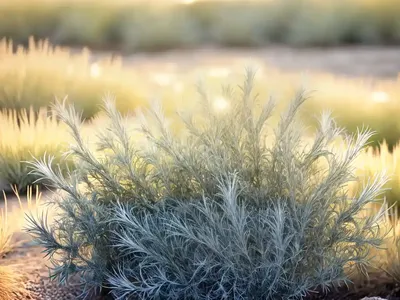
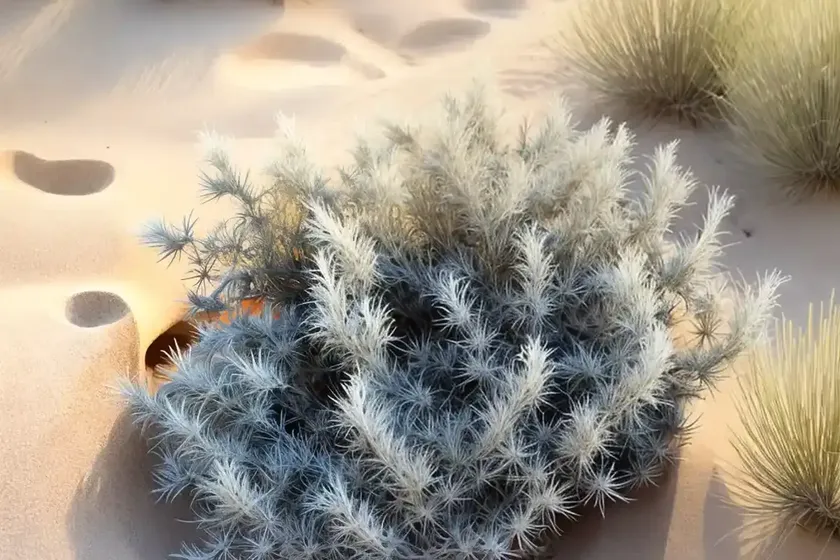
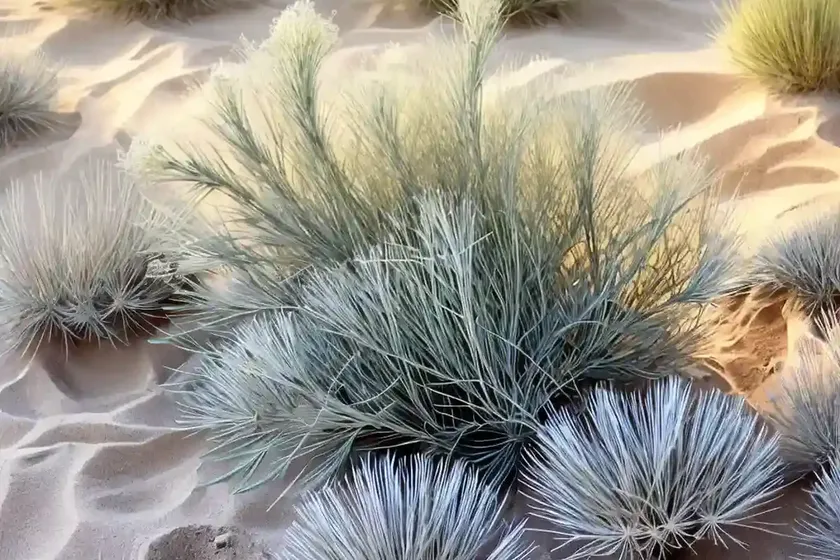
Artemisia filifolia, commonly referred to as Sand Sagebrush, is a perennial shrub native to North America. It is recognized for its finely dissected, silvery-gray foliage and its ability to thrive in arid and semi-arid ecosystems. The plant belongs to the genus Artemisia, which encompasses a diverse group of aromatic, herbaceous plants and shrubs.
Characteristics of Artemisia filifolia
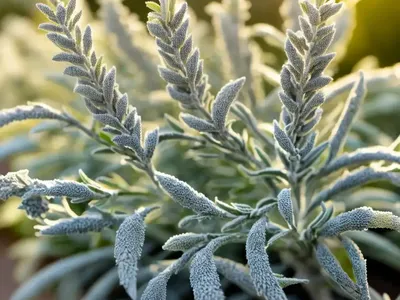
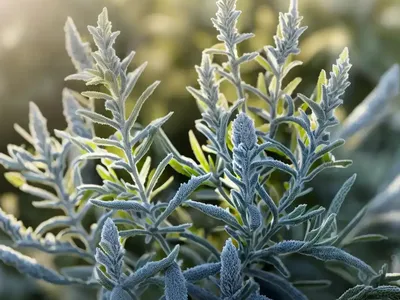
– Appearance: The Sand Sagebrush is known for its distinctive, thread-like leaves that give it a feathery appearance. The foliage is silver-gray in color, contributing to the plant’s ornamental value.
– Height: Typically, Sand Sagebrush grows to heights ranging from 2 to 4 feet, with a spread of 2 to 3 feet. However, variations in size can occur based on environmental conditions and cultivation methods.
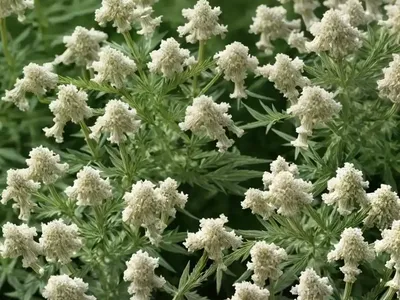
– Flowering: The plant produces inconspicuous flowers that are often clustered in small, spherical inflorescences. The inflorescences can add subtle aesthetic appeal to the plant during the flowering season.
Native Habitat of Sand Sagebrush
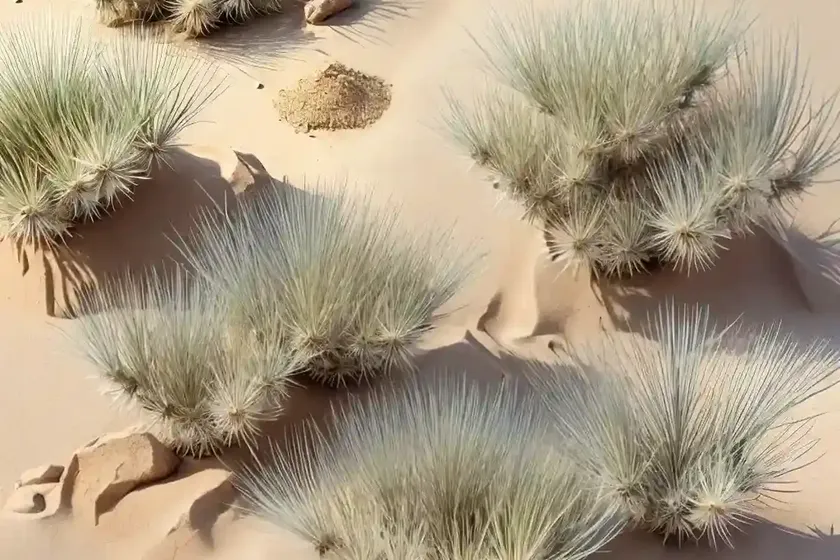
Sand Sagebrush is indigenous to regions of North America, predominantly found in dry prairies, plains, and desert landscapes. It demonstrates remarkable adaptability to a wide range of soil types and can thrive in high-saline and sandy soils, as suggested by its common name.
Ecological Importance
This plant plays a crucial role in the ecosystem, offering habitat and sustenance for various wildlife species. It is also a valuable species for soil stabilization and erosion control in arid environments, making it an essential component of restoration efforts in degraded landscapes.
Culture of Artemisia filifolia (Sand Sagebrush)
The successful cultivation of Artemisia filifolia depends on understanding its cultural requirements and effectively providing for its needs. From water and sunlight to soil composition and fertilization, each aspect contributes to the overall well-being of the plant.
Water
Sand Sagebrush is inherently adapted to arid environments and exhibits drought tolerance once established. When cultivating this plant, it is essential to maintain a balance in watering to promote healthy growth while avoiding waterlogged conditions. Here are some guidelines for watering Artemisia filifolia:
-
Establishment: During the initial establishment phase, provide regular watering to support root development. Once the plant is well-established, reduce the frequency of watering to mimic its natural habitat conditions.
-
Drought Tolerance: Sand Sagebrush is well-equipped to withstand periods of drought once its root system has developed. This inherent resilience makes it an excellent choice for xeriscaping and water-wise landscaping.
Sunlight
Sand Sagebrush thrives in full sun to partial shade and prefers bright, direct sunlight for the majority of the day. When selecting a planting location, prioritize areas with ample sunlight exposure for optimal growth and vitality.
Fertilizer
This low-maintenance plant generally thrives in nutrient-poor soils and may not require regular fertilization. However, in cases where the soil quality is particularly poor, the application of a balanced, slow-release fertilizer can support initial growth and establishment.
Soil
Sand Sagebrush demonstrates adaptability to a variety of soil types, including sandy, gravelly, and saline soils. It can tolerate alkaline conditions and is well-suited to arid, well-draining soil compositions. When cultivating Artemisia filifolia, ensure that the soil is well-draining to prevent waterlogging, which can be detrimental to the plant’s health.
Pruning
Pruning Artemisia filifolia is typically minimal and may involve the removal of dead or damaged branches to maintain the plant’s overall shape and vigor. Light pruning can be performed in early spring to encourage new growth and maintain the plant’s compact form.
Uses of Artemisia filifolia (Sand Sagebrush)
Artemisia filifolia offers diverse uses, ranging from ecological applications to medicinal and landscaping purposes. Its unique properties and cultural significance make it a versatile plant with valuable contributions in various domains.
Ecological Uses
-
Erosion Control: Sand Sagebrush is an excellent species for erosion control in arid and semi-arid regions. Its extensive root system helps stabilize soil and prevent erosion, making it a crucial component of restoration and conservation projects in degraded landscapes.
-
Wildlife Habitat: The plant provides essential habitat and food sources for a variety of wildlife, including insects, birds, and small mammals. Its presence in natural landscapes supports biodiversity and ecological balance.
Medicinal and Ethnobotanical Uses
-
Traditional Medicine: Artemisia filifolia has been historically used in traditional medicine for its medicinal properties. It is believed to possess therapeutic qualities, and its use in herbal remedies has been documented in various indigenous cultures.
-
Aromatic Qualities: The aromatic foliage of the Sand Sagebrush contributes to its value in aromatherapy and fragrance production. The plant’s essential oils have been traditionally utilized for their aromatic and potentially therapeutic properties.
Landscaping and Ornamental Uses
-
Native Landscaping: Sand Sagebrush is an attractive choice for native landscaping and naturalistic garden designs. Its unique foliage color and texture enhance the visual appeal of arid and xeriscape gardens, adding a distinct character to the landscape.
-
Xeriscaping: Due to its drought tolerance and minimal water needs, Artemisia filifolia is well-suited for xeriscaping, where water conservation and sustainable gardening practices are prioritized.
Propagation of Artemisia filifolia (Sand Sagebrush)
Propagating Artemisia filifolia allows for the expansion of its presence in landscapes and facilitates conservation efforts. Understanding the propagation methods and best practices for Sand Sagebrush ensures successful establishment and cultivation.
Seed Propagation
Propagation from seeds is a viable method for cultivating Artemisia filifolia, offering the opportunity to grow new plants and expand their distribution. When propagating from seeds, consider the following guidelines:
-
Seed Collection: Harvest mature seeds from established Artemisia filifolia plants. Collect seeds when they are ripe to ensure viability and successful germination.
-
Seed Preparation: Prepare the seeds for planting by scarification or stratification if needed. These processes can help break seed dormancy and promote successful germination.
-
Planting: Sow the prepared seeds in well-draining soil, and lightly cover them with a thin layer of soil. Water the planting area gently to provide moisture for germination.
-
Germination: Provide consistent moisture and suitable temperature conditions to facilitate germination. Once the seedlings have emerged, ensure adequate spacing for their initial growth.
Vegetative Propagation
In addition to seed propagation, Sand Sagebrush can be propagated through vegetative methods, such as stem cuttings or division. Vegetative propagation offers a means to create genetic clones of existing plants and can be particularly useful for conservation and landscape enhancement efforts.
-
Stem Cuttings: Take stem cuttings from healthy, established plants, and ensure that they possess sufficient nodes for root development. Plant the cuttings in a suitable growing medium, and provide adequate moisture and warmth to encourage root formation.
-
Division: If the Artemisia filifolia plant has developed multiple stems or clumps, division can be employed to create new plantings. Carefully separate the plant into sections, ensuring that each division has adequate roots and foliage for successful establishment.
By understanding the propagation techniques and requirements for Artemisia filifolia, individuals can contribute to the conservation and cultivation of this valuable native species.
Container Cultivation of Artemisia filifolia
Cultivating Sand Sagebrush in containers offers versatility and accessibility, allowing individuals to incorporate this species into various garden settings, including patios, balconies, and small spaces. When growing Artemisia filifolia in containers, several considerations can enhance the plant’s vitality and aesthetic appeal.
Container Selection
Select containers that provide ample space for the growth and development of Sand Sagebrush. Choose pots or containers with sufficient drainage holes to prevent waterlogging, promoting optimal root health.
Soil and Fertilization
Use well-draining, sandy soil mixes designed for container gardening when planting Artemisia filifolia. Incorporate a balanced, slow-release fertilizer at the time of planting to provide essential nutrients for initial growth.
Watering
Container-grown Sand Sagebrush may require more frequent watering compared to plants in the ground, especially during hot and dry periods. Monitor soil moisture levels and adjust watering frequency to meet the plant’s needs while preventing waterlogged conditions.
Sunlight
Place the containers in locations that receive ample sunlight, ensuring that the plants have access to the required light for healthy growth. Consider the orientation of the containers to optimize sunlight exposure based on the plant’s preferences.
Maintenance
Regularly inspect container-grown Artemisia filifolia for signs of overgrowth, root binding, or nutrient deficiencies. Prune the plant as needed to maintain its shape and vigor, and repot as necessary to provide adequate space for root expansion.
Cultivating Sand Sagebrush in containers enables individuals to enjoy the plant’s unique attributes and ecological benefits in diverse gardening environments.
Common Diseases of Artemisia filifolia
While Sand Sagebrush is known for its resilience and adaptability, certain diseases and issues can affect its overall health and vigor. Awareness of common diseases and their management is essential for maintaining the well-being of Artemisia filifolia.
Disease Diagnosis
When observing signs of distress or decline in Sand Sagebrush, it is crucial to accurately diagnose the underlying cause. Common diseases that may affect Artemisia filifolia include:
-
Powdery Mildew: This fungal disease can manifest as powdery, white growth on the foliage, reducing the plant’s aesthetic appeal and potentially impacting its vitality.
-
Rust: Rust diseases can affect the leaves of Sand Sagebrush, presenting as orange or brown pustules and causing leaf discoloration and weakening of the plant.
-
Root Rot: Overly wet or waterlogged soil conditions can lead to root rot in Artemisia filifolia, causing symptoms such as wilting, yellowing foliage, and overall decline.
Disease Management
To address common diseases affecting Sand Sagebrush, consider the following management strategies:
-
Cultural Practices: Maintain proper spacing between plants to promote air circulation and reduce humidity, minimizing the favorable conditions for disease development.
-
Pruning: Regularly prune and remove affected foliage to prevent the spread of fungal diseases and maintain the overall health of the plant.
-
Fungicidal Treatments: In cases of severe fungal infections, the application of suitable fungicidal treatments can help manage and control the spread of diseases.
By promptly identifying and addressing common diseases, individuals can protect the health and longevity of Artemisia filifolia in various growing environments.
Common Pests Affecting Artemisia filifolia
In addition to diseases, Sand Sagebrush may be susceptible to pests that can impact its growth and vitality. Understanding the common pests and employing effective pest management strategies is essential for preserving the plant’s health.
Pest Identification
Common pests that may affect Artemisia filifolia include:
-
Aphids: These small, sap-sucking insects can infest the foliage of Sand Sagebrush, causing damage and potential distortion of the leaves.
-
Spider Mites: Infestations of spider mites can lead to webbing and stippling on the leaves of Artemisia filifolia, affecting its overall appearance and vigor.
-
Caterpillars: Certain caterpillar species can feed on the foliage of Sand Sagebrush, leading to defoliation and reduced photosynthetic capacity.
Pest Management
Employing integrated pest management (IPM) practices can effectively address pest issues and minimize their impact on Artemisia filifolia:
-
Natural Predators: Encourage the presence of natural predators, such as beneficial insects and birds, to help control pest populations in the garden or landscape.
-
Physical Removal: Handpick larger pests, such as caterpillars, and gently wash off aphids or spider mites with a stream of water to reduce their numbers.
-
Horticultural Oils: Application of horticultural oils can help suffocate and manage certain pest populations without posing harm to beneficial organisms.
By proactively monitoring for pests and implementing appropriate pest management measures, individuals can safeguard the health and vitality of Sand Sagebrush in diverse growing environments.
Botanist’s Tips for Cultivating Artemisia filifolia
Botanists and gardening enthusiasts often rely on practical tips and insights to effectively cultivate and appreciate plants like Artemisia filifolia. Here are some valuable tips for successfully growing and enjoying the unique qualities of Sand Sagebrush:
-
Native Planting: Incorporate Artemisia filifolia in native landscaping designs to enhance the ecological value of gardens and promote biodiversity conservation.
-
Water-Wise Gardening: Embrace the drought tolerance of Sand Sagebrush by using it as a foundational species in water-wise and xeriscape gardens, promoting sustainable landscaping practices.
-
Companion Planting: Explore companion planting options that complement the attributes of Artemisia filifolia, such as pairing it with other native species or drought-tolerant plants for cohesive garden designs.
-
Aromatic Qualities: Appreciate the aromatic foliage of Sand Sagebrush and consider its potential applications in potpourri, herbal crafts, or natural fragrance endeavors.
-
Medicinal Exploration: Delve into the ethnobotanical and medicinal uses of Artemisia filifolia, exploring its historical significance and potential contemporary applications in herbalism and wellness practices.
-
Erosion Control: Leverage the soil-stabilizing qualities of Sand Sagebrush in erosion-prone areas, contributing to environmental restoration and land management efforts.
By integrating these botanist’s tips into the cultivation and appreciation of Artemisia filifolia, individuals can derive enhanced value from this versatile and ecologically significant plant.
Fun Facts About Artemisia filifolia (Sand Sagebrush)
Exploring the intriguing and unique aspects of Artemisia filifolia can uncover fascinating fun facts that add an extra layer of appreciation for this remarkable plant:
-
Historical Significance: Sand Sagebrush has historical and cultural significance, with its traditional uses dating back centuries in indigenous communities across its native range.
-
Aromatic Attributes: The aromatic foliage of Sand Sagebrush can release a pleasing fragrance when gently brushed or disturbed, adding sensory appeal to garden settings.
-
Ecosystem Services: Sand Sagebrush contributes to vital ecosystem services, including habitat provision, erosion control, and wildlife support, making it a valuable species for environmental stewardship.
-
Drought Tolerance: The impressive drought tolerance of Artemisia filifolia enables its survival in harsh environments, demonstrating its resilience and adaptability.
-
Native Landscapes: Incorporating Sand Sagebrush into native landscapes can evoke a sense of place and authenticity, enriching the ecological narrative of garden designs and naturalistic settings.
-
Aromatic Applications: The essential oils derived from Sand Sagebrush have been historically used for various purposes, including aromatic rituals, skincare, and natural perfumery.
These fun facts illuminate the multifaceted nature of Artemisia filifolia, highlighting its ecological, cultural, and sensory appeal.
Significance of Artemisia filifolia in Landscaping and Conservation
Artemisia filifolia holds significant relevance in the realms of landscaping, ecological restoration, and conservation. Its inherent qualities and contributions make it a compelling species for various applications and initiatives.
Landscape Design
When incorporated into landscape designs, Sand Sagebrush can contribute to the overall aesthetic appeal and ecological functionality of outdoor spaces. Its unique foliage color, texture, and adaptability to arid environments make it a valuable component of sustainable and native landscaping designs.
Erosion Control and Restoration
The extensive root system of Artemisia filifolia provides critical soil stabilization, making it an effective species for erosion control and restoration efforts in degraded landscapes. Its presence helps prevent soil erosion and contributes to the rehabilitation of disturbed ecosystems.
Biodiversity Conservation
As a native species with vital ecological value, Sand Sagebrush plays a crucial role in promoting biodiversity conservation. By supporting various wildlife species and contributing to the integrity of natural habitats, it enhances the overall biodiversity of landscapes.
Sustainable Gardening
Embracing the drought tolerance and ecological benefits of Artemisia filifolia aligns with the principles of sustainable gardening. Its minimal water requirements and ability to thrive in challenging environments make it a valuable asset for sustainable and water-wise gardening practices.
Medicinal and Cultural Significance
The traditional uses and medicinal properties associated with Sand Sagebrush underscore its cultural significance and potential contributions to contemporary herbalism and wellness practices. Exploring its ethnobotanical heritage adds depth to its significance beyond ecological roles.
Given its multifaceted significance, Artemisia filifolia holds promise for diverse applications in landscaping, conservation, and sustainability efforts.
Botanical Classification of Artemisia filifolia
Understanding the taxonomic classification of Artemisia filifolia sheds light on its botanical characteristics and relationships within the plant kingdom. The following classification provides insights into its taxonomic placement:
- Kingdom: Plantae
- Phylum: Angiosperms
- Class: Eudicots
- Order: Asterales
- Family: Asteraceae
- Genus: Artemisia
- Species: Artemisia filifolia
This taxonomic hierarchy provides a framework for comprehensively understanding the botanical identity of Sand Sagebrush and its place in the plant kingdom.
Links to External Resources
For further exploration and research on Artemisia filifolia, the following links to external resources offer in-depth information, data, and insights related to Sand Sagebrush:
-
USDA Plants Database: The USDA Plants Database provides comprehensive botanical information, distribution maps, and ecological data for Artemisia filifolia.
-
Lady Bird Johnson Wildflower Center: The Lady Bird Johnson Wildflower Center offers resources on native plants, including Artemisia filifolia, to guide conservation and landscaping efforts.
-
The Xerces Society: The Xerces Society