Artemisia Lactiflora (White Mugwort)
Artemisia lactiflora, commonly known as White Mugwort, is a herbaceous perennial plant that belongs to the Asteraceae family. This beautiful and aromatic.
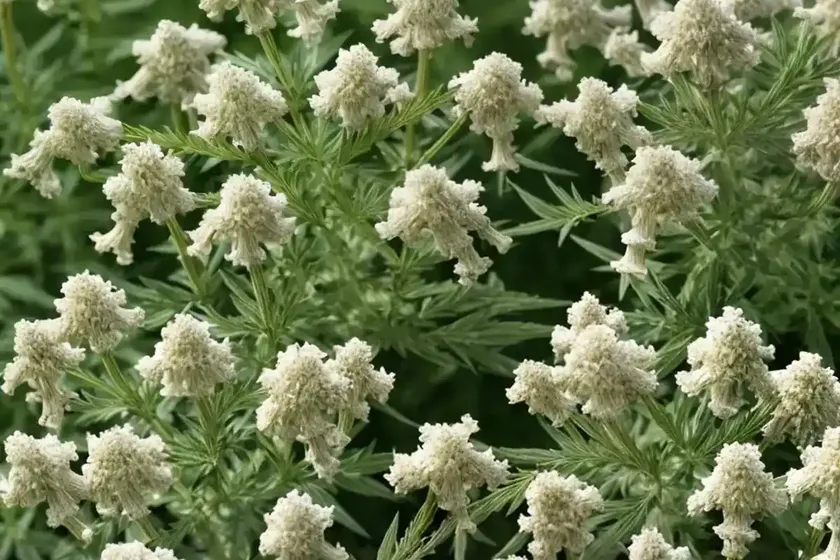
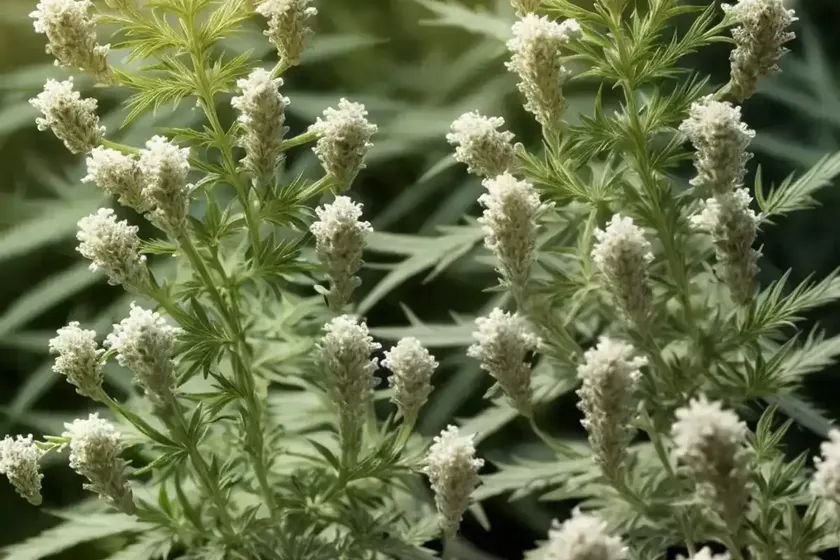
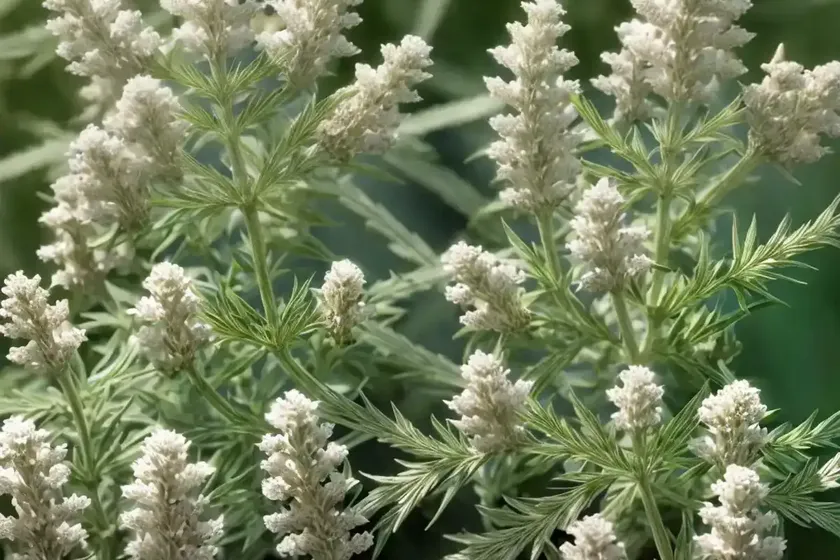
Artemisia lactiflora, commonly known as White Mugwort, is a herbaceous perennial plant that belongs to the Asteraceae family. This beautiful and aromatic plant is native to East Asia and has gained popularity not only for its ornamental value but also for its cultural, medicinal, and ecological uses.
In this comprehensive guide, we will delve into the various aspects of Artemisia lactiflora, including its culture, uses, care requirements, propagation, common pests and diseases, and much more. Whether you are a seasoned gardener or a novice plant enthusiast, this article will equip you with the knowledge and insights to cultivate and appreciate the captivating attributes of the White Mugwort.
Key Takeaways – Artemisia lactiflora (White Mugwort)
Before we embark on exploring the intricacies of Artemisia lactiflora, let’s provide an overview of the key takeaways that will be covered in this comprehensive guide:
-
Cultural Requirements
- Water: Artemisia lactiflora prefers consistently moist soil, but it is also tolerant of brief periods of drought once established.
- Sunlight: This plant thrives in full sun to partial shade, exhibiting its best growth and flowering potential in ample sunlight.
- Fertilizer: Minimal fertilizer requirements; a light application of balanced fertilizer in spring can suffice.
- Soil: Well-draining, loamy soil with a slightly acidic to neutral pH is optimal for White Mugwort.
- Pruning: Regular deadheading and occasional cutting back in late spring or early summer can promote bushier growth and prolong flowering.
- Propagation: White Mugwort can be propagated through division or seeds, with each method having its own distinct advantages.
- Container Growing: The plant can thrive in containers, provided that the necessary conditions are met.
-
Uses
- Cultural Uses: Artemisia lactiflora has a rich history of cultural significance in traditional medicine, herbal remedies, and culinary applications.
- Medicinal Properties: The plant is revered for its therapeutic properties, offering soothing and aromatic benefits that have been valued for centuries.
- Wildlife Habitat: White Mugwort serves as a valuable pollinator attractor and contributes to the ecological balance by providing a habitat for beneficial wildlife.
-
Common Diseases and Pests
- Disease Diagnosis: Understanding and identifying common diseases that affect White Mugwort, along with preventive measures.
- Common Pests: Recognizing and managing the potential pest threats to Artemisia lactiflora.
-
Botanist’s Tips
- Growth Conditions: Insights into the optimal growing conditions that promote the health and vigor of Artemisia lactiflora.
- Fun Facts: Discover intriguing and lesser-known facts about the White Mugwort, enriching your appreciation for this captivating plant.
What is Artemisia lactiflora (White Mugwort)?
Plant Description
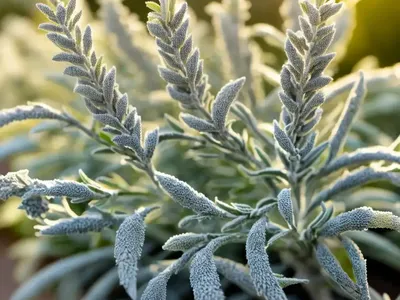
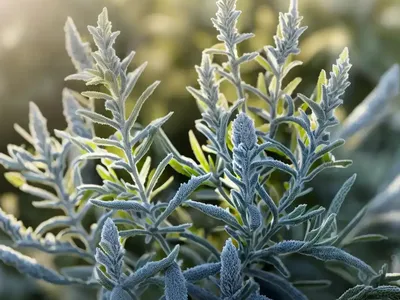
Artemisia lactiflora, or White Mugwort, is an herbaceous perennial that typically reaches a height of 3 to 5 feet (90-150 cm) and a spread of 2 to 3 feet (60-90 cm). It is characterized by its upright, bushy growth habit and deeply lobed, lance-shaped, dark green leaves. The foliage exudes a pleasant aromatic fragrance, adding to the plant’s allure.
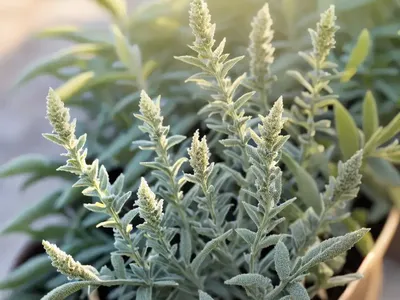
One of the most striking features of Artemisia lactiflora is its abundant and showy panicles of creamy white, feathery flowers, which bloom from midsummer to early fall. The floral display not only contributes to the plant’s aesthetic appeal but also attracts pollinators, such as butterflies and bees, enhancing the biodiversity of the garden.
White Mugwort: A Historical Perspective
The genus Artemisia encompasses a diverse group of plants with a rich historical and cultural significance. Named after the Greek goddess Artemis, the plants in this genus have long been associated with various medicinal, culinary, and ritualistic practices. Artemisia lactiflora, in particular, has been valued in traditional Chinese medicine for its therapeutic properties and has been utilized in herbal remedies and decoctions to address a range of ailments.
Ecological Importance
Beyond its ornamental and cultural uses, Artemisia lactiflora plays a vital role in ecological conservation. As a native plant in East Asia, it contributes to the preservation of local biodiversity by providing food and habitat for native pollinators and other beneficial insects. Its robust growth and resilience add to its ecological value, making it a favorable choice for environmentally conscious gardeners seeking to support local wildlife.
Culture
Cultivating Artemisia lactiflora involves understanding its specific cultural preferences, which encompass aspects such as water requirements, sunlight exposure, soil conditions, and maintenance practices. By aligning with the plant’s cultural needs, gardeners can ensure its healthy growth and optimal floral display.
Water
Artemisia lactiflora exhibits moderate water needs, preferring consistently moist soil to support its vigorous growth and abundant flowering. While it thrives in moist conditions, it possesses a degree of drought tolerance once established, making it suitable for regions with sporadic dry spells. Adequate moisture is especially crucial during the plant’s establishment phase and during periods of intense heat.
Sunlight
Adequate sunlight is essential for maximizing the blooming potential and overall vigor of Artemisia lactiflora. The plant thrives in full sun to partial shade, with a preference for at least 6 hours of direct sunlight daily. In regions with scorching summers, providing partial afternoon shade can prevent excessive stress on the plant and help maintain its floral display.
Fertilizer
Artemisia lactiflora is relatively modest in its fertilizer requirements. A light application of balanced, slow-release fertilizer in early spring, as new growth emerges, can provide the necessary nutrients to support healthy development and flowering. It is advisable to avoid excessive fertilization, which can lead to excessive foliage growth at the expense of flowering.
Soil
The ideal soil for Artemisia lactiflora is well-draining, loamy, and rich in organic matter. A slightly acidic to neutral pH range (6.0-7.0) is optimal for ensuring nutrient availability and root health. Prior to planting, amending the soil with well-rotted compost or organic matter can improve its structure and fertility, creating an ideal foundation for the White Mugwort’s growth.
Pruning
Pruning and deadheading play a role in maintaining the attractive appearance and prolonging the flowering period of Artemisia lactiflora. Regular removal of spent flowers can encourage the plant to produce new blooms, while cutting back the stems by one-third in late spring or early summer can promote bushier growth and enhance the overall aesthetic of the plant.
Propagation
White Mugwort can be propagated through division or seeds, with each method offering distinct advantages. Dividing mature clumps in early spring allows for the creation of new plants and the rejuvenation of established ones. Additionally, collecting and sowing seeds in a well-prepared seedbed, with subsequent transplantation of seedlings, offers an alternative approach to propagation and can foster genetic diversity within the plant population.
Container Popularity
Artemisia lactiflora’s amenable growth habit and moderate size make it a suitable candidate for container cultivation. When grown in containers, it is imperative to ensure adequate soil drainage, as waterlogged conditions can compromise the plant’s health. Selecting a spacious container and using a well-draining potting mix can facilitate successful container gardening with the White Mugwort.
Uses
The multifaceted uses of Artemisia lactiflora extend beyond its ornamental appeal, encompassing cultural, medicinal, and ecological roles that underscore its value in diverse settings. Understanding the various applications of the plant provides a holistic perspective on its significance and resonance with a range of interests, from gardening and landscape design to traditional medicine and ecological conservation.
Cultural Uses
Artemisia lactiflora has been revered for its cultural significance, particularly in traditional medicine and culinary practices. In traditional Chinese medicine, the plant has been employed to address conditions such as fever, inflammation, and gynecological disorders. Its aromatic foliage has also been utilized as incense and in the preparation of herbal decoctions, highlighting its versatile role in cultural practices.
The plant’s substantial presence in traditional medicinal systems reflects its historical association with therapeutic benefits and its enduring reputation as a valuable botanical resource. Additionally, its ornamental attributes have led to its incorporation in ceremonial and ornamental settings, contributing to its cultural symbolism and relevance.
Medicinal Properties
Throughout history, Artemisia lactiflora has been valued for its medicinal properties, which are attributed to various bioactive compounds present in its foliage and inflorescences. The plant is renowned for its soothing and aromatic attributes, providing a basis for its utilization in aromatherapy and the formulation of traditional remedies.
Extracts and infusions derived from the leaves and flowers of Artemisia lactiflora have been used to alleviate discomfort and promote relaxation. The plant’s distinct fragrance and perceived therapeutic effects have rendered it a fixture in herbal medicine and wellness practices, underscoring its enduring legacy as a botanical of practical and sensory significance.
Wildlife Habitat
Beyond its cultural and medicinal roles, Artemisia lactiflora serves as a valuable contributor to wildlife habitat and biodiversity conservation. The abundant nectar and pollen offered by its flowers attract pollinators such as bees, butterflies, and other beneficial insects, fostering a dynamic ecosystem within the garden or natural landscape.
By providing sustenance for native pollinators, Artemisia lactiflora contributes to the overall health and resilience of local ecosystems, demonstrating its intrinsic ecological value. Its role as a provider of habitat and forage underscores its broader significance in fostering connections between plants and wildlife, aligning with principles of ecological gardening and conservation.
Common Diseases
Understanding and proactively mitigating potential disease threats is integral to maintaining the health and vitality of Artemisia lactiflora. By familiarizing oneself with the common diseases that may affect the plant, gardeners can implement preventive measures and early interventions to safeguard its well-being.
Disease Diagnosis
Artemisia lactiflora is generally resilient to many common diseases; however, certain factors such as inadequate air circulation, excessive moisture, or nutrient imbalances can predispose the plant to disease. Among the potential diseases that may affect White Mugwort are:
-
Powdery Mildew: A fungal disease that manifests as a powdery, white coating on the leaves, stems, and flowers. It thrives in humid conditions and can compromise the plant’s vigor and aesthetics if left unchecked.
-
Leaf Spot: Characterized by the development of dark, round lesions on the foliage, leaf spot can result from prolonged leaf wetness and poor air circulation. Frequent monitoring and prompt removal of affected leaves can mitigate its impact.
-
Root Rot: Excessive soil moisture and poor drainage can lead to root rot, a condition caused by fungal pathogens that compromises the plant’s root system and overall health. Ensuring well-draining soil and moderate watering can help prevent this disease.
Disease Prevention
Implementing cultural practices that promote good plant health, such as maintaining adequate air circulation, providing proper irrigation, and avoiding over-fertilization, can serve as key preventive measures against potential diseases. Additionally, selecting disease-resistant cultivars and promptly addressing any signs of disease through targeted interventions can bolster the plant’s resilience and minimize the risk of significant disease outbreaks.
Common Pests
Artemisia lactiflora, while generally resilient, may be susceptible to certain pest pressures that can impact its growth and appearance. Recognizing and managing these potential pests is essential for preserving the plant’s vitality and minimizing damage.
Common Pests
-
Aphids: These small, soft-bodied insects may congregate on the tender growth of Artemisia lactiflora, feeding on plant fluids and potentially transmitting viral diseases. Regular scouting for aphid infestations and employing physical or biological control methods can help manage their populations.
-
Spider Mites: Spider mites are tiny arachnids that can cause stippling and discoloration of leaves as they feed on plant tissues. Maintaining adequate humidity and utilizing natural predators or horticultural oils can aid in controlling spider mite infestations.
-
Caterpillars: Certain caterpillar species may feed on the foliage of Artemisia lactiflora, leading to visible leaf damage. Monitoring for caterpillar presence and implementing targeted control measures can help minimize their impact on the plant.
Pest Management
Integrated pest management (IPM) practices, which involve a multifaceted approach encompassing cultural, physical, and biological control methods, can be effective in managing pest pressures on Artemisia lactiflora. By promoting plant health, employing natural predators, and leveraging non-chemical interventions, gardeners can maintain a balanced ecosystem and minimize reliance on synthetic pesticides.
Botanist’s Tips
In addition to the cultural, medicinal, and ecological aspects of Artemisia lactiflora, there are specific insights and tips that can enrich the understanding and cultivation of this captivating plant.
Growth Conditions
To optimize the growth and flowering of Artemisia lactiflora, it is beneficial to provide a well-drained, fertile growing environment with ample sunlight exposure. Consistent moisture, combined with good air circulation, is essential for sustaining the plant’s vigor and minimizing disease and pest pressures.
Fun Facts
- Despite its common name of “White Mugwort,” Artemisia lactiflora is not closely related to the traditional mugwort species (Artemisia vulgaris) often mentioned in folklore and herbalism.
- The aromatic foliage of White Mugwort has been used in traditional practices to ward off pests and insects, leveraging its natural repellent properties.
Conclusion
Artemisia lactiflora, or White Mugwort, embodies a captivating blend of ornamental, cultural, and ecological significance that appeals to a diverse array of gardening and botanical enthusiasts. From its lush foliage and abundant floral display to its valued role in traditional medicine and wildlife conservation, the plant offers a rich tapestry of uses and attributes that inspire admiration and appreciation.
By adhering to its cultural requirements, valuing its multifaceted uses, and understanding its ecological contributions, gardeners and enthusiasts can forge a deeper connection with Artemisia lactiflora, elevating it from a mere ornamental plant to a cherished component of horticultural, cultural, and ecological landscapes.
As with any plant, the endeavor to cultivate Artemisia lactiflora is a journey of discovery and stewardship, yielding insights and rewards that extend far beyond the confines of the garden. Whether as a source of aesthetic beauty, a repository of traditional knowledge, or a facilitator of ecological harmony, the White Mugwort stands as a testament to the enduring allure and significance of plants in our lives and the natural world.
References
- “Artemisia lactiflora ‘Guizhou'”. Missouri Botanical Garden. Link
- “Artemisia lactiflora”. Royal Horticultural Society. Link
- “Powdery Mildew of Ornamentals”. University of California Statewide Integrated Pest Management Program. Link
- “Artemisia lactiflora – White Mugwort”. North Carolina State University Extension Gardener Plant Toolbox. Link
- Wang, Feng-Sheng et al. “Strategies of Plant Adaptation to Environmental Stresses.” Horticultural Plant Journal, vol. 6, no. 5, 2020, pp. 220–228. Link
Note: The information provided in this article is for educational purposes and is not intended as a substitute for professional plant care advice. Always consult with a horticultural expert or extension service for guidance specific to your region and individual plant care needs.