Artemisia Dracunculus (French Tarragon)
In the world of culinary herbs, Artemisia dracunculus, commonly known as French Tarragon, holds a special place. This perennial herb not only adds a unique.
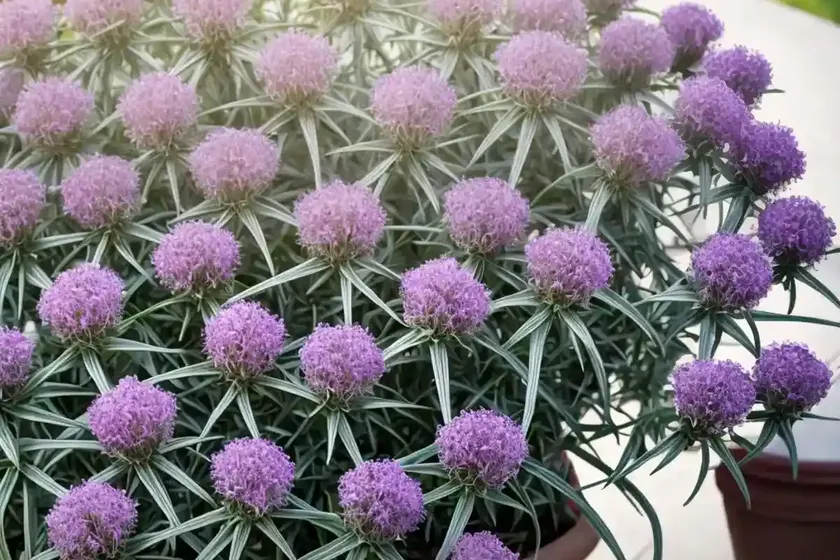
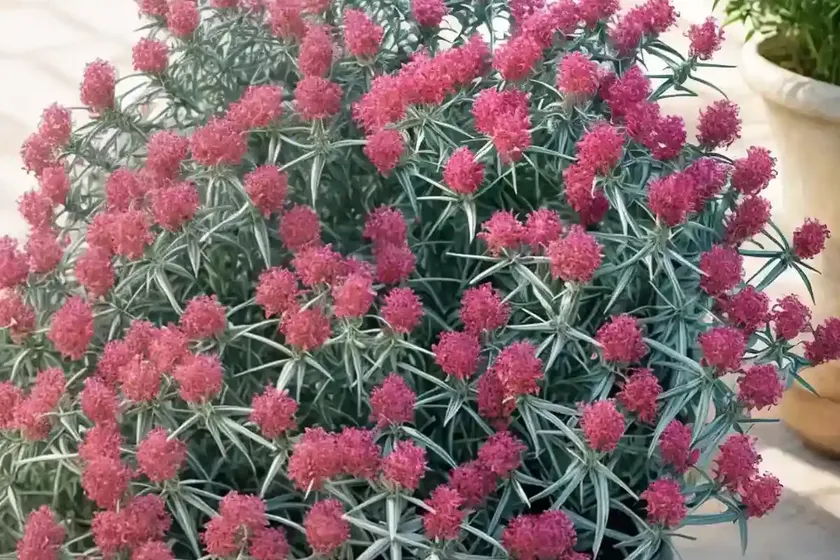
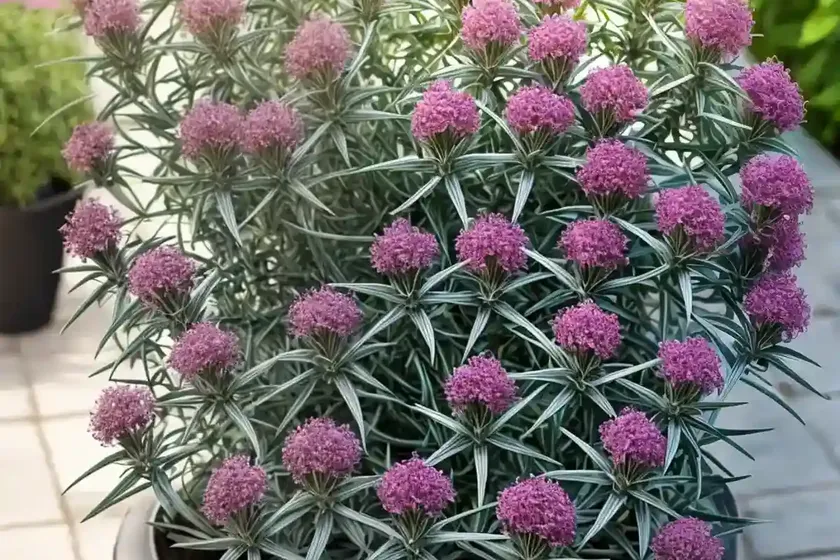
In the world of culinary herbs, Artemisia dracunculus, commonly known as French Tarragon, holds a special place. This perennial herb not only adds a unique flavor to dishes but also offers a range of medicinal and ornamental uses. As a plant scientist, I’ve had the opportunity to study this fascinating herb extensively and would like to share my insights into its cultivation, care, and uses.
What is Artemisia dracunculus (French Tarragon)?
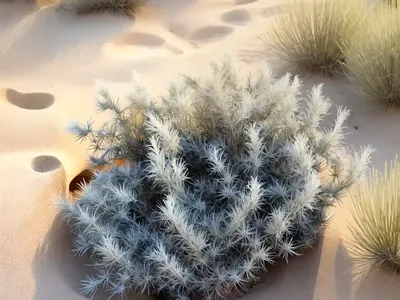
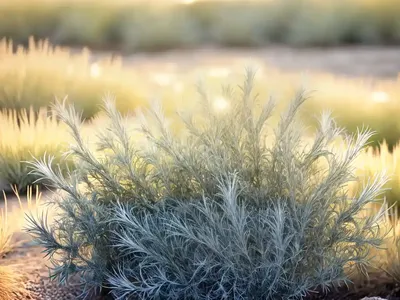
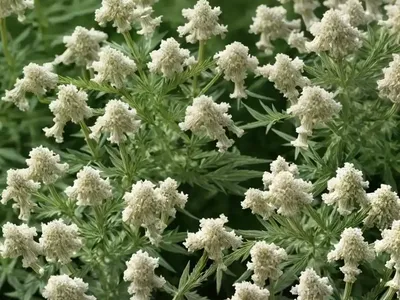
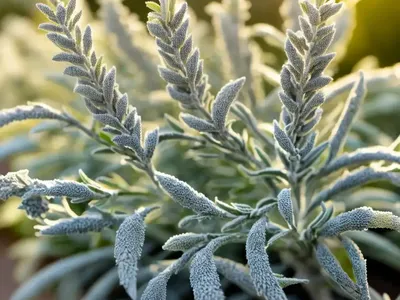
Artemisia dracunculus, or French Tarragon, is a species of perennial herb in the sunflower family (Asteraceae) primarily grown for its culinary and medicinal uses. It is a native plant to a wide area encompassing Eastern Europe, Russia, and western Asia. This herb is highly aromatic, featuring narrow, lance-shaped, dark green leaves and small, greenish-white flowers.
Key Takeaways – Artemisia dracunculus (French Tarragon)
French Tarragon possesses several characteristics and traits that make it an appealing choice for both culinary and medicinal purposes. Here are some key takeaways about Artemisia dracunculus:
- Botanical Name: Artemisia dracunculus
- Common Name: French Tarragon
- Plant Type: Perennial Herb
- Culinary Uses: Flavoring agent in various dishes
- Medicinal Uses: Traditional remedy for digestive issues
- Cultural Significance: Important herb in French cuisine
- Growth Habit: Upright, aromatic, and bushy
Now that we have a basic understanding of French Tarragon, let’s delve into the details of its cultivation, care regimen, and various applications.
Culture
Water
French Tarragon prefers moderately moist soil. Overwatering can lead to root rot, so it’s important to allow the soil to dry out slightly between waterings. Aim to keep the soil consistently moist but not waterlogged.
Sunlight
This herb thrives in full sun to partial shade. It requires at least 6 hours of direct sunlight per day for optimal growth. In regions with hot summers, providing some afternoon shade can be beneficial.
Fertilizer
When it comes to fertilizing French Tarragon, a balanced, all-purpose fertilizer can be applied in early spring as new growth begins. Avoid over-fertilization, as it can lead to excessive foliage growth at the expense of essential oils and flavor concentration.
Soil
French Tarragon prefers well-draining, fertile soil with a slightly alkaline to neutral pH (6.5-7.5). Amending the soil with organic matter, such as compost, can help improve its overall quality and nutrient content.
Uses
Culinary Uses
French Tarragon is renowned for its culinary applications, particularly in French cuisine. Its leaves impart a distinctive anise-like flavor with hints of sweetness, making it a popular choice for seasoning a variety of dishes, including poultry, fish, eggs, and salads. It is a key ingredient in the classic French herb blend fines herbes and is often used to flavor vinegar and mustard.
French Tarragon in Cooking
The delicate but assertive flavor of French Tarragon makes it a versatile culinary herb. It can be used in various ways, including:
- Infusions: Creating flavorful herbal infusions by steeping the leaves in hot water or oil.
- Marinades: Adding depth of flavor to marinades for meats and vegetables.
- Sauces: Enhancing the taste of béarnaise sauce and other creamy sauces.
- Salad Dressings: Incorporating its distinct flavor in vinaigrettes and dressings.
- Soups and Stews: Adding a touch of herbaceousness to hearty soups and stews.
French Tarragon also pairs well with other herbs like chervil, parsley, and chives, contributing to its widespread use in traditional French cooking.
Medicinal Uses
Beyond its culinary appeal, French Tarragon possesses medicinal properties and has been used in traditional medicine to address various health concerns. Some of its potential medicinal uses include:
- Digestive Health: It has been historically used to alleviate digestive issues, including bloating and indigestion.
- Antioxidant Properties: The herb contains certain compounds that exhibit antioxidant activity, which may contribute to overall health and well-being.
Artemisia dracunculus, utilized in a variety of forms, including teas, tinctures, and essential oils, to harness its potential health benefits.
Pruning
Regular pruning is beneficial for French Tarragon to maintain its compact, bushy growth habit and encourage the production of fresh foliage. When harvesting leaves for culinary use, it also serves as a form of natural pruning. Removing any yellowing or diseased leaves is essential to promote overall plant health.
Propagation
French Tarragon can be propagated via division, stem cuttings, or seeds. However, it’s important to note that the plant grown from seed may not retain the true flavor and aroma of the parent plant, as it is typically propagated vegetatively to preserve its desirable traits.
Container Popularity
Due to its compact growth habit, French Tarragon is well-suited for container gardening. This allows gardeners with limited space to cultivate this herb on patios, balconies, or windowsills, providing easy access to its fresh leaves for culinary use.
Common Diseases
While French Tarragon is relatively resistant to pests and diseases, it can still be susceptible to certain issues, particularly in conditions of poor air circulation and excessive moisture. Some common diseases that may affect French Tarragon include:
- Powdery Mildew: A fungal disease characterized by the presence of white, powdery growth on the leaves.
- Root Rot: Caused by over-watering or poorly draining soil, leading to root damage and decline.
Maintaining proper growing conditions and avoiding over-crowding of plants can help prevent these issues.
Disease Diagnosis
When diagnosing potential diseases in French Tarragon, it’s important to closely examine the plant for signs of distress, including yellowing or discolored foliage, stunted growth, or the presence of unusual growths. Prompt action, including adjusting watering practices or using appropriate fungicidal treatments, can aid in disease management.
Common Pests
French Tarragon is relatively resistant to pest infestations, but it may occasionally encounter certain insects that can cause damage to the plant. Some common pests that may affect French Tarragon include:
- Aphids: Small, sap-sucking insects that can cluster on tender new growth, causing distortion and discoloration of leaves.
- Spider Mites: Tiny arachnids that can cause stippling and webbing on the undersides of leaves, leading to reduced vigor and yellowing of foliage.
Implementing regular monitoring and, if necessary, using horticultural oils or insecticidal soaps can help control pest populations.
Botanist’s Tips
As a plant scientist with a keen interest in herbal plants, I have gathered some essential tips for cultivating and caring for French Tarragon:
- Pruning: Regular pruning not only maintains the plant’s shape but also promotes leaf production and overall plant vigor.
- Well-Draining Soil: Ensuring that the soil is well-draining is crucial to prevent waterlogged conditions, which can lead to root rot.
- Sun Exposure: Providing ample sunlight while protecting the plant from intense midday heat can help maintain its health and vigor.
Fun Facts
French Tarragon, apart from its culinary and medicinal uses, also holds some intriguing aspects that contribute to its appeal. Here are some fun facts about French Tarragon:
- Heritage Herb: French Tarragon has been used in traditional French cooking for centuries, earning its place as an essential herb in French cuisine.
- Cultural Significance: It is used as a symbol of love and is associated with certain folklore and traditions in different parts of the world.
- Aromatic Leaves: The aromatic leaves of French Tarragon contain essential oils that contribute to its distinct flavor and fragrance.
Links to External Resources
For further information and resources on French Tarragon, consider exploring the following links:
- University of Maryland Extension – French Tarragon
- The Herb Society of America – Artemisia dracunculus
- RHS Gardening – French Tarragon
In conclusion, Artemisia dracunculus, or French Tarragon, offers a delightful combination of culinary, medicinal, and ornamental value. Its unique fragrance and flavor make it an indispensable herb in various cultural cuisines, particularly in traditional French cooking. With the proper care and attention to its cultural requirements, French Tarragon can thrive in home gardens, providing a fresh and aromatic resource for enhancing culinary creations and exploring medicinal applications.
Whether utilized in teas, culinary creations, or natural remedies, French Tarragon stands as a testament to the diverse and beneficial nature of herbaceous plants. With a rich history and a promising future, it continues to captivate enthusiasts and experts alike, enticing them with its distinctive attributes and potential for exploration and innovation in the botanical realm.