Artemisia Frigida (Prairie Sagebrush)
Artemisia frigida, commonly known as Prairie Sagebrush, is a fascinating and versatile plant that boasts a range of cultural, medicinal, and ecological.
Artemisia frigida, commonly known as Prairie Sagebrush, is a fascinating and versatile plant that boasts a range of cultural, medicinal, and ecological uses. In this in-depth guide, we will explore the various aspects of this remarkable plant, from its cultivation and care to its ecological benefits and traditional uses. Whether you’re a seasoned gardener, a nature enthusiast, or someone interested in herbal medicine and sustainable landscaping, this guide will provide you with valuable insights into the world of Artemisia frigida.
What is Artemisia frigida?
Artemisia frigida is a perennial herbaceous plant that belongs to the Asteraceae family, which is commonly known as the aster, daisy, or sunflower family. This plant is native to the grasslands and open woodlands of North America, particularly the Great Plains and Rocky Mountains regions. Its natural habitat includes a range of environments, from dry, rocky slopes to moist prairies, making it a highly adaptable and resilient species.
Key Takeaways – Artemisia frigida
Before delving into the specifics of cultivating and utilizing Artemisia frigida, let’s explore some key takeaways about this remarkable plant.
- Scientific Name: Artemisia frigida
- Common Name: Prairie Sagebrush
- Family: Asteraceae
- Native Habitat: North American grasslands and open woodlands
- Cultural Uses: Ornamental plant, medicinal herb, ecological restoration
- Ecological Benefits: Drought tolerance, erosion control, wildlife habitat
- Cultivation Requirements: Well-drained soil, full sunlight, minimal water needs
- Traditional Uses: Herbal medicine, culinary herb, folklore and symbolism
- Popularity: Increasing interest in sustainable landscaping and native plant conservation
Now that we have a foundational understanding of Artemisia frigida, let’s delve deeper into its various aspects, starting with its cultural uses.
Culture
Artemisia frigida has been valued for centuries for its ornamental, medicinal, and ecological properties. Culturally, it holds significance in traditional medicine, native folklore, and sustainable gardening practices. In contemporary settings, it has gained attention for its role in ecological restoration, sustainable landscaping, and wildlife habitat conservation.
Uses
-
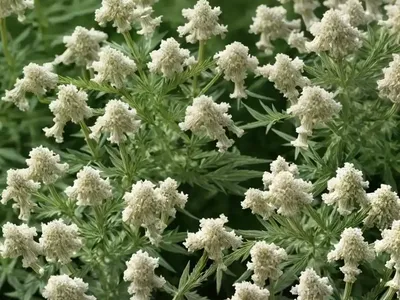
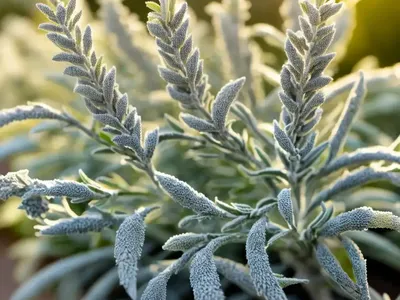
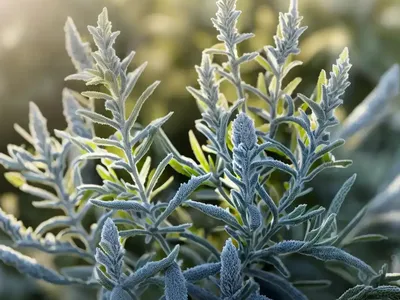
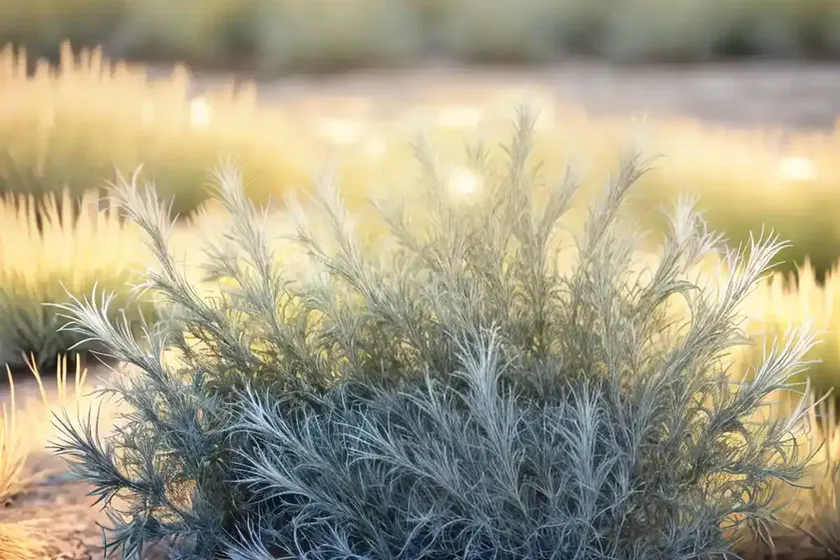
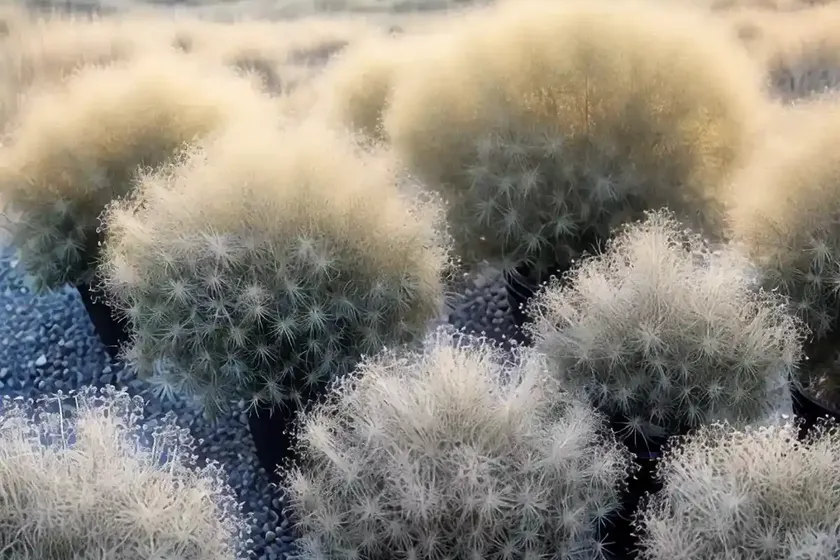
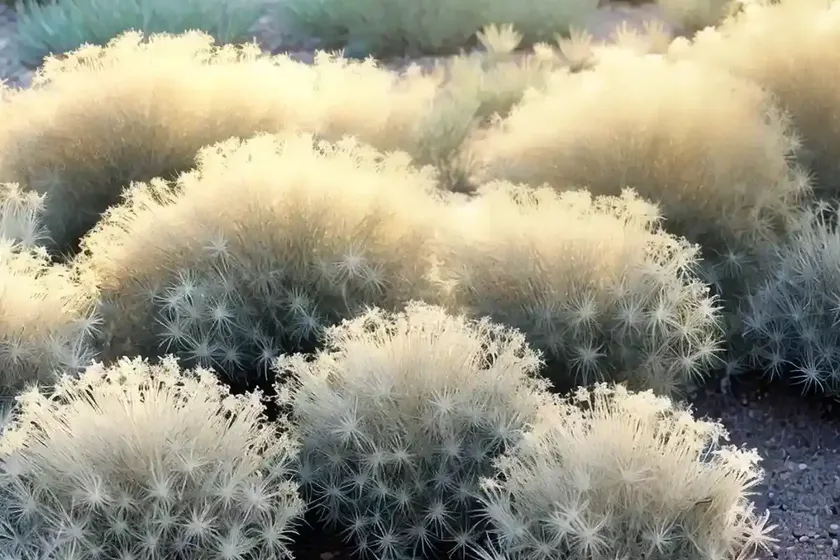
Ornamental Plant: The silvery-grey foliage and delicate, feathery texture of Artemisia frigida make it an attractive addition to gardens and landscapes. Its low maintenance requirements and drought tolerance make it a popular choice for xeriscaping and sustainable gardening.
-
Medicinal Herb: In traditional medicine, various parts of Artemisia frigida have been used to treat respiratory ailments, digestive issues, and skin conditions. It is also valued for its potential insect-repelling properties and as a natural remedy for certain ailments.
-
Ecological Restoration: Due to its ability to thrive in harsh environments and its role in erosion control, Artemisia frigida is increasingly used in prairie restoration, wildlife habitat enhancement, and sustainable land management.
Growing Artemisia frigida
Cultivating Artemisia frigida requires an understanding of its specific needs and preferences. From sunlight and soil conditions to watering and fertilization, catering to the plant’s requirements is essential for its healthy growth and development.
Water
Artemisia frigida is remarkably drought tolerant and prefers dry, well-drained soils. Once established, it requires minimal watering, making it an excellent choice for water-wise gardening and xeriscaping. Overwatering can lead to root rot and other issues, so it’s crucial to allow the soil to dry out between watering sessions, particularly in humid climates or areas with heavy clay soils.
Sunlight
Full sunlight is essential for the optimal growth and development of Artemisia frigida. It thrives in bright, sunny locations and may struggle in shaded or poorly lit areas. When selecting a site for planting, prioritize areas with ample sunlight throughout the day to ensure the plant’s vigor and resilience.
Fertilizer
Artemisia frigida is not a heavy feeder and generally does well in nutrient-poor soils. Excessive fertilization can lead to overly lush growth, compromising the plant’s natural resistance to pests and diseases. If necessary, a light application of a balanced, slow-release fertilizer in early spring can support healthy growth without overwhelming the plant with excess nutrients.
Soil
Well-drained, sandy or loamy soils are ideal for Artemisia frigida. It dislikes waterlogged conditions and thrives in soil with excellent drainage. If your soil tends to be heavy or compacted, consider amending it with organic matter such as compost or peat moss to enhance its structure and drainage capabilities.
Pruning
Pruning Artemisia frigida is primarily focused on maintaining its shape, preventing overcrowding, and rejuvenating older plants. In late winter or early spring, remove any dead or damaged growth and trim back overly vigorous branches to promote a more compact and tidy appearance. Avoid heavy pruning, as this can lead to a reduction in the plant’s natural form and visual appeal.
Propagation
Artemisia frigida can be propagated through various methods, including seed sowing, division, and stem cuttings. Each approach has its advantages and considerations, and choosing the most suitable method depends on your resources, timing, and specific goals for propagation.
Seed Sowing
Sowing Artemisia frigida seeds can be done in early spring, either directly in the garden or in containers indoors. Start by preparing a seedbed with well-drained soil, scatter the seeds lightly over the surface, and cover them with a thin layer of soil. Keep the area consistently moist until germination occurs, which typically takes around 2-3 weeks.
Division
Dividing established Artemisia frigida plants is an effective way to propagate the species and rejuvenate older clumps. In early spring or early fall, carefully dig up the plant and use a sharp knife or spade to divide the root ball into sections, ensuring that each division has a good balance of roots and foliage. Replant the divisions in prepared soil, water them thoroughly, and monitor their growth and establishment.
Stem Cuttings
Taking stem cuttings from healthy, vigorous Artemisia frigida plants is another viable propagation method. In late spring or early summer, select non-flowering stems and cut them into 3-4 inch sections. Remove the lower leaves, dip the cut ends in rooting hormone, and plant them in a well-draining rooting medium. Keep the cuttings consistently moist and provide them with a warm, bright environment to encourage root development.
Container Popularity
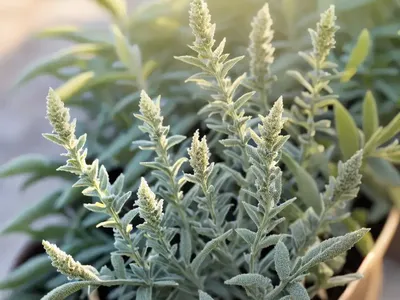
Artemisia frigida’s suitability for container cultivation makes it an appealing choice for individuals with limited garden space or those seeking to create distinctive arrangements on patios, balconies, or other outdoor areas. Its tolerance for dry conditions and its ornamental foliage make it a versatile addition to container gardens and landscape designs.
Container
When growing Artemisia frigida in containers, select pots with adequate drainage holes to prevent waterlogging and ensure proper aeration of the roots. Use a well-draining potting mix and water the plant thoroughly, allowing any excess water to drain freely from the container. Position the pots in sunny locations and monitor the soil moisture levels regularly to maintain optimal growing conditions.
Common Diseases
While Artemisia frigida is generally resistant to most common plant diseases, certain environmental stressors and poor cultural practices can leave it susceptible to certain issues. Understanding these potential diseases and their management is vital for maintaining the plant’s health and longevity.
Disease Diagnosis
-
Powdery Mildew: A common fungal disease that appears as a powdery white coating on the foliage. It thrives in humid conditions and can be managed through improved air circulation, selective pruning, and, if necessary, the application of fungicidal treatments.
-
Root Rot: Excessive moisture and poorly drained soils can lead to root rot, causing the plant to decline and wilt. To prevent this issue, ensure proper drainage, avoid overwatering, and consider amending the soil with materials that promote aeration and drainage.
-
Rust: Rust is characterized by orange, powdery pustules on the leaf undersides and may weaken the plant over time. Remove and dispose of affected foliage, improve air circulation, and consider applying suitable fungicidal treatments to manage the issue.
Common Pests
Artemisia frigida is relatively resistant to pest infestations, owing to its aromatic foliage and natural compounds that deter many common pests. However, certain insects may occasionally pose a threat to the plant, necessitating vigilance and prompt management measures.
-
Aphids: These sap-sucking insects can distort new growth and excrete a sticky substance known as honeydew. Rinse off aphids with a strong jet of water or consider introducing natural predators such as ladybugs to control their populations.
-
Spider Mites: Spider mites can cause stippling and webbing on the foliage, impacting the plant’s overall health. Avoid excessively dry conditions and use water to dislodge and manage spider mite infestations.
Botanist’s Tips
As a plant scientist with a deep appreciation for Artemisia frigida, I would like to share some valuable tips for cultivating and appreciating this remarkable species.
-
Embrace its Resilience: Artemisia frigida’s ability to thrive in challenging environments and its role in supporting wildlife make it a valuable addition to diverse landscapes and gardening projects.
-
Explore its Traditional Uses: Delve into the rich history of Artemisia frigida and its traditional medicinal, culinary, and folklore-related aspects.
-
Celebrate its Ecological Role: Recognize the plant’s contribution to ecological restoration, biodiversity, and sustainable land management initiatives.
Fun Facts
To further appreciate the unique characteristics of Artemisia frigida, here are some engaging and intriguing fun facts about this versatile plant.
-
Symbolism: In some native cultures, Artemisia frigida is associated with purification, protection, and resilience, symbolizing its enduring significance.
-
Sensory Delight: The aromatic foliage of Artemisia frigida releases a distinctive, pleasant fragrance when touched, adding sensory appeal to landscaping and gardening settings.
-
Global Presence: The species has been introduced to various regions beyond its native habitat, demonstrating its adaptability and relevance in diverse climates and ecosystems.
Links to External Resources
To expand your knowledge and exploration of Artemisia frigida, I highly recommend exploring the following external resources:
-
USDA Plant Guide: Artemisia frigida: A comprehensive resource providing in-depth information about the taxonomy, distribution, and ecological significance of Artemisia frigida.
-
Native Plant Database: Artemisia frigida: An interactive database offering insights into the native habitats, growing conditions, and ecological benefits of Artemisia frigida.
-
Medicinal Plant Database: Artemisia frigida: An extensive database highlighting the traditional uses and medicinal properties of Artemisia frigida in herbal medicine and alternative healing practices.
By engaging with these resources, you can deepen your understanding of Artemisia frigida and its multifaceted significance in various domains, from horticulture and ecology to traditional knowledge systems and sustainable practices.
In conclusion, Artemisia frigida, or Prairie Sagebrush, stands as a testament to the resilience, versatility, and cultural richness of plant species. Whether admired for its ornamental appeal, utilized for ecological restoration, or valued for its traditional uses, this remarkable plant continues to captivate and inspire enthusiasts, scientists, and conservationists alike. By embracing its unique attributes and diverse applications, we can foster a deeper appreciation for the invaluable contributions of Artemisia frigida to our natural and cultural landscapes.
As you embark on your journey with Artemisia frigida, may this guide serve as a source of inspiration and knowledge, illuminating the various dimensions of this extraordinary plant and encouraging a profound connection with the natural world.
References
1. “Prairy Sagebrush.” The State Herbarium of South Australia.,
2. “Growing Artemisia sp.” PennState Extension.
3. “Artemisia: From the Garden to the Brewery.” University of Illinois Extension.