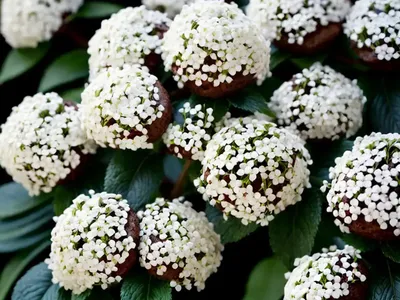
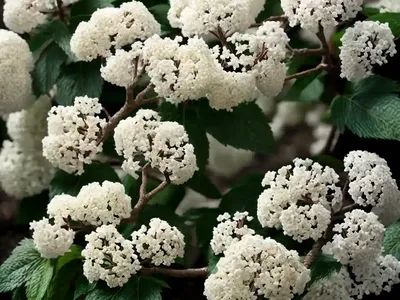
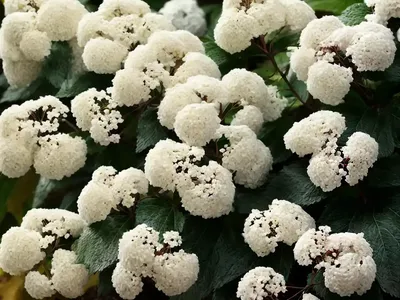
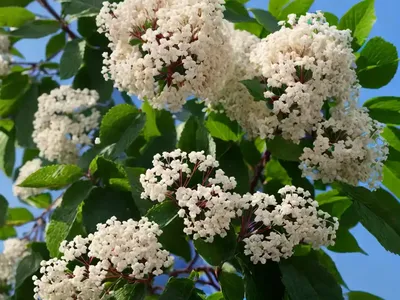
Arrowwood Viburnum (Viburnum Dentatum)
Introduction As a plant scientist, I’ve always been drawn to the diverse and fascinating world of plants. In this guide, we will explore the Arrowwood.
Introduction
As a plant scientist, I’ve always been drawn to the diverse and fascinating world of plants. In this guide, we will explore the Arrowwood Viburnum (Viburnum dentatum), a beautiful and versatile shrub that has captivated the interest of many gardening enthusiasts.
What is Arrowwood Viburnum (Viburnum dentatum)?
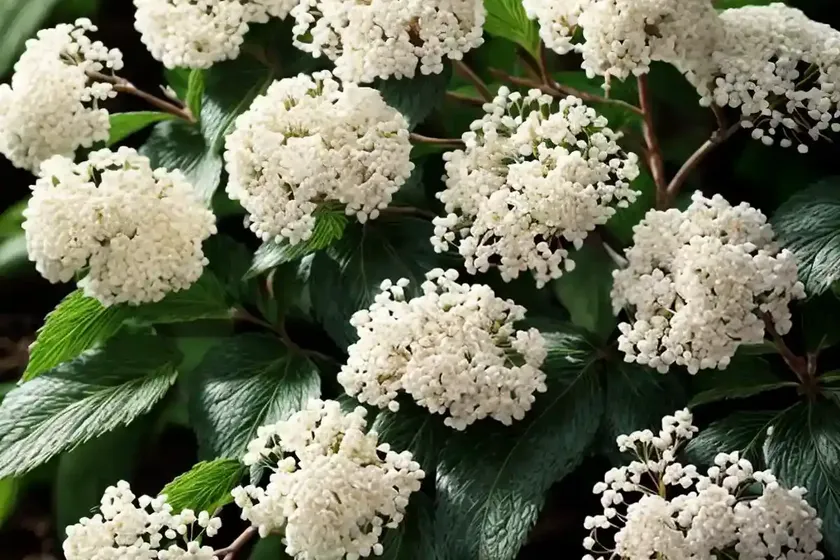
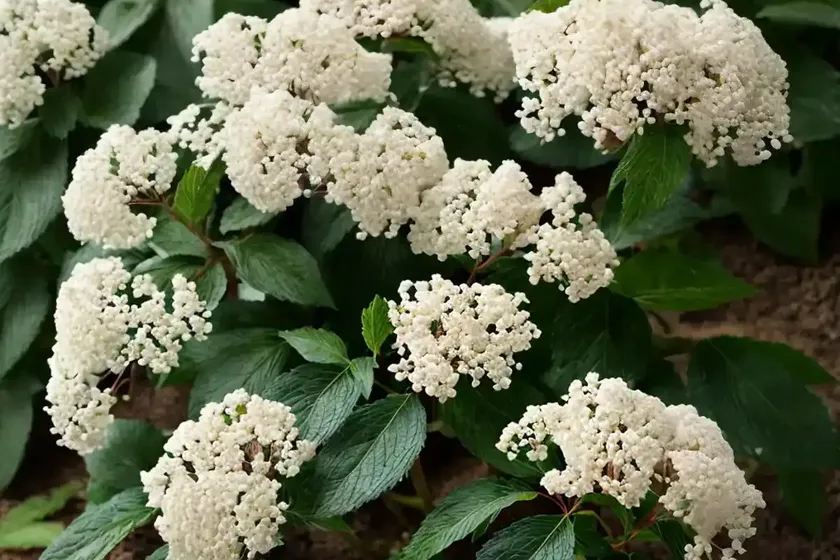
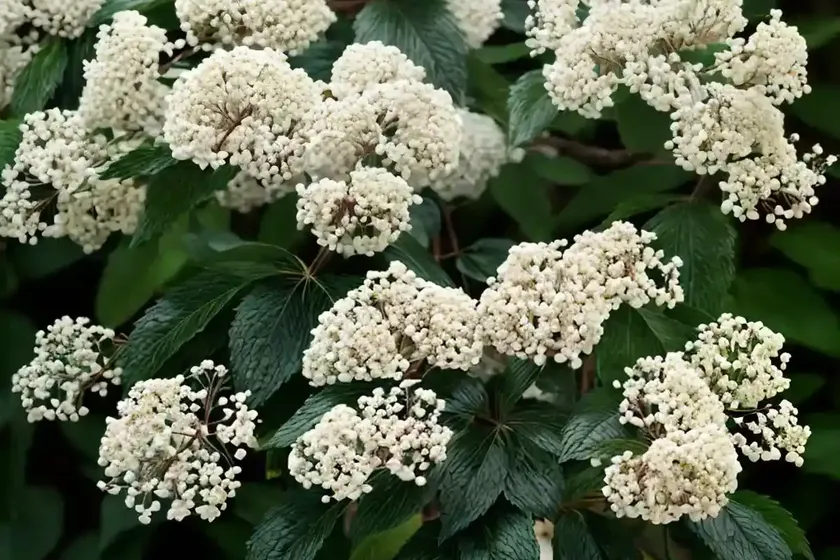
The Arrowwood Viburnum, scientifically known as Viburnum dentatum, is a deciduous shrub that belongs to the honeysuckle family (Caprifoliaceae). This native North American plant is popular for its dense, compact growth habit and attractive, glossy foliage. The shrub is named for its use in making arrows by Native American tribes, owing to its straight and slender stems.
Key Takeaways
Let’s explore the essential elements of cultivating and caring for Arrowwood Viburnum, including its culture, uses, water requirements, sunlight preferences, fertilizer needs, soil conditions, pruning techniques, propagation methods, and more. Through this comprehensive guide, you will gain valuable insights into maximizing the growth and health of this charismatic shrub.
Culture
Uses
Arrowwood Viburnum is highly valued for a variety of purposes, including:
- Ornamental Purposes: The shrub is widely utilized in landscaping for its dense foliage and attractive aesthetics, offering an excellent backdrop for garden beds or ornamental borders.
- Wildlife Habitat: Its berries serve as an important food source for birds and other wildlife, making it a valuable addition to wildlife gardens and naturalized landscapes.
- Erosion Control: With its vigorous root system and dense growth, Arrowwood Viburnum is effective in stabilizing soil and preventing erosion in landscapes.
Environmental Requirements
To ensure the healthy growth and development of Arrowwood Viburnum, it is essential to provide the appropriate environmental conditions, including water, sunlight, fertilizer, and soil.
Water
Arrowwood Viburnum exhibits moderate drought tolerance once established, but it thrives in well-drained soils with consistent moisture. During extended dry periods, supplemental watering is beneficial, especially for young plants or during the flowering and fruiting stages.
Sunlight
This shrub prefers full to partial sunlight, thriving in locations with at least 4-6 hours of direct sunlight each day. While it can tolerate partial shade, abundant sunlight promotes robust growth and flowering.
Fertilizer
Arrowwood Viburnum benefits from a balanced fertilizer application in early spring before new growth begins. A general-purpose, slow-release fertilizer with a balanced N-P-K ratio can support the plant’s nutritional needs. Adhering to the recommended application rates on the fertilizer label is crucial to prevent overfeeding, which can be detrimental to the shrub’s health.
Soil
The Arrowwood Viburnum thrives in moist, well-drained soils with a slightly acidic to neutral pH (pH 5.5-7.0). The soil should be rich in organic matter, promoting healthy root development and overall vitality. Mulching around the base of the shrub helps retain soil moisture and regulates soil temperature, contributing to its overall well-being.
Pruning
Pruning is an essential aspect of Arrowwood Viburnum maintenance, promoting a balanced and attractive growth habit while removing dead or diseased branches. Pruning is typically performed in late winter to early spring before new growth emerges. It is advisable to avoid excessive pruning, as it can impact the plant’s blooming potential and natural form.
Propagation
Arrowwood Viburnum can be propagated through various methods, including:
- Softwood Cuttings: Softwood cuttings taken in late spring to early summer can be rooted to propagate new plants.
- Hardwood Cuttings: Hardwood cuttings collected in late winter can also be used to propagate the shrub.
Container Popularity
The versatility and ornamental appeal of the Arrowwood Viburnum make it suitable for container gardening, adding visual interest to patios, balconies, and outdoor living spaces. When growing in containers, ensure proper drainage and select a potting mix tailored to woody shrubs to support healthy growth.
Common Diseases and Pests
Disease Diagnosis
Arrowwood Viburnum may be susceptible to certain diseases, including:
- Powdery Mildew: A common fungal disease that can affect the foliage, causing a powdery white coating and leading to leaf distortion and decline.
- Anthracnose: Another fungal disease that can cause leaf spots and defoliation in severe cases.
Preventative measures, such as providing good air circulation, avoiding overhead watering, and maintaining overall plant health, can minimize the risk of disease development.
Common Pests
The shrub is occasionally targeted by pests such as:
- Aphids: These sap-sucking insects can lead to distorted growth and reduced plant vigor.
- Scale Insects: Scale infestations can cause stunted growth and weakened plant condition.
Implementing proactive pest management practices, including regular inspection and appropriate insecticidal treatments, can help safeguard the Arrowwood Viburnum against potential pest-related issues.
Botanist’s Tips
Here are some valuable tips for cultivating and caring for Arrowwood Viburnum:
- Mulching: Applying a layer of organic mulch around the base of the shrub helps retain soil moisture, suppresses weed growth, and moderates soil temperature.
- Regular Inspections: Periodic monitoring for signs of insect infestations, disease symptoms, or abnormal growth can enable early intervention and prevent potential issues from escalating.
- Native Plant Benefits: As a native North American shrub, Arrowwood Viburnum contributes to local ecosystems by providing food and habitat for native wildlife species.
Fun Facts
- The common name “Arrowwood” is derived from the historically significant use of the shrub’s wood by Indigenous tribes for crafting arrows due to its straight and resilient stems.
- Arrowwood Viburnum’s vibrant autumn foliage adds a beautiful display of reddish-purple tones, enhancing its visual appeal in fall landscapes.
Links to External Resources
For additional insights and information on Arrowwood Viburnum, consider exploring the following resources:
- University of Florida IFAS Extension: Viburnum dentatum
- Missouri Botanical Garden: Viburnum dentatum
In conclusion, the Arrowwood Viburnum (Viburnum dentatum) stands as a versatile and visually appealing shrub with a range of valuable attributes for ornamental, ecological, and practical applications. By understanding and accommodating its specific cultural and environmental requirements, gardeners can foster the optimal growth and vitality of this captivating native plant. Whether used in landscape design, wildlife gardening, or container cultivation, the Arrowwood Viburnum continues to enthrall plant enthusiasts with its charm and adaptability.