The Mighty Canadian Hemlock (Tsuga canadensis ‘Jeddeloh’)
In the realm of majestic trees, the Canadian hemlock (Tsuga canadensis ‘Jeddeloh’) stands out as a resilient and striking addition to any landscape. Its graceful form, rich history, and adaptability make it a favorite among horticulturists, gardeners, and nature enthusiasts. In this comprehensive guide, we will delve into the characteristics, cultivation, benefits, and potential pitfalls of this remarkable conifer.
What is the Canadian Hemlock (Tsuga canadensis ‘Jeddeloh’)?
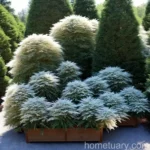
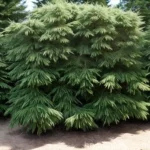
The Canadian hemlock, scientifically known as Tsuga canadensis, belongs to the family Pinaceae and is native to eastern North America. It is a hardy, evergreen conifer known for its graceful form, rich green needles, and conical shape. The ‘Jeddeloh’ variety of Canadian hemlock is particularly sought after for its compact size and dense foliage, making it an excellent choice for small gardens or as a specimen plant.
Key Takeaways – Canadian Hemlock (Tsuga canadensis ‘Jeddeloh’)
Here are some quick snapshots to pique your interest in the fascinating Canadian hemlock:
- Scientific Name: Tsuga canadensis ‘Jeddeloh’
- Size: Compact and dense, suitable for smaller gardens
- Hardiness Zone: Typically 3 to 7, but can vary based on specific cultivar
- Sunlight Preferences: Partial to full shade
- Water Requirements: Adequate moisture, particularly in hot and dry conditions
- Soil: Well-drained, acidic soil
- Uses: Ornamental specimen, hedging, and wildlife habitat
- Pruning: Minimal pruning required, primarily for shaping and maintenance
- Disease Resistance: Exhibits good resistance to some common conifer diseases
- Common Pests: Watch out for adelgids and spider mites
Let’s now explore in detail the various aspects of growing and caring for Canadian hemlock, from its cultural needs to potential diseases and pests.
Culture
Sunlight
Canadian hemlock thrives in partial to full shade, making it an excellent choice for woodland gardens or areas with dappled sunlight. Excessive exposure to direct sunlight, especially in hot climates, can lead to stress and potential decline. Therefore, it is essential to provide adequate shade, particularly during the hotter parts of the day.
Water
While Canadian hemlock is not particularly drought-tolerant, it does require consistent moisture, especially during its establishment phase. Ensure that the soil remains evenly moist, but not waterlogged, to promote healthy growth. Mulching around the base of the tree can help retain soil moisture and regulate temperature, particularly during periods of high heat.
Soil
This beautiful conifer thrives in well-drained, acidic soil, preferably with a pH range of 5.0 to 6.5. Amending the soil with organic matter, such as compost or peat moss, can help maintain moisture and improve soil structure, providing an ideal environment for the Canadian hemlock to flourish.
Uses
Ornamental Specimen
The compact and graceful nature of the Canadian hemlock, particularly the ‘Jeddeloh’ variety, makes it an exquisite choice as an ornamental specimen in gardens and landscapes. Its soft, dense foliage provides a striking year-round display, offering a splash of vibrant green in both formal and informal settings.
Hedging
Due to its dense growth habit and elegant form, Canadian hemlock can be utilized effectively as a hedging plant. Its lush foliage and moderate growth rate make it an attractive option for creating privacy screens or defining garden boundaries. When used as a hedge, it offers a natural and visually pleasing alternative to traditional fencing.
Wildlife Habitat
Beyond its aesthetic appeal, the Canadian hemlock serves an essential ecological function by providing shelter and food for various forms of wildlife. Its dense branches offer nesting sites for birds, while the seeds and foliage serve as a food source for several species of wildlife, contributing to the overall biodiversity of the surrounding environment.
Fertilizer
Canadian hemlock generally does not have high fertilizer requirements, particularly when planted in nutrient-rich soil. However, if the tree exhibits signs of nutrient deficiency, such as stunted growth or yellowing needles, a slow-release, balanced fertilizer specifically formulated for acid-loving plants can be applied in spring. It is crucial to follow the manufacturer’s recommendations regarding application rates and timing.
Pruning
Pruning Canadian hemlock is minimal but can be necessary for shaping and maintaining its form. Aim to minimize any heavy or corrective pruning, as these trees may not respond well to extensive cutbacks. Regular removal of dead or diseased branches, as well as light shaping, can be conducted in late winter or early spring to encourage healthy growth and maintain the desired appearance.
Propagation
Canadian hemlock can be propagated through various methods, including seeds, cuttings, and grafting. However, it is essential to note that propagation by seeds can be a time-consuming process, as these trees typically do not produce seeds until they are around 20 years old. For faster and more reliable propagation, taking semi-hardwood cuttings in late summer to early autumn and providing the appropriate environmental conditions can yield successful results.
Container Popularity
The compact nature of the ‘Jeddeloh’ variety makes it an appealing choice for container gardening, allowing individuals with limited space to enjoy the beauty and grace of the Canadian hemlock in a patio or urban setting. When grown in containers, it is crucial to monitor moisture levels carefully, as containers can dry out more rapidly than ground soil. Additionally, select a potting mix specifically designed for acid-loving plants to ensure optimal growth and performance.
Common Diseases
Disease Diagnosis
While Canadian hemlock is generally considered resilient to many common diseases affecting conifers, it can still be vulnerable to certain conditions, especially in stressed or suboptimal growing environments. Some common diseases to watch out for include:
- Needle Blight: Caused by fungal pathogens, needle blight can result in discolored and prematurely shed needles, affecting the overall health and appearance of the tree.
- Rust Diseases: Various rust fungi can impact hemlock trees, leading to the formation of characteristic spore-bearing structures on the needles and branches.
- Root Rot: Excessive soil moisture, particularly in poorly drained soils, can lead to root rot, causing decline and eventual death of the tree.
Diagnosing specific diseases requires careful observation and, in some cases, professional assistance to identify the underlying cause and implement appropriate management strategies.
Common Pests
Botanist’s Tips
As with any plant, prevention is crucial in maintaining the health and vigor of Canadian hemlock. Here are some botanist’s tips to ensure your hemlocks remain in great condition and thrive:
- Monitor Soil Moisture: Ensure that the soil remains consistently moist but not waterlogged, particularly during dry periods.
- Prune with Care: Limit extensive pruning, especially during the active growing season, to minimize stress on the tree.
- Inspect Regularly: Conduct routine inspections to detect any signs of disease or pest infestations early, allowing for timely intervention and management.
Fun Facts
-
The Canadian hemlock is not a true member of the Hemlock genus (Tsuga) but was misidentified as such due to its visual similarities to actual hemlock trees.
-
The long, elegant branches of the Canadian hemlock make it an excellent option for creating festive winter decorations, such as wreaths and garlands, adding a touch of natural beauty to seasonal festivities.
-
Despite the name, the Canadian hemlock is not exclusive to Canada but is widespread across eastern North America, from Canada to the Appalachian Mountains in the United States.
Plant Name: “Canadian hemlock (Tsuga canadensis ‘Jeddeloh’)”
Links to External Resources
For further information on the Canadian hemlock and related topics, the following external resources provide valuable insights and guidance:
- The American Conifer Society
- University of Connecticut Plant Database – Tsuga canadensis
- USDA Forest Service – Canadian Hemlock
- Arnold Arboretum – Hemlock Hill
- North Carolina State Extension – Canadian Hemlock
- Penn State Extension – Plant Disease Identification
In conclusion, the Canadian hemlock (Tsuga canadensis ‘Jeddeloh’) stands as more than just a visually appealing tree; it is a symbol of resilience, grace, and ecological significance. It enriches its surroundings with its beauty and provides essential habitat for various forms of wildlife. By understanding and respecting its cultural needs, utilizing the right cultivation techniques, and remaining vigilant against potential threats, we can continue to enjoy the magnificence of the Canadian hemlock for generations to come.