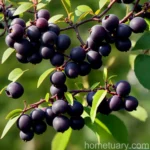
Aronia arbutifolia ‘Brilliantissima’ (Red Chokeberry)
What is Aronia arbutifolia ‘Brilliantissima’?
Aronia arbutifolia ‘Brilliantissima’, commonly known as Red Chokeberry, is a deciduous shrub that belongs to the Rosaceae family. It is native to the eastern United States and is known for its stunning red foliage, white spring flowers, and vibrant red berries. The botanical name, Aronia arbutifolia, is derived from the Greek words “aria” and “chokes,” referring to the astringent taste of the berries. ‘Brilliantissima’ is a specific cultivar known for its brilliant red autumn foliage, making it a popular choice for landscape design.
This blog post will provide comprehensive insights into the culture, uses, pruning, propagation, and maintenance of Aronia arbutifolia ‘Brilliantissima’, as well as its disease resistance, wildlife attractant properties, and much more. Whether you’re a gardening enthusiast, a professional landscaper, or simply intrigued by horticulture, this comprehensive guide will help you understand and appreciate the beauty of this versatile plant.
Key Takeaways – Aronia arbutifolia ‘Brilliantissima’
Before diving into the specifics, let’s outline some key takeaways about Aronia arbutifolia ‘Brilliantissima’ to pique your interest and provide a brief overview of its characteristics and uses.
- A versatile deciduous shrub with stunning red autumn foliage
- Celebrated for its white spring flowers and vibrant red berries
- Suitable for landscaping, wildlife gardens, and ornamental purposes
- Low maintenance and adaptable to various soil types
- Offers wildlife attractant qualities and is a source of edible berries
- Pruning and propagation techniques can promote healthy growth
- Resistant to many diseases and tolerant of various environmental conditions
Now, let’s delve deeper into the various aspects of caring for and cultivating Aronia arbutifolia ‘Brilliantissima’.
Culture
Uses
Aronia arbutifolia ‘Brilliantissima’ has a wide range of uses, making it an incredibly versatile addition to gardens, landscapes, and natural areas. Consider these common uses when incorporating Red Chokeberry into your horticultural endeavors:
-
Ornamental Purposes: The vibrant red foliage of ‘Brilliantissima’ during the autumn season adds a striking visual element to any landscape. Its white spring flowers and red berries also contribute to its ornamental appeal, making it a popular choice for residential and commercial landscaping projects.
-
Wildlife Gardens: This shrub serves as a valuable addition to wildlife gardens, attracting birds with its berries and providing habitat for various forms of wildlife. The nectar-rich flowers also support beneficial pollinators, such as bees and butterflies.
-
Erosion Control: Due to its dense, fibrous root system, Red Chokeberry is effective in preventing soil erosion, making it an excellent choice for stabilizing slopes and areas prone to erosion.
-
Edible Berries: While the berries of Aronia arbutifolia ‘Brilliantissima’ are astringent and generally not consumed raw, they can be used for making jams, jellies, sauces, and teas. Their high levels of antioxidants have also contributed to the rising interest in using them for their potential health benefits.
-
Naturalizing Landscapes: In more natural or wildscape settings, Red Chokeberry can be used to enhance and support the ecology by providing food and habitat for wildlife.
When planning to incorporate Aronia arbutifolia ‘Brilliantissima’ into your landscape, consider these various uses to maximize its benefits and visual appeal.
Water
Aronia arbutifolia ‘Brilliantissima’ exhibits good tolerance to various moisture conditions, making it adaptable to both wet and well-drained soils. However, during the initial establishment phase, it’s important to provide adequate watering to ensure the plant’s root system develops robustly.
-
Establishment Phase: Newly planted Red Chokeberry shrubs require regular watering to aid in root establishment. Provide consistent moisture, ensuring that the soil doesn’t become waterlogged or overly dry.
-
Mature Plants: Once established, Aronia arbutifolia ‘Brilliantissima’ demonstrates good drought tolerance. However, infrequent deep watering during prolonged dry periods is advisable, especially in conditions where natural rainfall is limited.
By understanding the plant’s water requirements and adapting to its stages of growth, you can effectively support the health and vitality of Aronia arbutifolia ‘Brilliantissima’ within your landscape.
Sunlight
The sun exposure preferences of Aronia arbutifolia ‘Brilliantissima’ are crucial factors to consider when determining the best planting locations. Understanding its sunlight requirements allows for optimal growth and ensures the plant’s striking visual features are maintained.
-
Full Sun to Partial Shade: Red Chokeberry performs best when planted in full sun to partial shade. While it can tolerate some shade, providing ample sunlight encourages prolific flowering and fruiting, as well as vibrant autumn foliage coloration.
-
Optimal Light Conditions: When selecting planting sites, aim to provide at least 6 hours of direct sunlight daily. This ensures that the plant can photosynthesize efficiently and develop its signature red berries and foliage.
By choosing suitable locations that align with the plant’s sunlight preferences, you can foster healthy growth and vibrant displays of color from Aronia arbutifolia ‘Brilliantissima’.
Fertilizer
Aronia arbutifolia ‘Brilliantissima’ typically thrives in various soil types and doesn’t demand high levels of fertility. However, understanding its fertilizer requirements, especially during the initial stages of growth, can promote optimal establishment and long-term health.
-
Early Spring Fertilization: During the plant’s early growth stages, a slow-release balanced fertilizer can be applied in early spring to bolster its establishment. Select a fertilizer with a balanced NPK (nitrogen, phosphorus, and potassium) ratio to support overall growth and development.
-
Moderate Nutrient Requirements: Red Chokeberry generally adapts well to moderately fertile soils and can flourish without heavy fertilization. However, in poor or nutrient-depleted soils, a light application of a balanced fertilizer can be beneficial.
-
Avoid Excessive Fertilization: While periodic fertilization can support the plant’s vigor, it’s important to avoid overfeeding, as excessive nutrients can lead to imbalanced growth and reduced flowering and fruiting.
Understanding the appropriate timing and dosage for fertilization enables you to provide Aronia arbutifolia ‘Brilliantissima’ with the nutrients it needs for healthy development.
Soil
Aronia arbutifolia ‘Brilliantissima’ is adaptable to a range of soil types, displaying resilience in varying conditions. Understanding the plant’s soil preferences and making necessary amendments can support its growth and vitality.
-
Well-Drained Soil: Red Chokeberry thrives in well-drained soils and showcases good adaptability to both acidic and alkaline soil pH. Providing well-drained conditions prevents waterlogging and aids in root health.
-
Organic Matter: Amending the planting area with organic matter, such as compost or well-rotted manure, can improve soil structure and fertility. This is particularly beneficial when dealing with poor or compacted soils.
-
Avoid Waterlogged Sites: While Aronia arbutifolia ‘Brilliantissima’ tolerates moisture, it’s essential to avoid planting in consistently waterlogged areas, as prolonged periods of excess moisture can lead to root rot and other issues.
By selecting appropriate soil types and making necessary modifications, you can create an ideal growing environment for Red Chokeberry to thrive.
Pruning
Proper pruning techniques are essential for maintaining the structure, health, and aesthetic appeal of Aronia arbutifolia ‘Brilliantissima’. When executed correctly, pruning can promote robust growth, improved flowering, and the development of vibrant autumn foliage.
-
Early Spring Pruning: Conducting pruning in early spring, before new growth emerges, is generally recommended. This allows for the removal of dead, damaged, or overgrown branches without compromising the plant’s overall vigor.
-
Thinning and Shaping: Thin out congested growth and shape the plant to maintain an open and balanced form. This promotes better air circulation, light penetration, and the development of a healthy framework.
-
Post-Flowering Pruning: If necessary, light pruning following the spring flowering period can help maintain the plant’s shape and overall appearance. Remove spent flower clusters and any unruly growth to encourage a tidy and attractive silhouette.
-
Annual Maintenance: Regularly inspect the plant for any dead or diseased branches, and promptly remove them to prevent the spread of pathogens. Proper maintenance via selective pruning can contribute to the plant’s long-term health and visual appeal.
By mastering the art of pruning and understanding the specific needs of Aronia arbutifolia ‘Brilliantissima’, you can cultivate well-structured and visually stunning shrubs within your landscape.
Propagation
Aronia arbutifolia ‘Brilliantissima’ can be propagated through various methods, allowing for the expansion of its presence in gardens and naturalized areas. Understanding the propagation techniques enables enthusiasts and horticulturalists to create new plants from existing specimens.
-
Seed Propagation: While less commonly utilized due to the potential variation in seed-grown plants, propagating from seeds is a viable option. Collect ripe berries in the fall, extract the seeds, and stratify them for several months before sowing them in a prepared seedbed.
-
Softwood Cuttings: Propagation from softwood cuttings taken during the active growing season can yield rapid and reliable results. Select healthy, non-flowering shoots, and root them in a well-draining medium under controlled environmental conditions.
-
Division: Mature Aronia arbutifolia ‘Brilliantissima’ shrubs can be divided by carefully separating the root mass into sections, each containing viable roots and shoots. This method allows for the creation of new plants from established specimens.
-
Grafting: Utilizing compatible rootstocks and scion material, grafting can be employed to propagate specific cultivars and maintain their unique characteristics. This method is commonly used in commercial horticulture to ensure the consistent traits of ‘Brilliantissima’.
By exploring the various propagation methods and selecting the most suitable approach, you can expand the presence of this striking shrub within your landscape or incorporate it into new horticultural projects.
Container Popularity
In addition to its use in traditional landscape settings, Aronia arbutifolia ‘Brilliantissima’ has gained popularity as a container plant, offering an array of benefits and opportunities for creative gardening endeavors.
-
Compact Growth Habit: The relatively compact and rounded growth habit of ‘Brilliantissima’ makes it well-suited for container cultivation. Its manageable size allows it to thrive in various container sizes, making it adaptable to different spaces.
-
Seasonal Displays: Containers filled with Red Chokeberry can provide dynamic seasonal displays, with the plant’s white spring blossoms, lush summer foliage, and vibrant autumn colors adding visual interest to patios, balconies, and other outdoor areas.
-
Adaptability: Container-grown Aronia arbutifolia ‘Brilliantissima’ can be moved and positioned to suit changing seasonal requirements or design preferences, offering flexibility in creating attractive outdoor arrangements.
-
Wildlife Gardens: Even in a containerized form, Red Chokeberry can attract beneficial insects and birds, contributing to the creation of miniature wildlife-friendly habitats in urban and compact spaces.
By embracing the versatility and adaptability of container cultivation, enthusiasts can integrate the beauty and benefits of Aronia arbutifolia ‘Brilliantissima’ into diverse urban and suburban settings.
Container Common Diseases
While container cultivation can offer various advantages, it’s essential to be mindful of potential diseases that may affect Aronia arbutifolia ‘Brilliantissima’ when grown in containers.
-
Root Rot: Prolonged moisture and poor drainage in container soil can lead to root rot, causing the plant to exhibit wilting, yellowing foliage, and overall decline. Providing well-draining soil and appropriate watering practices can help prevent this issue.
-
Anthracnose: Fungal diseases such as anthracnose may affect the foliage and branches of container-grown Red Chokeberry, causing dark lesions, leaf spots, and defoliation in severe cases. Proper air circulation and preventive fungicidal treatments can mitigate this concern.
-
Powdery Mildew: A common issue in container plants, powdery mildew can appear as a white, powdery coating on the leaves of Aronia arbutifolia ‘Brilliantissima’. Maintaining proper spacing between plants, optimizing air circulation, and employing fungicidal sprays when necessary can help manage this disease.
By remaining vigilant and implementing proactive measures, container gardeners can help mitigate the risk of diseases affecting their Red Chokeberry specimens, ensuring their long-term health and visual appeal.
Disease Diagnosis
Understanding how to identify and manage common diseases that affect Aronia arbutifolia ‘Brilliantissima’ is essential for maintaining the plant’s overall health and vigor.
-
Visual Symptoms: When inspecting the shrub for signs of disease, look for visual symptoms such as leaf spots, wilting foliage, discoloration, abnormal growth, or the presence of fungal or bacterial growth on the plant’s surfaces.
-
Diagnostic Resources: Utilize reputable horticultural resources, extension services, or local garden centers to aid in identifying potential diseases affecting Red Chokeberry. Accurate diagnosis is crucial for implementing targeted and effective management strategies.
-
Cultural and Preventive Practices: Once a disease is identified, it’s important to address underlying cultural issues, such as moisture levels, soil conditions, and overall plant health. Implement preventive measures to minimize the risk of recurrence and spread of the disease.
By honing your observational skills and seeking expert guidance when needed, you can effectively diagnose and address potential diseases affecting Aronia arbutifolia ‘Brilliantissima’ to ensure its continued vitality.
Common Pests
While Red Chokeberry is generally resistant to many pests, it can occasionally encounter issues with certain insects. Familiarizing yourself with common pests and their management strategies can help safeguard the health and appearance of your plants.
-
Aphids: These small, sap-sucking insects can cluster on the tender shoots and underside of leaves, causing distortion, stunted growth, and the secretion of sticky honeydew. Use insecticidal soaps or horticultural oils to control aphid populations if necessary.
-
Spider Mites: Spider mites are tiny arachnids that can cause stippling, discoloration, and webbing on the foliage of plants. Regularly inspect the undersides of leaves and apply miticides or natural predators to manage spider mite infestations.
-
Scale Insects: Scale insects can appear as immobile, waxy coverings on the stems and leaves of Red Chokeberry, leading to weakened growth and the excretion of honeydew. Use horticultural oils or systemic insecticides to combat scale populations effectively.
By monitoring your plants for signs of pest activity and employing targeted control measures, you can help maintain the resilience and beauty of Aronia arbutifolia ‘Brilliantissima’ in the face of potential pest challenges.
Botanist’s Tips
Incorporating the following botanist’s tips into your approach to growing and caring for Aronia arbutifolia ‘Brilliantissima’ can enhance your success and enjoyment of this exceptional plant.
-
Selecting Planting Sites: When choosing locations for Red Chokeberry, prioritize well-drained areas with exposure to adequate sunlight. Position the shrub thoughtfully to account for its mature size and visual impact.
-
Mulching Practices: Apply a layer of organic mulch around the base of the shrub to conserve moisture, suppress weed growth, and maintain consistent soil temperatures. Maintain a gap between the mulch and the main stem to prevent potential rotting issues.
-
Regular Inspection: Routinely examine your Red Chokeberry plants for signs of issues, including diseases, pests, and any structural anomalies. Early detection allows for prompt intervention and preventive measures.
-
Native Plant Pairings: Consider incorporating native companion plants alongside Aronia arbutifolia ‘Brilliantissima’ to enhance ecological benefits, support local wildlife, and promote a harmonious and diverse landscape.
-
Seasonal Maintenance: Schedule regular maintenance tasks, such as pruning, feeding, and mulch replenishment, to coincide with the plant’s seasonal growth patterns. This promotes ongoing health and vitality.
-
Educational Resources: Stay informed about horticultural best practices, native plant advocacy, and ecological gardening by accessing educational resources through botanical gardens, native plant societies, and reputable online publications.
By integrating these tips into your plant care routine, you can elevate your gardening endeavors and foster a thriving and visually captivating display of Aronia arbutifolia ‘Brilliantissima’ within your landscape.
Fun Facts
-
The brilliant red berries of Aronia arbutifolia ‘Brilliantissima’ are often a favorite food source for birds during the winter months, providing essential sustenance in colder climates.
-
Native American tribes historically utilized various parts of the Red Chokeberry plant for medicinal and culinary purposes, harnessing its natural properties for healing and sustenance.
-
The astringency of the berries, which can be overwhelming when consumed fresh, diminishes when used in cooking or processing, making them suitable for jams, jellies, and other culinary applications.
-
The striking autumn foliage of ‘Brilliantissima’ has earned it acclaim as a top ornamental choice for bringing a vivid splash of color to landscapes and gardens during the fall season.
-
In addition to its visual appeal and ecological benefits, the flowers of Red Chokeberry contribute nectar to support essential pollinators, enhancing the biodiversity of its surrounding environment.
These captivating and enlightening facts provide a glimpse into the rich history, ecological value, and cultural significance of Aronia arbutifolia ‘Brilliantissima’, adding depth and appreciation to its botanical allure.
Links to External Resources
To further explore the world of Aronia arbutifolia ‘Brilliantissima’ and expand your knowledge and appreciation for this exceptional plant, consider delving into the following external resources:
By engaging with these reputable resources, you can deepen your understanding of Red Chokeberry, gain insights from botanical experts, and access valuable information to guide your cultivation and appreciation of Aronia arbutifolia ‘Brilliantissima’.
In conclusion, Aronia arbut