Acer Palmatum ‘Orange Dream’ (Japanese Maple)
Acer palmatum ‘Orange Dream’, commonly known as Japanese Maple ‘Orange Dream’, is a stunning and versatile plant that has captivated the hearts of garden.
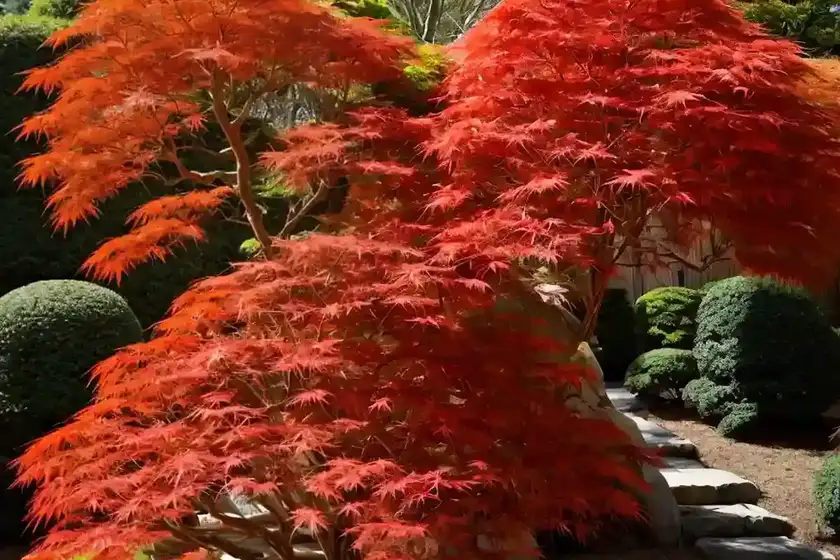
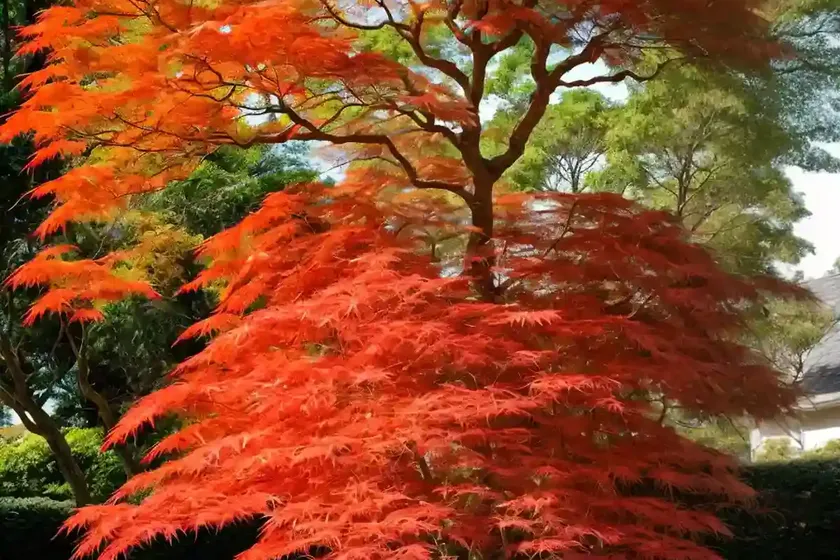
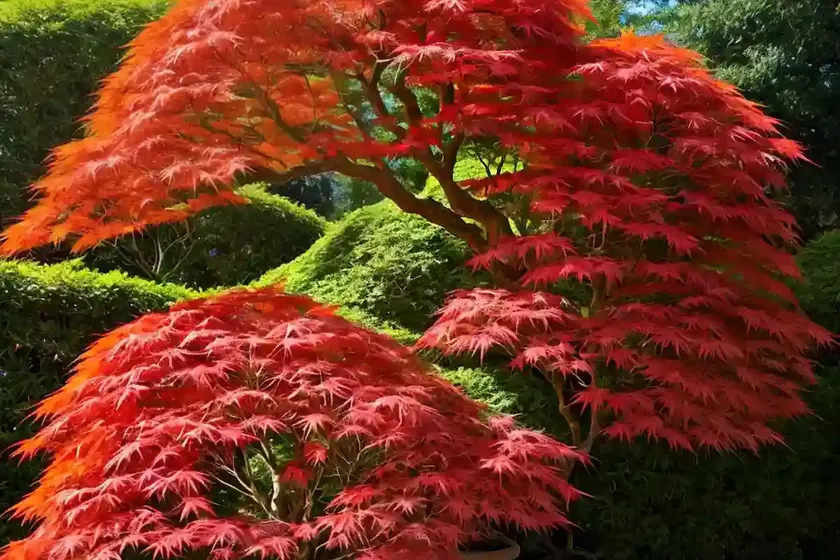
Acer palmatum ‘Orange Dream’, commonly known as Japanese Maple ‘Orange Dream’, is a stunning and versatile plant that has captivated the hearts of garden enthusiasts and landscape designers around the world. Its exquisite foliage, attractive color variations, and graceful growth habits make it a prized addition to any garden or landscape. In this comprehensive guide, we will delve into the fascinating world of Acer palmatum ‘Orange Dream’, exploring its description, key characteristics, optimal growing conditions, care tips, propagation methods, common uses in landscaping, and much more.
What is Acer palmatum ‘Orange Dream’?
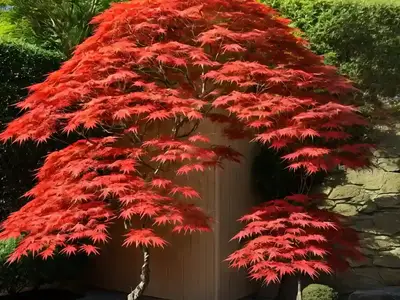
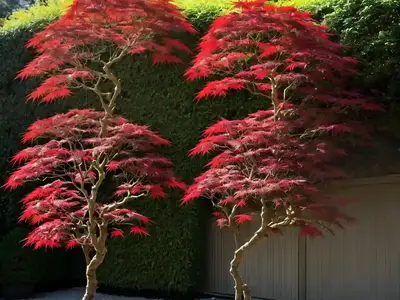
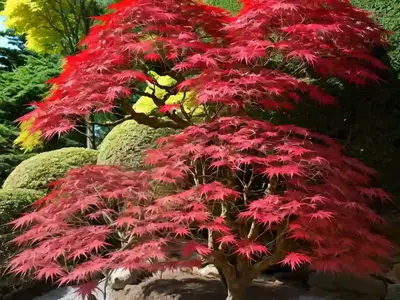
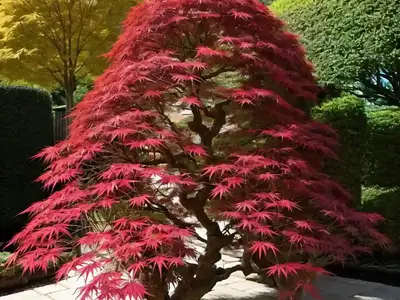
Acer palmatum, also known as Japanese Maple, is a species of woody plant native to Japan, Korea, and China. It belongs to the family Aceraceae and is widely cultivated for its ornamental value. ‘Orange Dream’ is a cultivar within the Acer palmatum species, renowned for its vibrant foliage that emerges with striking orange and yellow tones in spring, transitions to green with creamy margins in summer, and transforms into a magnificent display of yellow, orange, and red hues in fall.
Acer palmatum ‘Orange Dream’ Description
The ‘Orange Dream’ variety is celebrated for its delicate, deeply lobed leaves and compact, upright growth habit. Its leaves showcase an array of colors, with the young foliage displaying vivid orange tones that gradually mature into a variegated blend of golden-yellow and lime-green. This striking coloration evolves throughout the seasons, offering a dynamic and ever-changing visual appeal.
Characterized by its elegant and refined appearance, ‘Orange Dream’ Japanese Maple is a deciduous shrub or small tree that typically reaches a height of 6-8 feet and a spread of 4-6 feet at maturity. Its compact nature makes it an ideal choice for small gardens, containers, and ornamental focal points in landscapes.
Key Takeaways – Acer palmatum ‘Orange Dream’ (Japanese Maple)
Culture
Japanese Maple ‘Orange Dream’ thrives in a culture that appreciates its unique features and provides the necessary care to support its growth and vitality. Understanding its cultural requirements is essential for cultivating this exceptional plant successfully.
Uses
- Ornamental Focal Point: The vibrant foliage and graceful form make ‘Orange Dream’ Japanese Maple an excellent choice for creating focal points in gardens and landscapes.
- Container Planting: Its compact size and visually captivating leaves make it an ideal candidate for container gardening, allowing enthusiasts to enjoy its beauty on patios, balconies, and small outdoor spaces.
Water
Proper watering is crucial to the health and vigor of Acer palmatum ‘Orange Dream’. Maintaining adequate soil moisture without waterlogging and adjusting watering frequency based on environmental conditions are essential practices for promoting optimal growth and foliar health.
Sunlight
‘Orange Dream’ Japanese Maple thrives in partial shade to full sun conditions. While it appreciates dappled sunlight that protects its leaves from scorching, it can also adapt to full sun exposure in regions with moderate climates, provided that the soil remains consistently moist.
Fertilizer
Fertilizing Japanese Maple ‘Orange Dream’ contributes to its overall vitality and foliar coloration. Selecting a balanced, slow-release fertilizer designed for acid-loving plants and applying it in accordance with the recommended dosage and frequency can enhance the plant’s growth and aesthetic appeal.
Soil
Well-draining, loamy soil with a slightly acidic to neutral pH level is ideal for Acer palmatum ‘Orange Dream’. The soil should offer good aeration and moisture retention while preventing waterlogging, creating the optimal substrate for the plant’s root development and nutrient uptake.
Pruning
Pruning Acer palmatum ‘Orange Dream’ serves multiple purposes, including shaping its growth, removing dead or damaged branches, and enhancing its overall appearance. Proper pruning techniques, timing, and tools are essential for maintaining the plant’s health and promoting its natural form.
Propagation
The propagation of Japanese Maple ‘Orange Dream’ can be achieved through various methods, including seed propagation, softwood cuttings, and grafting. Each propagation technique requires attention to detail and adherence to specific practices to ensure successful establishment and growth of new plants.
Container Popularity
The compact size and ornamental value of ‘Orange Dream’ Japanese Maple make it a popular choice for container gardening. Its adaptability to container environments allows gardeners to incorporate this exquisite plant into diverse settings, from small urban spaces to expansive landscapes.
Common Diseases
Although relatively resilient, Acer palmatum ‘Orange Dream’ may experience certain diseases under unfavorable conditions. Understanding common diseases such as leaf spot and anthracnose enables proactive management and preventive measures to safeguard the plant’s health.
Disease Diagnosis
Early detection and accurate diagnosis of diseases affecting ‘Orange Dream’ Japanese Maple are crucial for implementing effective treatment strategies and minimizing the impact on the plant’s vitality. Learning to identify symptoms and signs of common diseases enhances the ability to address issues promptly.
Common Pests
Certain pests, such as aphids and scale insects, may pose occasional challenges to the well-being of Acer palmatum ‘Orange Dream’. Vigilance, prompt intervention, and proactive pest management practices help protect the plant from pest-related damage.
Botanist’s Tips
Insights from botanists and horticultural experts offer valuable guidance on cultivating, maintaining, and appreciating the unique qualities of ‘Orange Dream’ Japanese Maple. Embracing their tips and recommendations can enrich the experience of growing this exceptional plant.
Fun Facts
Exploring fascinating and lesser-known facts about Acer palmatum ‘Orange Dream’ adds an element of intrigue and appreciation for its innate beauty and botanical characteristics. Uncovering the plant’s unique traits and historical significance enhances the connection with this captivating species.
Links to External Resources
For further exploration and comprehensive information on Acer palmatum ‘Orange Dream’, external resources from reputable botanical organizations, horticultural societies, and academic sources provide valuable insights and guidance for enthusiasts, professionals, and researchers.
Acer palmatum ‘Orange Dream’ is a plant of unparalleled elegance, charm, and versatility, contributing dynamic and captivating elements to gardens, landscapes, and botanical collections. Understanding its culture, uses, optimal growing conditions, and maintenance practices is essential for fostering its vitality and appreciating its enduring beauty throughout the seasons.
In the subsequent sections, we will delve deeper into the nuances of cultivating and caring for Acer palmatum ‘Orange Dream’, offering practical guidance, expert tips, and captivating insights into the world of this exceptional Japanese Maple variety.
Acer palmatum ‘Orange Dream’ – Cultivating Elegance and Distinction
As we embark on the journey of exploring the enchanting realm of Acer palmatum ‘Orange Dream’, we immerse ourselves in the intricate details of its description, key characteristics, and the optimal conditions that contribute to its remarkable growth and visual allure. Let us delve into the fascinating world of this exceptional Japanese Maple variety and unravel the secrets of cultivating elegance and distinction in our garden and landscape settings.
Acer palmatum ‘Orange Dream’ Description
Japanese Maple ‘Orange Dream’ Characteristics
Acer palmatum ‘Orange Dream’ is celebrated for its exquisite foliage and graceful growth habits, which set it apart as a distinctive and captivating addition to gardens and landscapes. The key characteristics of this exceptional variety encompass the following traits:
- Foliage: The leaves of ‘Orange Dream’ Japanese Maple are deeply lobed and emerge with vibrant shades of orange in spring, gradually transitioning to a variegated blend of golden-yellow and lime-green in summer. The fall display features a spectacular array of yellow, orange, and red hues, creating a breathtaking seasonal show.
- Form: With its compact, upright growth habit, ‘Orange Dream’ presents a graceful and elegant silhouette that adds a touch of refinement to any setting. Its modest size and delicate appearance make it an ideal choice for both small and large landscapes.
- Size: At maturity, Acer palmatum ‘Orange Dream’ typically reaches a height of 6-8 feet and a spread of 4-6 feet, offering a compact yet impactful presence in garden beds, borders, and container plantings.
- Color Variations: The color variations of ‘Orange Dream’ Japanese Maple leaves captivate the eye with their dynamic interplay of orange, yellow, green, and red tones, showcasing an ever-changing palette that evolves with the seasons.
Growing Acer palmatum ‘Orange Dream’
Cultivating the captivating beauty of Acer palmatum ‘Orange Dream’ requires attention to its specific growing requirements and an appreciation for the unique attributes that contribute to its visual appeal. Creating an environment that supports the plant’s vitality and showcases its ornamental features is essential for realizing its full potential in the garden and landscape.
‘Orange Dream’ Japanese Maple Varieties
Exploring the diverse range of ‘Orange Dream’ Japanese Maple varieties and related cultivars offers insights into the rich tapestry of colors, forms, and growth habits that define this captivating group of plants. From subtle variations in foliage to distinct seasonal displays, each variety contributes unique characteristics to the collective allure of ‘Orange Dream’ Japanese Maples.
Importance of Pruning Acer palmatum ‘Orange Dream’
Pruning plays a pivotal role in maintaining the health, vigor, and aesthetic appeal of Acer palmatum ‘Orange Dream’. Understanding the significance of pruning, along with the techniques and timing that are conducive to the plant’s well-being, is essential for cultivating a harmonious and visually pleasing specimen.
Propagating Japanese Maple ‘Orange Dream’
The propagation of ‘Orange Dream’ Japanese Maple allows enthusiasts and horticultural professionals to expand their collection of this exceptional plant and share its beauty with others. Exploring propagation methods and best practices for establishing new plants contributes to the conservation and appreciation of this prized species.
‘Orange Dream’ Japanese Maple for Landscaping
Incorporating Acer palmatum ‘Orange Dream’ into landscaping projects enriches outdoor spaces with its elegance, versatility, and captivating foliage. Whether used as a focal point, an accent plant, or a part of mixed borders, ‘Orange Dream’ offers boundless opportunities for creative expression and aesthetic enhancement.
Companion Plants for Acer palmatum ‘Orange Dream’
Selecting suitable companion plants to accompany ‘Orange Dream’ Japanese Maple enriches the visual appeal of garden beds, borders, and containers. Combining plants with complementary characteristics and cultural requirements creates harmonious and captivating compositions that highlight the beauty of each species.
Japanese Maple ‘Orange Dream’ Color Variations
The dynamic color variations displayed by Acer palmatum ‘Orange Dream’ throughout the seasons create a captivating spectacle that unfolds against the backdrop of the garden or landscape. Understanding the nuances of color changes and embracing the visual diversity of ‘Orange Dream’ adds depth and intrigue to outdoor spaces.
Seasonal Changes in ‘Orange Dream’ Japanese Maple
The seasonal transitions of Acer palmatum ‘Orange Dream’ infuse the garden and landscape with evolving displays of color, texture, and form, reflecting the passage of time and the cyclical nature of nature’s beauty. Observing and appreciating the seasonal changes in ‘Orange Dream’ adds a dynamic dimension to the outdoor environment.
Acer palmatum Varieties with Similar Foliage to ‘Orange Dream’
Exploring other Acer palmatum varieties with foliage similar to ‘Orange Dream’ Japanese Maple unveils a captivating array of plants that share common traits while presenting unique nuances that contribute to the diversity and allure of this esteemed species.
Japanese Maple ‘Orange Dream’ Leaf Shape
The distinctive leaf shape of ‘Orange Dream’ Japanese Maple, characterized by its deeply lobed and serrated margins, adds visual interest and elegance to the plant’s overall appearance. Exploring the intricacies of leaf structure and form enhances the appreciation for this exceptional variety.
‘Orange Dream’ Japanese Maple in Winter
The winter presence of Acer palmatum ‘Orange Dream’ exhibits understated beauty and structural elegance, contributing to the garden’s aesthetics even during the dormancy of the colder months. Embracing the plant’s winter characteristics enriches the visual appeal of the outdoor environment year-round.
Pest and Disease Resistance of Acer palmatum ‘Orange Dream’
Understanding the pest and disease resistance of ‘Orange Dream’ Japanese Maple empowers gardeners and landscapers to implement proactive measures for protecting the plant’s health and vitality. Promoting a resilient and robust growing environment contributes to the long-term well-being of this esteemed species.
‘Orange Dream’ Japanese Maple as a Focal Point in the Garden
The visual prominence and captivating foliage of Acer palmatum ‘Orange Dream’ make it an ideal choice for creating focal points in the garden, drawing attention and admiration with its elegance and vibrant coloration. Cultivating ‘Orange Dream’ as a focal point enhances the garden’s appeal and provides a compelling aesthetic focus.
Japanese Maple ‘Orange Dream’ Container Gardening
Leveraging the adaptability of ‘Orange Dream’ Japanese Maple to container gardening enables enthusiasts to incorporate this prized plant into diverse settings, from small urban spaces to expansive outdoor areas. Container plantings showcase the plant’s beauty while offering flexibility and versatility in design.
Acer palmatum ‘Orange Dream’ in Small Gardens
The modest size and ornamental value of ‘Orange Dream’ Japanese Maple make it a desirable option for small gardens, where it can enrich the outdoor environment with its elegance, charm, and dynamic foliage. Designing with ‘Orange Dream’ in mind allows for creative expression and visual enhancement in limited spaces.
Prized Features of ‘Orange Dream’ Japanese Maple
The exceptional features of Acer palmatum ‘Orange Dream’, including its vibrant foliage, modest size, and graceful form, contribute to its status as a prized and sought-after plant for gardeners, landscapers, and botanical enthusiasts worldwide. Embracing these prized features elevates the appreciation for this esteemed variety.
Enhancing Colors in Acer palmatum ‘Orange Dream’
Understanding the factors that contribute to color enhancement in ‘Orange Dream’ Japanese Maple empowers enthusiasts to optimize the plant’s visual appeal and showcase its vibrant foliage to its fullest potential. Care practices and environmental considerations play a significant role in enhancing the colors of this exceptional variety.
Japanese Maple ‘Orange Dream’ for Shade Gardens
The adaptability of ‘Orange Dream’ Japanese Maple to partial shade conditions makes it an excellent choice for shade gardens, where its vibrant foliage adds brightness and visual interest to areas with limited direct sunlight. Incorporating ‘Orange Dream’ into shade garden designs enriches the diversity of plant selections.
Drought Tolerance of Acer palmatum ‘Orange Dream’
While ‘Orange Dream’ Japanese Maple appreciates consistent soil moisture, it also exhibits a degree of drought tolerance under suitable environmental conditions. Understanding its capacity to withstand periods of reduced water availability contributes to effective water management practices.
‘Orange Dream’ Japanese Maple for Coastal Climates
The adaptability of Acer palmatum ‘Orange Dream’ to coastal climates makes it a valuable addition to gardens and landscapes in regions with maritime influence. Its resilience to coastal conditions and salt exposure expands the range of environments where this esteemed variety can thrive.
Soil Preferences for Growing ‘Orange Dream’ Japanese Maple
Optimizing soil conditions to match the preferences of ‘Orange Dream’ Japanese Maple contributes to the plant’s overall health, root development, and nutrient uptake. Selecting suitable soil types and maintaining proper soil structure supports the vigor and vitality of this exceptional variety.
Optimizing Sunlight for Acer palmatum ‘Orange Dream’
Striking a balance between partial shade and full sun exposure is essential for optimizing sunlight conditions for ‘Orange Dream’ Japanese Maple. Providing the right amount of light while protecting the plant from excessive heat and sunburn ensures its well-being and vibrant foliar coloration.
Fertilization Requirements for Japanese Maple ‘Orange Dream’
Selecting appropriate fertilizers and applying them in accordance with the specific requirements of ‘Orange Dream’ Japanese Maple contributes to its overall vigor, foliage coloration, and growth. Understanding the fertilization needs of this esteemed variety enables gardeners to support its health and visual appeal.
‘Orange Dream’ Japanese Maple as a Bonsai Option
The refined and delicate nature of Acer palmatum ‘Orange Dream’ makes it an excellent candidate for bonsai cultivation, where it can be trained and pruned to showcase its ornamental qualities on a miniature scale. Exploring ‘Orange Dream’ as a bonsai option adds an artistic and horticultural dimension to its cultivation.
Unique Characteristics of Acer palmatum ‘Orange Dream’ Leaves
The unique characteristics of ‘Orange Dream’ Japanese Maple leaves, including their color variations, lobed structure, and seasonal transitions, contribute to the plant’s visual allure and appeal. Investigating the intricacies of leaf features enhances the appreciation for the distinct qualities of this esteemed variety.
Japanese Maple ‘Orange Dream’ for Privacy Screening
Incorporating ‘Orange Dream’ Japanese Maple into privacy screening designs provides an elegant and visually captivating alternative to traditional screening plants. Leveraging its compact nature and vibrant foliage, ‘Orange Dream’ enhances outdoor privacy while adding aesthetic interest to the landscape.
Growing Acer palmatum ‘Orange Dream’ from Seed
Exploring the process of growing Acer palmatum ‘Orange Dream’ from seed allows enthusiasts to experience the fascinating journey of plant propagation and establish new generations of this esteemed variety. Understanding the germination process and seedling care contributes to the conservation and expansion of ‘Orange Dream’ plants.
‘Orange Dream’ Japanese Maple as a Specimen Tree
The graceful form and vibrant foliage of Acer palmatum ‘Orange Dream’ position it as an exceptional choice for showcasing as a specimen tree in gardens, parks, and public landscapes. Embracing its singular beauty and visual impact elevates the presence of ‘Orange Dream’ as a distinguished focal point.
Fall Foliage Colors of Acer palmatum ‘Orange Dream’
The fall foliage display of ‘Orange Dream’ Japanese Maple unfolds with a breathtaking palette of yellow, orange, and red hues, creating a captivating seasonal spectacle that enriches the outdoor environment. Embracing the vibrant fall colors of this esteemed variety adds a dynamic and evocative element to the landscape.
Japanese Maple ‘Orange Dream’ in Urban Environments
The adaptability of ‘Orange Dream’ Japanese Maple to urban settings makes it a valuable addition to city landscapes, where its elegant form and vibrant foliage contribute to the visual richness of urban green spaces. Incorporating ‘Orange Dream’ into urban environments enhances the aesthetic character and diversity of plant selections.
‘Orange Dream’ Japanese Maple as a Wildlife Habitat
The value of Acer palmatum ‘Orange Dream’ as a wildlife habitat extends beyond its ornamental beauty, as it provides shelter and foraging opportunities for various species of birds, insects, and small animals. Embracing the ecological role of ‘Orange Dream’ contributes to its significance as a habitat-supporting plant.
Watering Needs for Acer palmatum ‘Orange Dream’
Maintaining optimal soil moisture levels and meeting the watering needs of ‘Orange Dream’ Japanese Maple are essential for supporting its growth, foliage health, and overall vitality. Adhering to proper watering practices sustains the plant’s well-being and visual appeal throughout the seasons.
Selecting the right location for Acer palmatum ‘Orange Dream’ lays the foundation for its successful establishment and long-term growth. Considering key environmental factors and site characteristics enhances the plant’s adaptability and visual impact in the chosen setting.
‘Orange Dream’ Japanese Maple for Rock Gardens
Integrating ‘Orange Dream’ Japanese Maple into rock garden designs adds a touch of elegance and natural beauty to the rugged and textured landscape. Its compact form and captivating foliage create harmonious contrasts within the rock garden environment.
Growth Rate of Acer palmatum ‘Orange Dream’
Understanding the growth rate of ‘Orange Dream’ Japanese Maple provides insights into the plant’s development and maturity, allowing gardeners to anticipate its progression and adapt cultivation practices accordingly. Monitoring the growth rate contributes to the overall management and care of this esteemed variety.