Anemone X Hybrida ‘Serenade’ (Japanese Anemone)
Anemone x hybrida ‘Serenade’, commonly known as Japanese Anemone, is a graceful perennial flowering plant that belongs to the Ranunculaceae family. This.
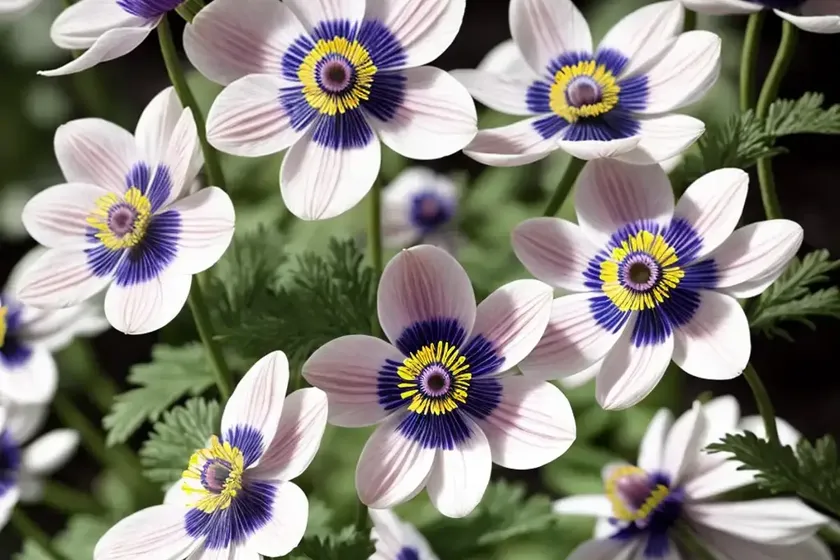
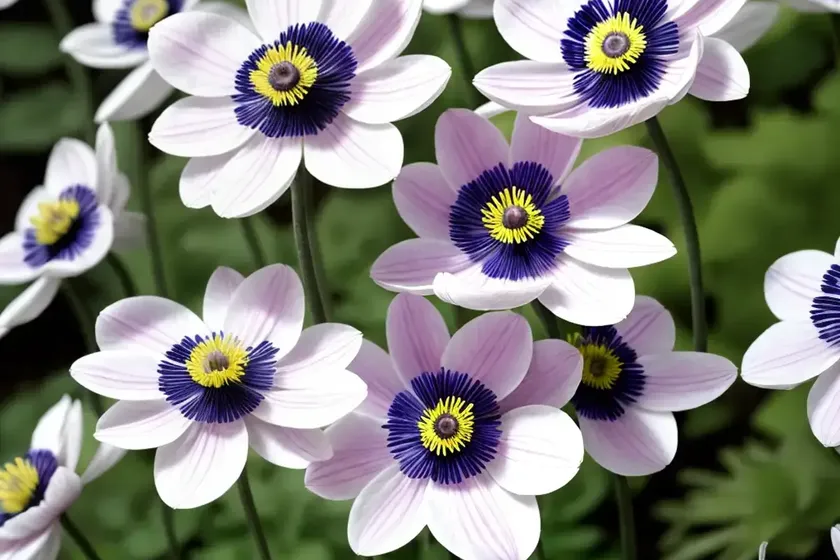
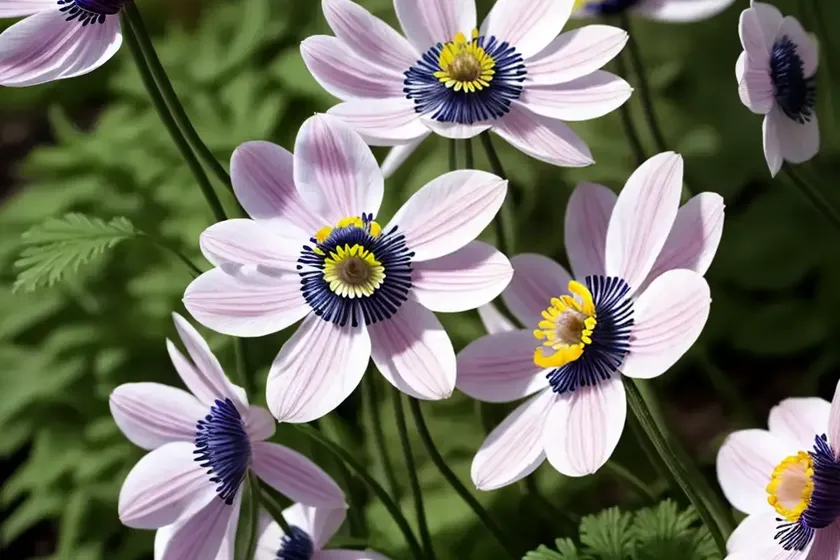
Anemone x hybrida ‘Serenade’, commonly known as Japanese Anemone, is a graceful perennial flowering plant that belongs to the Ranunculaceae family. This enchanting plant is prized for its abundant, semi-double, or double flowers that adorn its upright stems from late summer into fall, adding a touch of elegance to gardens, borders, and woodland settings.
Key Takeaways – Anemone x hybrida ‘Serenade’ (Japanese Anemone)
-
Care: Anemone x hybrida ‘Serenade’ requires regular watering and well-draining soil to thrive. It also benefits from deadheading to encourage prolonged and continuous flowering.
-
Cultivation: This plant thrives in moist, well-drained soil and prefers partial shade, making it ideal for woodland gardens and shaded borders.
-
Growing: Anemone x hybrida ‘Serenade’ is relatively easy to grow and can be propagated by division or root cuttings.
-
Planting Guide: When planting Japanese Anemone ‘Serenade’, ensure the soil is rich in organic matter and has good drainage. Additionally, spacing the plants at appropriate intervals is crucial for their growth and development.
-
Maintenance Tips: Regular watering and deadheading, along with providing optimal growing conditions, are essential for maintaining the health and vigor of Anemone x hybrida ‘Serenade’.
-
Watering Requirements: Japanese Anemone ‘Serenade’ prefers consistently moist soil, especially during the growing season, to support healthy growth and flowering.
-
Sunlight Needs: Partial shade is ideal for Japanese Anemone ‘Serenade’; however, it can also tolerate full sun with sufficient moisture.
-
Soil Preferences: Well-draining, fertile soil rich in organic matter is essential for the optimal growth of Anemone x hybrida ‘Serenade’.
-
Companion Plants: Japanese Anemone ‘Serenade’ complements various shade-loving perennials such as hostas, ferns, and astilbes, and makes a great addition to woodland garden settings.
-
Garden Design Ideas: This plant can be utilized in woodland gardens, shaded borders, and cottage gardens, adding a charming and delicate element to the landscape.
-
Landscape Uses: Anemone x hybrida ‘Serenade’ is an excellent choice for adding late-season interest to the landscape, and its graceful blooms bring a sense of tranquility to garden settings.
-
Blooming Season: The blooming season of Japanese Anemone ‘Serenade’ typically extends from late summer to fall, offering a welcome burst of color to the garden when many other plants are past their prime.
-
Flower Characteristics: The semi-double to double flowers of Anemone x hybrida ‘Serenade’ feature delicate petals that sway gracefully in the breeze, creating an ethereal and captivating display.
-
Pruning Techniques: Regular deadheading and cutting back the stems after flowering can help promote compact growth and encourage further blooms.
-
Propagation Methods: Anemone x hybrida ‘Serenade’ can be propagated through division and root cuttings, making it relatively easy to expand and propagate within the garden.
-
Pest and Disease Control: While Japanese Anemone ‘Serenade’ is generally resistant to pests and diseases, maintaining good air circulation and proper watering practices can help prevent issues such as powdery mildew.
-
Container Gardening: This plant can be grown in containers, especially when provided with the appropriate soil mix and moisture. It adds a delicate charm to patio settings and shaded areas.
-
Wildlife Attraction: Japanese Anemone ‘Serenade’ has the potential to attract pollinators such as butterflies and hummingbirds, contributing to the biodiversity of the garden.
-
Folklore and Symbolism: Anemone x hybrida ‘Serenade’ has been associated with various folklore and symbolisms, often representing anticipation and protection.
-
Native Habitat: The native habitat of Japanese Anemone ‘Serenade’ includes woodland areas, stream banks, and moist meadows, indicating its affinity for moist and shaded environments.
-
Drought Tolerance: While Japanese Anemone ‘Serenade’ prefers moist soil, it can exhibit some level of drought tolerance once established, making it adaptable to varying moisture conditions.
-
Deer-Resistant Qualities: This plant is known for its deer-resistance, offering a potential solution for gardeners dealing with deer browsing issues.
-
Pollinator-Friendly: Anemone x hybrida ‘Serenade’ can serve as a valuable nectar source for pollinating insects, contributing to the ecological balance of the garden.
-
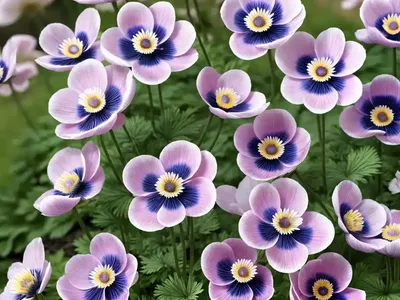
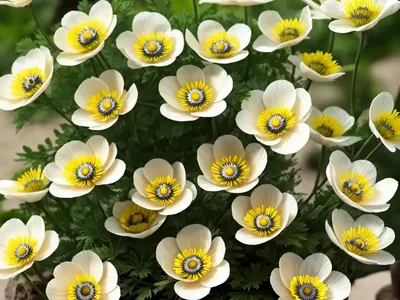
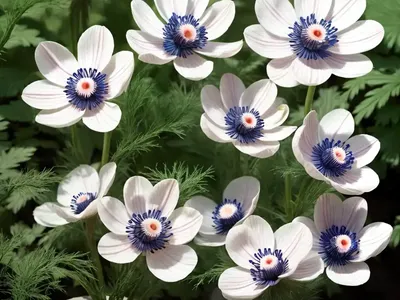
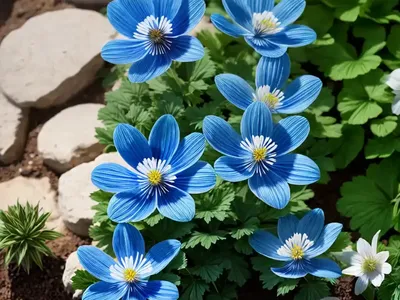
Color Variations: Japanese Anemone ‘Serenade’ is available in various shades, including pink, white, and soft mauve, offering flexibility in design and color schemes.
-
Companion Flowers: When planted alongside other shade-loving flowering plants, Japanese Anemone ‘Serenade’ can create a captivating tapestry of colors and textures in the garden.
-
Border Plant: The graceful and upright growth habit of Anemone x hybrida ‘Serenade’ makes it well-suited for border plantings, adding an enchanting touch to the garden’s edge.
-
Focal Point in the Garden: The delicate and abundant blooms of Japanese Anemone ‘Serenade’ can serve as a focal point in garden settings, attracting attention and admiration.
-
Spring Bloomer: While Japanese Anemone ‘Serenade’ primarily blooms from late summer to fall, its emerging foliage in spring adds a fresh and vibrant element to the garden.
-
Late-Season Interest: As a late-blooming perennial, Anemone x hybrida ‘Serenade’ fills a vital role in providing visual interest and color when many other plants are waning in the garden.
-
Rain Garden Plant: With its preference for consistently moist soil, Japanese Anemone ‘Serenade’ can make a valuable addition to rain gardens or areas with periodic water accumulation.
-
Erosion Control: The robust root system of Anemone x hybrida ‘Serenade’ can contribute to erosion control, making it suitable for stabilizing soil in sloped or vulnerable areas.
-
Cutting Flower: The long stems and graceful flowers of Japanese Anemone ‘Serenade’ make it an excellent choice for cut flower arrangements, bringing the beauty of the garden indoors.
-
Container Thriller Plant: When utilized in containers, Anemone x hybrida ‘Serenade’ serves as a captivating and elegant centerpiece, adding a touch of sophistication to container gardens.
-
Front Yard Landscaping: Japanese Anemone ‘Serenade’ can enhance front yard landscapes with its delicate blooms and graceful presence, creating an inviting and tranquil atmosphere.
-
Back Garden Selection: This plant is well-suited for back garden settings, where its late-season blooms can provide a delightful surprise and add interest to the landscape.
-
Border Filler Plant: Anemone x hybrida ‘Serenade’ can seamlessly blend into mixed borders, filling in gaps with its charming blooms and complementing neighboring plants.
-
Edge-of-the-Woods Plant: The natural affinity of Japanese Anemone ‘Serenade’ for shaded and woodland environments makes it a perfect fit for gardens bordering wooded areas.
-
Ground Cover Options: While not a traditional ground cover, the spreading nature of Anemone x hybrida ‘Serenade’ can be utilized to create a low-maintenance ground cover effect in shaded areas.
With an array of cultivation and usage options, Anemone x hybrida ‘Serenade’ presents a versatile and charming addition to diverse garden settings. Its graceful blooms, adaptability to shade, and late-season interest make it a valuable perennial for enhancing the beauty and biodiversity of the landscape.
Culture
Uses
Japanese Anemone ‘Serenade’ is valued for its ornamental and aesthetic appeal in garden settings, providing late-season color and delicately beautiful blooms. The plant’s graceful habit and charming flowers make it a popular choice for various landscape and garden design applications, including:
- Woodland gardens
- Shaded borders
- Cottage gardens
- Container gardening
- Rain gardens
- Wildlife gardens
With its versatility, Anemone x hybrida ‘Serenade’ enhances garden landscapes and outdoor spaces, offering a touch of elegance and tranquility to the surroundings.
Water
Watering Requirements: Anemone x hybrida ‘Serenade’ thrives in consistently moist soil. During periods of active growth and flowering, it is important to maintain adequate soil moisture to support the plant’s health and vitality. Proper watering techniques can contribute to the overall success of growing Japanese Anemone ‘Serenade’. It’s essential to monitor the soil moisture levels and adjust the watering frequency based on environmental conditions and the plant’s specific requirements.
Sunlight
Sunlight Needs: Partial shade is the preferred growing condition for Japanese Anemone ‘Serenade’. It thrives in locations with dappled sunlight or filtered light, especially in the afternoon when the sun is most intense. While the plant tolerates partial shade well, it can also adapt to full sun if provided with sufficient moisture. However, prolonged exposure to intense sunlight without adequate moisture may lead to stress and reduced flowering.
Fertilizer
Feeding Anemone x hybrida ‘Serenade’ with a balanced, slow-release fertilizer in spring can help support healthy growth and abundant flowering. Selecting a fertilizer with a balanced ratio of nutrients, such as a 10-10-10 or 20-20-20 formulation, can provide the essential elements that the plant needs for vigorous growth and robust blooms.
When applying fertilizer, it’s important to follow the manufacturer’s recommendations and avoid over-fertilization, which can lead to excessive foliage growth at the expense of flower production. Regular application of a well-balanced fertilizer can contribute to the overall health and beauty of Japanese Anemone ‘Serenade’.
Soil
Soil Preferences: Anemone x hybrida ‘Serenade’ thrives in well-draining, fertile soil with a rich organic content. The ideal soil should offer good moisture retention without becoming waterlogged, as excessive soil moisture can lead to root rot and other issues. Incorporating organic matter such as compost or well-rotted manure into the soil can improve its structure and fertility, providing an optimal growing environment for Japanese Anemone ‘Serenade’.
Prior to planting, it’s beneficial to prepare the soil by amending it with organic matter and ensuring proper drainage. This preparation can set the stage for successful establishment and long-term growth of Anemone x hybrida ‘Serenade’ in the garden or landscape.
Pruning
Pruning Techniques: Regular deadheading and the removal of spent flowers can encourage continuous blooming and prevent the plant from expending energy on seed production. Additionally, pruning back the stems of Anemone x hybrida ‘Serenade’ after flowering can promote compact growth and help prevent self-seeding. Pruning should be performed with clean, sharp tools to minimize damage and maintain the plant’s health.
Propagation
Methods
Anemone x hybrida ‘Serenade’ can be propagated through division and root cuttings, offering gardeners the opportunity to expand their plantings and share the beauty of this charming perennial. Both methods are relatively straightforward and can be successfully employed to propagate Japanese Anemone ‘Serenade’.
Division
Division: To propagate by division, carefully lift the plant in early spring or fall, and use a sharp, clean tool to divide the root clump into sections, ensuring that each division has healthy roots and shoots. These sections can then be replanted in prepared soil, watered thoroughly, and cared for to establish new plants.
Root Cuttings
Root Cuttings: Root cuttings provide another effective means of propagation for Anemone x hybrida ‘Serenade’. Select healthy, thick roots from the parent plant and cut them into sections of approximately 2 to 3 inches in length. Plant these sections in a moist, well-draining medium and keep them consistently moist until new growth emerges. This method can yield new plants that are genetically identical to the parent and can contribute to the expansion of Japanese Anemone ‘Serenade’ in the garden.
Container Popularity
Japanese Anemone ‘Serenade’ is well-suited for container gardening, offering its delicate and graceful presence to patio settings, balconies, and other outdoor spaces. When grown in containers, Anemone x hybrida ‘Serenade’ brings its charm and elegance to new heights, creating captivating focal points and adding a touch of sophistication to the surroundings.
The portability of container-grown Japanese Anemone ‘Serenade’ allows for versatile placement and easy integration into various design motifs. Whether used as a standalone feature or combined with other shade-loving plants, Anemone x hybrida ‘Serenade’ adds a delightful and enchanting element to container gardens, enhancing outdoor living spaces with its captivating blooms and graceful form.
Common Diseases
Disease Diagnosis
While generally resilient, Anemone x hybrida ‘Serenade’ can occasionally be susceptible to certain diseases, including:
- Powdery Mildew: This fungal disease can manifest as a white, powdery growth on the leaves, often caused by poor air circulation, high humidity, or excessive foliage moisture. Regularly inspecting the plant for signs of powdery mildew and maintaining good airflow around the foliage can help prevent and manage this issue.
When diagnosing diseases in Japanese Anemone ‘Serenade’, careful observation of the plant’s symptoms, including leaf discoloration, wilting, or unusual growth patterns, can provide valuable insight into the potential causes and necessary treatments. Early detection and appropriate management strategies can contribute to the overall health and vitality of the plant.
Common Pests
While generally resistant to pests, Japanese Anemone ‘Serenade’ may encounter occasional pest challenges, including:
- Sap-Sucking Insects: Aphids and spider mites are among the common sap-sucking pests that may affect Anemone x hybrida ‘Serenade’. Regularly monitoring the plant for the presence of these pests and employing appropriate control measures, such as insecticidal soap or neem oil, can help manage infestations and minimize damage.
Vigilance and prompt action are key elements in addressing pest issues and preserving the health and beauty of Japanese Anemone ‘Serenade’ in garden settings.
Botanist’s Tips
-
Ensure Adequate Moisture: Consistent and adequate soil moisture is essential for the health and performance of Japanese Anemone ‘Serenade’. Provision of appropriate watering practices, especially during dry periods, can contribute to the plant’s overall well-being.
-
Monitor Light Conditions: While Japanese Anemone ‘Serenade’ prefers partial shade, it is important to observe its response to the available light and make adjustments as needed to optimize its growing environment.
-
Deadhead for Continuous Blooms: Regular deadheading not only maintains the plant’s neat appearance but also encourages continuous flowering, prolonging the period of enjoyment for these graceful blooms in the garden.
-
Be Mindful of Spacing: When planting Anemone x hybrida ‘Serenade’, ensure adequate spacing between individual plants, allowing them room to grow and avoiding overcrowding, which can lead to issues such as poor air circulation and increased susceptibility to diseases.
-
Prune Wisely: Pruning back the stems of Japanese Anemone ‘Serenade’ after flowering can help maintain the overall shape and promote compact growth. Exercise care when pruning to avoid damaging the emerging new growth.
-
Provide Support if Needed: In exposed or windy locations, providing support such as stakes or hoop-style plant supports can help prevent the stems from bending or breaking, especially when the plant is laden with blooms.
-
Share the Beauty: Propagation through division or root cuttings offers an opportunity to expand the presence of Anemone x hybrida ‘Serenade’ in the garden and share its captivating beauty with fellow garden enthusiasts.
The application of these botanist’s tips can contribute to the successful cultivation and enjoyment of Japanese Anemone ‘Serenade’ in diverse garden settings, ensuring the plant’s healthy growth and abundant flowering.
Fun Facts
-
The genus name “Anemone” is derived from the Greek word “anemos,” meaning wind, a reference to the delicate and ethereal nature of the plant’s flowers that sway gracefully in the breeze.
-
Japanese Anemone ‘Serenade’ is known for attracting pollinators such as butterflies and hummingbirds, contributing to the ecological diversity of the garden.
-
The late-season blooms of Anemone x hybrida ‘Serenade’ offer a captivating burst of color when many other garden plants have completed their flowering cycle, providing visual interest and charm to outdoor spaces.
The infusion of these fun and intriguing facts adds depth and appreciation to the allure of Japanese Anemone ‘Serenade’, enriching the gardening experience for enthusiasts and nature lovers.
Links to External Resources
For further information on the care, cultivation, and application of Anemone x hybrida ‘Serenade’ in garden settings, the following external resources offer valuable insights and practical guidance:
-
The Royal Horticultural Society – Anemone x hybrida ‘Serenade’ – This comprehensive resource provides detailed information on the cultivation, characteristics, and potential uses of Japanese Anemone ‘Serenade’, including practical tips for gardeners.
-
Missouri Botanical Garden – Anemone x hybrida ‘Serenade’ – The Missouri Botanical Garden offers a wealth of information on the botanical attributes, growing conditions, and landscape applications of Anemone x hybrida ‘Serenade’, along with expert recommendations for incorporating the plant into garden designs.
-
University of Wisconsin-Madison Extension – Anemone x hybrida ‘Serenade’ Care Guide – This care guide provides practical advice on watering, soil preferences, and maintenance tips for Japanese Anemone ‘Serenade’, offering guidance for successful cultivation in various garden settings.
By exploring these external resources, gardeners can gain valuable insights, access practical recommendations, and deepen their understanding of Anemone x hybrida ‘Serenade’, enhancing their ability to cultivate and appreciate this captivating perennial.
In conclusion, Anemone x hybrida ‘Serenade’ (Japanese Anemone) exemplifies a delicate and charming addition to garden settings, offering graceful blooms, adaptability to shade, and late-season interest. Through proper care, cultivation, and utilization in diverse garden designs, Japanese Anemone ‘Serenade’ contributes to the beauty and biodiversity of outdoor spaces, enriching the gardening experience and captivating the imagination with its enchanting presence.
This versatile and charming perennial represents a valuable asset for gardeners seeking to infuse their landscapes with elegance, tranquility, and an enduring touch of natural beauty.
The markdown file