Begonia Masoniana (Iron Cross Begonia)
Begonia masoniana, commonly known as Iron Cross Begonia, is a striking and unique plant known for its beautiful foliage. With its distinctive leaf markings.
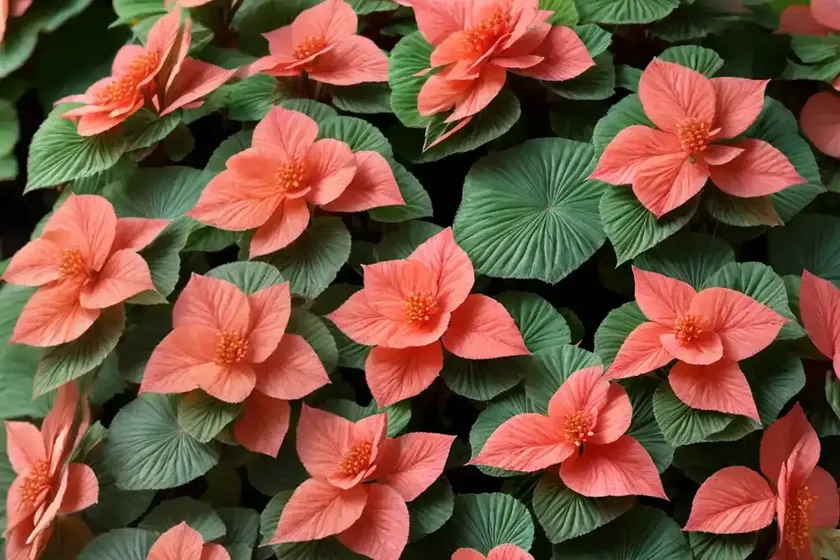
Begonia masoniana, commonly known as Iron Cross Begonia, is a striking and unique plant known for its beautiful foliage. With its distinctive leaf markings resembling iron crosses, this begonia species has gained popularity among plant enthusiasts as an ornamental houseplant. In this comprehensive guide, we will delve into the key aspects of caring for Begonia masoniana, including its cultural requirements, propagation methods, common diseases, and much more.
What is Begonia masoniana?
Begonia masoniana is a species of flowering plant in the family Begoniaceae, native to China. It is a rhizomatous perennial that typically grows in a compact, clumping form. The most notable feature of this begonia is its large, glossy leaves with unique, chocolate-brown markings resembling iron crosses, which give it the common name “Iron Cross Begonia.”
Key Takeaways – Begonia masoniana
- Family: Begoniaceae
- Common Name: Iron Cross Begonia
- Native Habitat: China
- Foliage: Large, glossy leaves with chocolate-brown iron cross markings
- Growth Habit: Rhizomatous perennial
Now, let’s explore the essential care tips for nurturing and maintaining the health and beauty of Begonia masoniana.
Culture
When it comes to the culture of Begonia masoniana, providing the right environment is crucial for its growth and well-being. Here are the key cultural aspects to consider:
Uses
Begonia masoniana is primarily grown as an ornamental houseplant due to its striking foliage. Its unique leaf pattern and growth habit make it a popular choice for indoor decoration, adding a touch of exotic beauty to any living space.
Water
Proper watering is essential for the health of Begonia masoniana. It is important to maintain moist but well-drained soil to prevent waterlogging, which can lead to root rot. Water the plant when the top inch of the soil feels dry, and ensure that the excess water can drain away freely from the pot.
Sunlight
As for sunlight requirements, Begonia masoniana thrives in bright, indirect light. Avoid exposing it to direct sunlight, especially during the intense midday hours, as it can scorch the delicate foliage. A location with dappled sunlight or partial shade is ideal for this begonia.
Fertilizer
Feeding Begonia masoniana with a balanced liquid fertilizer during the growing season (spring and summer) can promote healthy foliage growth. However, it’s crucial to dilute the fertilizer to half or quarter strength to avoid over-fertilization, which can damage the plant’s roots.
Soil
The ideal soil for Begonia masoniana is a well-draining, peat-based mix that retains moisture without becoming waterlogged. Adding perlite or coarse sand to the soil mix can improve drainage and aeration, creating a suitable growing medium for this begonia.
Pruning
Regular pruning can help maintain the compact and lush appearance of Begonia masoniana. Remove any yellowing or damaged leaves, as well as spent flowers, to encourage new growth and to prevent the spread of diseases.
Propagation
Begonia masoniana can be propagated through several methods, including leaf cuttings and division. Here are some common propagation techniques:
-
Leaf Cuttings: Select a healthy leaf with the petiole attached and place it in a container filled with a moistened propagation medium. Keep the container in a warm, humid environment, and roots should develop within a few weeks.
-
Division: If Begonia masoniana has developed multiple rhizomes, it can be divided during repotting. Carefully separate the rhizomes and replant them in individual containers with fresh potting mix.
Container Popularity
Due to its ornamental foliage and manageable size, Begonia masoniana is a popular choice for container gardening. The plant’s compact growth habit makes it well-suited for decorative containers, adding a touch of elegance to both indoor and outdoor spaces.
Common Diseases
While Begonia masoniana is relatively resilient, it can be susceptible to certain diseases, especially when grown in unfavorable conditions. Some common diseases that may affect this begonia include:
-
Powdery Mildew: This fungal disease appears as a powdery white growth on the leaves, typically caused by high humidity and poor air circulation.
-
Botrytis Blight: Also known as gray mold, this disease can cause brown or gray spots on the foliage and stems, often favored by damp, cool conditions.
It is crucial to monitor the plant regularly for any signs of disease and take preventive measures, such as improving air circulation and avoiding overhead watering, to minimize the risk of infections.
Disease Diagnosis
Diagnosing diseases in Begonia masoniana involves closely observing the plant for unusual symptoms and signs of distress. Common indicators of diseases may include the presence of unusual spots, discoloration, wilting, or abnormal growth patterns on the foliage and stems. If you notice any of these signs, it is important to take prompt action to identify the specific disease and implement appropriate treatment measures.
Common Pests
Begonia masoniana may also fall prey to certain pests that can potentially affect its health and appearance. Some of the common pests that may infest this begonia species include:
-
Aphids: These tiny, soft-bodied insects can cluster on the undersides of leaves and feed on the plant sap, leading to stunted growth and distorted foliage.
-
Spider Mites: These minuscule pests are known for causing fine webbing on the leaves and sucking the plant’s juices, leading to yellowing and wilting of the foliage.
Regular inspection of the plant for the presence of pests and early intervention, such as using insecticidal soap or horticultural oil, can help manage pest infestations effectively.
Botanist’s Tips
As a plant scientist, I would like to offer some additional tips for caring for Begonia masoniana based on scientific insights and best practices:
-
Humidity Management: Begonia masoniana thrives in moderately high humidity levels, making it important to provide adequate humidity, especially during dry periods. Placing the plant on a humidity tray or using a room humidifier can create an ideal microclimate for this begonia.
-
Temperature Tolerance: This begonia species prefers moderate temperatures ranging between 65°F to 75°F (18°C to 24°C). Avoid exposing it to sudden temperature fluctuations and drafts, which can cause stress and affect its growth.
-
Growth Observations: Regularly monitor the growth patterns and overall health of Begonia masoniana. Any notable changes in foliage appearance, such as discoloration, leaf curling, or stunted growth, may indicate underlying issues that require attention.
-
Seasonal Care: During the changing seasons, be mindful of adjusting the watering frequency, light exposure, and temperature levels to accommodate the plant’s seasonal needs. For example, in winter, reduce watering and provide slightly cooler temperatures to mimic its natural dormancy period.
Fun Facts
To add some delightful insights about Begonia masoniana, here are a few fun facts about this captivating plant:
-
The “Iron Cross” markings on the leaves of Begonia masoniana are not only visually striking but also serve the purpose of camouflaging the plant in its natural habitat, providing protection from potential herbivores by resembling dead or decaying matter.
-
In addition to its decorative value, certain begonia species, including Begonia masoniana, have been traditionally used in ethnomedicine for their potential medicinal properties, often as remedies for skin conditions and wounds.
Links to External Resources
For further information and in-depth guidance on Begonia masoniana care and cultivation, the following external resources can provide valuable insights and practical tips:
- American Begonia Society: https://www.begonias.org/
- Royal Horticultural Society (RHS): https://www.rhs.org.uk/Plants/23840/i-Begonia-masoniana-i/Details
- University of Florida IFAS Extension: https://gardeningsolutions.ifas.ufl.edu/plants/ornamentals/begonias.html
- Missouri Botanical Garden: https://www.missouribotanicalgarden.org/PlantFinder/PlantFinderDetails.aspx?taxonid=273169&isprofile=0&
In conclusion, Begonia masoniana, with its captivating foliage and relatively low-maintenance requirements, is an exceptional addition to any indoor plant collection. By understanding its cultural needs, propagation methods, and pest and disease management, plant enthusiasts can successfully cultivate and enjoy the beauty of this remarkable begonia species.
Whether you are an experienced gardener or a novice plant enthusiast, nurturing Begonia masoniana offers a rewarding experience, allowing you to witness the unique elegance and resilience of this captivating ornamental plant. With the right care and attention, Iron Cross Begonia can thrive and become a cherished focal point in any botanical display or indoor garden setting.
Remember, by embracing the art and science of plant care, you can cultivate a thriving and visually stunning collection of begonias, including the remarkable Begonia masoniana. With the right knowledge and passion, you can embark on a journey of discovery and appreciation for the wondrous world of botanical beauty.
I hope you find this comprehensive guide to Begonia masoniana both informative and engaging. If there are any additional topics or specific aspects of begonia care that you would like to explore further, feel free to reach out for more in-depth discussions and insights.
Thank you for taking the time to delve into the captivating world of Begonia masoniana, and may your botanical endeavors be filled with joy and success!
Disclaimer: This article is for informational purposes only and should not be considered as professional advice. Always consult with a horticulturist or plant care specialist for specific guidance on growing and caring for Begonia masoniana and other plant species.