Aquilegia Alpina (Alpine Columbine)
What is Aquilegia Alpina? Aquilegia alpina, also known as Alpine Columbine, is a delightful perennial plant that belongs to the Ranunculaceae family. This.
What is Aquilegia Alpina?
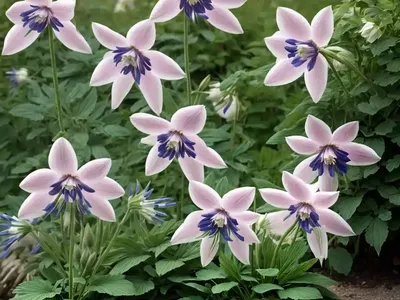
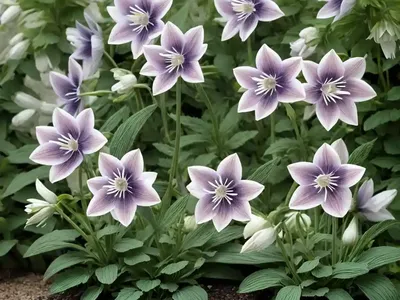
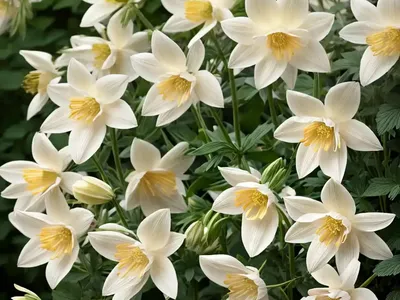
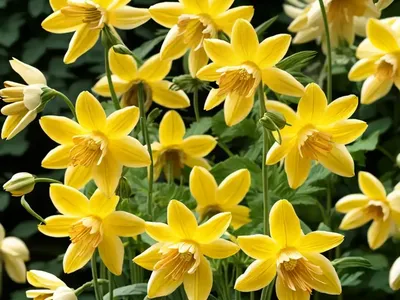
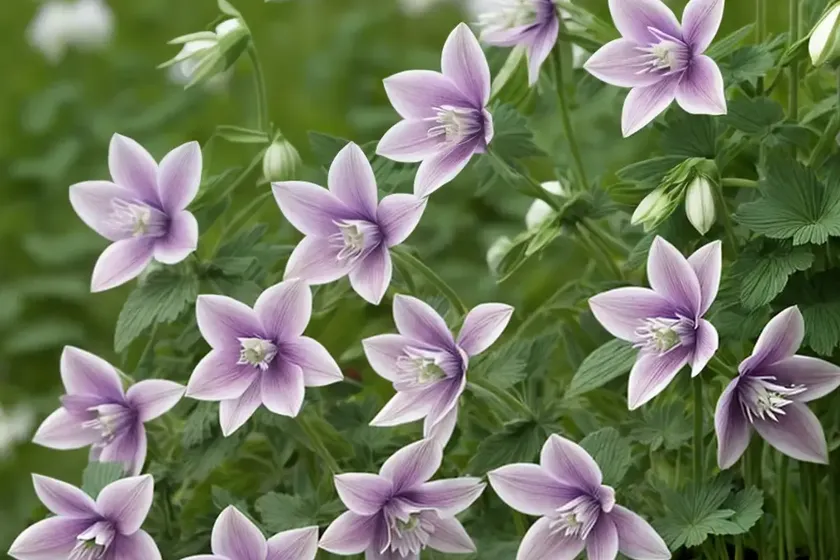
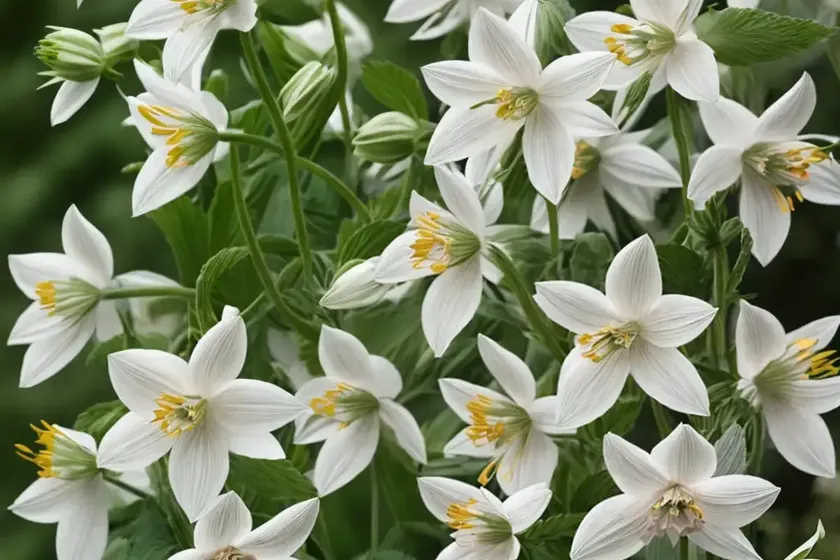
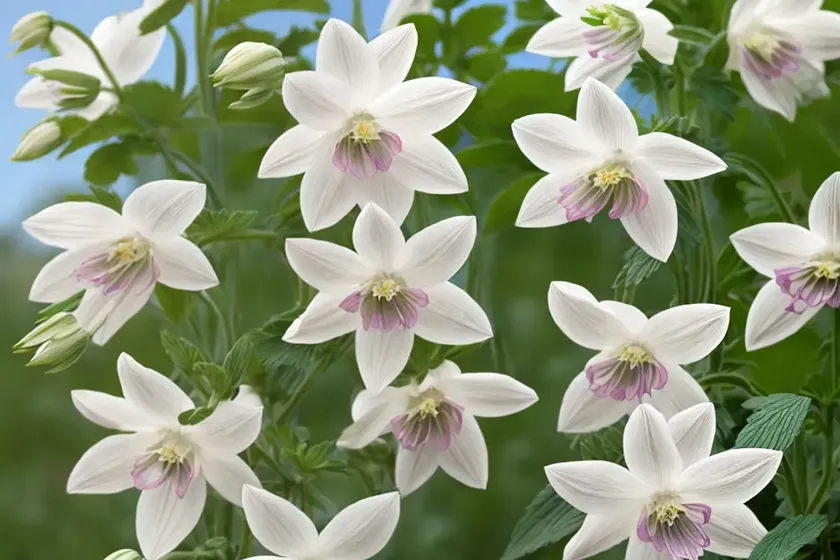
Aquilegia alpina, also known as Alpine Columbine, is a delightful perennial plant that belongs to the Ranunculaceae family. This beautiful plant is native to the mountainous regions of Europe, particularly the Alps. It is distinguished by its unique and intricate flowers, which come in a variety of colors and are a favorite among gardeners and plant enthusiasts.
Key Takeaways
Aquilegia alpina (Alpine Columbine)
- Family: Ranunculaceae
- Common Name: Alpine Columbine
- Native Habitat: Mountainous regions of Europe
- Flowering: Spring to early summer
- Height: 30-45 cm (12-18 inches)
- USDA Hardiness Zone: 3-9
- Attracts: Pollinators such as bees and butterflies
Culture
Uses
Aquilegia alpina has several versatile uses in horticulture and landscaping:
- Ornamental gardening
- Wildlife gardens and pollinator-friendly landscapes
- Container gardening
- Cottage gardens
- Cut flower gardens
- Rock gardens
Growing Conditions
Water
Alpine Columbines prefer moderate moisture levels. They require consistently moist, well-drained soil to thrive. Ensure that the soil doesn’t become waterlogged, as this can lead to root rot and other issues.
Sunlight
Aquilegia alpina thrives in partial shade to full sun. In hotter climates, providing afternoon shade can prevent the plant from wilting during the peak of summer.
Fertilizer
Feed Aquilegia alpina with a balanced, all-purpose fertilizer in early spring when new growth emerges. Avoid over-fertilizing, as this can lead to excessive foliage at the expense of flowers.
Soil
The plant prefers fertile, humus-rich soil with a slightly acidic to neutral pH (6.0-7.0). Well-draining soil is crucial to prevent waterlogging.
Pruning
Pruning is generally minimal for Aquilegia alpina. Remove spent flowers to encourage additional blooms and maintain the plant’s appearance. So that further growth is encouraged, cut back the foliage and stems to the base of the plant in late fall or early spring.
Propagation
Aquilegia alpina can be propagated through several methods:
- Seeds: Collect and sow seeds in fall or early spring.
- Division: Divide mature plants in early spring.
- Cuttings: Take basal cuttings in spring or early summer for propagation.
Container Popularity
Due to its compact size and attractive flowers, Aquilegia alpina is a popular choice for container gardening. It adds charm to patios, balconies, and small gardens.
Common Diseases
While generally resistant to many diseases, Aquilegia alpina can be susceptible to certain issues:
- Powdery Mildew: An indicator of high humidity or poor air circulation.
- Leaf Miner: This pest can cause damage to the leaves, affecting the overall appearance of the plant.
Disease Diagnosis
If you notice powdery white patches on the foliage or irregular patterns on the leaves, it could be a sign of powdery mildew or leaf miner infestation. Inspection and early intervention are crucial in dealing with these issues.
Common Pests
Apart from leaf miners, Aquilegia alpina may occasionally attract aphids, which can be addressed through regular monitoring and appropriate pest control measures.
Botanist’s Tips
- Provide well-draining soil to prevent waterlogging, a common issue for Aquilegia alpina.
- Monitor for signs of powdery mildew and address the issue promptly to prevent its spread.
- Deadhead spent flowers to promote continuous blooming and maintain the plant’s appearance.
Fun Facts
- The name “Aquilegia” is derived from the Latin word “aquila,” meaning eagle, due to the flower’s resemblance to an eagle’s claw.
- The nectar spurs of Aquilegia alpina flowers are adapted for pollination by long-tongued insects like bees and hummingbirds.
Links to External Resources
For further information on Aquilegia alpina, refer to the following resources:
- Royal Horticultural Society – Aquilegia alpina
- Missouri Botanical Garden – Aquilegia alpina
- American Society for the Prevention of Cruelty to Plants – Aquilegia alpina Cultivation Guide
In this comprehensive guide, we have delved into the captivating world of Aquilegia alpina, commonly known as Alpine Columbine. We explored its cultural requirements, propagation methods, common pests and diseases, and the best practices for maintaining and enjoying this delightful plant. Whether you’re an enthusiastic gardener, a horticulture student, or simply someone who appreciates the beauty of nature, Aquilegia alpina is undoubtedly a remarkable addition to any garden.