Aquilegia Canadensis (Canadian Columbine)
Introduction Aquilegia canadensis, commonly known as Canadian Columbine, is a delightful native perennial that graces gardens with its dainty, bell-shaped.
Introduction
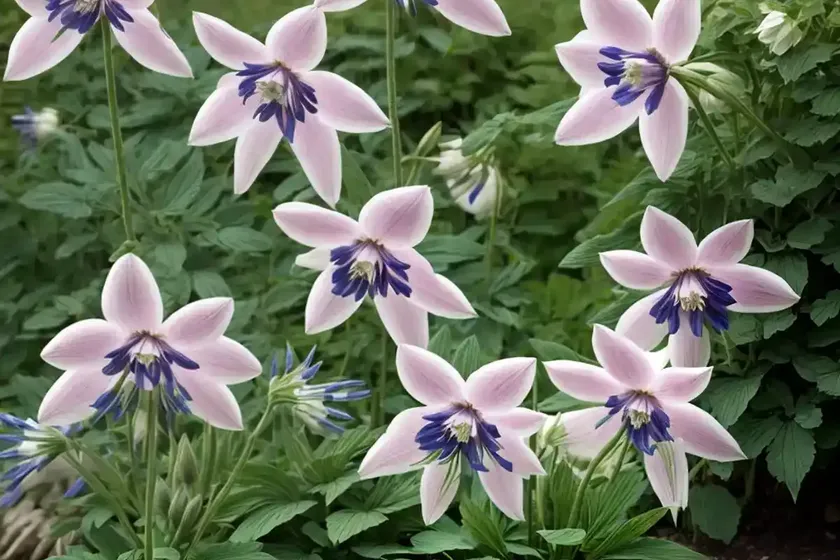
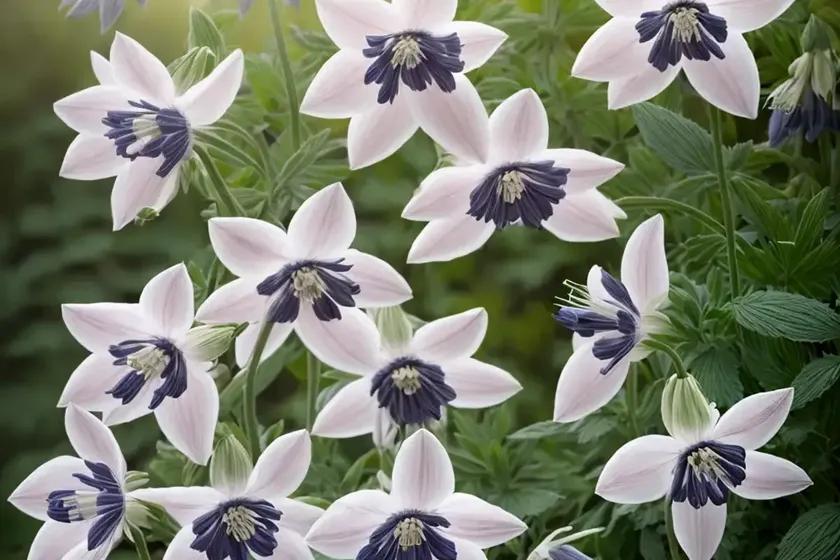
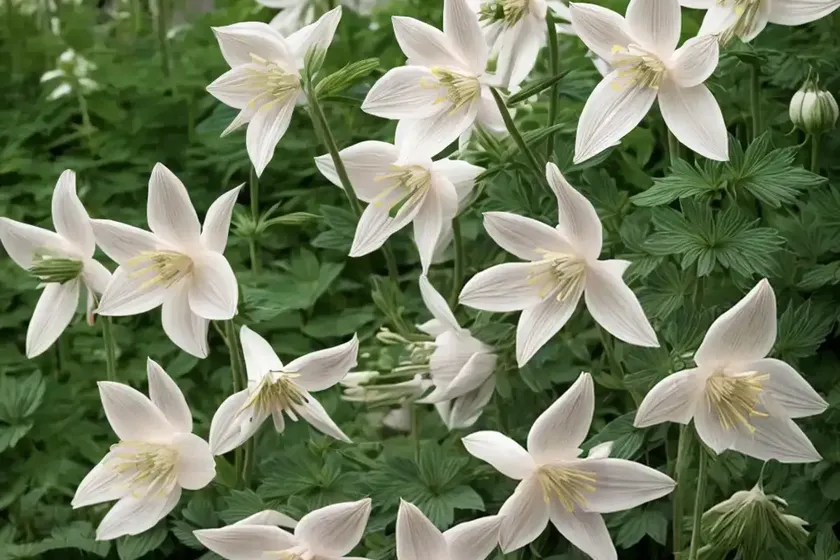
Aquilegia canadensis, commonly known as Canadian Columbine, is a delightful native perennial that graces gardens with its dainty, bell-shaped flowers. With its unique characteristics and various uses, this plant has been a favorite among gardeners, botanists, and nature enthusiasts. In this comprehensive guide, we will explore the key aspects of Canadian Columbine, including its culture, uses, care requirements, propagation, and much more.
What is Aquilegia canadensis?
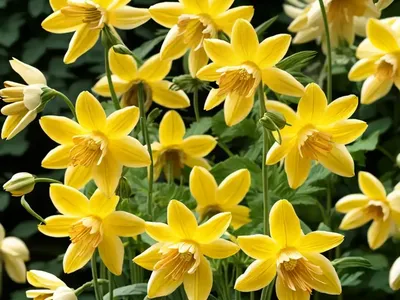
Also known as the red columbine, wild columbine, or Canada columbine, Aquilegia canadensis is a herbaceous perennial plant that belongs to the Ranunculaceae family. This plant is native to eastern North America, where it thrives in woodlands, meadows, and along rocky slopes. It is characterized by its distinctive, nodding, red and yellow flowers that attract various pollinators, including hummingbirds and bees.
Features of Aquilegia canadensis
- Height: 1 to 3 feet
- Spread: 1 to 1.5 feet
- Bloom Time: Late spring to early summer
- Flower Color: Red and yellow
- Leaf Type: Compound, light green
- Native Habitat: Woodlands, meadows, rocky slopes
- Wildlife Attractant: Pollinators, including hummingbirds and bees
Now, let’s delve deeper into the key takeaways regarding this charming plant.
Key Takeaways – Aquilegia canadensis (Canadian Columbine)
Culture
Aquilegia canadensis is a versatile plant that can thrive in various cultural conditions, making it suitable for a range of gardening settings. Its cultural requirements include:
Uses
The Canadian Columbine serves multiple purposes in the garden and beyond. Understanding its uses can enhance its value in landscaping and conservation efforts. Some of its significant uses are:
Water
Proper watering is essential for the health and vitality of Canadian Columbine. Understanding its water needs and implementing appropriate watering practices is crucial for its overall well-being. The water requirements encompass:
Sunlight
The availability of adequate sunlight directly impacts the growth and blooming of Aquilegia canadensis. By understanding its sunlight preferences, you can optimize its performance in the garden. Key considerations for sunlight include:
Fertilizer
Fertilization plays a vital role in supporting the growth and flowering of Aquilegia canadensis. By applying the right type and amount of fertilizer, you can promote healthy development and abundant blooms. The fertilizer requirements involve:
Soil
Understanding the soil preferences of Canadian Columbine is crucial for creating an optimal growing environment. By providing the right soil conditions, you can ensure the long-term health and vigor of the plant. The soil requirements encompass:
Pruning
Pruning is an essential practice for maintaining the shape, health, and blooming potential of Aquilegia canadensis. Knowing the appropriate pruning techniques and timing is essential for effective plant care. Key aspects of pruning include:
Propagation
The ability to propagate Canadian Columbine allows for the expansion of its presence in the garden and other landscapes. By mastering the propagation techniques, you can propagate the plant successfully. The methods for propagation include:
Container Popularity
Canadian Columbine can thrive in container gardens, adding a touch of natural beauty to patios, balconies, and other confined spaces. Its popularity in container gardening stems from its adaptability and aesthetic appeal. The factors influencing its container popularity are:
Common Diseases
Certain diseases and health issues can affect Aquilegia canadensis, potentially impacting its growth and overall condition. Recognizing these common diseases and understanding their management is essential for preserving the plant’s health. The prevalent diseases include:
Disease Diagnosis
Accurately diagnosing and addressing plant diseases is critical for preventing the spread and minimizing the impact on Aquilegia canadensis. By understanding the symptoms and signs, you can diagnose and manage diseases effectively. The key aspects of disease diagnosis include:
Common Pests
Pests can pose a threat to the well-being of Canadian Columbine, impacting its growth and appearance. Identifying the common pests and implementing appropriate pest control measures is essential for protecting the plant. The prevalent pests include:
Botanist’s Tips
Insights from botanists and plant experts can offer valuable guidance for cultivating and caring for Aquilegia canadensis. Incorporating botanist’s tips into your approach can enhance your success with this captivating plant. The tips encompass:
Fun Facts
Exploring the unique aspects and trivia related to Aquilegia canadensis adds an element of fascination to its cultivation. By discovering fun facts about the plant, you can deepen your appreciation for its charm and ecological significance. Some intriguing fun facts about Canadian Columbine are:
Links to External Resources
For further exploration, the following external resources provide additional information and insights regarding Aquilegia canadensis:
With its captivating beauty and ecological importance, Aquilegia canadensis continues to be a cherished plant that enriches natural landscapes and garden settings. By embracing its unique traits and understanding its cultivation requirements, enthusiasts can be part of conserving and celebrating this delightful native perennial.
In the subsequent sections, we will delve into each aspect in detail to provide comprehensive insights into the cultivation and care of Canadian Columbine.
Culture
Uses
Canadian Columbine possesses various uses that contribute to its value in horticulture, landscaping, and ecological conservation. Understanding its diverse uses can enhance its significance in different settings:
-
Ornamental Value: The striking, red and yellow flowers of Aquilegia canadensis make it a sought-after ornamental plant for gardens, naturalistic landscapes, and woodland settings. Its graceful appearance and ability to attract pollinators add to its ornamental appeal.
-
Wildlife Habitat: As a native plant, Canadian Columbine serves as a vital component of wildlife habitat, providing nectar and habitat for pollinators and other beneficial insects. Its presence contributes to the ecological diversity and balance of natural ecosystems.
-
Cut Flower: The attractive blooms of Aquilegia canadensis make it suitable for cut flower arrangements, adding a touch of elegance and natural beauty to indoor spaces. Its unique, nodding flowers can be used in floral displays and arrangements.
-
Conservation: Due to its native status and ecological importance, Canadian Columbine is often utilized in conservation and restoration projects aimed at preserving native plant communities and enhancing biodiversity.
Water
Adequate moisture is essential for the health and vigor of Aquilegia canadensis. While it requires consistent moisture, it is crucial to avoid waterlogged conditions and ensure proper drainage to prevent root rot and other water-related issues. The following aspects outline the water needs and considerations for Canadian Columbine:
-
Regular Watering: Providing regular water, especially during dry periods, is essential for sustaining the growth and flowering of Canadian Columbine. Deep, thorough watering is recommended to reach the root zone effectively.
-
Avoiding Water Stress: Consistent moisture levels help prevent water stress and ensure the plant’s resilience to environmental conditions. Monitoring the soil moisture and adjusting the watering frequency based on the weather and soil conditions is advisable.
-
Mulching: Applying a layer of organic mulch around the base of the plant helps conserve soil moisture, regulate soil temperature, and suppress weed growth. Mulching can contribute to maintaining adequate moisture levels for Canadian Columbine.
-
Container Watering: For Aquilegia canadensis grown in containers, regular monitoring of the soil moisture is crucial. Adequate drainage in the containers is essential to prevent waterlogging, and consistent watering based on the plant’s needs is recommended.
Sunlight
Understanding the sunlight requirements of Canadian Columbine is essential for determining its ideal growing conditions and optimizing its performance in the garden. While it thrives in partial shade to full sun, certain considerations regarding sunlight exposure can influence its growth and blooming:
-
Partial Shade to Full Sun: Aquilegia canadensis exhibits versatile adaptability to different light conditions, ranging from partial shade to full sun. However, it tends to prefer partial shade, especially in warmer climates, to avoid excessive heat stress.
-
Morning Sun and Afternoon Shade: In regions with intense sunlight and high temperatures, providing morning sun and afternoon shade can be beneficial for Canadian Columbine. This configuration helps protect the plant from the harsh afternoon sun while allowing it to receive ample light for growth and flowering.
-
Protecting from Intense Heat: During periods of extreme heat, providing protection from direct, intense sunlight can prevent potential heat stress and sunburn on the foliage. Sheltering the plant during hot afternoons can help maintain its overall health and vitality.
-
Indoor Sunlight: When grown indoors or in controlled environments, ensuring adequate exposure to natural light or supplemental grow lights is essential for supporting the growth and blooming of Aquilegia canadensis. Balancing the light intensity and duration is crucial for indoor cultivation.
Fertilizer
Fertilization plays a crucial role in enhancing the growth, flowering, and overall health of Canadian Columbine. By providing the necessary nutrients and maintaining an appropriate fertilization regimen, you can promote robust growth and prolific blooming. The following aspects outline the fertilizer requirements and considerations for Aquilegia canadensis:
-
Balanced Fertilizer: Utilizing a balanced, all-purpose fertilizer with an equal N-P-K (nitrogen, phosphorus, potassium) ratio or a formulation specifically designed for flowering perennials is suitable for Canadian Columbine. The balanced nutrients support overall plant development and flowering.
-
Application Timing: Applying fertilizer in early spring, as new growth emerges, is beneficial for providing the necessary nutrients as the plant enters its active growth phase. Light applications every 4-6 weeks during the growing season can support consistent growth and flowering.
-
Avoiding Excess Nitrogen: While moderate nitrogen is beneficial for promoting healthy foliage and stem growth, excessive nitrogen can lead to lush foliage at the expense of flowering. Avoiding high-nitrogen fertilizers or overfertilization helps maintain a balance between vegetative growth and flowering.
-
Organic Fertilizers: Incorporating organic fertilizers, such as well-decomposed compost or compost tea, can supplement the soil with essential nutrients while enhancing soil structure and microbial activity. Organic fertilizers contribute to long-term soil fertility and plant health.
-
Container Fertilization: For Aquilegia canadensis grown in containers, regular monitoring of the soil fertility and applying a diluted, balanced fertilizer solution is recommended. Container plants may require more frequent fertilization to replenish nutrients leached by watering.
Soil
Creating an optimal soil environment is essential for establishing and maintaining healthy Canadian Columbine plants. By understanding its soil preferences and implementing appropriate soil management practices, you can ensure the long-term vigor and resilience of the plant. The following aspects outline the soil requirements and considerations for Aquilegia canadensis:
-
Well-Drained Soil: Canadian Columbine thrives in well-drained, loamy soil with a good balance of moisture retention and drainage. Avoiding waterlogged soil conditions is essential for preventing root rot and other moisture-related issues.
-
Organic Matter: Incorporating organic matter, such as compost, well-rotted manure, or leaf mold, into the soil helps improve its structure, fertility, and moisture retention capacity. Amending the soil with organic matter benefits the long-term health of Canadian Columbine.
-
Soil pH: Aquilegia canadensis prefers neutral to slightly acidic soil with a pH range of 6.0 to 7.0. Conducting a soil pH test and adjusting the pH levels, if necessary, can create an optimal growing environment for the plant.
-
Soil Aeration: Ensuring soil aeration through gentle cultivation and avoiding compaction around the root zone contributes to healthy root development and overall plant vitality. Maintaining loose, friable soil promotes root growth and nutrient uptake.
-
Mulching: Applying a layer of organic mulch, such as shredded bark or leaf mulch, around the base of the Canadian Columbine plant helps conserve soil moisture, regulate temperature, and suppress weed growth. Mulching supports the overall soil health and plant vigor.
Pruning
Pruning is a valuable practice for maintaining the shape, health, and blooming capacity of Canadian Columbine. By understanding the optimal pruning techniques and timing, you can enhance the plant’s appearance and longevity. The following aspects outline the pruning tips and considerations for Aquilegia canadensis:
-
Deadheading: Regular deadheading of spent flowers promotes continuous blooming and prevents the development of seeds, directing the plant’s energy toward new flower production. Removing faded blooms also enhances the aesthetic appeal of the plant.
-
Selective Pruning: Pruning out damaged, diseased, or overcrowded stems and foliage helps maintain a healthy and open growth habit for Canadian Columbine. Thin out congested growth to improve air circulation and reduce the risk of disease.
-
Seasonal Pruning: Conducting light pruning in late fall or early spring can rejuvenate the plant and stimulate vigorous growth. Removing any winter-damaged or weak growth during the dormant season promotes healthy regrowth in the coming season.
-
Sterilizing Tools: Using clean, sharp pruning tools and sterilizing them with a disinfectant, such as rubbing alcohol or bleach solution, before and after each use minimizes the risk of spreading diseases and ensures clean, precise cuts.
-
Pruning Caution: While Canadian Columbine does not require extensive pruning, exercising caution and avoiding excessive pruning or cutting into the woody base helps preserve the plant’s natural form and minimize stress.
Propagation
The ability to propagate Canadian Columbine through various methods offers opportunities for expanding its presence in the garden, landscape, and conservation efforts. By mastering the propagation techniques, you can multiply the plant and share its beauty with others. The following methods outline the propagation techniques for Aquilegia canadensis:
- Seed Propagation: Collecting mature seeds from the plant and sowing them in well-prepared soil in a suitable location can initiate the growth of new Aquilegia canadensis plants.
- Depth: Sow the seeds at a depth approximately twice their diameter.
- Germination: Provide consistent moisture and optimal temperature for successful germination.
-
Seedling Care: Transplant the seedlings to their permanent locations after they develop their true leaves.
-
Division: Dividing established Canadian Columbine plants in early spring is a method for propagating the plant and rejuvenating older clumps.
- Root Division: Gently separate the root clump into smaller sections, ensuring that each division has healthy roots and growing points.
-
Replanting: Plant the divided sections in well-prepared soil and provide adequate care to promote their establishment and growth.
-
Offshoots and Runners: Some varieties of Aquilegia canadensis produce offshoots or runners that can be carefully detached from the parent plant and replanted in desired locations to propagate new plants.
-
Tissue Culture: Advanced propagation techniques, such as tissue culture, can be employed for mass propagation and conservation efforts, utilizing specialized laboratory procedures to generate new plantlets from tissue samples.
Container Popularity
Aquilegia canadensis is well-suited for container gardening, offering a charming addition to outdoor and indoor spaces. Its adaptability and ornamental value make it an attractive choice for various container settings. The popularity of Canadian Columbine in container gardening is influenced by the following factors:
-
Aesthetic Appeal: The graceful, nodding flowers of Aquilegia canadensis add a touch of natural elegance to container gardens, patios, balconies, and other confined spaces. Its charming appearance enhances the visual appeal of container plantings.
-
Space Flexibility: Canadian Columbine’s moderate size and growth habit make it suitable for containers of different sizes, allowing for creative arrangements and versatile placement options in limited spaces.
-
Pollinator Attraction: By placing containers of Canadian Columbine in strategic locations, such as near outdoor seating areas or window sills, you can attract pollinators and beneficial insects, contributing to the ecological dynamics of urban and suburban environments.
-
Seasonal Displays: Incorporating Aquilegia canadensis in seasonal container displays and arrangements adds seasonal interest and natural beauty to outdoor living spaces, creating dynamic and vibrant focal points throughout the year.
-
Indoor Cultivation: When grown indoors, Canadian Columbine in containers offers the opportunity to enjoy its blooms and foliage year-round, bringing a touch of the outdoors into interior spaces.
Common Diseases
While Aquilegia canadensis is generally resilient, it may be susceptible to certain diseases that can affect its overall health and appearance. Recognizing the common diseases and understanding their management is essential for preserving the plant’s vitality. The prevalent diseases that may affect Canadian Columbine include:
- Powdery Mildew: A fungal disease that manifests as white, powdery patches on the leaf surfaces, stems, and flowers of the plant.
- Prevention: Maintaining proper air circulation and avoiding overhead watering can help prevent powdery mildew.
-
Treatment: Applying fungicidal sprays or neem oil can help manage powdery mildew if it occurs.
-
Leaf Spot: Fungal infections may cause circular, dark spots on the leaves of Aquilegia canadensis, potentially leading to foliage yellowing and premature leaf drop.
- Prevention: Providing adequate spacing between plants and avoiding overhead irrigation can reduce the risk of leaf spot.
-
Treatment: Fungicidal treatments and removing infected plant debris can help manage leaf spot.
-
Botrytis Blight: Also known as gray mold, botrytis blight can affect the flowers and foliage of Canadian Columbine, causing brown, water-soaked lesions and decay.
- Prevention: Maintaining proper air circulation and avoiding high humidity can help prevent botrytis blight.
-
Treatment: Pruning affected plant parts and applying fungicidal sprays can manage botrytis blight.
-
Root Rot: Excessive moisture and poorly drained soil can lead to root rot in Canadian Columbine, causing the roots to decay and compromising the plant’s overall health.
- Prevention: Ensuring well-drained soil and avoiding overwatering are essential for preventing root rot.
- Treatment: Adjusting the watering practices and improving soil drainage can help manage and prevent root rot.
Disease Diagnosis
Accurately diagnosing and addressing plant diseases is vital for preventing their spread and minimizing their impact on Aquilegia canadensis. By recognizing the symptoms and signs of common diseases, you can take timely measures to manage and mitigate their impact on the plant. The key aspects of disease diagnosis for Canadian Columbine include:
-
Symptom Recognition: Observing and identifying the specific symptoms, such as leaf discoloration, spotting, wilting, or unusual growth patterns, can aid in diagnosing potential diseases affecting the plant.
-
Pathogen Identification: Understanding the potential pathogens, such as fungi or bacteria, responsible for the observed symptoms can guide effective disease management strategies and treatment selection.
-
Environmental Assessment: Evaluating the environmental conditions, including moisture levels, air circulation, and sunlight exposure, can provide insights into the potential triggers and risk factors for specific plant diseases.
-
Professional Consultation: Seeking guidance from horticulturists, plant pathologists, or local extension services can help in accurate disease diagnosis and formulation of targeted management plans for Canadian Columbine.
-
**Preventive