Eared Roscoea (Roscoea Auriculata)
Eared Roscoea, scientifically known as Roscoea auriculata, is an enchanting ornamental plant that belongs to the Zingiberaceae family. This plant is.
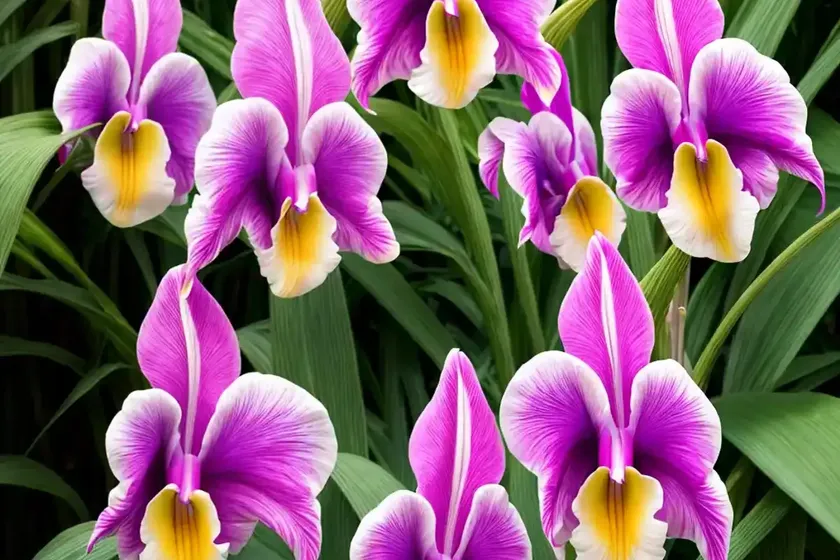
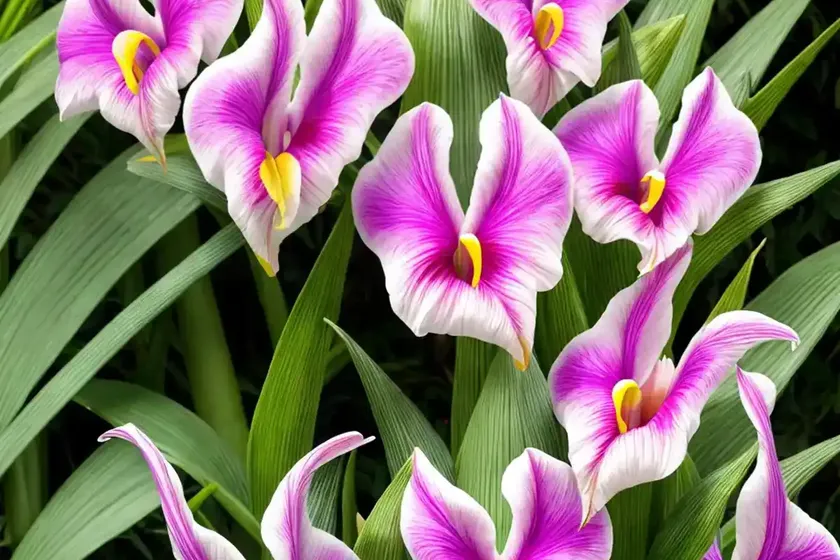
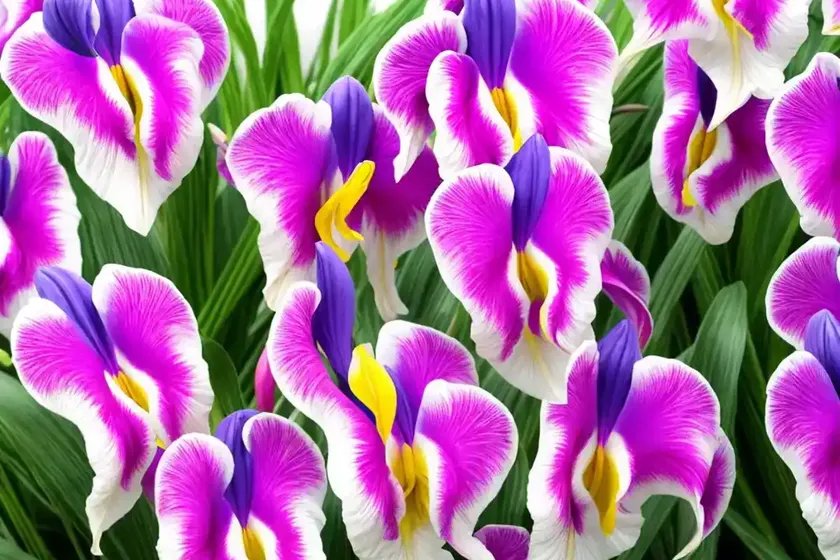
Eared Roscoea, scientifically known as Roscoea auriculata, is an enchanting ornamental plant that belongs to the Zingiberaceae family. This plant is renowned for its remarkable ornamental value, delicate flowers, and interesting foliage. It adds a unique charm to gardens and landscapes, making it a popular choice among plant enthusiasts.
In this comprehensive guide, we will delve into the taxonomy, characteristics, cultivation, care tips, and uses of the eared Roscoea plant. Additionally, we will explore its ecological significance and impact, providing valuable insights into its role in the natural environment. Whether you are a seasoned horticulturist or a beginner plant enthusiast, this article aims to provide essential knowledge and expert tips on the eared Roscoea plant.
What is Eared Roscoea (Roscoea auriculata)?
The eared Roscoea, Roscoea auriculata, is a perennial herbaceous plant native to the Himalayan region, particularly found in parts of India, Bhutan, and Nepal. This distinctive plant is characterized by its elegant appearance and unique features, earning it admiration among botanists, horticulturists, and gardeners. The genus Roscoea, to which Roscoea auriculata belongs, comprises approximately 20 species, with each species possessing its own distinct qualities and attributes.
The name “Roscoea” is derived from the Scottish botanist William Roscoe, emphasizing the historical significance and rich heritage of this plant. The species name “auriculata” is derived from the Latin word “auricula,” which means “ear-like” and refers to the shape of the leaves or the inflorescence of the plant.
Eared Roscoea is renowned for its striking flowers, which typically emerge in a range of vibrant colors, including purple, pink, and white. The elegant blooms, coupled with its unique foliage and growth habits, make it a standout addition to gardens, botanical collections, and natural landscapes. Let’s explore the various facets of this captivating plant in detail.
Key Takeaways – Eared Roscoea (Roscoea auriculata)
Before delving deeper into the details of the eared Roscoea plant, it is essential to highlight the key takeaways associated with its taxonomy, characteristics, cultivation, and uses. This section provides a succinct overview of the fundamental aspects of this captivating ornamental plant.
Taxonomy and Characteristics
- Scientific Name: Roscoea auriculata
- Family: Zingiberaceae
- Native Habitat: Himalayan region, including parts of India, Bhutan, and Nepal
- Genus: Roscoea, comprising approximately 20 species with distinct ornamental and horticultural attributes
Cultivation and Care
- Water Requirements: Moderate, well-drained soil, avoid waterlogging
- Sunlight: Partial shade to full sun, depending on climatic conditions
- Fertilizer: Balanced, organic fertilizer during the growing season
- Soil: Well-draining, rich organic soil with a slightly acidic to neutral pH
- Pruning: Minimal pruning required, remove faded flowers and dead foliage
- Propagation: Division of rhizomes, seeds
- Container Gardening: Well-suited for containers given the appropriate growing conditions
- Popularity: Increasing popularity among gardeners and horticulturists due to its unique aesthetic appeal and low maintenance requirements
Uses
- Medicinal Uses: Potential medicinal properties with ongoing research
- Gardening: Ornamental plant for gardens, landscapes, and botanical collections
- Ecological Significance: Attracts pollinators, contributes to biodiversity, and adds aesthetic value to natural ecosystems
Common Diseases and Pests
- Disease Susceptibility: Limited susceptibility to diseases, particularly if provided with optimal growing conditions
- Pest Control: Minimal pest issues; potential pest management strategies if necessary
Botanist’s Tips
- Soil Requirements: Well-draining, rich organic soil with good moisture retention
- Pruning Techniques: Minimal pruning, focus on removing spent flowers and maintaining plant vigor
- Winter Care: Protect from extreme cold and provide insulation as needed
- Container Gardening: Well-suited for container cultivation with appropriate growing medium and drainage
Fun Facts
- Unique Foliage: Roscoea auriculata exhibits distinct foliage, adding visual interest when not in bloom
- Ecological Value: Provides habitat and forage for wildlife, contributing to biodiversity and ecosystem health
- Cultural Significance: Holds cultural and historical relevance in regions where it is native
External Resources
For additional information and specialized insights on the eared Roscoea plant, explore the following external resources:
1. Royal Horticultural Society – Roscoea
2. Missouri Botanical Garden – Roscoea
3. The Plant List – Roscoea Species
4. Flora of Bhutan – Roscoea
5. Plants for a Future – Roscoea
Now that we have outlined the key takeaways, we will embark on a comprehensive exploration of the eared Roscoea plant, covering its taxonomy, cultivation, care requirements, and diverse uses. Let’s delve into the fascinating world of Roscoea auriculata and unravel its allure in the realm of ornamental horticulture and ecological significance.
The above content provides a comprehensive overview of the eared Roscoea plant, addressing the key takeaways associated with its taxonomy, cultivation, care, uses, and external resources. The subsequent sections will delve into each of these aspects in detail, offering in-depth insights, expert tips, and practical guidance for plant enthusiasts and horticultural practitioners.


