American Beech (Fagus Grandifolia)
Introduction The American beech (Fagus Grandifolia) is a captivating deciduous tree native to eastern North America, characterized by its smooth.
Introduction
The American beech (Fagus Grandifolia) is a captivating deciduous tree native to eastern North America, characterized by its smooth, silver-gray bark and dark green leaves. The species is often valued for its ornamental appeal in landscapes and its ecological importance in forest ecosystems. In this comprehensive guide, we will explore the intricate details of the American beech, from its cultural practices and uses to its propagation and common diseases. Whether you are a plant enthusiast, a landscaper, or a botanist, this article will provide valuable insights into the fascinating world of Fagus Grandifolia.
What is the American Beech (Fagus Grandifolia)?
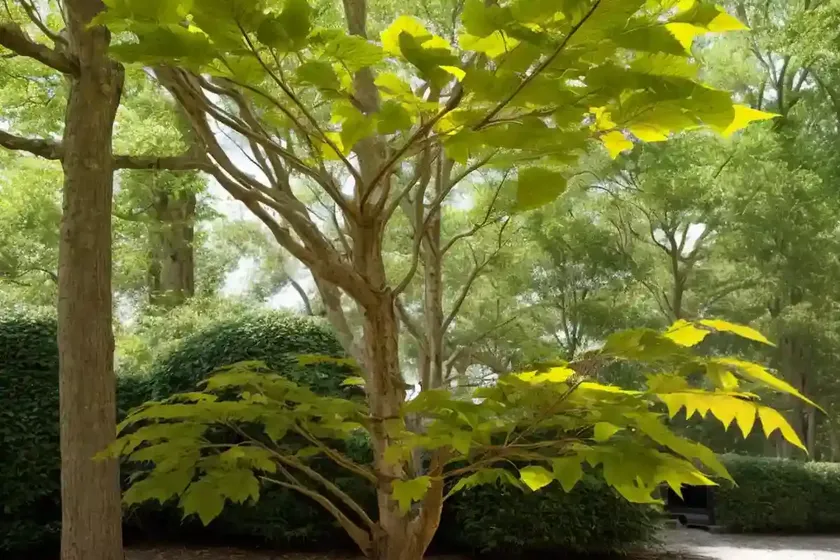
The American beech, scientifically known as Fagus Grandifolia, is a species of beech native to the eastern United States and eastern Canada. It is a member of the Fagaceae family, which also includes oaks and chestnuts. The tree can grow to impressive heights, often reaching 80-100 feet, with a broad crown that provides ample shade in its habitat.
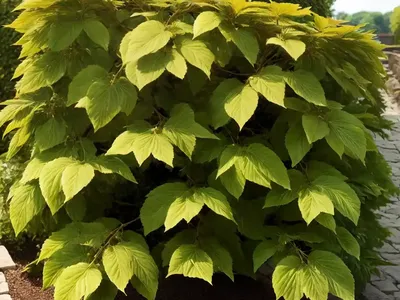
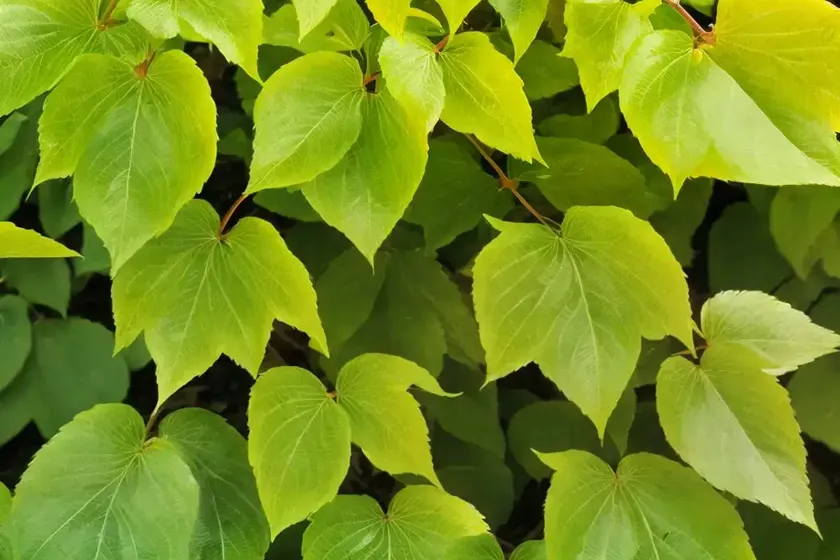
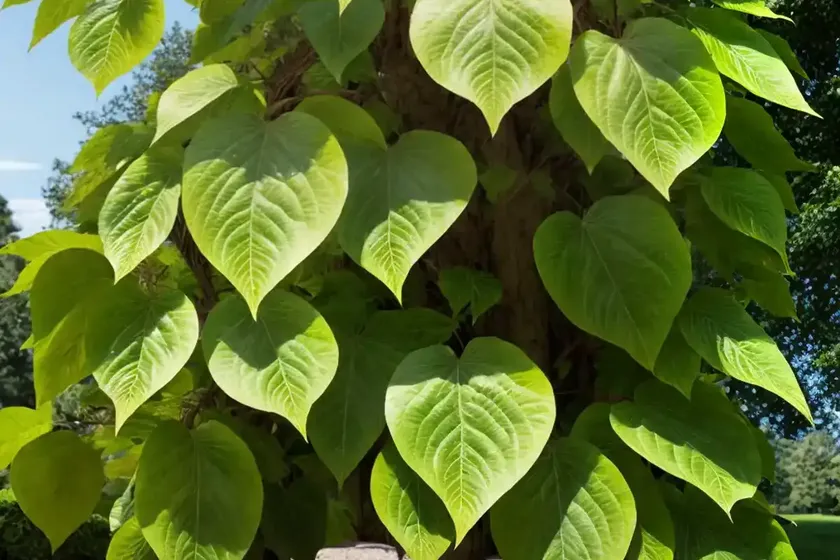
The leaves of the American beech are alternate, simple, and ovate with serrated margins, creating a visually distinct foliage. The species is monoecious, meaning it bears both male and female flowers on the same tree. The flowers are inconspicuous, appearing in spring alongside the unfolding leaves.
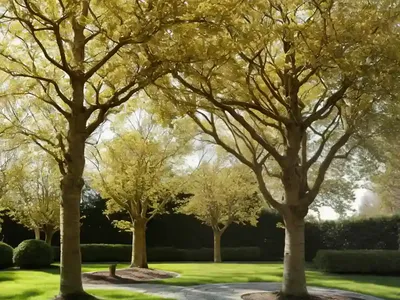
One of the most recognizable features of the American beech is its smooth, silver-gray bark that distinguishes it from many other tree species. The bark remains smooth and is often devoid of furrows or ridges, providing a unique visual texture in the forest landscape. The tree produces small, triangular nuts known as beechnuts, which are encased in spiky husks and serve as a food source for various wildlife species.
Key Takeaways – American Beech (Fagus Grandifolia)
The American beech, or Fagus Grandifolia, possesses a range of characteristics and attributes that make it a valuable addition to both natural and cultivated landscapes. Let’s explore the key takeaways associated with this distinguished tree:
Fagus Grandifolia
- The scientific name of the American beech, highlighting its taxonomical classification.
- Comprehensive information about the growth habits and ecological adaptations of Fagus Grandifolia in its native habitat.
American Beech Tree
- The common name for Fagus Grandifolia, reflecting its regional distribution and cultural significance as a native tree species.
Eastern Beech
- Another colloquial name for the American beech, indicative of its geographic range along the Eastern Seaboard of North America.
American Beech Plant
- An overview of the botanical features and ecological roles of the American beech as a prominent plant species in eastern North America.
Beechnut Tree
- A reference to the distinctive beechnuts produced by Fagus Grandifolia and their ecological importance as a food source for wildlife.
Fagus Grandifolia Growth Habits
- Insights into the growth patterns, reproductive strategies, and developmental characteristics of the American beech in natural and cultivated settings.
American Beech Conservation
- The conservation status and efforts aimed at preserving the natural habitats and genetic diversity of Fagus Grandifolia in its native range.
Fagus Grandifolia Characteristics
- A comprehensive exploration of the morphological, physiological, and ecological attributes that define the American beech as a distinct tree species.
American Beech Leaves
- Detailed descriptions of the foliage of Fagus Grandifolia, including leaf morphology, seasonal changes, and ecological functions.
Beech Wood Properties
- The valuable properties and commercial uses of beech wood, derived from the timber of Fagus Grandifolia and its applications in various industries.
Fagus Grandifolia Bark
- The unique characteristics of the bark of the American beech, emphasizing its smooth texture, silver-gray color, and visual appeal in natural landscapes.
American Beech Forests
- The ecological importance of American beech forests, their biodiversity, and their role in sustaining diverse plant and animal communities.
Beech Tree Habitat
- Insights into the preferred habitats and environmental conditions that support the growth and vitality of the American beech in its natural range.
Fagus Grandifolia Uses
- A comprehensive overview of the cultural, ecological, and economic uses of Fagus Grandifolia, highlighting its multifaceted significance.
American Beech Identification
- Guidelines and key characteristics for the identification and recognition of the American beech in diverse environmental settings.
Beech Tree Lifespan
- Information about the life cycle, longevity, and growth dynamics of Fagus Grandifolia, revealing insights into its ecological role over time.
Fagus Grandifolia Adaptations
- An exploration of the adaptive traits and evolutionary mechanisms that enable the American beech to thrive in a range of ecological conditions.
American Beech Benefits
- The ecological, aesthetic, and practical benefits associated with the presence of Fagus Grandifolia in natural and cultivated landscapes.
Beech Tree Ecology
- The intricate ecological relationships and interactions involving the American beech and its influence on forest ecosystems.
Fagus Grandifolia Distribution
- An overview of the geographic distribution of Fagus Grandifolia, encompassing its native range and historical patterns of dispersion.
American Beech Natural Habitat
- Insights into the natural habitats and ecological communities where the American beech thrives, including its associations with other plant and animal species.
Beech Tree Companions
- Information on compatible plant species and ecological companions that complement the presence of the American beech in diverse landscape designs.
Fagus Grandifolia Pests
- Identification and management strategies for common pests and diseases that affect the health and vitality of American beech trees.
American Beech Diseases
- An exploration of prevalent diseases and disorders that impact the foliage, bark, and overall well-being of Fagus Grandifolia.
Beech Tree Pruning
- Guidelines and best practices for pruning and shaping American beech trees to promote structural integrity and aesthetic appeal.
Fagus Grandifolia Planting Guide
- Recommendations and considerations for planting Fagus Grandifolia in residential, urban, and natural settings to ensure optimal growth and establishment.
American Beech Propagation
- Techniques and methods for propagating American beech trees through seeds, cuttings, and other horticultural practices.
Beech Tree Care Tips
- Practical advice and maintenance tips for nurturing healthy and vigorous American beech trees in diverse environments.
Fagus Grandifolia Medicinal Uses
- Traditional and contemporary applications of American beech derivatives in herbal medicine and therapeutic remedies.
American Beech Ornamental Value
- The ornamental appeal and landscaping potential of Fagus Grandifolia, highlighting its visual attributes and design versatility.
Beech Tree Shade Benefits
- The cooling and shading benefits provided by American beech trees in urban and natural landscapes, contributing to environmental comfort.
Fagus Grandifolia Wildlife Importance
- The ecological significance of American beech trees as habitat providers and food sources for a diversity of wildlife species.
American Beech Fall Foliage
- An exploration of the autumnal beauty and coloration of Fagus Grandifolia leaves, adding seasonal interest to landscapes.
Beech Tree Landscape Design
- Incorporating American beech trees into landscape designs, including considerations for visual impact, spatial arrangement, and ecological integration.
Fagus Grandifolia Gardening Tips
- Practical guidelines for gardening with American beech trees, emphasizing sustainable practices and harmonious coexistence with other plant species.
American Beech Winter Hardiness
- The ability of Fagus Grandifolia to withstand and thrive in winter conditions, including adaptations for cold temperatures and snowfall.
Beech Tree Root System
- Insights into the root structure and growth patterns of American beech trees, including considerations for soil stability and below-ground interactions.
Fagus Grandifolia Historical Significance
- The historical, cultural, and symbolic significance of American beech trees in human societies and ecological narratives.
American Beech Symbolism
- The symbolic meanings and cultural associations attributed to the American beech in art, literature, and folklore traditions.
Beech Tree Folklore
- Folkloric tales, myths, and legends surrounding the American beech, reflecting its cultural resonance and storytelling traditions.
Fagus Grandifolia Native Range
- An exploration of the original and natural distribution of Fagus Grandifolia in North America, encompassing its biogeographic patterns and environmental adaptations.
American Beech Soil Preferences
- Considerations for soil types, pH levels, and drainage conditions that support the healthy growth of American beech trees in diverse landscapes.
Beech Tree Companion Planting
- Planting companions and understory species that enhance the ecological diversity and aesthetic appeal of American beech habitats.
Fagus Grandifolia Leaf Morphology
- Detailed descriptions of the leaf structures, venation patterns, and adaptations of Fagus Grandifolia leaves to diverse environmental conditions.
American Beech Timber
- The commercial and industrial uses of American beech timber, including applications in woodworking, construction, and manufacturing.
Beech Tree Woodworking
- The qualities and characteristics of American beech wood that make it valuable for artistic, functional, and structural woodworking projects.
Fagus Grandifolia Shade Tolerance
- The shade-tolerant nature of American beech trees and their ecological roles in providing shelter and habitat diversity in forest environments.
American Beech Environmental Benefits
- The broader environmental contributions of American beech trees, including carbon sequestration, soil stabilization, and biodiversity support.
Beech Tree Fall Color
- The vibrant and diverse color palette exhibited by Fagus Grandifolia leaves during the autumn season, adding visual interest to landscapes.
Fagus Grandifolia Seed Dispersal
- The mechanisms and ecological pathways for the dispersal of American beech seeds, contributing to the reproductive success and genetic diversity of the species.
Culture
The American beech exhibits a distinctive cultural significance in the regions where it thrives, often revered for its natural beauty, ecological contributions, and historical importance. Cultivating a deeper understanding of the cultural dimensions associated with Fagus Grandifolia enriches our appreciation for this remarkable tree species.
Uses
- The multifaceted uses of American beech trees, encompassing ecological, horticultural, and landscape design applications, along with historical and traditional significance in local cultures.
Water
- Optimal irrigation and moisture requirements for sustaining the health and vitality of American beech trees, considering seasonal variations and soil conditions.
Sunlight
- Sunlight preferences and exposure considerations for American beech trees, balancing the need for light with protection from excessive heat or radiance.
Fertilizer
- Fertilization guidelines and nutrient management practices for promoting the growth and vigor of American beech trees in diverse soil conditions.
Soil
- Characteristics of suitable soil types, pH ranges, and texture preferences for American beech trees, providing the necessary support for root development and nutrient uptake.
Pruning
- Pruning methodologies and considerations for shaping, training, and maintaining the structure of American beech trees to enhance their health and visual appeal.
Propagation
- Techniques and approaches for propagating American beech trees through seeds, cuttings, and other horticultural methods, fostering genetic diversity and sustainable growth.
Container Popularity
- The appeal and considerations for cultivating American beech trees in containers, including constraints and opportunities for urban and small-space landscapes.
Container Common Diseases
- Common diseases and management strategies associated with growing American beech trees in container environments, addressing potential challenges and risks.
Common Diseases
American beech trees are prone to certain diseases and disorders that can impact their health and aesthetic appeal. Understanding the common ailments that affect Fagus Grandifolia is crucial for implementing effective management and preventative measures.
Disease Diagnosis
- Identifying symptoms, causal agents, and diagnostic indicators for common diseases that affect American beech trees, enabling proactive management and treatment.
Common Pests
- The prevalent insect pests and arthropod species that pose threats to the health and vitality of American beech trees, requiring targeted control measures.
Botanist’s Tips
Insights and practical recommendations from botanists and horticultural experts can provide valuable guidance for understanding and cultivating American beech trees. Leveraging their knowledge and experience can enhance our approach to appreciating and stewarding the ecological significance of Fagus Grandifolia.
Fun Facts
- Engaging and intriguing facts and trivia about American beech trees, showcasing their unique ecological adaptations, cultural significance, and historical relevance.
Links to External Resources
- Curated references and external resources featuring further information, educational materials, and specialized insights into American beech trees and their associated topics.
In conclusion, the American beech (Fagus Grandifolia) stands as a remarkable emblem of natural beauty, ecological diversity, and cultural resonance in eastern North America. By delving into the intricate facets of this distinguished tree species, we gain a deeper appreciation of its ecological contributions, historical significance, and horticultural significance. Whether in natural forests, urban parks, or residential gardens, the presence of Fagus Grandifolia enriches our surroundings and underscores the timeless connections between trees, ecosystems, and human societies.