European Beech (Fagus Sylvatica ‘Pendula’)
European beech, scientifically known as Fagus sylvatica ‘Pendula’, is a captivating tree renowned for its graceful, weeping form. This cultivar is highly.
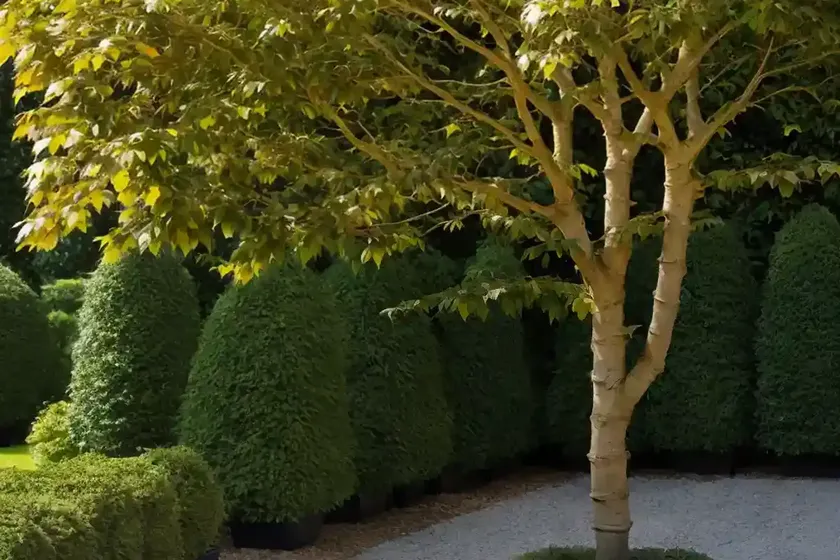
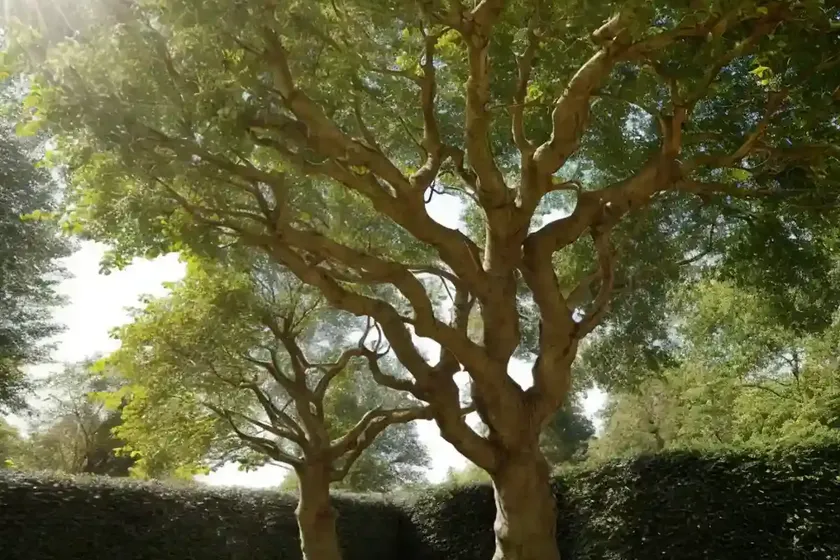
Introduction
European beech, scientifically known as Fagus sylvatica ‘Pendula’, is a captivating tree renowned for its graceful, weeping form. This cultivar is highly valued for its ornamental appeal and has become a popular choice in landscaping and horticulture. In this comprehensive guide, we will delve into the various aspects of European beech, from its cultural requirements and uses to its maintenance and potential challenges. Let’s embark on a journey to explore the enchanting world of Fagus sylvatica ‘Pendula’.
What is European Beech (Fagus sylvatica ‘Pendula’)?
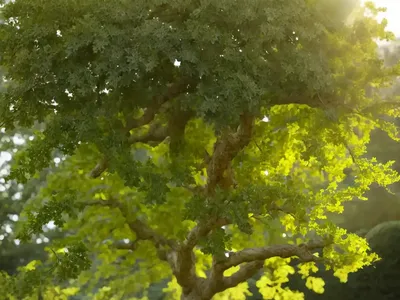
The European beech, Fagus sylvatica ‘Pendula’, belongs to the Fagaceae family and is a cultivar of the common beech (Fagus sylvatica). It is characterized by its pendulous branches, creating an elegant, cascading silhouette. This unique feature sets it apart from the typical upright growth habit of the species.
With its distinctive form, the European beech ‘Pendula’ offers a striking visual display, making it a sought-after choice for landscape designers, gardeners, and plant enthusiasts. This cultivar adds a touch of sophistication to gardens, parks, and urban environments, enhancing the aesthetic appeal of any setting.
Key Takeaways – European Beech (Fagus sylvatica ‘Pendula’)
Before we delve into the specific aspects of European beech ‘Pendula’, let’s take a moment to highlight the key points that we will explore in detail:
- Plant Name: European Beech (Fagus sylvatica ‘Pendula’)
- Cultural Requirements: Water, Sunlight, Fertilizer, Soil
- Maintenance: Pruning, Propagation
- Container Gardening: Tips for growing in containers
- Popularity and Uses: Landscape and ornamental purposes
- Challenges: Common diseases and pests
- Botanist’s Tips: Expert insights and recommendations
- Fun Facts: Interesting trivia about European beech ‘Pendula’
Now, let’s embark on a detailed exploration of the various facets of this captivating tree.
Culture
Water
European beech ‘Pendula’ requires consistent moisture to thrive, particularly during its early years of establishment. Adequate watering is essential, especially during dry spells or periods of drought. However, it’s crucial to avoid waterlogged soil, as excessive moisture can lead to root rot and other detrimental conditions.
Sunlight
When it comes to sunlight requirements, Fagus sylvatica ‘Pendula’ flourishes in partial to full sun. While it can tolerate some shade, providing ample sunlight is optimal for promoting healthy growth and maintaining the tree’s characteristic form.
Fertilizer
In terms of fertilizer, a balanced, slow-release fertilizer applied in early spring can provide the necessary nutrients for robust growth. Proper fertilization can support the development of lush foliage and contribute to the overall vigor of European beech ‘Pendula’.
Soil
European beech ‘Pendula’ thrives in well-drained, humus-rich soil. A slightly acidic to neutral pH is ideal for optimal growth. It’s essential to ensure that the soil is well-aerated to facilitate root development and prevent waterlogging, which can be detrimental to the tree’s health.
Maintenance
Pruning
Pruning is a key aspect of Fagus sylvatica ‘Pendula’ maintenance. Regular maintenance pruning is crucial to preserve the tree’s elegant form and remove any dead or damaged branches. Additionally, selective pruning can help manage the tree’s size and shape, ensuring its ornamental appeal is maintained.
Propagation
Propagation of European beech ‘Pendula’ can be achieved through various methods, including grafting and seed propagation. Grafting is a popular approach for propagating desirable cultivars to ensure that the unique characteristics of the parent plant are retained in the offspring. Seed propagation, while possible, may not consistently yield offspring with identical traits to the parent plant.
Container Gardening
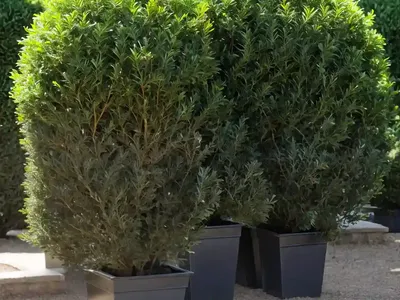
Fagus sylvatica ‘Pendula’ can be grown in containers, making it a versatile choice for patios, balconies, and small garden spaces. When cultivating European beech ‘Pendula’ in containers, it’s essential to consider the following factors:
- Container Size: Select a spacious container that provides ample room for root development.
- Drainage: Ensure that containers have adequate drainage holes to prevent waterlogging.
- Soil: Use a well-draining potting mix to provide the necessary aeration and moisture retention for the tree’s roots.
- Sunlight: Position containers in a location that receives sufficient sunlight to support healthy growth.
Popularity and Uses
Landscape and Ornamental Purposes
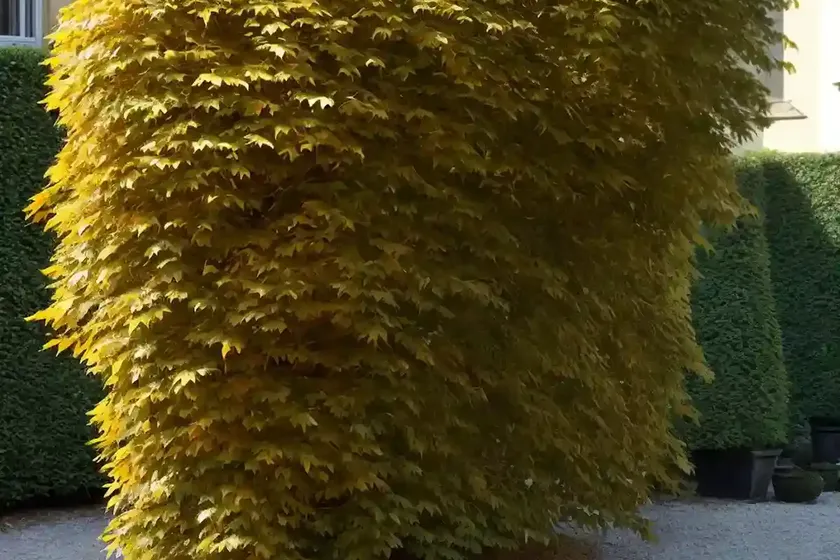
European beech ‘Pendula’ is esteemed for its ornamental value and is widely utilized in landscape design. Its weeping form adds an enchanting dimension to gardens, parks, and public spaces, making it a favored choice for creating visually striking landscapes. The graceful silhouette of Fagus sylvatica ‘Pendula’ serves as a captivating focal point, enhancing the overall aesthetic appeal of any setting.
Furthermore, this cultivar is often employed in urban environments, where its elegant form lends an air of sophistication to streetscapes, plazas, and commercial landscapes. The distinctive beauty of European beech ‘Pendula’ makes it a standout feature in various outdoor settings.
Challenges
Common Diseases
While European beech ‘Pendula’ is generally resilient, it can be susceptible to certain diseases. Common diseases that may affect Fagus sylvatica ‘Pendula’ include:
- Powdery Mildew: A fungal disease that can manifest as a powdery, white substance on the leaves.
- Leaf Spot: Characterized by the presence of dark spots or lesions on the foliage.
- Root Rot: Excessive moisture or poor drainage can lead to root rot, impacting the tree’s overall health.
Disease Diagnosis
When identifying and addressing potential diseases, it’s crucial to monitor the tree for any signs of distress or abnormalities. Timely intervention, including appropriate fungicidal treatments or cultural practices, can help mitigate the impact of diseases and preserve the health of European beech ‘Pendula’.
Common Pests
European beech ‘Pendula’ may also face challenges from pests such as aphids, scale insects, and caterpillars. Vigilance is key to detecting pest infestations early, allowing for effective pest management measures to be implemented promptly.
Botanist’s Tips
Expert Insights and Recommendations
To ensure the health and vibrancy of Fagus sylvatica ‘Pendula’, consider the following tips provided by botanists and horticultural experts:
- Regular monitoring: Keep a close eye on the tree’s foliage and overall condition to promptly address any issues that may arise.
- Proper pruning techniques: Adhere to best practices for pruning, maintaining the tree’s form while removing any dead or diseased branches.
- Selecting suitable planting sites: Choose locations with well-drained soil and adequate sunlight to optimize the tree’s growth.
Fun Facts
Let’s uncover some intriguing and delightful facts about European beech ‘Pendula’:
- The pendulous branches of Fagus sylvatica ‘Pendula’ create a captivating canopy that sways gracefully in the breeze, adding a sense of tranquility to the surrounding environment.
- European beech trees have a long-standing cultural significance and are often associated with wisdom and longevity in various traditions and folklore.
- The European beech is renowned for its exceptionally smooth, silvery-gray bark, which adds to its visual allure and tactile appeal.
Links to External Resources
For further exploration and in-depth information about European beech (Fagus sylvatica ‘Pendula’), consider consulting the following external resources:
- The Royal Forestry Society
- The Morton Arboretum
- Royal Horticultural Society
- American Society of Landscape Architects
In conclusion, European beech ‘Pendula’ (Fagus sylvatica ‘Pendula’) stands out as a captivating and versatile tree with remarkable ornamental qualities. Its graceful form, cultural significance, and adaptability make it a prized addition to gardens, landscapes, and urban environments. By understanding and meeting its cultural requirements, addressing potential challenges, and embracing its unique beauty, gardeners and horticultural enthusiasts can fully appreciate the enchanting allure of Fagus sylvatica ‘Pendula’.