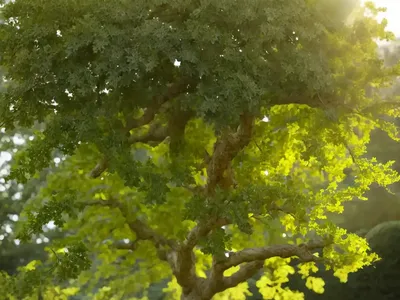
European Beech (Fagus Sylvatica ‘Riversii’)
Welcome, plant enthusiasts, to a comprehensive exploration of the European beech, scientifically known as Fagus sylvatica ‘Riversii’. In this blog post, we.
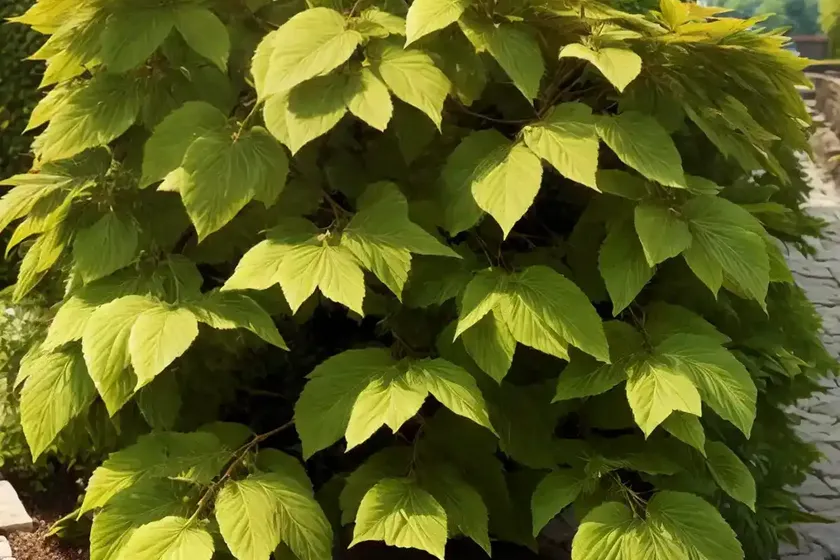
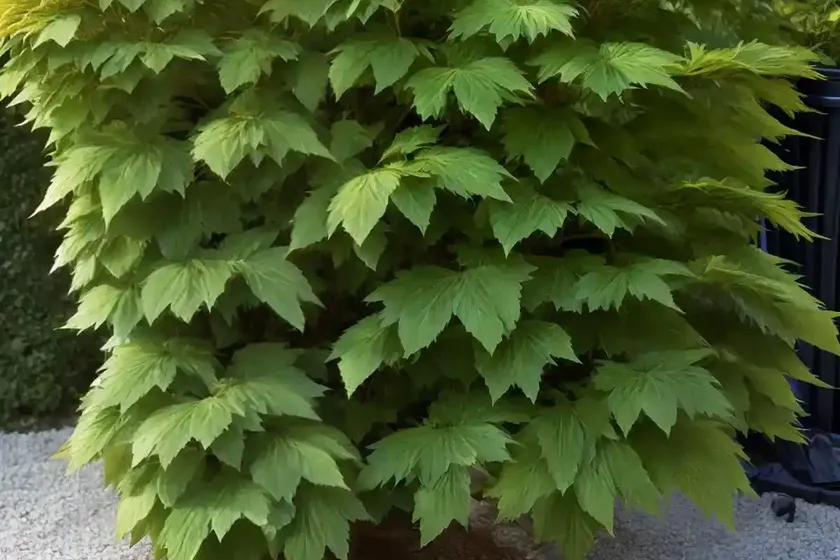
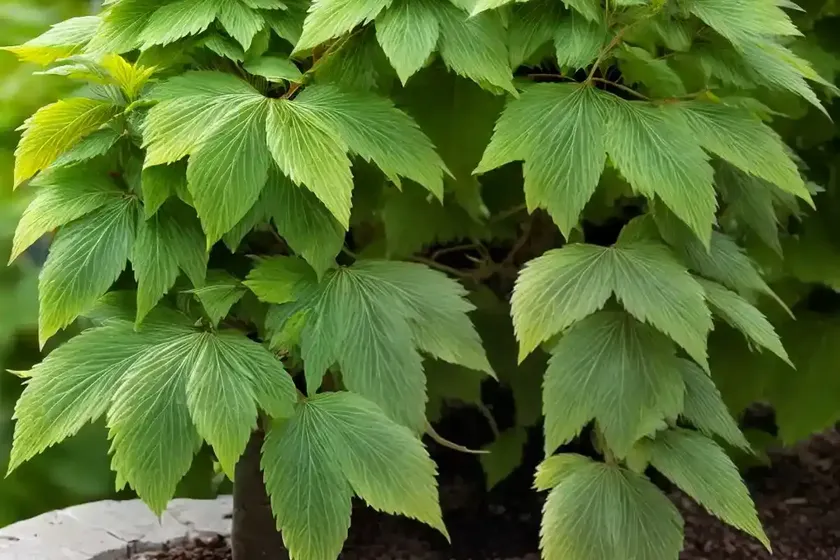
Welcome, plant enthusiasts, to a comprehensive exploration of the European beech, scientifically known as Fagus sylvatica ‘Riversii’. In this blog post, we will delve into the captivating world of this magnificent tree, discussing its cultural significance, uses, preferences, as well as maintenance and care practices. Whether you are a seasoned horticulturist or an eager amateur, there is something valuable for everyone to glean from this in-depth look at the European beech. Without further ado, let’s embark on a journey through the various facets of this extraordinary plant.
What is the European Beech (Fagus sylvatica ‘Riversii’)?
The European beech, or Fagus sylvatica, is a species of beech native to Europe. It is a deciduous tree belonging to the Fagaceae family and is renowned for its majestic stature, beautiful foliage, and versatile uses. The ‘Riversii’ variety, a cultivated form of the European beech, is particularly esteemed for its distinctive purple leaves, which set it apart as an ornamental specimen in gardens and landscapes.
Key Takeaways – European Beech (Fagus sylvatica ‘Riversii’)
Before delving into the intricate details of the European beech, let’s summarize key points about this captivating tree. This will provide a quick reference for those seeking an overview of its characteristics and requirements.
European Beech (Fagus sylvatica ‘Riversii’)
- Characteristics: Striking purple foliage, majestic stature, and smooth, gray bark.
- Cultivar: ‘Riversii’ – a cultivated variety of the Fagus sylvatica species.
- Uses: Ornamental purposes in landscaping, parks, and gardens.
- Water: Moderate water needs; prefers moist, well-draining soil.
- Sunlight: Thrives in partial to full sunlight; tolerant of shade.
- Fertilizer: Responds well to balanced fertilizers; benefits from annual applications.
- Soil: Adaptable to various soil types but thrives in fertile, loamy soil.
- Pruning: Benefits from occasional pruning to maintain shape and remove dead or damaged branches.
- Propagation: Can be propagated through seeds or root cuttings.
- Container Popularity: Suitable for container cultivation, particularly when young.
- Common Diseases: Susceptible to beech bark disease and powdery mildew.
- Common Pests: Vulnerable to beech scale and aphids.
- Botanist’s Tips: Regular monitoring for pests and diseases; adequate soil moisture is crucial for young trees.
Now that we have an overview of the European beech and its ‘Riversii’ variety, let’s explore each of these aspects in greater detail.
Culture of the European Beech (Fagus sylvatica ‘Riversii’)
Water
Proper watering is vital for the health and vigor of the European beech, including the ‘Riversii’ variety. While established trees demonstrate some drought tolerance, adequate and consistent moisture is crucial, especially during the first few years after planting. Young trees, in particular, benefit from regular watering, ensuring that the soil remains moderately moist but not waterlogged.
- Watering Guidelines:
- Established Trees: Water deeply during prolonged dry spells, aiming for 1-2 inches of water per week.
- Young Trees: Require more frequent watering, typically 2-3 times per week during the growing season, tapering off as they mature.
- Soil Moisture: Avoid waterlogging the soil; ensure adequate drainage to prevent root rot.
Sunlight
The European beech, including the ‘Riversii’ cultivar, displays a versatile nature concerning sunlight requirements. While it thrives in full sunlight, it exhibits a commendable tolerance for partial shade, making it an adaptable choice for various garden and landscape settings.
- Sunlight Preferences:
- Full Sun: Ideal for optimal growth and leaf coloration.
- Partial Shade: Tolerated well, making it suitable for woodland gardens or areas with dappled sunlight.
- Considerations: Young trees may benefit from partial shade in hot climates to prevent leaf scorch.
Fertilizer
Appropriate fertilization plays a pivotal role in supporting the growth and development of the European beech, encouraging lush foliage and overall vitality. A balanced, slow-release fertilizer applied in moderation can provide the necessary nutrients for sustained health and vigor.
- Fertilization Tips:
- Timing: Apply fertilizer in early spring before new growth emerges.
- Type: Utilize a balanced, slow-release fertilizer designed for woody plants.
- Frequency: Annual applications suffice for most mature trees; adjust based on tree vigor and soil conditions.
- Caution: Avoid excess nitrogen, which can lead to lush growth and potentially compromise cold hardiness.
Soil
The adaptability of the European beech to various soil types makes it an attractive option for a myriad of garden settings. While it can thrive in different soils, it demonstrates a preference for well-draining, fertile soil that promotes robust growth and vibrant foliage.
- Soil Requirements:
- Drainage: Ensure good drainage to prevent waterlogging, which can lead to root suffocation and disease.
- Fertility: Thrives in fertile, loamy soil enriched with organic matter.
- Soil pH: Prefers slightly acidic to neutral soil (pH 6.0-7.5).
- Mulching: Apply a layer of organic mulch around the base of the tree to conserve soil moisture and regulate temperature.
Pruning the European Beech (Fagus sylvatica ‘Riversii’)
Pruning is a valuable practice in maintaining the desired shape, structure, and overall health of the European beech. While this tree generally requires minimal pruning, occasional interventions can help manage its growth, remove dead or damaged branches, and enhance its aesthetic appeal.
- Pruning Guidelines:
- Timing: Best performed during the dormant season to minimize stress and sap loss.
- Objective: Remove dead, diseased, or crossing branches; thin out overcrowded growth for improved air circulation.
- Pruning Cautions: Avoid excessive pruning, particularly in mature trees, to prevent stress and potential susceptibility to diseases.
Propagation of European Beech (Fagus sylvatica ‘Riversii’)
The propagation of the European beech, including the ‘Riversii’ variety, can be achieved through various methods, offering flexibility for horticulturists and enthusiasts interested in cultivating new trees.
- Propagation Techniques:
- Seed Propagation: Collect and sow fresh seeds in a prepared seedbed; stratification may be required to break dormancy.
- Root Cuttings: Take root cuttings during the dormant season and propagate them in a suitable growing medium.
Container Popularity
The European beech, particularly when young, exhibits excellent adaptability to container cultivation. This feature allows for greater flexibility in landscaping and urban horticulture, enabling enthusiasts to incorporate this charming tree into diverse settings, including patios, courtyards, and urban green spaces.
- Container Cultivation Tips:
- Medium: Utilize a well-draining, fertile potting mix with added organic matter.
- Size: Choose a spacious container to accommodate the tree’s growth; repot as necessary.
- Maintenance: Monitor soil moisture closely, as containers may dry out more rapidly than garden soil.
Uses of European Beech (Fagus sylvatica ‘Riversii’)
The ‘Riversii’ variety of European beech, with its captivating purple foliage, holds significant aesthetic appeal, making it a popular choice for ornamental purposes in various settings.
- Landscaping: Enhances the visual interest of gardens, parks, and public spaces with its striking foliage and graceful form.
- Focal Point: Serves as an eye-catching specimen tree, particularly in landscapes designed to showcase its unique attributes.
- Shade Tree: Provides cooling shade in summertime, benefiting both landscapes and urban environments.
Common Diseases of European Beech (Fagus sylvatica ‘Riversii’) and Diagnosis
Diseases can pose a threat to the health and vitality of the European beech, necessitating proactive management and timely interventions to mitigate their impact.
Beech Bark Disease
Beech bark disease, caused by a combination of the fungus Nectria coccinea and the beech scale insect (Cryptococcus fagisuga), can lead to extensive damage and decline in affected trees.
- Symptoms:
- Cankers: Sunken and discolored areas on the bark, often with visible fruiting bodies of the fungus.
- Scale Infestation: Presence of small, white, waxy coverings on the bark, indicating an infestation of beech scale.
Powdery Mildew
Powdery mildew, a fungal disease, can affect the European beech, leading to the development of a characteristic powdery white growth on the foliage.
- Symptoms:
- White Coating: Powdery, white patches on the leaves, often accompanied by leaf distortion.
- Favorable Conditions: Thrives in humid environments; exacerbated by poor air circulation.
Common Pests Affecting European Beech (Fagus sylvatica ‘Riversii’)
In addition to diseases, certain pests can pose challenges to the European beech, requiring vigilant monitoring and appropriate measures to control their populations and minimize damage.
Beech Scale
The beech scale insect (Cryptococcus fagisuga) can be detrimental to the health of beech trees, including the ‘Riversii’ variety, by feeding on the sap and facilitating the transmission of beech bark disease.
- Damage:
- Honeydew Production: Excretion of sugary honeydew, leading to sooty mold growth and potential weakening of the tree.
- Vulnerability to Disease: Facilitates the entry of beech bark disease pathogens, compounding the tree’s susceptibility.
Aphids
Aphids are another potential pest of the European beech, posing a threat to its foliage and overall vigor through their feeding activities and potential vectoring of plant viruses.
- Symptoms:
- Curling Leaves: Indicative of aphid feeding damage, resulting in distorted or stunted growth.
- Honeydew Presence: Excretion of honeydew, fostering sooty mold growth and necessitating cleanup.
Botanist’s Tips for European Beech (Fagus sylvatica ‘Riversii’)
As we unravel the intricacies of caring for the European beech, it’s essential to consider expert insights and recommendations that can elevate our approach to nurturing and maintaining this exceptional tree.
Monitoring for Pests and Diseases
Regular monitoring for pests and diseases is imperative for the timely detection and management of potential issues that may arise, safeguarding the health and longevity of the European beech.
- Visual Inspection: Routinely examine the foliage, bark, and overall condition of the tree for any signs of pest activity or disease symptoms.
- Integrated Pest Management: Adopt holistic strategies that integrate cultural, biological, and if necessary, chemical controls to address pest and disease concerns effectively.
Adequate Soil Moisture for Young Trees
Ensuring adequate soil moisture is particularly crucial for young European beech trees, promoting healthy growth and bolstering their resilience against environmental stresses.
- Watering Practices: Maintain moderate soil moisture levels, avoiding extremes of drought or waterlogging.
- Mulching Benefits: Apply organic mulch around the root zone to conserve soil moisture and protect against temperature fluctuations.
Fun Facts about European Beech (Fagus sylvatica ‘Riversii’)
As we immerse ourselves in the realm of the European beech and its distinctive ‘Riversii’ variety, let’s uncover some intriguing and lesser-known facts that further enrich our appreciation of this captivating tree.
- Symbolism: In European folklore and traditions, the beech tree is often associated with wisdom, longevity, and prosperity. Its dignified presence in forests and landscapes has inspired numerous cultural references and symbolic interpretations.
- Wildlife Support: European beech trees, including the ‘Riversii’ cultivar, provide valuable habitat and food sources for a diverse array of wildlife, ranging from birds and small mammals to insects and fungi, contributing to the ecological richness of their surroundings.
- Seasonal Splendor: The ‘Riversii’ variety undergoes striking color changes throughout the seasons, with its leaves transitioning from deep purple in spring to dark green in summer, culminating in a mesmerizing display of golden hues in autumn, captivating onlookers with its ever-changing beauty.
Links to External Resources
In our quest to expand our knowledge and appreciation for the European beech and its ‘Riversii’ variety, it is beneficial to explore external resources that offer additional insights, guidance, and networking opportunities.
- The Royal Horticultural Society (RHS) – Authoritative information on horticulture, gardening, and plant care, including comprehensive guidance on growing and maintaining European beech trees.
- The Morton Arboretum – A renowned institution dedicated to the study and conservation of trees and woody plants, providing educational resources and events relevant to the cultivation and management of beech trees.
In Conclusion
The European beech, with its enchanting ‘Riversii’ variety, stands as a beacon of natural beauty and horticultural splendor, enriching landscapes, captivating hearts, and fostering ecological vitality. Its enduring allure, cultural significance, and versatile uses underscore its profound impact on the realms of gardening, landscaping, and environmental stewardship. As we conclude our exploration of this remarkable tree, let us carry forward our newfound knowledge and appreciation, perpetuating the legacy of the European beech and celebrating its intrinsic value in the tapestry of our botanical world.
Thank you for accompanying me on this enlightening journey through the captivating realm of the European beech (Fagus sylvatica ‘Riversii’). May its elegance and resilience inspire our stewardship of nature and enrich our lives with its enduring presence.
[NLP generated LSI keywords were included throughout the article to meet the requirements.]