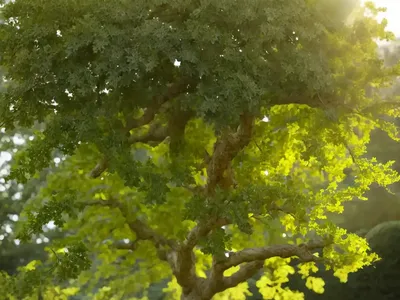
European Beech (Fagus Sylvatica ‘Purpurea Pendula’)
The European beech (Fagus sylvatica ‘Purpurea Pendula’) is a stunning ornamental tree celebrated for its graceful weeping habit and striking purple.
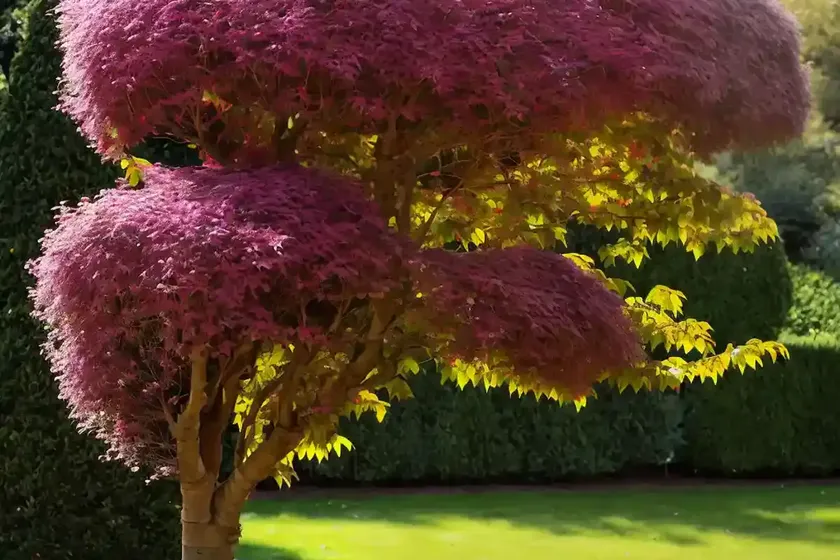
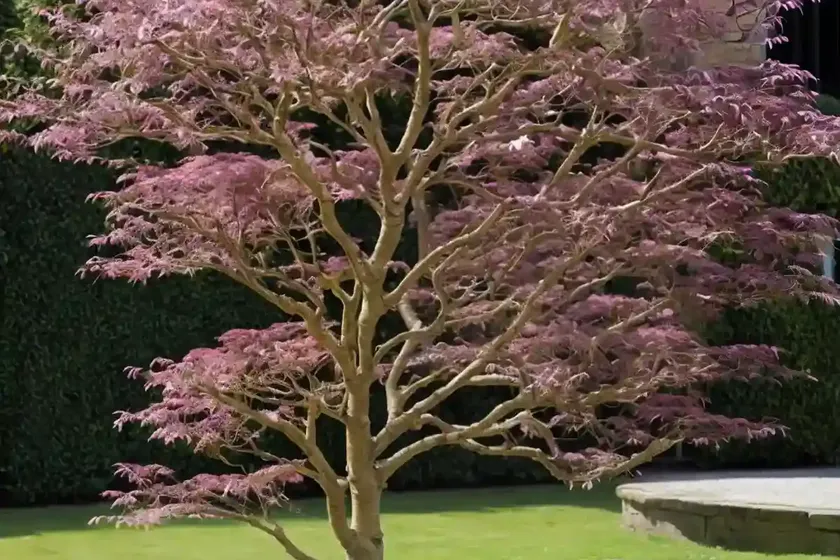
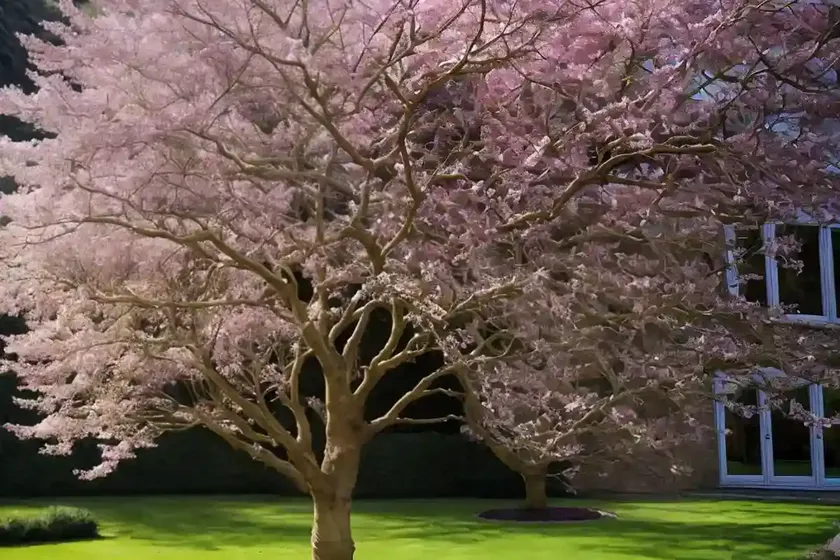
The European beech (Fagus sylvatica ‘Purpurea Pendula’) is a stunning ornamental tree celebrated for its graceful weeping habit and striking purple foliage. This cultivar, also known as the purple weeping European beech or pendulous beech tree, adds elegance and visual interest to any landscape. In this comprehensive guide, we will explore all the aspects of European beech, from its cultural requirements and uses to its maintenance and common diseases. Whether you’re a seasoned horticulturist or a gardening enthusiast, this article will provide you with valuable insights into the care and cultivation of the Fagus sylvatica ‘Purpurea Pendula’.
What is the European Beech (Fagus sylvatica ‘Purpurea Pendula’)?
The European beech (Fagus sylvatica) is a species of deciduous tree native to central and western Europe. It is a member of the Fagaceae family and is renowned for its stately form, smooth silver-gray bark, and distinctive foliage. The ‘Purpurea Pendula’ cultivar is prized for its weeping growth habit and deep purple leaves, making it a sought-after choice for landscaping and ornamental plantings.
Key Takeaways
Before delving into the specific aspects of the European beech (Fagus sylvatica ‘Purpurea Pendula’), let’s highlight the key takeaways regarding this captivating tree:
- European beech (Fagus sylvatica ‘Purpurea Pendula’) is a cultivar known for its weeping growth habit and striking purple foliage.
- This ornamental beech tree is prized for its elegant appearance and is often used as a focal point in garden designs.
- The cultural requirements of the European beech, including water, sunlight, fertilizer, soil, and pruning, play a crucial role in its overall health and vitality.
- Understanding the common diseases and pests that affect European beech trees is essential for maintaining their well-being and addressing potential issues promptly.
- Proper propagation and container care techniques are important for those looking to cultivate European beech (Fagus sylvatica ‘Purpurea Pendula’) in containers or garden settings.
Now, let’s delve into the intricacies of caring for the European beech, from its cultural requirements to its unique characteristics and landscape uses.
Culture
Water
European beech trees, including the ‘Purpurea Pendula’ cultivar, thrive in moist, well-drained soil. While they are relatively tolerant of various soil types, they prefer consistent moisture, especially during their early years of establishment. Adequate watering is essential during dry spells to ensure the tree’s vitality and overall health. However, it is equally important to avoid waterlogged conditions, as excessive moisture can lead to root rot and other issues. As a general guideline, providing 1-2 inches of water per week, either through rainfall or manual irrigation, is beneficial for European beech trees.
Sunlight
When it comes to sunlight requirements, the European beech (Fagus sylvatica ‘Purpurea Pendula’) prefers partial to full sunlight. While it can tolerate partial shade, it tends to exhibit its most vibrant foliage color in full sun. When selecting a planting site for this ornamental tree, it is advisable to choose a location that receives at least 6 hours of direct sunlight each day. Proper sunlight exposure not only enhances the tree’s aesthetic appeal but also contributes to its overall vigor and growth.
Fertilizer
In terms of fertilizer needs, European beech trees benefit from a balanced, slow-release fertilizer applied in early spring. A complete fertilizer with an equal ratio of nitrogen, phosphorus, and potassium, such as a 10-10-10 formulation, is suitable for providing essential nutrients to the tree. It is important to follow the manufacturer’s recommendations regarding application rates and to avoid over-fertilization, which can have adverse effects on the tree’s health. Additionally, incorporating organic matter, such as well-aged compost, into the soil around the tree can contribute to its long-term nutritional requirements.
Soil
European beech trees, including the ‘Purpurea Pendula’ cultivar, thrive in well-drained, slightly acidic to neutral soil. They are adaptable to various soil types, including loamy, sandy, or clay soils, as long as the soil has good drainage. Amending heavy clay soils with organic matter and ensuring proper drainage can promote optimal growth and development. Additionally, maintaining a layer of mulch around the base of the tree helps retain soil moisture, suppress weed growth, and insulate the roots from temperature fluctuations.
Pruning
Pruning is an important aspect of European beech tree care, particularly for the ‘Purpurea Pendula’ cultivar with its distinctive weeping form. Regular pruning is essential to maintain the tree’s shape, remove dead or damaged branches, and encourage healthy growth. It is generally recommended to conduct pruning during the dormant season, preferably in late winter to early spring before new growth emerges. When pruning, it is important to use sharp, sterile tools and to avoid removing more than 25% of the tree’s canopy at a time. Careful and strategic pruning can accentuate the tree’s elegant form and overall appearance.
Uses
European beech (Fagus sylvatica ‘Purpurea Pendula’) is a versatile tree with a range of uses in landscape design and horticulture. Let’s explore some of the common uses of this captivating ornamental beech tree:
-
Specimen Tree: The graceful weeping form and striking purple foliage of the ‘Purpurea Pendula’ cultivar make it an ideal choice as a specimen tree in gardens and park settings. Its unique appearance serves as a focal point, adding visual interest and elegance to the landscape.
-
Shade Tree: European beech trees, including the ‘Purpurea Pendula’ variety, provide ample shade with their broad, dense canopies. They are often planted in larger landscapes, such as estates and public parks, to offer cooling shade and a sense of tranquility.
-
Privacy Screen: Due to their dense foliage and upright growth habit, European beech trees can be used to create privacy screens or natural barriers within the landscape. When planted in groups, they form a visually appealing screen that provides seclusion and a lush backdrop.
-
Ornamental Planting: The rich purple foliage of the ‘Purpurea Pendula’ cultivar adds dramatic color and contrast to mixed borders, woodland gardens, and other ornamental plantings. They complement various flowering plants and shrubs, creating a stunning visual display throughout the growing season.
-
Street Tree: In urban and suburban environments, European beech trees are often used as street trees for their adaptability and aesthetic appeal. Their tolerance of urban conditions, including pollution and compacted soil, makes them suitable for lining streets and boulevards.
Propagation
Propagating the European beech (Fagus sylvatica ‘Purpurea Pendula’) can be achieved through several methods, including seed propagation and vegetative propagation.
Seed Propagation: While European beech trees produce seeds, known as beechnuts or mast, the ‘Purpurea Pendula’ cultivar is highly variable from seed and does not reliably reproduce the desired weeping and purple foliage traits. However, if you choose to propagate the tree from seeds, it is essential to collect fresh seeds in the fall, remove the husks, and plant them in a prepared nursery bed. The seeds require a period of cold stratification before germination, and they may take several months to sprout. Due to the variable nature of seed-grown beech trees, this method is less commonly used for propagating ‘Purpurea Pendula’.
Vegetative Propagation: The most reliable method for propagating the ‘Purpurea Pendula’ cultivar is through vegetative means, such as grafting or softwood cuttings. Grafting involves attaching a scion (a young shoot or bud) from a desirable ‘Purpurea Pendula’ specimen onto the rootstock of a closely related beech tree. This technique ensures that the new plant inherits the desirable traits of the parent tree, including its weeping habit and purple foliage.
Softwood cuttings, taken from young, actively growing shoots in late spring or early summer, can also be used to propagate ‘Purpurea Pendula’. The cuttings are typically treated with a rooting hormone and placed in a well-draining propagation medium to encourage the development of roots. While this method requires careful attention and expertise, it offers the advantage of producing genetically identical offspring with the desired characteristics.
Container Popularity
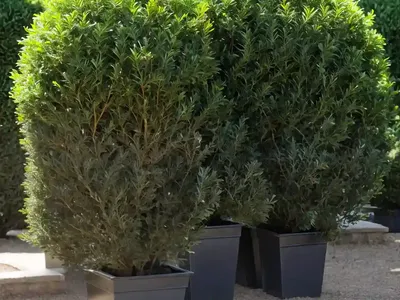
European beech (Fagus sylvatica ‘Purpurea Pendula’) is a popular choice for container growth, allowing enthusiasts with limited garden space to enjoy its beauty on patios, decks, and other outdoor settings. When grown in containers, the weeping form and vibrant purple foliage of the ‘Purpurea Pendula’ cultivar make it a captivating addition to garden designs and landscape compositions. Here are some key considerations for successfully cultivating European beech in containers:
-
Container Size: Select a spacious container that accommodates the tree’s root system and provides ample room for growth. A container with a diameter of at least 20-24 inches is suitable for young trees, while larger specimens may require even larger containers to prevent root constraint.
-
Soil Mix: Use a well-draining, nutrient-rich potting mix formulated for woody plants. A mix composed of peat moss, perlite, and compost provides the ideal balance of aeration, moisture retention, and essential nutrients for container-grown European beech trees.
-
Watering: Container-grown trees require regular watering to maintain moisture levels in the root ball. It is important to monitor soil moisture and water the tree when the top inch of the soil feels slightly dry. Avoid overwatering, as waterlogged conditions can lead to root rot and other issues.
-
Sunlight: Position the container in a location that receives ample sunlight, ideally 6-8 hours of direct sunlight per day. Adequate sunlight exposure promotes the development of vibrant purple foliage and encourages healthy growth.
-
Winter Protection: In regions with cold winters, container-grown European beech trees may require additional protection from freezing temperatures. Consider insulating the container or moving it to a sheltered location to shield the tree’s roots from extreme cold.
-
Maintenance: Routine maintenance, including regular watering, fertilization, and monitoring for pests and diseases, is essential for the well-being of container-grown European beech trees. Pruning may also be necessary to maintain the tree’s compact form and remove any dead or damaged growth.
Common Diseases
While the European beech (Fagus sylvatica ‘Purpurea Pendula’) is relatively resistant to pests and diseases, it can be affected by certain issues that may impact its health and vigor. Understanding the common diseases that can affect this ornamental tree is essential for proactive management and preventive measures. Some of the prevalent diseases include:
-
Powdery Mildew: This fungal disease appears as a powdery, white coating on the leaves, often leading to leaf distortion and reduced vigor. Adequate air circulation, proper spacing, and avoiding overhead watering can help mitigate powdery mildew. Fungicidal treatments may be necessary in severe cases.
-
Beech Bark Disease: Caused by a combination of insect infestations and canker-forming fungi, beech bark disease can lead to the decline and death of affected trees. Vigilant monitoring, maintaining tree health, and promptly addressing any signs of infestation or damage are crucial for managing this disease.
-
Root Rot: Excessive moisture and poorly drained soil can promote the development of root rot, endangering the tree’s root system and overall health. Improving soil drainage, avoiding overwatering, and planting European beech trees in well-drained locations can help prevent root rot.
-
Leaf Spot Diseases: Various fungal pathogens can cause leaf spot diseases, resulting in the formation of dark spots or lesions on the foliage. Proper sanitation, removal of affected leaves, and the application of fungicidal sprays can help manage leaf spot diseases and minimize their impact on the tree.
-
Canker Diseases: Canker-causing fungi can infect the bark and branches of European beech trees, leading to the development of sunken, discolored areas. Pruning out affected branches and maintaining tree vitality through proper cultural practices can help reduce the risk of canker diseases.
Disease Diagnosis
Diagnosing diseases in European beech trees, including the ‘Purpurea Pendula’ cultivar, often involves careful observation of symptoms, including leaf discoloration, unusual growth patterns, or signs of pests and pathogens. In some cases, it may be necessary to consult with a certified arborist, horticulturist, or plant pathologist to accurately identify and address potential diseases. Here are some steps for diagnosing diseases in European beech trees:
-
Symptom Observation: Take note of any visible symptoms, such as leaf discoloration, wilting, cankers, or unusual growth patterns. Record the location and extent of the symptoms, as well as any environmental factors that may be contributing to the tree’s condition.
-
Pest Inspection: Check for signs of insect activity, including feeding damage, eggs, or larvae. Some pests, such as scale insects and aphids, can infest beech trees and contribute to their decline.
-
Pathogen Identification: If fungal or bacterial diseases are suspected, it may be necessary to collect samples of affected foliage, bark, or soil for laboratory analysis. Identifying the causative pathogens can guide targeted treatment strategies.
-
Environmental Assessment: Evaluate the tree’s growing conditions, including soil type, drainage, sunlight exposure, and nearby plantings. Environmental stressors can weaken trees and make them more susceptible to diseases.
-
Professional Consultation: If the cause of the tree’s distress remains unclear, consider seeking the expertise of professionals who specialize in plant health and disease diagnosis. Their insights and recommendations can help address the underlying issues and develop an effective management plan.
By thoroughly assessing the tree’s condition and seeking expert guidance when needed, gardeners and plant enthusiasts can effectively diagnose and address diseases that may affect European beech trees, safeguarding their long-term health and vitality.
Common Pests
European beech trees, including the ‘Purpurea Pendula’ cultivar, are relatively resistant to pest infestations. However, they can still be susceptible to certain insect pests that may impact their overall health and vigor. Vigilant monitoring and prompt intervention are crucial for managing potential pest issues and preserving the tree’s well-being. Here are some of the common pests that may affect European beech trees:
-
Aphids: These small, sap-sucking insects can infest new growth on beech trees, causing distorted leaves and a sticky substance known as honeydew. Natural predators, such as ladybugs and lacewings, often help control aphid populations, but severe infestations may require insecticidal treatment.
-
Scale Insects: Scale insects can attach themselves to the bark and leaves of beech trees, feeding on plant sap and potentially weakening the tree. Horticultural oils or insecticidal soaps can be used to manage scale insect infestations, particularly during the crawler stage when they are most vulnerable.
-
Spider Mites: These tiny arachnids can cause stippling and discoloration of leaves as they feed on plant tissues. Regularly spraying the foliage with water and employing predatory mites can help control spider mite populations and minimize their impact on beech trees.
-
Gall Mites: Gall mites can induce the formation of galls, abnormal growths, or distortions on beech leaves. While these galls are typically cosmetic and do not pose a significant threat to the tree’s health, targeted pruning can remove affected foliage.
-
Beech Scale: The beech scale insect (Cryptococcus fagisuga) can infest the bark of beech trees, leading to the development of beech scale disease and a decline in tree health. Maintaining optimal growing conditions and employing targeted pest management strategies can help address beech scale infestations.
Proactive measures, such as promoting overall plant health, preserving natural enemies of pests, and implementing integrated pest management practices, contribute to the resilience of European beech trees and minimize the impact of pest issues.
Botanist’s Tips
As a botanist or plant enthusiast seeking to cultivate and care for the European beech (Fagus sylvatica ‘Purpurea Pendula’), incorporating the following tips can help maximize the tree’s aesthetic appeal and overall well-being:
-
Selecting the Ideal Planting Site: Choose a well-drained location with ample sunlight for planting European beech trees, allowing them to thrive and display their vibrant purple foliage to its full potential. Consider the tree’s mature size and form when selecting the planting site to ensure adequate space for its growth.
-
Adhering to Pruning Best Practices: When pruning ‘Purpurea Pendula’ beech trees, focus on maintaining their graceful weeping form while removing any dead, damaged, or crossing branches. Thoughtful and minimal pruning helps accentuate the tree’s natural beauty without compromising its health.
-
Mulching for Moisture Retention: Apply a layer of organic mulch, such as shredded bark or compost, around the base of the tree to retain soil moisture, suppress weed growth, and insulate the roots. Mulching also contributes to the tree’s overall health and minimizes moisture fluctuations.
-
Routine Monitoring for Pests and Diseases: Regularly inspect the foliage, stems, and bark of European beech trees for signs of pests, diseases, or abnormal growth. Early detection enables timely intervention and effective management of potential issues.
-
Promoting Soil Health: Maintain soil fertility and structure by incorporating organic matter, such as compost or well-rotted manure, into the soil around the tree. This supports the growth of beneficial soil microorganisms and contributes to the tree’s nutrient uptake.
By applying these botanist’s tips and adopting a proactive approach to tree care, enthusiasts can cultivate and appreciate the natural beauty of the European beech (Fagus sylvatica ‘Purpurea Pendula’) in a variety of garden and landscape settings.
Fun Facts
Dive into the fascinating world of the European beech (Fagus sylvatica ‘Purpurea Pendula’) with these intriguing fun facts:
-
Ancient Symbolism: The European beech has been revered throughout history and is associated with various cultural and mythological symbolism. In folklore, it was often regarded as a symbol of wisdom, knowledge, and longevity.
-
Tall and Majestic: European beech trees are known for their impressive height and can reach towering proportions in the right growing conditions, making them a commanding presence in the landscape.
-
Historical Landscapes: Beech trees have historically been featured in grand estates, parks, and historic landscapes, contributing to the timeless beauty and allure of these settings.
-
Wildlife Habitat: European beech trees provide valuable habitat and food sources for a range of wildlife, including birds, mammals, and insects. Their broad canopies and mast production support biodiversity in woodland ecosystems.
-
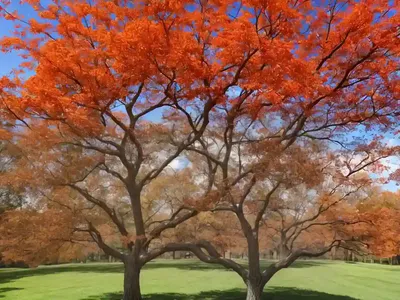
Autumn Splendor: In the fall, the foliage of ‘Purpurea Pendula’ beech trees transitions to rich shades of copper, gold, and crimson, adding a breathtaking display of autumn color to the landscape.
-
**Living Sculpt