European Beech (Fagus Sylvatica)
European beech (Fagus sylvatica) is a remarkable tree species with a rich cultural and ecological significance. With its beautiful foliage and stately.
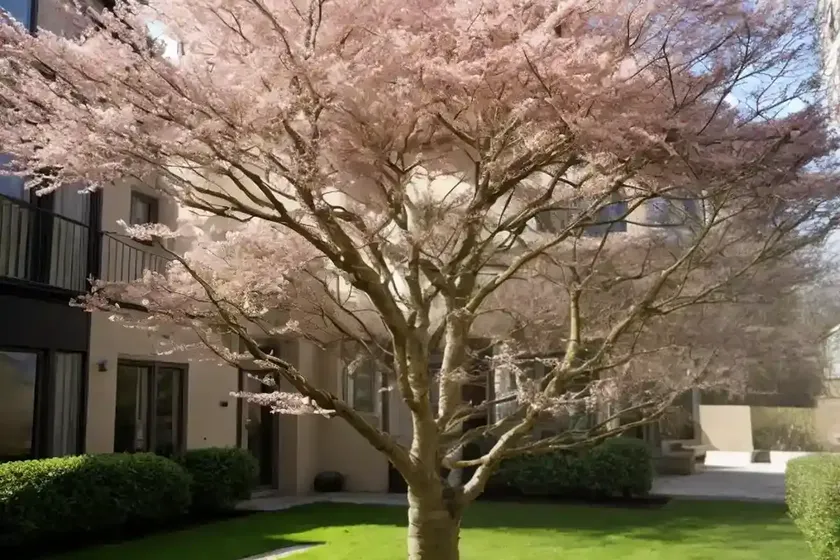
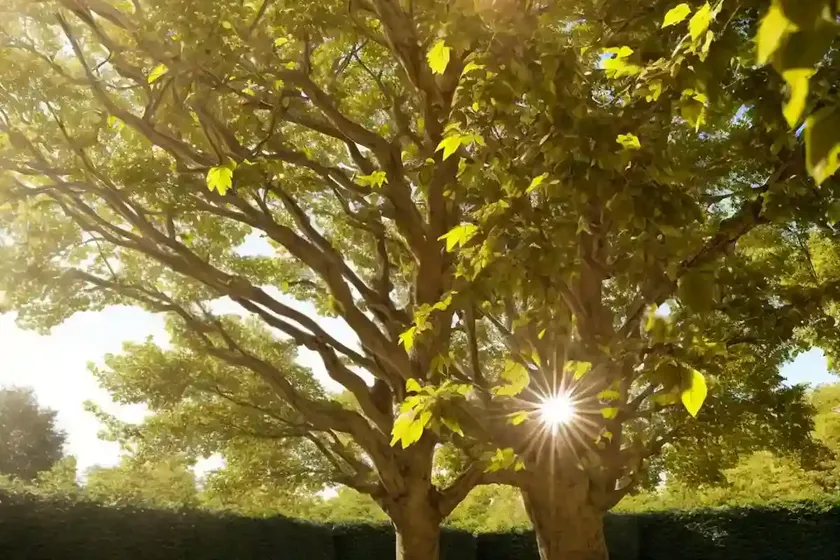
Introduction to European Beech (Fagus Sylvatica)
European beech (Fagus sylvatica) is a remarkable tree species with a rich cultural and ecological significance. With its beautiful foliage and stately presence, the European beech has long been an iconic tree across the continent. In this comprehensive guide, we will delve into the various aspects of European beech, including its cultural uses, habitat requirements, biodiversity importance, and much more.
What is European Beech (Fagus Sylvatica)?
Taxonomy and Distribution
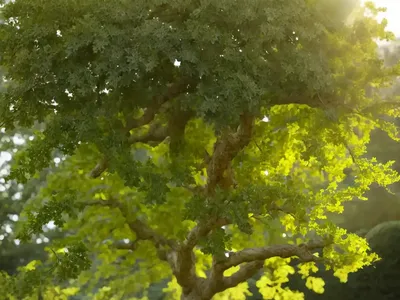
Fagus sylvatica, commonly known as European beech, belongs to the Fagaceae family and is native to various regions of Europe. It is a deciduous tree known for its smooth, silver-grey bark, and shiny, dark green leaves with wavy margins. The European beech is also cultivated and valued for its wood, which has a wide range of applications.
European Beech Classification
- Kingdom: Plantae
- Phylum: Angiosperms
- Class: Eudicots
- Order: Fagales
- Family: Fagaceae
- Genus: Fagus
- Species: Fagus sylvatica
European Beech Names and Synonyms
The European beech is known by several other common names, including common beech, beech tree, and red beech. Additionally, the scientific name, Fagus sylvatica, is commonly used in botanical contexts.
Now, let’s dive into the key takeaways and essential aspects of European beech, encompassing its culture, uses, habitat requirements, and maintenance practices.
Key Takeaways – European Beech (Fagus Sylvatica)
European Beech Culture
When it comes to the culture of European beech, it’s essential to consider its historical, ecological, and cultural significance. The European beech has been deeply ingrained in folklore, art, and literature, symbolizing strength, longevity, and wisdom.
Uses of European Beech
European beech holds immense practical value, especially as a timber species. Its wood is highly regarded for its strength, durability, and attractive grain patterns, making it sought after for furniture, flooring, and veneer. Additionally, the tree’s ornamental beauty makes it a popular choice in landscaping and urban forestry.
European Beech Water Requirements
Understanding the water needs of European beech is crucial for its optimal growth and development. As a native tree to various regions in Europe, the European beech exhibits moderate water requirements and thrives in well-drained, moist soils. However, it is also notable for its adaptability to different soil moisture conditions.
Sunlight Preferences of European Beech
European beech is known for its shade tolerance, allowing it to thrive in partial shade to full sunlight. This attribute makes it an excellent choice for woodland settings and shaded landscapes. However, it is essential to ensure ample sunlight for young European beech saplings to promote healthy growth.
Fertilizer Requirements for European Beech
Proper fertilization practices significantly contribute to the overall health and vigor of European beech trees. Selecting a balanced fertilizer and applying it in the appropriate amounts during the tree’s active growth periods can promote strong root development and lush foliage.
Soil Preferences for European Beech
European beech thrives in well-drained, loamy soils with good fertility. Its adaptability to a range of soil types makes it a versatile species for landscaping and forestry initiatives. Understanding the soil preferences of European beech is crucial for successful cultivation and establishment.
Pruning Guidelines for European Beech
Pruning plays a vital role in maintaining the aesthetic appeal and structural integrity of European beech trees. Proper pruning techniques, including the removal of dead or diseased branches, can enhance the tree’s overall appearance and longevity.
Propagation Methods for European Beech
Understanding the propagation methods for European beech allows for the expansion of its populations and the preservation of its genetic diversity. From seed propagation to vegetative propagation, there are various techniques to propagate European beech effectively.
Container Cultivation of European Beech
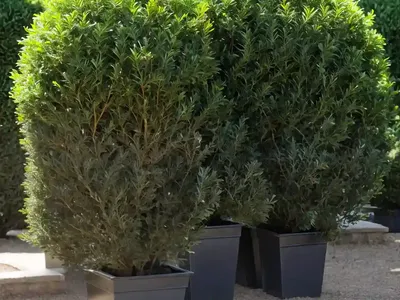
European beech can also be cultivated in containers, providing opportunities for urban and small-space gardening. Understanding the specific requirements for container-grown European beech is essential for its successful growth in such settings.
European Beech – A Closer Look
Now that we have outlined the key takeaways, let’s explore each aspect of European beech in greater detail, covering its cultural significance, habitat requirements, maintenance practices, and ecological importance.
European Beech – Cultural Significance and Uses
The European beech holds a revered place in European culture, deeply rooted in folklore, mythology, and traditional beliefs. Its association with wisdom, longevity, and protection has made it a prominent symbol in various cultural expressions.
Cultural Symbolism and Mythology
The European beech has been historically associated with wisdom and knowledge. In mythology, it was believed that messages written on beech bark would receive special attention from the spirits dwelling within the tree. This association with wisdom and communication has contributed to the tree’s enduring cultural significance.
European Beech in Art and Literature
The striking silhouette and enchanting foliage of the European beech have inspired countless artists, writers, and poets throughout history. Its portrayal in paintings, poems, and stories reflects its enduring influence on human creativity and expression.
Practical Uses of European Beech Wood
Beyond its cultural symbolism, European beech has extensive practical uses, particularly due to its exceptional wood quality. The wood of the European beech is prized for its strength, fine grain, and workability, making it a preferred choice for furniture, flooring, tools, and decorative woodwork.
European Beech in Urban Landscaping
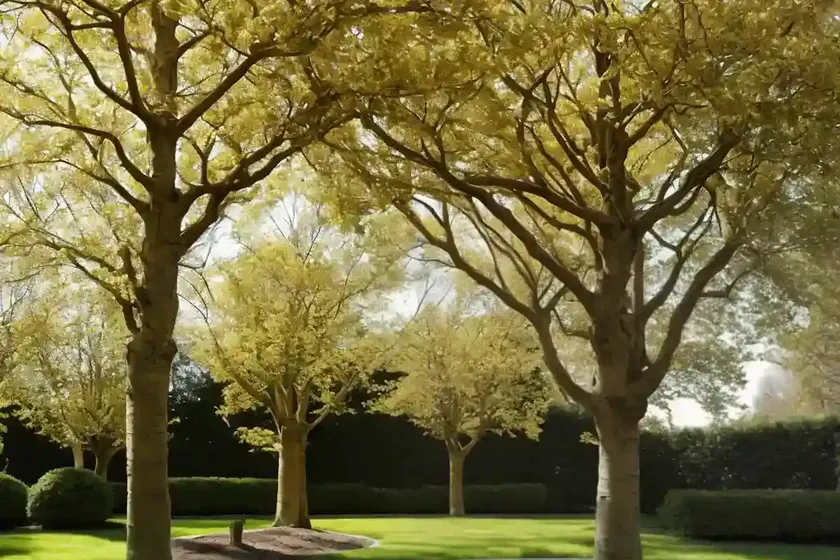
The aesthetic appeal and shade tolerance of European beech make it a popular choice for urban and suburban landscaping. Its use as a specimen tree or in group plantings enhances the visual appeal of parks, gardens, and residential areas.
Habitat Requirements of European Beech
Understanding the natural habitat preferences of European beech is essential for its successful cultivation and conservation. From soil conditions to climatic adaptations, various factors influence the tree’s habitat requirements.
Soil Preferences
European beech thrives in well-drained, moist soils with good fertility. While it adapts to a wide range of soil types, it particularly favors deep, loamy soils that retain moisture without becoming waterlogged.
Climatic Adaptability
The native range of European beech encompasses diverse climatic conditions, from temperate regions to higher elevations. While it prefers temperate climates, it displays adaptability to varying temperature ranges and can withstand cold winters and moderate drought conditions once established.
Shade Tolerance
European beech is renowned for its shade tolerance, enabling it to thrive in woodland environments and shaded landscapes. This attribute is particularly valuable in forest ecosystems, where European beech plays a crucial role in the understory.
Biodiversity Support
The presence of European beech in forest ecosystems contributes to biodiversity by providing habitat and food sources for various wildlife species. Its ecological importance extends beyond its immediate surroundings, influencing the overall health and resilience of forest communities.
European Beech – Maintenance Practices
To ensure the health and vitality of European beech trees, proper maintenance practices are essential. From watering and fertilization to pruning and disease management, various aspects of tree care contribute to the long-term well-being of European beech.
Watering Guidelines
While established European beech trees demonstrate moderate drought tolerance, it is crucial to provide adequate water during periods of prolonged dryness, especially for young trees and those in urban environments with limited access to natural rainfall.
Sunlight Requirements
European beech exhibits a remarkable degree of shade tolerance, making it well-suited to shaded and partially shaded locations. However, ensuring sufficient sunlight for young trees promotes vigorous growth and lush foliage development.
Fertilization Practices
Selecting a balanced fertilizer and applying it at the proper times helps maintain the nutrient levels essential for the healthy growth of European beech. Understanding the specific nutritional requirements of the tree is crucial for effective fertilization practices.
Disease Management
European beech trees may be susceptible to certain diseases, including beech bark disease and powdery mildew. Implementing preventive measures and prompt identification of potential issues can help in managing and mitigating the impact of diseases.
Pruning Techniques
Pruning plays a crucial role in shaping the structure and appearance of European beech trees. Removing dead or crossing branches, as well as maintaining a central leader in young trees, contributes to their overall health and aesthetic appeal.
Growing European Beech: Tips for Success
For those interested in cultivating European beech in their landscape or garden, here are some valuable tips for ensuring the successful growth and development of this iconic tree species.
Soil and Water Considerations
- Soil Type: Choose well-drained, loamy soils with good fertility for optimal growth.
- Watering: Provide consistent moisture, especially during the tree’s establishment phase, to ensure healthy root development.
Sunlight and Shade
- Shade Tolerance: Select partially shaded to shaded locations for planting, especially in warmer climates.
- Sunlight: Ensure sufficient sunlight for young trees to promote vigorous growth and foliage density.
Pruning and Maintenance
- Pruning: Regularly inspect and prune European beech trees to maintain their overall health and structural integrity.
- Maintenance: Implement a regular watering and fertilization schedule, as well as monitor for signs of pests and diseases.
Wildlife and Biodiversity
- Wildlife Support: Appreciate the ecological role of European beech in supporting wildlife, and consider its biodiversity benefits in landscape planning.
- Conservation: Explore opportunities for conserving and propagating native European beech populations to maintain their genetic diversity.
Common Diseases and Pests of European Beech
While European beech is generally resilient, it can be susceptible to certain diseases and pests. Understanding the potential threats and adopting preventive measures is crucial for safeguarding the health of European beech trees.
Common Diseases
- Beech Bark Disease: This disease, caused by the combination of a scale insect and a fungal pathogen, can lead to significant damage in affected trees.
- Powdery Mildew: This fungal infection can cause a powdery white coating on the leaves, affecting the tree’s overall vigor.
- Root Rot: Excessive moisture and poorly drained soils can contribute to root rot in European beech, impacting its stability and health.
Disease Diagnosis and Management
- Early Detection: Regularly monitor the foliage, bark, and overall appearance of European beech trees for signs of disease.
- Consultation: Seek professional arborist or horticulturist advice for accurate diagnosis and targeted management strategies.
Common Pests
- Scale Insects: These sap-feeding pests can weaken the tree and create avenues for fungal infections like beech bark disease.
- Aphids: Aphid infestations can lead to distorted growth and honeydew secretion, impacting the tree’s overall vitality.
- Caterpillars and Moths: Certain species of caterpillars and moths can defoliate European beech trees, affecting their aesthetic and health.
Pest Control Measures
- Integrated Pest Management: Utilize a holistic approach to pest control, encompassing cultural, biological, and, if necessary, targeted chemical interventions.
- Environmental Considerations: Prioritize environmentally friendly pest management methods that minimize impacts on beneficial insects and other non-target organisms.
European Beech in Contemporary Landscapes
The enduring appeal of European beech has made it a cherished species in contemporary landscapes, contributing to urban forestry, wildlife support, and aesthetic enhancements. Its unique characteristics and ecological value resonate in various modern applications.
Urban Forestry and Landscape Design
- Street Trees: European beech trees are valued as street trees for their shade tolerance, attractive foliage, and adaptability to urban environments.
- Parks and Gardens: The stately presence and seasonal beauty of European beech make it a favored choice in public parks, botanical gardens, and private landscapes.
Wildlife Habitat and Biodiversity
- Habitat Trees: European beech provides valuable habitat and food sources for insects, birds, and small mammals, contributing to urban wildlife support.
- Biodiversity Enhancement: The inclusion of European beech in landscape designs can enhance biodiversity and ecological resilience in urban and suburban settings.
Aesthetic Appeal and Seasonal Changes
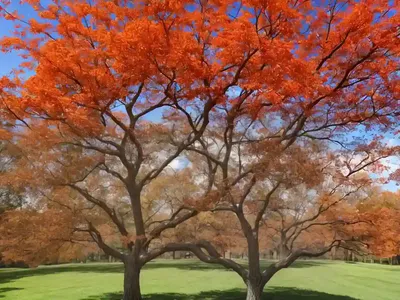
- Fall Foliage: The autumnal display of European beech leaves, transitioning from green to golden bronze, adds a captivating seasonal dimension to landscapes.
- Ornamental Value: Beyond its ecological contributions, European beech stands out for its ornamental beauty and timeless elegance in diverse landscape settings.
European Beech: Fun Facts and Fascinating Insights
Exploring the lesser-known aspects of European beech adds depth to our understanding of this extraordinary tree species, shedding light on its ecological, cultural, and historical significance.
Fascinating Tidbits
- Longevity: European beech trees can live for several centuries, with some individuals surpassing 300 years of age under favorable conditions.
- Wildlife Interactions: The hollows and crevices of mature European beech trees provide habitat for a variety of wildlife, including nesting birds and small mammals.
- Historical Connections: European beech has a storied history, with its wood being used in the construction of ancient dwellings, tools, and sculptures.
Botanist’s Tips and Observations
- Leaf Variegation: Keep an eye out for natural leaf variegation and color variations in European beech, which can add unique visual interest to individual trees.
- Ecosystem Contributions: Consider the broader ecosystem contributions of European beech, including carbon sequestration, soil stabilization, and watershed protection.
External Resources for Additional Exploration
To further enrich your knowledge of European beech and its diverse facets, here are some valuable external resources and references for in-depth exploration and research:
- The European Beech: A Comprehensive Guide (University of Helsinki)
- European Beech – Fagus Sylvatica (Royal Horticultural Society)
- The Role of European Beech in Biodiversity Conservation (European Forest Institute)
- Managing Pests and Diseases of Beech Trees (Forestry Commission)
- Urban Forestry and Wildlife Habitat (Arbor Day Foundation)
Conclusion: Celebrating European Beech (Fagus Sylvatica)
European beech, with its timeless appeal, ecological contributions, and cultural symbolism, stands as an emblematic species with enduring value. From ancient myths to contemporary landscapes, the European beech continues to captivate and inspire, enriching our natural and cultural heritage with its presence.
As we appreciate the magnificence of European beech and its vital role in ecosystems, urban greenery, and historical narratives, let’s foster a deeper understanding and admiration for this remarkable tree species.
By cultivating awareness and conservation efforts, we can ensure that the legacy of the European beech endures for generations to come, enriching our landscapes, nurturing biodiversity, and embodying the timeless allure of nature’s treasures.
Note: This comprehensive guide aims to provide a multifaceted exploration of European beech and is intended to serve as a valuable resource for enthusiasts, arborists, landscapers, and individuals intrigued by the wondrous world of trees.
By: Plant Scientist, Arborist & Nature Enthusiast
Date: [insert date]
Disclaimer: The information provided in this guide is based on current understanding and practices in the field of plant science and arboriculture. Always consult local experts and resources for region-specific recommendations and guidelines.