American Arborvitae (Thuja occidentalis ‘Teddy’): A Comprehensive Guide
The American arborvitae, scientifically known as Thuja occidentalis ‘Teddy’, is a beloved evergreen shrub that is revered for its versatility and resilience. This plant has been a staple in American landscapes and gardens for generations, prized for its compact size, easy maintenance, and various uses. In this detailed guide, we will delve into every aspect of caring for and utilizing the American arborvitae, from its cultural requirements to its common diseases and pests. Whether you are a seasoned plant enthusiast or new to gardening, this comprehensive resource will provide you with the knowledge and insights needed to cultivate and appreciate the beauty of the American arborvitae.
What is American Arborvitae (Thuja occidentalis ‘Teddy’)?
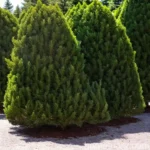
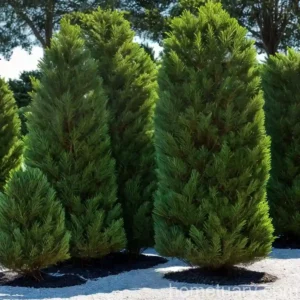
The American arborvitae, a member of the cypress family (Cupressaceae), is a native North American conifer that thrives in various climate zones. It is known for its conical to narrow-pyramidal form and dense, scale-like foliage that retains its vibrant green color throughout the year. The cultivar ‘Teddy’ specifically is cherished for its compact and rounded growth habit, making it an ideal choice for hedging, foundation planting, and container gardening.
Key Takeaways – American Arborvitae (Thuja occidentalis ‘Teddy’)
Before delving into the specific care and attributes of the American arborvitae ‘Teddy’, let’s outline the key takeaways that will be addressed in this comprehensive guide:
- Understanding the cultural requirements of American arborvitae (Thuja occidentalis ‘Teddy’).
- Exploring the versatile uses of the ‘Teddy’ cultivar in landscaping and gardens.
- Addressing the essential considerations of water and sunlight for optimal growth.
- Nurturing the plant through appropriate fertilization and soil management.
- Mastering the art of pruning for shape maintenance and health.
- Exploring propagation methods and container gardening strategies.
- Uncovering popular diseases and effective diagnosis and prevention techniques.
- Identifying common pests and implementing integrated pest management strategies.
- Expert botanist tips for successful cultivation and maintenance.
- Unveiling fun and intriguing facts about the American arborvitae.
- Providing external links to further resources and information.
Now, let’s embark on an in-depth exploration of each of these aspects, starting with the cultural requirements of the ‘Teddy’ American arborvitae.
Culture
Understanding the cultural requirements of the American arborvitae ‘Teddy’ is fundamental to ensuring its thriving growth and long-term health. From ideal planting conditions to overall maintenance, here’s a comprehensive overview of the cultural needs of this cherished evergreen shrub.
Uses
The ‘Teddy’ cultivar of the American arborvitae is celebrated for its wide array of uses, making it a versatile and valuable addition to any landscape or garden. Its compact and rounded form, combined with its resilient nature, enables it to serve various purposes, including:
- Hedging: The dense foliage and manageable size make ‘Teddy’ an excellent choice for creating formal or informal hedges, providing both privacy and aesthetic appeal to outdoor spaces.
- Foundation Planting: Due to its compact growth habit, the ‘Teddy’ American arborvitae is often utilized as a foundation plant, framing the exterior of buildings and structures with lush greenery.
- Container Gardening: Its adaptability to container growth allows ‘Teddy’ to adorn patio spaces, balconies, and urban gardens, adding a touch of evergreen charm in confined environments.
- Landscaping Accents: Whether used as solitary specimens or in group plantings, the ‘Teddy’ cultivar can serve as a captivating focal point within various landscape designs, adding texture and dimension.
- Wildlife Habitat: The dense foliage provides shelter and nesting opportunities for birds, making it a valuable addition for wildlife-friendly gardens.
Water
Proper watering is essential for the health and vitality of the American arborvitae ‘Teddy’. While this cultivar exhibits some tolerance to dry conditions once established, consistent and adequate moisture is crucial, especially during the establishment phase and in periods of drought. Here are some key considerations for watering ‘Teddy’ American arborvitae:
- Establishment: Newly planted ‘Teddy’ shrubs require regular watering to support root establishment. Provide sufficient water during the first growing season, ensuring that the soil remains consistently moist but not waterlogged.
- Drought Tolerance: Once established, ‘Teddy’ exhibits moderate drought tolerance. However, during prolonged dry spells, supplemental watering is beneficial, especially in sandy or well-draining soils.
- Watering Frequency: In general, aim to water the ‘Teddy’ American arborvitae deeply and infrequently, allowing the soil to partially dry out between watering sessions. This encourages the development of a robust and resilient root system.
- Avoid Waterlogging: While moisture is necessary, it is crucial to prevent waterlogging, as overly saturated soil can lead to root rot and other detrimental conditions.
Sunlight
As a sun-loving plant, the ‘Teddy’ American arborvitae thrives in full sunlight to partial shade, displaying its best growth and overall vitality when provided with ample direct sunlight. When selecting an ideal location for planting ‘Teddy’ shrubs, consider the following sunlight-related factors:
- Full Sun: For optimal growth and density, aim to plant ‘Teddy’ American arborvitae in a location that receives at least 6 to 8 hours of direct sunlight daily. This promotes vigorous growth and ensures the development of a compact and well-branched form.
- Partial Shade: While ‘Teddy’ is best suited for full sun conditions, it can tolerate partial shade, particularly in hotter regions or during extreme heat. However, prolonged shade can result in reduced density and potential legginess.
- Morning Sun vs. Afternoon Sun: If possible, prioritize locations with morning sunlight, as it helps dry the foliage, reducing the risk of fungal diseases. Afternoon shade can provide relief from intense midday heat, especially in warmer climates.
- Site Selection: When choosing a planting site, consider the proximity of surrounding structures, trees, or taller plants that may cast shade on the ‘Teddy’ American arborvitae. Opt for locations with minimal shading to maximize sunlight exposure.
Fertilizer
While the American arborvitae is generally adaptable to various soil conditions, periodic fertilization can enhance its growth and overall vigor. Fertilizer application should be approached thoughtfully and in accordance with the specific needs of the ‘Teddy’ cultivar. Here’s a closer look at fertilization recommendations for the American arborvitae ‘Teddy’:
- Soil Testing: Before applying any fertilizers, it is advisable to conduct a soil test to assess the existing nutrient levels, pH, and overall soil composition. This provides valuable insights into the specific requirements of the planting site.
- Balanced Fertilizers: When fertilization is warranted, opt for a balanced, slow-release fertilizer formulated for evergreen shrubs. These formulations typically feature a balanced ratio of essential nutrients, promoting steady and sustained growth without excessive surges.
- Timing: Apply fertilizers to ‘Teddy’ American arborvitae in early spring, just as new growth begins to emerge. Avoid late-season fertilization, as it may stimulate tender growth that is susceptible to damage from early frosts.
- Application Method: For established ‘Teddy’ shrubs, broadcast the fertilizer evenly beneath the drip line, avoiding direct contact with the trunk or foliage. Water the area thoroughly after application to facilitate nutrient uptake.
- Organic Alternatives: Organic fertilizers, such as compost, well-rotted manure, or fish emulsion, can also be incorporated around the base of ‘Teddy’ American arborvitae as natural alternatives to synthetic fertilizers. These materials contribute to soil health and microbial activity, benefiting the overall ecosystem around the plant.
Soil
The soil preferences of the American arborvitae ‘Teddy’ play a pivotal role in determining its growth, root development, and overall adaptability to its environment. While ‘Teddy’ is known for its tolerance to various soil types, understanding and optimizing the soil conditions can contribute to its long-term health and vitality. Consider the following soil-related aspects when cultivating ‘Teddy’ American arborvitae:
- Drainage: Ensure that the planting site offers adequate drainage to prevent water from pooling around the roots. ‘Teddy’ prefers well-draining soil and may suffer in waterlogged or compacted conditions.
- pH Range: The ideal soil pH for ‘Teddy’ American arborvitae ranges from slightly acidic to neutral (pH 6.0 to 7.0). Conduct a soil pH test to determine the existing pH level, making necessary amendments with lime or sulfur to achieve the optimal range, if needed.
- Soil Composition: While adaptable to various soil types, ‘Teddy’ thrives in loamy, sandy, or clay loam soils with good structure and aeration. Amend heavy clay or excessively sandy soils with organic matter to improve their texture and fertility.
- Mulching: Applying a layer of organic mulch around the base of ‘Teddy’ American arborvitae offers numerous benefits, including moisture retention, weed suppression, and temperature moderation. Use organic mulch materials, such as pine straw, wood chips, or shredded bark, and maintain a 2 to 3-inch depth while keeping the mulch away from direct contact with the trunk.
Pruning
Pruning is an essential aspect of maintaining the attractive form, density, and health of the American arborvitae ‘Teddy’. Proper pruning practices contribute to overall plant vigor and appearance while minimizing disease susceptibility and promoting natural regrowth. Here’s a comprehensive overview of pruning considerations for the ‘Teddy’ cultivar:
- Pruning Timing: Conduct major shaping and formative pruning of ‘Teddy’ American arborvitae in late winter to early spring before new growth emerges. Minor trimming to control size or shape can be performed as needed throughout the growing season.
- Pruning Techniques: When pruning ‘Teddy’ shrubs, utilize sharp, clean pruning shears or loppers to make precise cuts, avoiding tearing or crushing the foliage and stems. Aim to maintain the natural conical or rounded form while removing dead, damaged, or congested branches.
- Thinning: To enhance air circulation and light penetration, consider selective thinning of interior branches to open up the canopy and reduce excessive density. This practice contributes to the overall health and vitality of ‘Teddy’ American arborvitae.
- Deadwood Removal: Regularly inspect ‘Teddy’ for dead or diseased wood and promptly remove these portions to prevent the spread of pathogens and to maintain the plant’s aesthetic appeal. Cut back to healthy tissue, ensuring clean and proper pruning cuts.
- Size Control: ‘Teddy’ is valued for its compact size, but occasional size control may be necessary to maintain its desired dimensions. Carefully trim the tips of branches to manage overall size while preserving the natural shape and density.
Propagation
The propagation of the American arborvitae ‘Teddy’ presents the opportunity to expand its presence in a garden or landscape while preserving the desired traits of this beloved cultivar. Whether through seed propagation, cuttings, or division, propagating ‘Teddy’ American arborvitae requires a deliberate approach for successful establishment. Here’s an overview of propagation methods for ‘Teddy’:
- Softwood Cuttings: In late spring or early summer, take softwood cuttings from the current season’s growth, selecting healthy and vigorous stems. Dip the cut ends in a rooting hormone, then place the cuttings in a well-draining rooting medium, keeping them consistently moist and sheltered from intense sunlight until roots develop.
- Hardwood Cuttings: During the dormant season, collect hardwood cuttings from the previous year’s growth, ensuring they are approximately 4 to 6 inches in length and feature healthy terminal buds. Treat the base of the cuttings with a rooting hormone, plant them in a rooting medium, and maintain moist but not waterlogged conditions until rooting occurs.
- Division: Mature ‘Teddy’ shrubs can be divided to create new plants, typically during the early spring before new growth emerges. Carefully lift the plant from the soil, divide the root mass into sections with a sharp, clean tool, and replant each division in suitable locations, ensuring proper irrigation and care as they establish.
Container Popularity
The ‘Teddy’ American arborvitae’s adaptability to container growth has made it a popular choice for gardeners with limited space or those seeking to introduce evergreen interest to patios, decks, and urban settings. Container-grown ‘Teddy’ plants offer a range of possibilities for accentuating outdoor spaces, providing structural interest, and fostering creative expression. Here’s a closer look at the popularity of ‘Teddy’ American arborvitae in container gardening:
- Compact Form: The naturally compact and rounded growth habit of ‘Teddy’ makes it well-suited for container growth, allowing it to thrive within confined spaces, such as balconies, courtyards, and terraces.
- Seasonal Displays: ‘Teddy’ can be incorporated into container arrangements, coupled with seasonal annuals, perennials, or other ornamental foliage and flowering plants to create dynamic and visually appealing displays throughout the year.
- Portable Greenery: Container-grown ‘Teddy’ shrubs can be rearranged and repositioned as needed, offering flexibility in design and allowing for temporary screening, partitioning, or accenting various outdoor areas.
- Privacy Screening: When strategically positioned, container-grown ‘Teddy’ plants can provide instant privacy screening for outdoor seating areas, patios, and relaxation zones.
- Maintenance Benefits: Container cultivation simplifies maintenance tasks such as pruning, fertilizing, and even pest management, as the plants can be easily accessed and managed.
Common Diseases
Despite its resilience, the ‘Teddy’ American arborvitae is susceptible to certain diseases, necessitating vigilance, proper diagnosis, and proactive measures to minimize their impact. Understanding the common diseases that may affect this cultivar enables gardeners to implement timely interventions and preventive strategies. Here are some common diseases of the ‘Teddy’ American arborvitae:
- Cedar Apple Rust: This fungal disease can cause orange or rusty-colored lesions on the foliage of ‘Teddy’ American arborvitae, often in conjunction with affected juniper or apple trees. Implementing measures to break the disease cycle, such as removing nearby alternative hosts, can help manage its spread.
- Arborvitae Leaf Miners: The larvae of certain moths and flies may cause visible leaf mining and browning of ‘Teddy’ foliage, compromising its visual appeal. Regular monitoring and the removal of affected foliage, coupled with beneficial predatory insects, can aid in minimizing leaf miner damage.
- Kabatina Tip Blight: This fungal pathogen can result in dieback of branch tips and the browning of foliage in ‘Teddy’ American arborvitae. Prune affected sections and ensure proper air circulation to reduce the risk of Kabatina tip blight.
- Root Rot: Prolonged waterlogging or poor drainage can lead to root rot in ‘Teddy’ shrubs, causing symptoms such as wilting, yellowing foliage, and overall decline. Address underlying drainage issues and avoid overwatering to prevent root rot.
Disease Diagnosis
Diagnosing diseases in the ‘Teddy’ American arborvitae involves careful observation of symptoms, assessment of environmental factors, and potential causal agents. Here are some key steps in the diagnosis of common diseases affecting ‘Teddy’:
- Symptom Recognition: Familiarize yourself with the typical symptoms associated with prevalent diseases of American arborvitae, including foliage discoloration, tip dieback, and unusual growth patterns.
- Pest and Pathogen Identification: Differentiate between symptoms caused by fungal pathogens, insect pests, and abiotic factors, such as inadequate watering or nutrient deficiencies, to accurately pinpoint the underlying issue.
- Environmental Audit: Assess factors such as drainage, sunlight exposure, and overall plant health to identify potential stressors that may predispose ‘Teddy’ to disease development.
- Consultation and Resources: When faced with uncertain diagnoses, seek expert guidance from local extension services, arborists, or plant health professionals who can provide specific insights and assistance.
Common Pests
In addition to diseases, certain pests can pose challenges to the health and aesthetics of the ‘Teddy’ American arborvitae. By understanding the common pests that may target this cultivar, gardeners can implement preventive measures and integrated pest management strategies to minimize their impact. Here are some prevalent pests of ‘Teddy’ American arborvitae:
- Spider Mites: These tiny arachnids can cause stippling, discoloration, and webbing on the foliage of ‘Teddy’ shrubs, particularly in hot and dry conditions. Regularly spray the foliage with a strong stream of water to dislodge spider mites and apply horticultural oil to suffocate their eggs and nymphs.
- Bagworms: The larvae of bagworm moths construct protective silk bags on ‘Teddy’ American arborvitae, consuming foliage and potentially defoliating the plants. Hand-picking and disposing of bags, especially during the fall and winter, reduces the population and damage.
- Scale Insects: Scales can infest ‘Teddy’ shrubs, appearing as small, often immobile, waxy or armored structures on the stems and foliage. Natural predators, such as lady beetles and parasitic wasps, may aid in controlling scale populations, while horticultural oil can be applied as a management strategy.
Pest Management Strategies
Integrated pest management (IPM) techniques form the foundation of effective pest management for the ‘Teddy’ American arborvitae, promoting ecological balance and minimizing reliance on chemical controls. Consider the following strategies for managing common pests:
- Regular Inspection: Routinely inspect ‘Teddy’ shrubs for signs of pest infestations, including distorted growth, visible insects, or sooty mold caused by honeydew excreted by pests. Early detection enables timely intervention.
- Beneficial Insects: Attract and preserve natural enemies of pests, such as lady beetles, lacewings, and predatory mites, that contribute to the suppression of pest populations on ‘Teddy’ American arborvitae.
- Cultural Practices: Maintain ‘Teddy’ shrubs in optimal health through appropriate watering, fertilization, and pruning, as healthy plants are better equipped to withstand and recover from pest pressures.
- Mechanical Controls: Employ physical means, such as hand-picking, trapping, or hosing down pests, as initial measures to reduce populations without the use of pesticides, especially for minor infestations.
- Selective Treatments: When pest populations reach damaging levels, consider targeted insecticidal applications, prioritizing the use of low-impact, selective products and applying them in accordance with label instructions and environmental considerations.
Botanist’s Tips
As a plant scientist, I would like to offer the following tips for successfully cultivating, maintaining, and appreciating the American arborvitae ‘Teddy’:
- Site Assessment: Prior to planting ‘Teddy’ American arborvitae, carefully evaluate the planting site in terms of soil, sunlight exposure, and potential