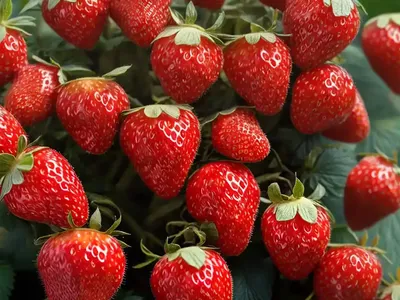
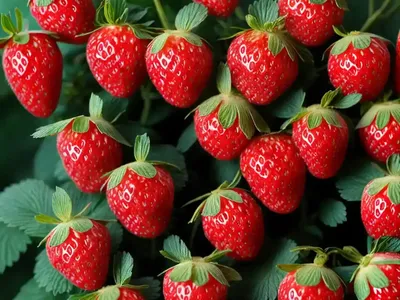
Everbearing Strawberry (Fragaria X Ananassa ‘Ruby Ann’)
Fragaria x ananassa ‘Ruby Ann’, commonly known as the everbearing strawberry, is a delightful perennial plant that belongs to the Rosaceae family. It is a.
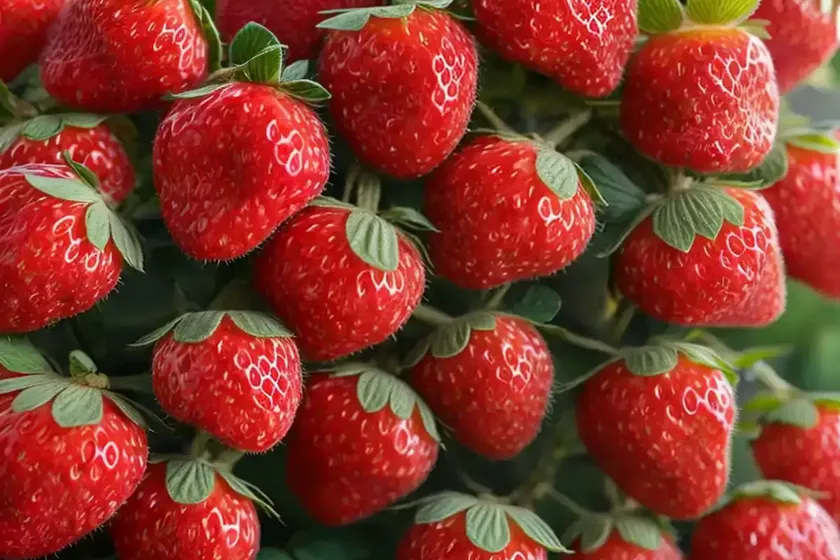
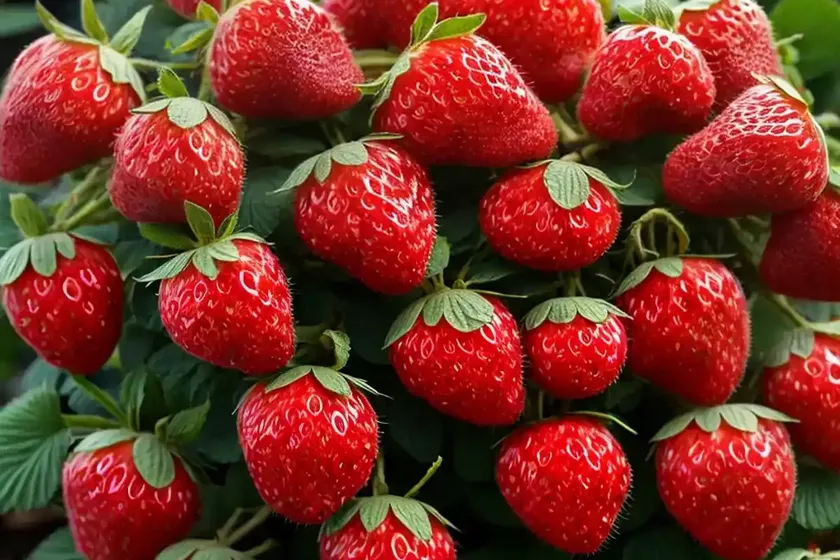
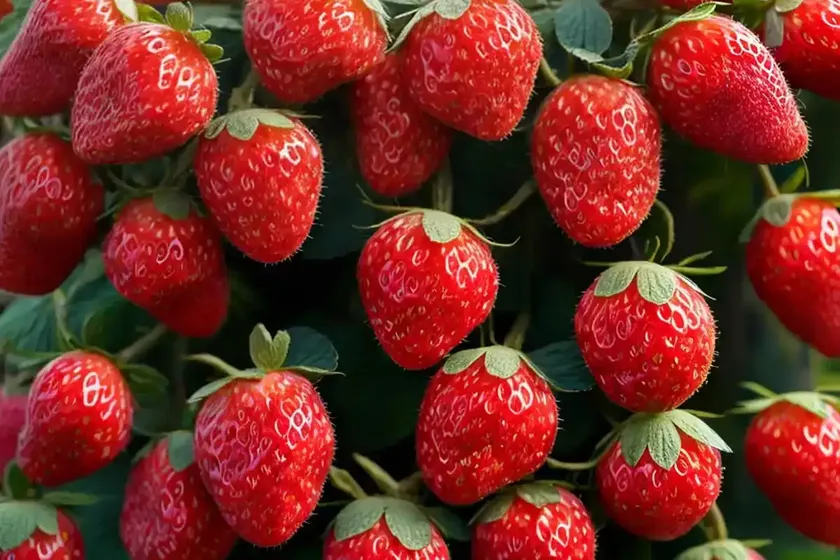
Fragaria x ananassa ‘Ruby Ann’, commonly known as the everbearing strawberry, is a delightful perennial plant that belongs to the Rosaceae family. It is a popular choice among gardeners for its delicious fruits, which can be harvested continuously throughout the growing season. In this comprehensive guide, we will delve into the various aspects of caring for and cultivating the everbearing strawberry, also known as ‘Ruby Ann’. From understanding its optimal growing conditions to learning about its common pests and diseases, this article aims to provide a thorough understanding of this delightful plant.
Key Takeaways
Before diving into the intricate details of cultivating everbearing strawberries, here are some key takeaways about the plant:
- Plant Name: Fragaria x ananassa ‘Ruby Ann’
- Other Names: Everbearing strawberry, Ruby Ann strawberry
- Family: Rosaceae
- Type: Perennial
- Hardiness Zone: 4-8
- Fruiting Season: Late spring to early summer and again in late summer to early fall
- Growth Habit: Trailing
- Flower Color: White
- Fruit Size: Medium
- Sunlight: Full sun to partial shade
- Soil: Well-draining, fertile, and slightly acidic (pH 5.5-6.5)
- Watering: Regular, consistent moisture
- Fertilization: Balanced fertilizer applied monthly during the growing season
- Common Pests: Slugs, snails, aphids
- Common Diseases: Botrytis fruit rot, powdery mildew
- Propagation: Runners, division
- Container Gardening: Well-suited for containers
- Companion Plants: Borage, thyme, marigold
- Special Feature: Continuous fruit production throughout the growing season
Now, let’s explore each aspect of caring for and cultivating the everbearing strawberry in detail.
Culture
The culture of everbearing strawberries involves understanding and catering to its specific needs, including water, sunlight, fertilizer, soil, and pruning. By providing the right cultural conditions, you can ensure a bountiful harvest of delicious strawberries.
Water
Proper irrigation is crucial for the health and productivity of everbearing strawberries, especially during the fruiting season. They require consistent moisture to develop juicy and flavorful fruits. The following guidelines can help in maintaining optimal soil moisture for everbearing strawberries:
- Regular Watering: Provide a consistent water supply to keep the soil evenly moist, especially during dry periods. Avoid overwatering, as it can lead to root rot.
- Drip Irrigation: Consider using a drip irrigation system to deliver water directly to the soil, minimizing moisture on the leaves and fruits, which can reduce the risk of diseases.
- Mulching: Apply a layer of straw or mulch around the plants to help retain soil moisture and reduce water evaporation.
Sunlight
Everbearing strawberries thrive in locations with ample sunlight, which is essential for fruit production and overall plant health. Understanding their sunlight requirements can significantly impact their growth and yield:
- Full Sun: Plant everbearing strawberries in areas that receive at least 6-8 hours of direct sunlight per day for optimal fruiting.
- Partial Shade: While they prefer full sun, everbearing strawberries can tolerate partial shade, especially in regions with intense summer heat.
Fertilizer
Fertilizing everbearing strawberries is essential for promoting healthy growth, abundant fruiting, and overall vigor. A balanced approach to fertilization can ensure that the plants receive the necessary nutrients for optimal productivity:
- Balanced Fertilizer: Use a balanced fertilizer with an NPK ratio of 10-10-10 or similar formulation. Apply the fertilizer at regular intervals throughout the growing season, following the manufacturer’s recommendations.
- Monthly Application: During the growing season, apply the fertilizer monthly, starting in the spring as new growth emerges.
Soil
The soil conditions play a pivotal role in the successful cultivation of everbearing strawberries. Ideal soil characteristics include good drainage, fertility, and slightly acidic pH levels:
- Well-Draining Soil: Plant everbearing strawberries in well-draining soil to prevent waterlogging, which can lead to root diseases.
- Fertile Soil: Prioritize fertile soil that is rich in organic matter, as it provides essential nutrients for robust growth and fruit development.
- pH Level: Aim for a slightly acidic soil with a pH range of 5.5-6.5. Conduct a soil test to assess the pH and make necessary amendments if the levels are outside the recommended range.
Pruning
Pruning helps in maintaining the vigor of everbearing strawberries, managing runners, and promoting better air circulation within the canopy. Understanding the pruning techniques can contribute to healthier and more productive plants:
- Runner Removal: Regularly remove excessive runners to redirect the plant’s energy towards fruit production. You can propagate new plants from the runners if desired.
- Trimming Dead Leaves: Trim off any dead or yellowing leaves to prevent the spread of diseases and maintain the plant’s overall appearance.
- Renovation Pruning: After the final harvest in the fall, consider renovating the plants by cutting back the foliage to rejuvenate the crown and encourage vigorous growth in the following season.
Propagation
Everbearing strawberries can be propagated through various methods, including runners and division. Understanding the propagation techniques is valuable for expanding your strawberry patch or sharing plants with other gardeners:
- Runners: Everbearing strawberries naturally produce runners, which are horizontal stems that develop new plantlets. Allow the runners to root while still attached to the mother plant, then separate and transplant the new plants as needed.
- Division: Divide mature plants during the dormant season by carefully separating the crowns and roots, ensuring that each division has adequate root systems for successful establishment.
Container Popularity
Everbearing strawberries are well-suited for container gardening, making them an appealing choice for urban and space-constrained environments. Their compact growth habit and prolific fruiting make them an excellent addition to patio gardens, balconies, and other small outdoor spaces. When selecting containers for growing everbearing strawberries, consider the following factors:
- Container Size: Choose containers that are at least 8-12 inches deep and wide enough to accommodate multiple plants. A larger container allows for more robust growth and a greater harvest.
- Drainage Holes: Ensure that the containers have adequate drainage holes to prevent waterlogging and root rot.
- Potting Mix: Use a high-quality potting mix that provides good aeration and drainage. Consider adding organic matter to improve fertility and moisture retention.
Common Diseases
Everbearing strawberries are susceptible to certain diseases that can affect their overall health and fruit production. Recognizing and understanding these common diseases is essential for implementing preventive measures and prompt treatment when necessary.
Disease Diagnosis
Several diseases can impact everbearing strawberries, including:
- Botrytis Fruit Rot: This fungal disease causes gray mold on the fruits, particularly in humid conditions. Prune and thin the canopy to improve air circulation, and promptly remove any infected fruits to prevent the spread of the disease.
- Powdery Mildew: Powdery mildew appears as a white, powdery growth on the leaves, affecting the plant’s photosynthetic ability. Apply fungicidal treatments if necessary and ensure proper spacing between plants to encourage air movement.
Common Pests
Pests can pose a threat to the health and yield of everbearing strawberries, making pest management an essential aspect of their cultivation. Learn about some common pests that may affect these plants and methods for controlling them:
- Slugs and Snails: These mollusks feed on the foliage and fruits of everbearing strawberries, causing physical damage. Use organic or chemical slug and snail baits to control their populations, and consider using barriers, such as copper tape, around containers or raised beds.
- Aphids: Aphids can infest the plants, causing distorted growth and transmitting viral diseases. Use insecticidal soaps or horticultural oils to manage aphid populations, and encourage natural predators, such as ladybugs, to control infestations.
Botanist’s Tips
Here are some valuable tips from botanists and experienced gardeners for successfully growing everbearing strawberries:
- Companion Planting: Explore companion planting strategies by growing herbs and flowers, such as borage, thyme, and marigold, near everbearing strawberries to attract beneficial insects and improve overall garden health.
- Mulching: Apply mulch around the plants to suppress weed growth, retain soil moisture, and protect the fruits from direct contact with the soil.
- Renovation Pruning: After the final harvest in the fall, perform renovation pruning to rejuvenate the plants and encourage strong growth in the following season.
Fun Facts
Discover some intriguing and fun facts about everbearing strawberries:
- The Fragaria x ananassa species originated from a natural cross between two wild strawberry species, Fragaria chiloensis and Fragaria virginiana.
- Each strawberry fruit is technically an enlarged receptacle, with the tiny “seeds” on its surface being the true fruits, commonly known as achenes.
- The optimal temperature range for strawberry production is between 60-80°F (15-27°C), with temperatures above 85°F (29°C) potentially affecting fruit set and quality.
Links to External Resources
To further enhance your understanding of everbearing strawberries and their cultivation, explore the following external resources:
- Growing Strawberries in the Home Garden
- Integrated Pest Management for Strawberries
- Strawberry Cultivars for North Carolina
In conclusion, the everbearing strawberry (Fragaria x ananassa ‘Ruby Ann’) is a delightful and rewarding plant to grow, offering continuous harvests of luscious fruits and charming blooms. By understanding its cultural requirements, managing diseases and pests, and utilizing proven gardening techniques, you can successfully cultivate and enjoy a plentiful supply of ruby-red strawberries in your garden or containers.
Whether you’re a seasoned gardener or just beginning your horticultural journey, the allure of everbearing strawberries and the joy of picking fresh, sun-warmed fruits make them an irresistible addition to any garden or edible landscape. With the right care and attention, your everbearing strawberry plants can flourish and provide an abundant harvest for you to savor and share with family and friends. Happy gardening, and may your everbearing strawberry patch be a source of abundant delight and delectable treats!