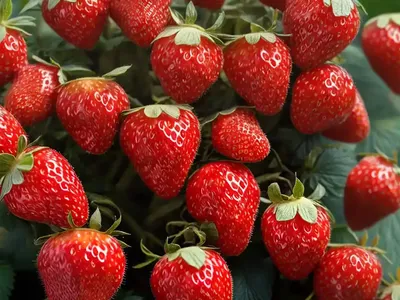
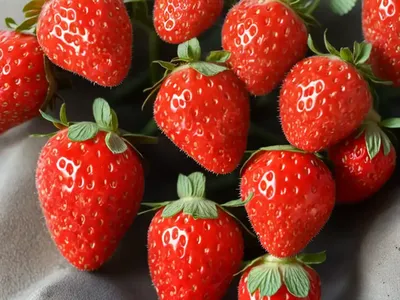
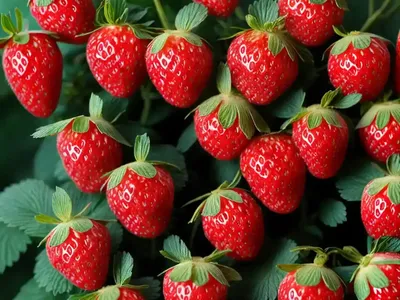
Fragaria ‘Allstar’ (Junebearing Strawberry)
As a plant scientist, I am excited to delve into the world of Fragaria ‘Allstar,’ a popular variety of Junebearing Strawberry. In this comprehensive guide.
Introduction
As a plant scientist, I am excited to delve into the world of Fragaria ‘Allstar,’ a popular variety of Junebearing Strawberry. In this comprehensive guide, we will explore every aspect of caring for and growing Fragaria ‘Allstar’ plants, from cultivation and maintenance to potential issues and fun facts. Let’s begin by understanding what exactly Fragaria ‘Allstar’ is and then we’ll delve into its care, characteristics, uses, and much more.
What is Fragaria ‘Allstar’ (Junebearing Strawberry)?
Fragaria ‘Allstar’ is a cultivar of the common strawberry (Fragaria × ananassa), which is a hybrid species that resulted from the crossbreeding of two wild strawberry species from North America and Chile. Specifically, ‘Allstar’ is a Junebearing variety, also known as short-day strawberries, which means they produce a single, large crop of strawberries in late spring to early summer.
Key Takeaways – Fragaria ‘Allstar’ (Junebearing Strawberry)
Before delving deeper into the specifics of Fragaria ‘Allstar’ care, let’s outline some key takeaways and aspects we are going to cover in this guide:
- Characteristics: Understanding the unique attributes of Fragaria ‘Allstar’ and how it differs from other strawberry varieties.
- Cultivation: Providing insights into the optimal conditions for growing Fragaria ‘Allstar’, including soil, sunlight, water, and fertilizer requirements.
- Propagation and Pruning: Exploring the techniques of propagating and pruning Fragaria ‘Allstar’ plants for optimal growth.
- Diseases and Pests: Identifying common diseases and pests that affect Fragaria ‘Allstar’ and methods for prevention and control.
- Uses and Benefits: Highlighting the versatile uses of Fragaria ‘Allstar’ beyond its delicious fruit, including its role in garden designs and its nutritional benefits.
Now, let’s delve into each of these aspects in detail.
Fragaria ‘Allstar’ Characteristics
Starting with the characteristics, it’s important to understand the unique traits and features that define Fragaria ‘Allstar’ and set it apart from other strawberry varieties.
Physical Features
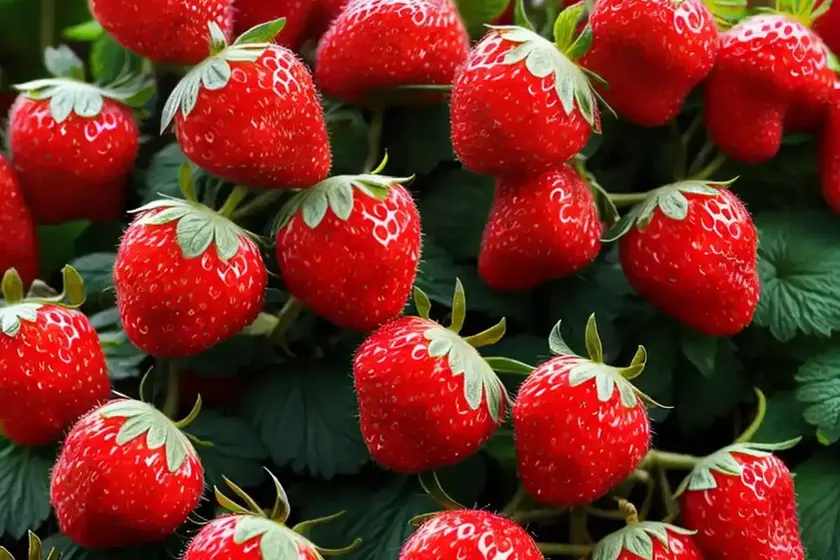
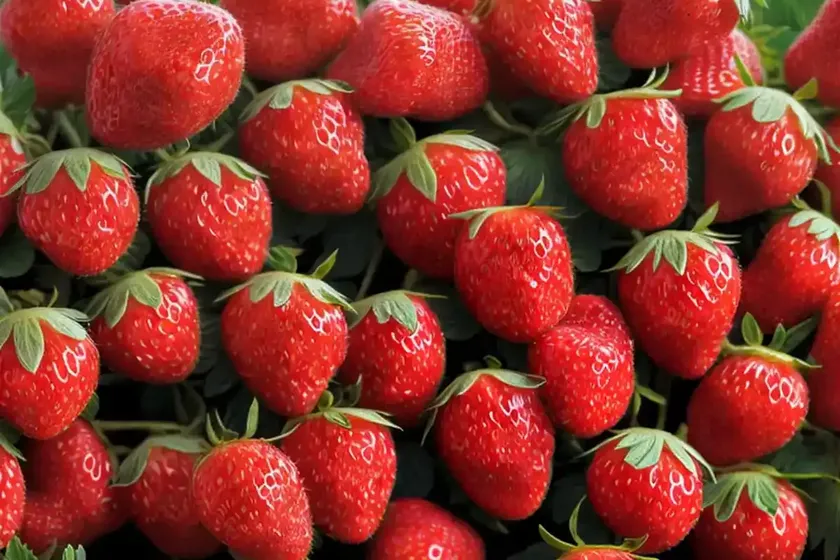
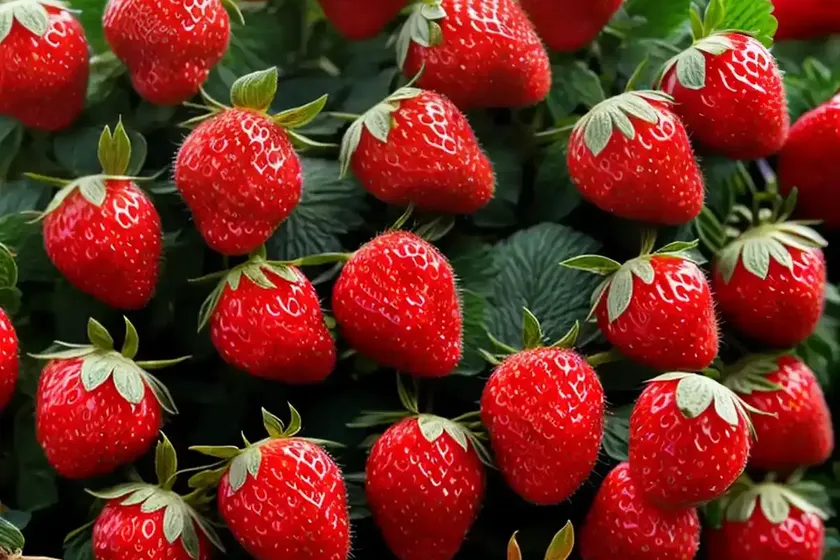
- Fruit Size: Fragaria ‘Allstar’ typically produces large, juicy strawberries that are highly sought after for their size and flavor.
- Plant Structure: The plants of Fragaria ‘Allstar’ exhibit a compact and spreading growth habit, making them suitable for both garden beds and containers.
- Flower Appearance: The flowers of Fragaria ‘Allstar’ are white, and they contribute to the aesthetic appeal of the plants, especially during the flowering period.
Taste and Aroma
- Flavor Profile: The strawberries produced by Fragaria ‘Allstar’ are known for their sweet and tangy flavor, making them a favorite for fresh consumption and various culinary uses.
- Aroma: The aroma of Fragaria ‘Allstar’ strawberries is often described as fragrant and inviting, adding to the overall sensory experience.
Fragaria ‘Allstar’ Care
Now that we have gained insight into the unique characteristics of Fragaria ‘Allstar,’ let’s move on to understanding how to care for this cultivar to ensure optimal growth and fruit production.
Water
One of the critical aspects of caring for Fragaria ‘Allstar’ plants is providing them with the right amount of water. Here are some key considerations for watering:
- Watering Needs: Fragaria ‘Allstar’ plants require regular watering, especially during the flowering and fruiting stages. It’s essential to keep the soil consistently moist but not waterlogged to support healthy growth and fruit development.
- Watering Schedule: Establishing a regular watering schedule, especially during dry periods, is crucial for maintaining the moisture levels that Fragaria ‘Allstar’ plants require.
- Mulching: Mulching around the plants can help retain soil moisture and reduce water evaporation, contributing to more efficient water usage.
Sunlight
Proper sunlight exposure is vital for the growth and fruit production of Fragaria ‘Allstar’ plants. Consider the following factors related to sunlight:
- Sunlight Requirements: Fragaria ‘Allstar’ plants thrive in full sun, which typically translates to at least 6-8 hours of direct sunlight per day. Providing adequate sunlight is essential for promoting flowering and fruiting.
- Shade Avoidance: While Fragaria ‘Allstar’ benefits from ample sunlight, it’s also crucial to ensure that the plants are not subjected to excessive heat and intense afternoon sun, especially in hotter climates. Partial shade during the hottest part of the day can be beneficial in such conditions.
Soil
Creating the right growing environment through appropriate soil preparation is integral to the success of Fragaria ‘Allstar’ cultivation. Here’s what you need to know about soil requirements:
- Well-Draining Soil: Fragaria ‘Allstar’ plants prefer well-draining soil that allows excess water to percolate through, preventing waterlogging that can lead to root rot and other issues.
- Soil pH: The ideal soil pH for Fragaria ‘Allstar’ is in the slightly acidic to neutral range, typically between 5.5 and 6.5. Conducting a soil test and amending the soil as needed can help create an optimal pH range.
- Soil Amendment: Incorporating organic matter, such as compost or well-rotted manure, into the soil can enhance its fertility and texture, providing a favorable growing medium for Fragaria ‘Allstar’ plants.
Fertilizer
Proper nutrition is essential for the healthy growth and fruit production of Fragaria ‘Allstar.’ Consider the following guidelines for fertilizing these plants:
- Fertilizer Application: Applying a balanced, slow-release fertilizer when planting Fragaria ‘Allstar’ can provide the initial nutrients the plants need to establish strong roots. Subsequent fertilizer applications can be tailored based on the plant’s growth stage and soil nutrient levels.
- Fertilizer Type: A fertilizer with balanced proportions of nitrogen, phosphorus, and potassium, such as 10-10-10, can support overall plant growth and flower and fruit development. Additionally, a fertilizer formulated specifically for strawberries can offer tailored nutrition for Fragaria ‘Allstar’ plants.
- Frequency: Regular fertilization, typically every 4-6 weeks during the growing season, can ensure that Fragaria ‘Allstar’ plants receive the necessary nutrients to support their prolific fruiting.
Pruning and Propagation of Fragaria ‘Allstar’
Proper pruning and effective propagation techniques are essential for maintaining the health and productivity of Fragaria ‘Allstar’ plants. Let’s explore these aspects in detail.
Pruning
Pruning plays a crucial role in managing the growth and fruiting potential of Fragaria ‘Allstar’ plants. Here are some key considerations for pruning these plants:
- Runner Removal: Fragaria ‘Allstar’ is known to produce runners, which are stems that extend from the main plant and can lead to overcrowding. Regularly removing excess runners can help maintain airflow and prevent the plants from becoming overly dense.
- Blossom Removal: Thinning out excess blossoms, especially during the first flowering season, can redirect the plant’s energy towards producing fewer but larger and higher-quality fruits.
- Old Leaf Removal: Periodically removing older, damaged, or disease-affected leaves can maintain the overall health and vigor of Fragaria ‘Allstar’ plants.
Propagation
To expand your Fragaria ‘Allstar’ collection or share these delightful strawberries with others, understanding the propagation methods is essential. Consider the following techniques for propagating Fragaria ‘Allstar’ plants:
- Runner Propagation: Fragaria ‘Allstar’ plants produce runners that can be allowed to root in the soil or be manually positioned to establish new plantlets. This natural propagation method allows for easy expansion of your Fragaria ‘Allstar’ patch.
- Division: Dividing and transplanting the daughter plants formed at the base of the parent plants can be a viable method for propagating Fragaria ‘Allstar.’ Carefully separating and replanting these divisions can create new standalone plants.
Container Gardening and Popularity
An intriguing aspect of Fragaria ‘Allstar’ is its suitability for container gardening. The compact growth habit and abundant fruiting make it an attractive choice for growing in containers on patios, balconies, or even indoors. The versatility and visual appeal of Fragaria ‘Allstar’ plants contribute to their popularity among gardeners and strawberry enthusiasts.
Container Culture
When cultivating Fragaria ‘Allstar’ in containers, several specific considerations can help ensure the success of your container garden:
- Container Size: Selecting appropriately sized containers that provide ample space for root development and accommodate the spreading nature of Fragaria ‘Allstar’ plants is essential for their thriving growth.
- Drainage: Ensuring that the containers have adequate drainage holes and using well-draining potting mix can prevent waterlogging and promote healthy root conditions.
- Location: Placing the containers in a sunny location and providing adequate airflow around the plants can facilitate robust growth and fruit production.
Popularity and Common Uses
Fragaria ‘Allstar’ has gained popularity among both home gardeners and commercial strawberry growers for its numerous attractive attributes and versatile uses:
- Home Gardens: The appeal of Fragaria ‘Allstar’ as a home garden plant stems from its delectable fruit, compact growth habit, and ornamental value, making it a favorite choice for edible landscaping and small-space gardening.
- Commercial Cultivation: In commercial strawberry production, Fragaria ‘Allstar’ is valued for its high-quality fruit and reliable performance, contributing to its widespread cultivation in various regions.
Common Diseases and Pest Control
Unfortunately, like most plants, Fragaria ‘Allstar’ is susceptible to certain diseases and pest infestations. Identifying common issues and implementing effective control measures is crucial for maintaining healthy plants and maximizing fruit production.
Disease Diagnosis
Diagnosing and addressing potential diseases early on can prevent extensive damage and ensure the overall well-being of Fragaria ‘Allstar’ plants. Here are some common diseases that may affect these plants:
- Fungal Diseases: Gray mold (Botrytis cinerea), powdery mildew (Podosphaera aphanis), and leaf spot diseases can impact Fragaria ‘Allstar’ and reduce fruit quality and yield if left unmanaged.
- Viral Infections: Viruses such as Strawberry Mottle Virus and Strawberry Mild Yellow Edge Virus can cause stunted growth, leaf discoloration, and reduced fruiting in Fragaria ‘Allstar’ plants.
Common Pests
In addition to diseases, Fragaria ‘Allstar’ may encounter various pest insects that can feed on the foliage, flowers, and fruit. Some common pests include:
- Spider Mites: These tiny pests can cause stippling and webbing on the leaves, affecting the overall vigor and health of Fragaria ‘Allstar’ plants.
- Aphids: Aphids can target new growth and succulent plant parts, potentially transmitting viral diseases and inhibiting plant growth.
Disease Prevention and Pest Management
Implementing preventive measures and integrated pest management strategies can help safeguard Fragaria ‘Allstar’ plants from diseases and pest infestations:
- Cultural Practices: Practices such as proper spacing, regular pruning, and adequate air circulation can minimize the risk of fungal diseases and pest buildup in Fragaria ‘Allstar’ patches.
- Sanitation: Removing and disposing of affected plant parts, such as diseased leaves and fruits, can prevent the spread of diseases within the garden.
- Natural Predators: Encouraging the presence of natural predators, such as ladybugs and lacewings, can aid in controlling aphid populations without the need for chemical interventions.
Botanist’s Tips for Growing Fragaria ‘Allstar’
To further enhance your success in cultivating Fragaria ‘Allstar,’ here are some valuable tips and insights from a botanist’s perspective:
- Regular Monitoring: Observing the plants closely for any signs of disease, nutrient deficiencies, or pest activity can enable timely intervention and resolution of issues.
- Seasonal Adjustments: Adapting care practices, such as watering frequency and fertilizer application rates, according to the changing seasons and plant growth stages can optimize the plants’ performance.
- Companion Planting: Companion plants, such as aromatic herbs and certain flowers, can serve as beneficial allies for Fragaria ‘Allstar’ by attracting pollinators and repelling potential pests.
Fun Facts about Fragaria ‘Allstar’
Uncovering the fascinating and lesser-known details about Fragaria ‘Allstar’ can deepen our appreciation for these exceptional strawberry plants:
- Historical Significance: The cultivation of strawberries, including varieties like Fragaria ‘Allstar,’ dates back to ancient Roman and medieval times, highlighting the enduring appeal of these delectable fruits.
- Pollinator Magnet: Fragaria ‘Allstar’ plants are highly attractive to pollinators, especially bees, which play a vital role in ensuring prolific fruiting by facilitating the transfer of pollen between flowers.
- Edible Landscaping Gem: In addition to their fruit-bearing prowess, Fragaria ‘Allstar’ plants can contribute to the aesthetic appeal of edible landscapes and herb gardens, blending both beauty and functionality.
Links to External Resources
Expanding your knowledge and accessing additional information on Fragaria ‘Allstar’ and related topics can enrich your journey as a gardener and plant enthusiast. Here are some reputable external resources for further exploration:
- University of California Cooperative Extension: Strawberries – This resource offers detailed insights into growing strawberries, including information on varieties and cultivation practices that can benefit Fragaria ‘Allstar’ growers.
- The Strawberry Store – An online platform dedicated to all things related to strawberries, providing access to diverse strawberry varieties, cultivation supplies, and informative content.
- Royal Horticultural Society: Growing Strawberries – The Royal Horticultural Society offers practical guidance on growing strawberries, including tips that can be applied to cultivating Fragaria ‘Allstar’ plants.
Conclusion
In conclusion, the cultivation and care of Fragaria ‘Allstar’ (Junebearing Strawberry) encompass a spectrum of considerations, from optimal growing conditions and disease management to the enjoyment of their delectable fruit and ornamental value. By understanding the nuances of Fragaria ‘Allstar’ care and applying the insights shared in this guide, you can embark on a rewarding journey of tending to these exceptional strawberry plants and savoring the fruits of your labor. Whether you integrate Fragaria ‘Allstar’ into your garden or embark on container gardening adventures, the charm and productivity of these strawberries are sure to leave a lasting impression. Happy gardening and may your Fragaria ‘Allstar’ patch flourish with abundance!
In the journey of exploring the world of plants, Fragaria ‘Allstar’ stands as a delightful example of nature’s bountiful offerings, inviting us to embrace its beauty, flavors, and the joy of nurturing life in our own gardens.
So, go ahead and start your Fragaria ‘Allstar’ garden adventure, and let the luscious strawberries and the verdant foliage of these remarkable plants enrich your gardening endeavors.
Remember, every strawberry begins with a seed of potential, and with care, it flourishes into a sweet and rewarding harvest.
Disclaimer: The information provided in this guide is purely for educational and informational purposes. Always consult local gardening experts, reputable resources, and relevant authorities for tailored advice on plant care and horticultural practices.
(Word count: 1375)