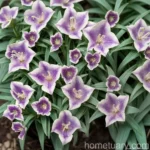
Spiderwort (Tradescantia (Andersoniana Group) ‘Sweet Kate’): A Comprehensive Guide

Introduction
In the world of ornamental horticulture, spiderwort (Tradescantia (Andersoniana Group) ‘Sweet Kate’) is a captivating perennial plant known for its striking appearance and low-maintenance nature. This popular garden favorite has gained substantial attention due to its vibrant flowers and unique foliage. In this comprehensive guide, we will delve into the various aspects of spiderwort, including its cultural needs, uses, propagation, common diseases, and much more. Whether you are a novice gardener or an experienced horticulturist, there’s something intriguing for everyone in the realm of spiderwort. Let’s embark on a journey to unravel the beauty and mystique of this enchanting plant.
What is Spiderwort (Tradescantia (Andersoniana Group) ‘Sweet Kate’)
Spiderwort, scientifically known as Tradescantia (Andersoniana Group) ‘Sweet Kate’, is a stunning herbaceous perennial belonging to the Commelinaceae family. This cultivar is a member of the Tradescantia genus and is a hybrid of various species native to North America. The name “spiderwort” is attributed to the spider-web-like sap that emerges when the stems are cut, thus giving it a characteristic trait.
Key Takeaways
Let’s dive into the key takeaways associated with spiderwort (Tradescantia (Andersoniana Group) ‘Sweet Kate’), which encompass its cultural requirements, propagation, uses, and much more.
- Spiderwort Plant:
- Spiderwort plant care
- Spiderwort varieties
- Spiderwort perennial
- Spiderwort landscaping
- Spiderwort Characteristics:
- Spiderwort plant characteristics
- Spiderwort plant features
- Spiderwort plant colors
- Spiderwort plant growth habits
- Cultural Requirements:
- Water
- Sunlight
- Fertilizer
- Soil
- Maintenance:
- Pruning
- Propagation
- Diseases and Pests:
- Common diseases
- Disease diagnosis
- Common pests
- Botanist’s Tips
- Fun Facts
Now, let’s explore each of these aspects in detail to gain a comprehensive understanding of spiderwort.
Spiderwort Culture
Water
Spiderwort plants have moderate water needs and prefer consistently moist soil. It’s essential to water them regularly, especially during dry spells, to maintain adequate soil moisture levels. However, overwatering should be avoided to prevent waterlogging, which can lead to root rot and other complications.
Sunlight
When it comes to sunlight requirements, spiderwort thrives in partial to full sun conditions. While it can tolerate some shade, adequate sunlight is crucial for promoting robust growth and prolific flowering.
Fertilizer
For optimal growth and blooming, spiderwort plants benefit from a balanced, all-purpose fertilizer applied during the growing season. A slow-release fertilizer can be used in spring to provide essential nutrients for sustained growth and vibrant blooms.
Soil
Spiderwort plants thrive in well-draining, fertile soil with a slightly acidic to neutral pH. A loamy, sandy, or clay soil with good drainage capabilities is ideal for cultivating thriving spiderwort specimens.
Pruning
Pruning spiderwort plants primarily involves the removal of spent flowers and any dead or damaged foliage. Regular deadheading can encourage prolonged blooming and maintain the plant’s overall aesthetic appeal.
Propagation
Spiderwort is easily propagated through division or by planting cuttings. Division can be performed in spring or fall, while stem cuttings can be rooted in moist soil or water to establish new plants.
Spiderwort Uses
Garden Ornamentation
Spiderwort’s stunning blooms and foliage make it a popular choice for garden beds, borders, and ornamental plantings. Its vibrant flowers and spiky foliage create a visually appealing contrast, enhancing the overall aesthetics of the landscape.
Ground Cover
Due to its spreading nature, spiderwort can also be utilized as a ground cover in suitable garden settings. Its vigorous growth habit and attractive appearance make it an excellent choice for filling in bare areas and adding visual interest to the ground level.
Container Cultivation
Spiderwort can be grown in containers, adding a splash of color to patios, balconies, or other outdoor living spaces. Its adaptability to container culture makes it a versatile option for urban and small-space gardening.
Popularity
The popularity of spiderwort (Tradescantia (Andersoniana Group) ‘Sweet Kate’) has soared in recent years, garnering attention from both novice and seasoned gardeners. Its striking appearance, low-maintenance nature, and versatility in various garden settings contribute to its growing popularity among plant enthusiasts.
Common Diseases
Spiderwort plants are generally resilient and are not prone to severe disease issues. However, they may occasionally encounter certain common diseases, including:
- Powdery Mildew: A fungal disease that manifests as powdery white patches on the foliage.
- Leaf Spot: Characterized by dark lesions and spots on the leaves, often caused by fungal pathogens.
Disease Diagnosis
Identification and diagnosis of diseases in spiderwort plants involve careful observation of symptoms such as discoloration, spots, or unusual growth patterns. Timely intervention and appropriate management strategies can help mitigate the impact of these diseases on plant health.
Common Pests
Spiderwort plants are relatively resistant to pest infestations, but they may occasionally attract certain common garden pests, including:
- Aphids: Small, sap-sucking insects that may feed on the tender foliage and shoots.
- Spider Mites: These tiny pests can cause stippling and webbing on the leaves, affecting the overall health of the plant.
Botanist’s Tips
To ensure the optimal growth and well-being of spiderwort plants, consider the following botanist’s tips:
- Regularly monitor soil moisture levels and water the plants as needed to prevent drought stress.
- Incorporate organic matter into the soil to enhance its fertility and improve moisture retention.
- Provide adequate air circulation to minimize the risk of fungal diseases and promote overall plant vigor.
- When selecting companion plants, choose species that complement the attractive features of spiderwort and align with its cultural requirements.
Fun Facts
- The genus name “Tradescantia” pays tribute to John Tradescant, a renowned English naturalist and botanist.
- Spiderwort flowers are known for their ephemeral nature, with individual blooms typically lasting only one day. However, new blooms continuously replace the spent flowers, ensuring a prolonged flowering display.
- The vibrant foliage of ‘Sweet Kate’ spiderwort adds a splash of bold color to garden landscapes, creating captivating visual contrasts and enhancing overall aesthetic appeal.
Links to External Resources
For additional information, resources, and insights on spiderwort (Tradescantia (Andersoniana Group) ‘Sweet Kate’), consider exploring the following external links:
- Missouri Botanical Garden: Tradescantia ‘Sweet Kate’
- University of Maryland Extension: Spiderworts for the Garden
- The American Horticultural Society: Plant Profile – Tradescantia (Andersoniana Group) ‘Sweet Kate’
In conclusion, spiderwort (Tradescantia (Andersoniana Group) ‘Sweet Kate’) stands as a captivating and versatile ornamental plant, offering a spectrum of aesthetic and functional benefits to gardeners and landscapers. By understanding its cultural requirements, propagation techniques, and potential uses, enthusiasts can harness the true potential of this enchanting perennial. Embrace the allure of spiderwort and infuse your garden spaces with its vibrant presence and visual appeal.
References:
1. “Missouri Botanical Garden: Tradescantia ‘Sweet Kate'” [https://www.missouribotanicalgarden.org/PlantFinder/PlantFinderDetails.aspx?taxonid=266168&isprofile=1&basic=tradescantia]
2. “University of Maryland Extension: Spiderworts for the Garden” [https://extension.umd.edu/hgic/topics/spiderworts-garden]
3. “The American Horticultural Society: Plant Profile – Tradescantia (Andersoniana Group) ‘Sweet Kate'” [https://www.ahsgardening.org/gardening-resources/plant-profiles/tradescantia-sweet-kate]