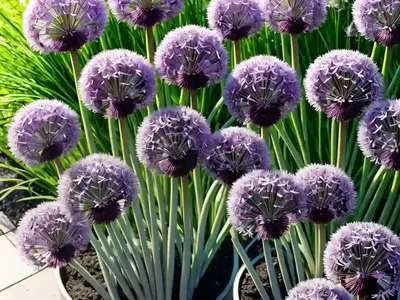
Allium Ursinum (Wild Garlic)
Plants have been an essential part of human life, providing food, medicine, and aesthetic pleasure for centuries. One such remarkable plant is Allium.
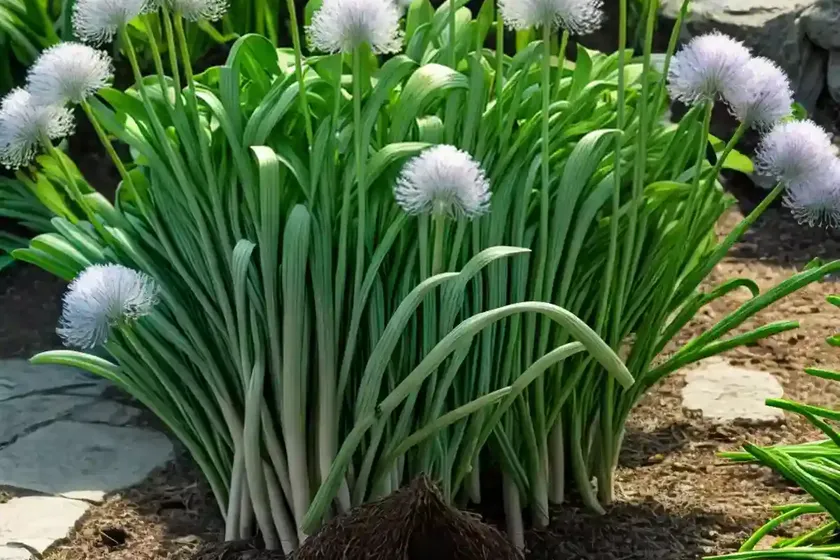
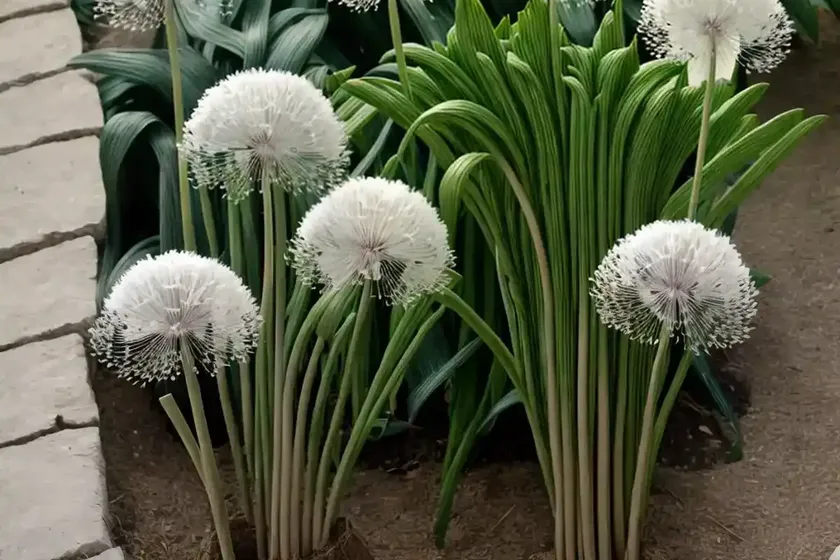
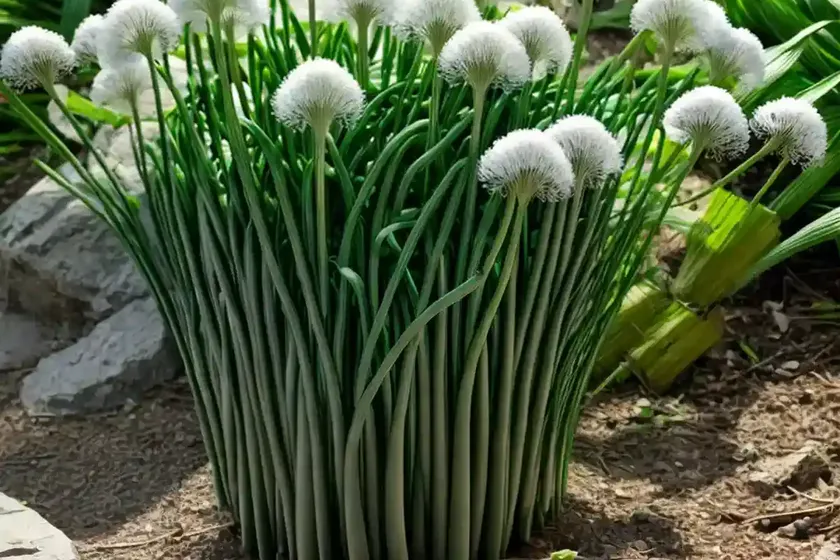
Plants have been an essential part of human life, providing food, medicine, and aesthetic pleasure for centuries. One such remarkable plant is Allium ursinum, commonly known as Wild Garlic. This versatile plant has a rich history of cultural and culinary uses, and its health benefits are truly remarkable. Join me as we delve deeper into the world of Allium ursinum and explore its cultivation, uses, folklore, and much more.
What is Allium ursinum?
Allium ursinum, also known as Wild Garlic, Ramsons, or Bear’s Garlic, is a species of wild, perennial herb belonging to the Allium genus. It is native to Europe and Asia and is widely distributed across these regions. The plant is characterized by its lily-like leaves and distinctive garlic aroma, which intensifies when the leaves are crushed or chopped. Allium ursinum is a popular ingredient in culinary preparations and has also been traditionally used for its medicinal properties.
Key Takeaways – Allium ursinum (Wild Garlic)
Before we explore the various aspects of Allium ursinum in detail, let’s take a quick look at the key takeaways of this remarkable plant:
- Benefits: Allium ursinum offers a wide range of culinary, medicinal, and health benefits.
- Uses: It is used in traditional cuisines, herbal remedies, and natural medicine.
- Cultivation: Understanding the optimal conditions for its growth is essential for successful cultivation.
- Nutritional Value: Allium ursinum is rich in essential nutrients and bioactive compounds.
- Folklore: The plant has a rich history of folklore and traditional uses in various cultures.
Now, let’s dive into the specifics of Allium ursinum, exploring its culture, uses, cultivation requirements, and much more.
Culture
Understanding the cultural significance of Allium ursinum in various contexts is essential to appreciate its multifaceted nature. The plant has played a significant role in culinary traditions, folklore, and traditional medicine across different regions. Let’s explore some of the cultural dimensions associated with Wild Garlic.
Uses
Culinary Uses
- Allium ursinum is widely used as a culinary ingredient, particularly in European cuisines. Its leaves, flowers, and bulbs are utilized in a variety of dishes, including soups, pesto, salads, and omelettes.
- The plant imparts a distinct garlic flavor to dishes and is often preferred for its fresh, pungent aroma.
Medicinal Uses
- In traditional medicine, Allium ursinum has been valued for its medicinal properties. It is believed to have antioxidant, anti-inflammatory, and antimicrobial effects.
- The plant has been used to address various health issues, including high blood pressure, cholesterol levels, and respiratory conditions.
Foraging and Wildcrafting
- Allium ursinum is often foraged in the wild for culinary and medicinal purposes. Foraging for Wild Garlic is a popular activity among nature enthusiasts and those interested in wildcrafting.
Water
- Watering Requirements: Allium ursinum thrives in moist, well-drained soil. During the growing season, it is essential to keep the soil consistently moist, but not waterlogged.
- Irrigation: Adequate irrigation is crucial, especially during dry spells, to ensure the plant’s vigorous growth and development of flavorful leaves.
Sunlight
- Light Conditions: Allium ursinum prefers partial shade to full shade, making it an excellent choice for shaded garden areas. It can also tolerate dappled sunlight.
Soil
- Soil Type: The plant prefers rich, humusy soil with good drainage. It can grow in a variety of soil types, including loamy and sandy soils, as long as they are well-draining.
- Soil pH: Allium ursinum thrives in slightly acidic to neutral soil with a pH range of 5.5 to 7.0.
Fertilizer
- Fertilization: While Allium ursinum can grow in nutrient-rich soils without additional fertilization, applying a balanced organic fertilizer in early spring can support its growth and enhance the flavor of the leaves.
Pruning
- Pruning Requirements: Allium ursinum does not require extensive pruning. However, removing any yellowing or damaged leaves can help maintain the plant’s vigor and aesthetics.
Cultivation
Cultivating Allium ursinum can be a rewarding experience, whether in a garden setting or a container. Understanding the optimal conditions for its growth and propagation is crucial for successful cultivation.
Propagation
- Propagation Methods: Allium ursinum can be propagated through seeds or by dividing the bulbs. The division of bulbs is the most common and reliable method for home gardeners.
Container Popularity
- Container Gardening: Allium ursinum is well-suited to container gardening, making it an ideal choice for urban and limited-space gardens. It thrives in large pots with well-draining soil and can be placed in shaded areas.
Common Diseases
While Allium ursinum is relatively resistant to pests and diseases, it can occasionally be affected by certain issues that gardeners should be aware of.
Disease Diagnosis
- Fungal Diseases: Allium ursinum may be susceptible to fungal diseases such as rust and leaf spot. Maintaining good air circulation and avoiding overhead watering can help prevent these issues.
Common Pests
- Pest Control: Allium ursinum is generally resistant to most pests. However, it may be occasionally targeted by onion flies and thrips. Implementing integrated pest management practices can help mitigate pest problems effectively.
Botanist’s Tips
Fun Facts
Before we delve into the practical aspects of growing and utilizing Allium ursinum, here are some fun and fascinating facts about this remarkable plant:
- In European folklore, Wild Garlic was believed to provide protection against evil spirits and vampires when worn or hung in doorways.
- The flowers of Allium ursinum are not only visually appealing but also attract pollinators, supporting biodiversity in natural habitats.
Links to External Resources
For additional information on Allium ursinum, including its culinary uses, nutritional value, and medicinal properties, consider exploring these external resources: