Leek (Allium Porrum)
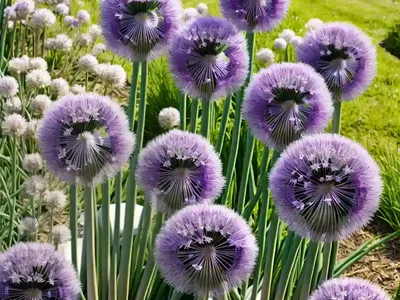
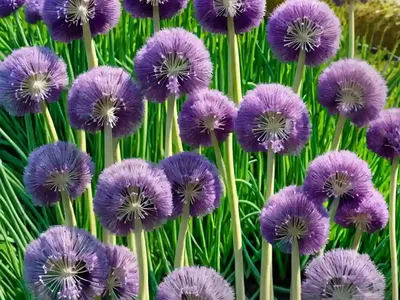
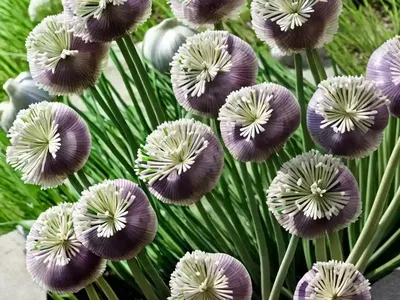
Leek (Allium Porrum) is an incredibly versatile and flavorsome vegetable that has been cherished for its culinary and medicinal properties for centuries..
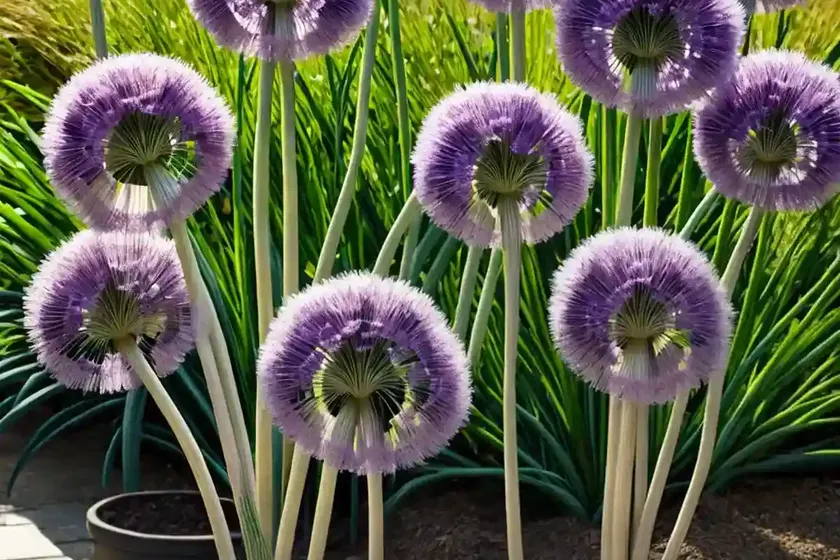
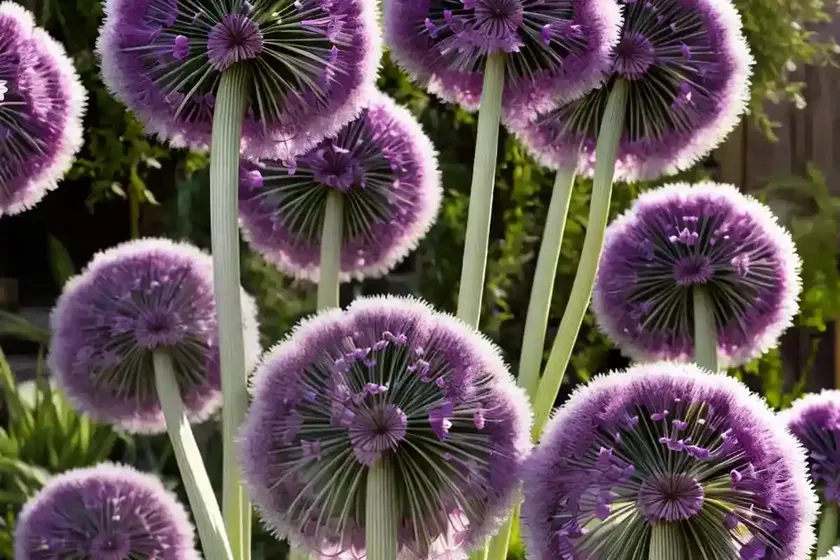
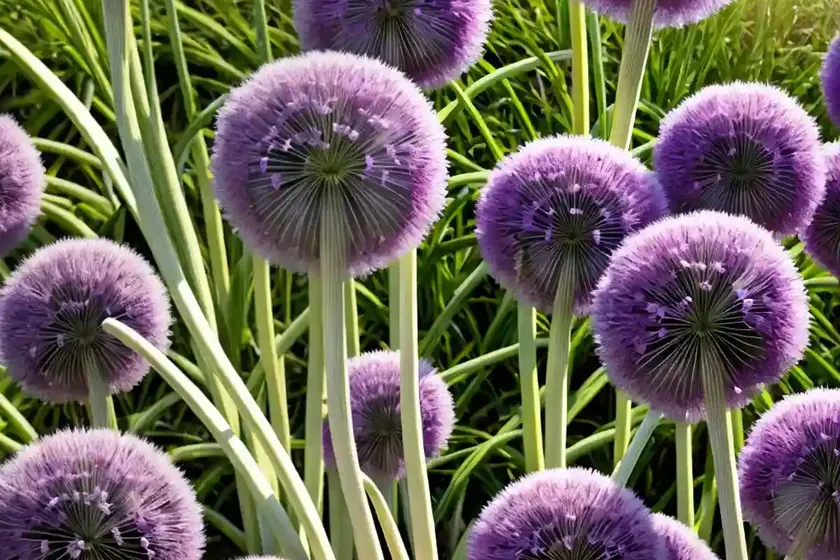
Leek (Allium Porrum) is an incredibly versatile and flavorsome vegetable that has been cherished for its culinary and medicinal properties for centuries. In this comprehensive guide, we will delve into the various aspects of growing and caring for leeks. From its culture and uses to propagation and common diseases, this guide aims to equip you with the knowledge needed to successfully cultivate and enjoy the many benefits of this remarkable plant.
What is Leek (Allium Porrum)?
Leek, scientifically known as Allium Porrum, belongs to the Allium genus, which also includes garlic and onions. This biennial plant is cultivated for its edible leaves and stems, which offer a mild and sweet flavor to culinary dishes. Leeks are known for their hardy nature, thriving in cool weather and enriching the flavor of numerous dishes such as soups, stews, and casseroles.
Key Takeaways – Leek (Allium Porrum)
Before delving into the intricacies of leek cultivation, let’s first explore some key takeaways regarding this remarkable plant.
- Scientific Name: Allium Porrum
- Cultural Significance: Used in culinary dishes for its unique flavor and in traditional medicine for its health benefits
- Edible Parts: Leaves and stems
- Growth Pattern: Biennial plant that thrives in cool weather
- Flavor Profile: Mild and sweet
- Popular Varieties: Exhibits a range of varieties with varying leaf colors, sizes, and flavors
- Common Uses: Versatile in soups, stews, and as a flavor enhancer in numerous dishes
With these key takeaways in mind, let’s explore the specific aspects of leek cultivation and care.
Culture
Understanding the cultural requirements of leeks is essential for successful cultivation. From water and sunlight needs to fertilizer and soil preferences, leeks thrive under specific conditions that promote vigorous growth and bountiful harvests.
Water
Leeks require consistent moisture to thrive but are susceptible to rot if the soil becomes waterlogged. Adequate watering, especially during dry periods, is essential to foster healthy plant growth. Here are some key considerations for watering leeks:
- Consistent Moisture: Provide consistent moisture, ensuring the soil does not dry out completely.
- Avoid Waterlogging: Prevent waterlogging, as excessive moisture can lead to root rot.
Sunlight
Like many plants in the Allium genus, leeks prefer full sun but can tolerate partial shade. However, optimal sunlight exposure is crucial for robust growth and development. Consider the following when addressing the sunlight needs of leeks:
- Full Sun: Provide at least 6-8 hours of direct sunlight daily for optimal growth.
- Partial Shade Tolerance: While leeks prefer full sun, they can tolerate partial shade in hotter climates.
Fertilizer
Appropriate fertilization is key to promoting healthy foliage and flavorful stems in leeks. Understanding the fertilizer requirements and application techniques is vital for providing the necessary nutrients for vigorous growth. Consider the following tips for fertilizing leeks:
- Balanced Fertilizer: Use a balanced fertilizer with an NPK ratio of 10-10-10 or similar.
- Side Dressing: Apply fertilizer as a side dressing when plants are 6-8 inches tall to support steady growth.
Soil
The soil composition plays a pivotal role in determining the overall health and productivity of leeks. Understanding the ideal soil type and pH level is crucial for fostering strong root development and nutrient uptake. Key considerations for soil include:
- Rich, Well-Draining Soil: Ensure the soil is rich in organic matter and drains well to prevent waterlogging.
- pH Level: Aim for a slightly acidic to neutral pH level ranging from 6.0 to 7.0 for optimal growth.
With a solid grasp of the cultural requirements, you are well-equipped to provide the ideal environment for growing leeks. However, cultural practices are just one aspect of successful leek cultivation. Let’s delve further into propagation, common uses, and disease management.
Pruning
The appropriate pruning of leeks can significantly impact their growth and yield. Pruning encourages robust stem development and reduces the risk of diseases. Follow these pruning techniques to ensure the health and productivity of your leek plants:
- Leaf Removal: Remove damaged or yellowing leaves to promote healthy growth.
- Top Pruning: Prune the tops of leek plants to encourage thicker stem development.
Propagation
Propagating leeks through seeds or transplants is a common practice among gardeners. Understanding the most effective propagation methods is essential for expanding your leek garden. Consider the following tips for successful leek propagation:
- Seed Germination: Start seeds indoors in early spring or direct sow in the garden, ensuring a soil temperature of around 70°F.
- Transplanting: When seedlings are 6-8 inches tall, transplant them into the garden, spacing them 6 inches apart.
Container Cultivation
For those with limited outdoor space, cultivating leeks in containers can be a viable option. Container cultivation offers flexibility and allows you to enjoy the benefits of leeks even in confined spaces. Consider the following tips for successfully growing leeks in containers:
- Large Containers: Use deep containers to accommodate the long root system of leeks.
- Well-Draining Soil: Ensure the container has adequate drainage to prevent waterlogging.
Common Diseases
Leeks are susceptible to certain diseases that can impact their growth and productivity. Proper identification and management of these diseases are crucial for ensuring a thriving leek garden. Let’s explore common diseases that affect leeks and their potential causes:
Disease Diagnosis
- Rust: Identified by orange-brown pustules on leaves, caused by fungal infection under humid conditions.
- Downy Mildew: Notable by grayish mold on the leaf undersides, favored by damp and cool environments.
- Leaf Blight: Characterized by small, round grayish lesions with green halos, often occurring in humid conditions.
Common Pests
Pests can pose a significant threat to the health and productivity of leek plants. Understanding the common pests and implementing effective pest management strategies is essential for safeguarding your leek crop. Consider the following common pests that affect leeks:
- Thrips: Tiny insects that cause stippling and silvering of leaves, impacting the overall vigor of plants.
- Leaf Miners: Larvae that tunnel through leek leaves, leading to reduced photosynthesis and overall plant health.
- Onion Maggots: The larvae of these flies feed on leek roots, leading to stunted growth and wilting.
Botanist’s Tips
To further enhance your understanding of leeks, here are some valuable botanist’s tips to ensure successful cultivation:
- Companion Planting: Consider planting leeks with carrots, beets, or spinach to mutually benefit from pest control and space utilization.
- Seasonality: Leeks thrive in cool weather, making them ideal for early or late season cultivation.
- Mulching: Apply a layer of mulch around leek plants to retain soil moisture and suppress weed growth.
Fun Facts
In addition to the practical aspects of leek cultivation, it’s fascinating to explore some lesser-known facts about these versatile plants. Here are some intriguing fun facts about leeks:
- Cultural Significance: Leeks are the national emblem of Wales and are traditionally worn on St. David’s Day, March 1st.
- Historical Uses: Ancient Greeks and Romans revered leeks for their medicinal properties, using them to promote throat and skin health.
- Versatile Ingredient: Leeks have been a staple in European cuisines for centuries, adding depth and flavor to a wide range of dishes.
With a deeper understanding of the cultural requirements, propagation methods, and potential challenges associated with leek cultivation, you are well-prepared to embark on your journey of growing and enjoying the benefits of this exceptional plant. As you venture into the realm of leek cultivation, remember the wealth of history, culinary tradition, and health benefits embodied by this remarkable member of the Allium family.
Links to External Resources
To further broaden your knowledge of leeks and support your cultivation endeavors, consider exploring the following external resources: