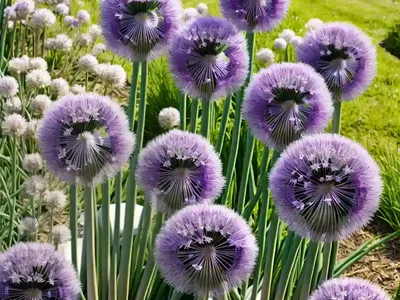
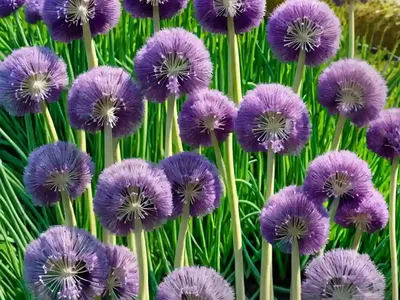
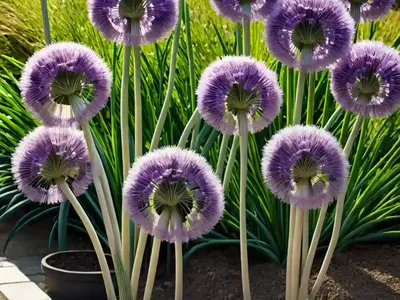
Garlic Chive (Allium Tuberosum)
Plants are not just a source of beauty but also of nourishment, flavors, and a multitude of practical uses. In this comprehensive guide, we will delve deep.
Introduction
Plants are not just a source of beauty but also of nourishment, flavors, and a multitude of practical uses. In this comprehensive guide, we will delve deep into the world of Allium tuberosum, commonly known as garlic chive. We will explore its culture, uses, growing conditions, maintenance, and much more. So, let’s embark on this fascinating journey and unravel the secrets of garlic chive.
What is Garlic Chive (Allium tuberosum)?
Garlic chive, scientifically known as Allium tuberosum, is a species of onion native to the regions of East Asia. It is a part of the Amaryllidaceae family, which also includes onions, garlic, and leeks. This perennial herb is widely cultivated for its culinary and medicinal properties and is a popular addition to home gardens and professional landscapes alike.
Key Takeaways – Garlic Chive (Allium tuberosum)
Before diving deeper into the specifics of growing and caring for garlic chive, let’s take a quick look at some key takeaways about this versatile plant.
Culture
- Scientific Name: Allium tuberosum
- Common Name: Garlic chive
- Type: Perennial herb
- Native Habitat: East Asia
- Family: Amaryllidaceae
Uses
- Culinary: With a mild garlic flavor, garlic chive is widely used in various culinary preparations.
- Medicinal: It is also valued for its potential health benefits and medicinal properties.
Now that we’ve got an overview of what garlic chive is, let’s explore the factors crucial for its cultivation and maintenance.
Garlic Chive (Allium tuberosum) – Cultivation and Care
Water
Garlic chive thrives in moist soil but is adaptable to various moisture levels. Here are some essential tips for watering garlic chive:
- Establishment Phase: During the initial growth phase, ensure consistent moisture to aid in the development of robust roots.
- Mature Plants: Once established, garlic chive generally requires moderate watering. However, it’s essential to monitor the soil moisture levels and water when the top layer of the soil appears dry.
Sunlight
Proper sunlight is crucial for the healthy growth of garlic chive. Here’s a brief overview of its sunlight requirements:
- Full Sun: Garlic chive flourishes in full sun, receiving at least 6-8 hours of direct sunlight each day.
- Partial Shade: While it prefers full sun, it can tolerate partial shade, especially in regions with intense summer heat.
Fertilizer
Fertilizing garlic chive can promote vigorous growth and enhance its flavor. Consider the following when fertilizing garlic chive:
- Balanced Fertilizer: Apply a balanced, all-purpose fertilizer in early spring to provide essential nutrients for robust growth.
- Avoid Over-fertilization: Refrain from excessive fertilization as it can lead to lush foliage with subdued flavor.
Soil
The right soil conditions are vital for the optimal growth of garlic chive. Here are the soil requirements for cultivating garlic chive:
- Well-draining Soil: Garlic chive thrives in well-draining soil with a slightly acidic to neutral pH.
- Soil Amendments: Incorporating organic matter such as compost can improve soil structure and fertility.
Pruning
Pruning is an essential aspect of maintaining garlic chive. Here are some key points to consider:
- Regular Harvesting: Periodic harvesting of the outer leaves promotes continual growth and prevents the plant from becoming overly dense.
- Flower Removal: To redirect the plant’s energy towards leaf production, it’s advisable to remove the flower stalks as they appear.
Propagation
Garlic chive can be propagated through various methods. Consider the following approaches for propagating garlic chive:
- Division: Division of mature clumps in early spring is a common and effective method of propagation.
- Seeds: Sow seeds directly in the garden or in containers for new plant establishment.
Container Popularity
Garlic chive is popularly grown in containers, offering a convenient option for urban and space-limited gardens. Here are some insights into its container cultivation:
- Container Size: Select containers that are at least 6-8 inches deep to accommodate the extensive root system of garlic chive.
- Drainage: Ensure proper drainage in the containers to prevent waterlogging, which can lead to root rot.
Common Diseases
While garlic chive is relatively resistant to diseases, it can occasionally encounter certain issues. Here are some common diseases and appropriate measures:
- Leaf Blight: Maintain proper spacing between plants to ensure adequate air circulation and promptly remove affected foliage.
- Downy Mildew: Avoid overhead irrigation and crowded planting to minimize the risk of downy mildew.
Disease Diagnosis
Early diagnosis of diseases is critical for effective management. Look out for the following symptoms of common diseases in garlic chive:
- Leaf Blight: Dark, water-soaked lesions on the leaves with subsequent wilting and decay.
- Downy Mildew: Grayish or purplish fuzzy patches on the undersides of the leaves, often accompanied by yellowing.
Common Pests
Despite being relatively pest-resistant, garlic chive can occasionally succumb to pest infestations. Keep an eye out for the following common pests:
- Aphids: Check the underside of the leaves for clusters of small, soft-bodied insects and treat infestations promptly.
- Thrips: Look for discoloration and stippling on the foliage, indicating thrips feeding activity, and consider appropriate control measures.
Botanist’s Tips
As a plant scientist, I would like to offer some additional tips for successfully growing and caring for garlic chive:
- Companion Plants: Pair garlic chive with companion plants such as carrots, tomatoes, and peppers to potentially enhance their flavor and repel pests.
- Mulching: Applying a layer of organic mulch around garlic chive plants can help conserve moisture, suppress weeds, and moderate soil temperatures.
Fun Facts
Here are some fascinating and lesser-known facts about garlic chive:
- Cultural Significance: Garlic chive holds cultural significance in various Asian cuisines and traditional medicine practices.
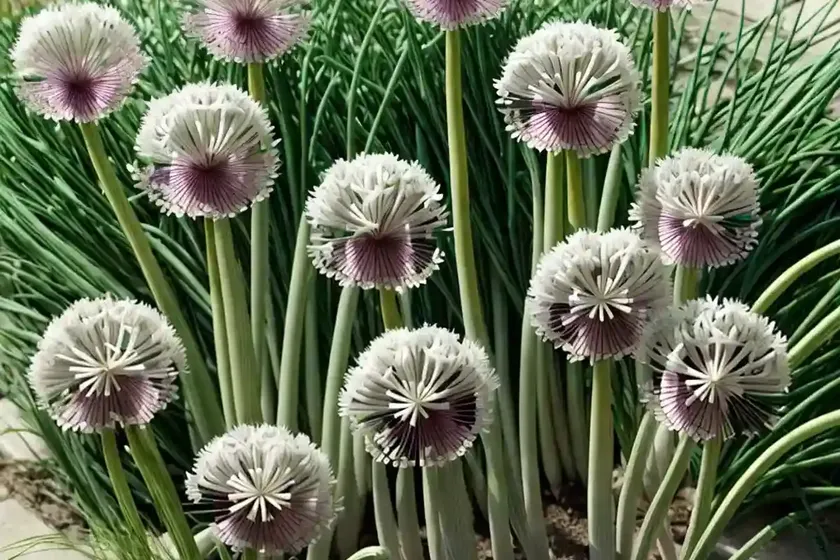
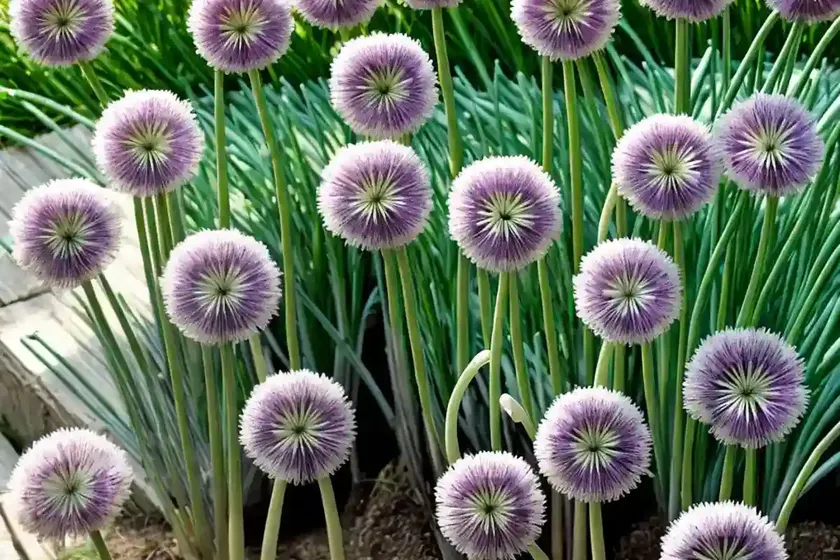
- Ornamental Value: Beyond its culinary uses, garlic chive also exhibits attractive white flowers, adding ornamental appeal to gardens.
Links to External Resources
For further exploration and detailed information on garlic chive, I recommend referring to the following external resources:
- Allium tuberosum Companion Plants – Discover suitable companion plants to grow alongside garlic chive for mutual benefits.
- Garlic Chive Care Guide – Access comprehensive care guidelines covering all aspects of garlic chive cultivation and maintenance.
- Growing Allium tuberosum – Explore in-depth insights into the optimal growing conditions and best practices for cultivating garlic chive.
- Allium tuberosum Cultivation Techniques – Gain knowledge about the specific cultivation techniques and requirements for successful garlic chive cultivation.
- Garlic Chive Varieties – Learn about the different varieties of garlic chive and their unique characteristics and uses.
- Uses of Allium tuberosum – Delve into the diverse culinary and medicinal uses of garlic chive and how it contributes to various dishes and remedies.
- Allium tuberosum Health Benefits – Uncover the potential health benefits and medicinal properties of garlic chive, supported by scientific evidence.
- Culinary Uses of Garlic Chive – Explore a wide range of culinary applications of garlic chive, including recipes and flavor pairings.
- Allium tuberosum Propagation Methods – Understand the various methods of propagating garlic chive and the best practices for successful propagation.
- Growing Garlic Chive Indoors – Access insights and tips for growing garlic chive indoors, suitable for urban and indoor gardening enthusiasts.
- Allium tuberosum in Pots – Learn about the specific considerations and techniques for growing garlic chive in pots or containers.
With this comprehensive guide, you are well-equipped to embark on your journey of cultivating, caring for, and appreciating the remarkable garlic chive (Allium tuberosum). Whether you are a seasoned gardener or just starting out, the beauty and versatility of garlic chive make it a rewarding and enriching addition to any garden or landscape.
So, roll up your sleeves, get your gardening tools ready, and let the delightful journey of growing garlic chive begin!