Chives (Allium Schoenoprasum)
As a plant scientist, I am excited to delve into the world of chives (Allium schoenoprasum). This versatile and flavorful herb is not only a delightful.
As a plant scientist, I am excited to delve into the world of chives (Allium schoenoprasum). This versatile and flavorful herb is not only a delightful addition to the garden but also a valuable ingredient in culinary and medicinal applications. Throughout this guide, we will explore the cultivation, uses, and care tips for chives, offering a comprehensive resource for both novice and seasoned gardeners.
What is Chives (Allium schoenoprasum)?
Chives (Allium schoenoprasum) belong to the Allium genus, which also includes onions, garlic, and leeks. These slender, grass-like perennials are renowned for their mild onion flavor and vibrant green leaves, making them a popular choice for gardeners and chefs alike.
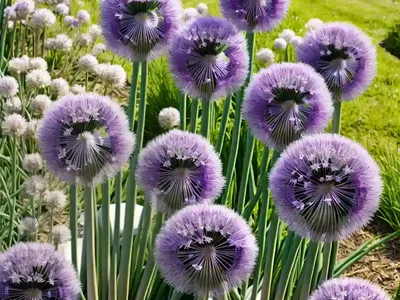
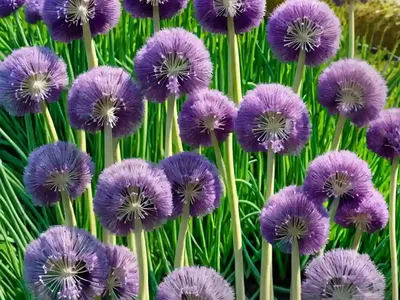
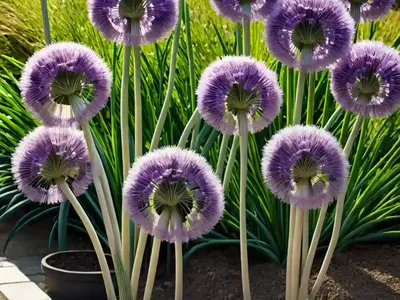
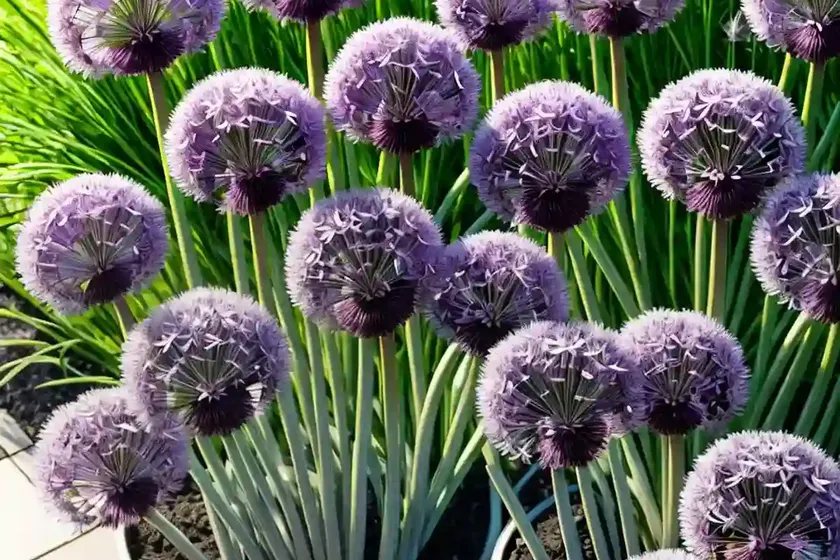
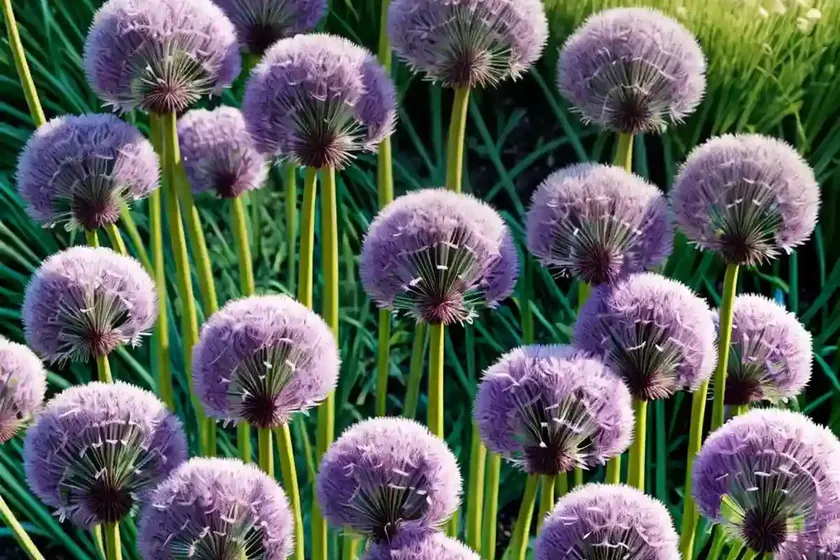
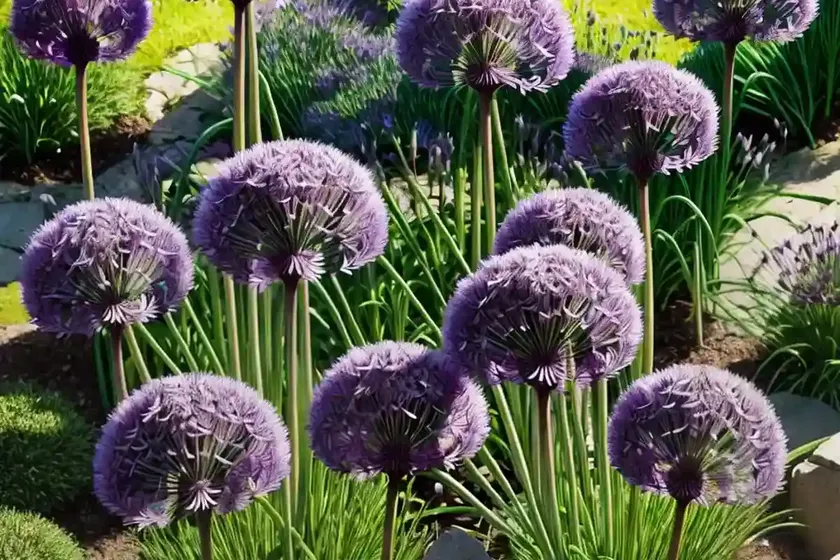
Chives feature delicate, globe-shaped mauve or purple flowers that bloom atop slender stems, adding ornamental value to the garden and attracting beneficial pollinators. As a member of the Amaryllidaceae family, chives are native to Europe, Asia, and North America.
Key Takeaways – Chives (Allium schoenoprasum)
Before delving into the specific aspects of cultivating and caring for chives, let’s summarize the key takeaways associated with this herb:
- Scientific Name: Allium schoenoprasum
- Cultivation: Easily grown in various climates, chives thrive in well-draining soil and benefit from consistent moisture.
- Health Benefits: Rich in essential nutrients and antioxidants, chives offer numerous health benefits, including respiratory and digestive support.
- Culinary Uses: Widely used as a versatile culinary ingredient, chives are popular in dishes ranging from salads and soups to sauces and garnishes.
- Species: Various cultivars and species of chives are available, each with unique characteristics and flavors.
- Companion Plants: Chives make excellent companions for a variety of vegetables and herbs, promoting the overall health of the garden.
- Container Gardening: Ideal for container cultivation, chives thrive in pots and can be grown indoors or on balconies.
- Common Diseases: While generally resilient, chives can be susceptible to fungal diseases under conditions of excessive moisture.
- Pest Management: Regular monitoring and cultural practices can help control common pests that affect chives.
- Propagation: Chives can be propagated through division, seeds, or cuttings, offering multiple options for expanding your herb garden.
With these key points in mind, let’s explore the specific elements of chives cultivation, from their preferred environmental conditions to their maintenance requirements.
Culture of Chives (Allium schoenoprasum)
Cultivating chives successfully involves understanding their preferred growing conditions, which encompass aspects such as water, sunlight, soil, and fertilizer. By providing the optimal environment for chives, you can ensure robust growth and an abundant harvest. Let’s delve into each of these cultural factors in detail.
Water
Chives thrive in consistently moist soil, making adequate watering a critical aspect of their care. When establishing chives or growing them in containers, ensure that the soil remains evenly moist, avoiding both waterlogged conditions and extended periods of drought.
Watering Tips for Chives:
- Frequency: Water chives when the top inch of soil feels dry to the touch. Depending on the climate and soil conditions, this typically translates to approximately 1-2 inches of water per week.
- Methods: Direct irrigation at the base of the plants to minimize moisture on the foliage, which can contribute to fungal diseases.
- Drainage: Ensure that the soil provides proper drainage to prevent waterlogging, which can lead to root rot and other issues.
Sunlight
Chives thrive in locations with ample sunlight, benefiting from at least 6-8 hours of direct sun each day. While they can tolerate partial shade, optimal sunlight exposure promotes robust growth, vibrant foliage, and prolific flowering.
Sunlight Guidelines for Chives:
- Outdoor Planting: Select a sunny location for outdoor chive beds or planting sites. South-facing or west-facing areas are often ideal for maximizing sunlight exposure.
- Indoor Cultivation: When growing chives indoors, place them near a south-facing window to ensure they receive sufficient sunlight throughout the day.
- Shade Tolerance: While chives can tolerate partial shade, aim to provide as much sunlight as possible for optimal growth and flavor development.
Fertilizer
Chives generally have modest fertilizer requirements, and excessive fertilization can lead to lush foliage at the expense of flavor and essential oil production. When amending the soil or providing supplemental nutrients, opt for balanced and organic fertilizers to support overall plant health.
Fertilization Tips for Chives:
- Timing: Apply a balanced fertilizer in early spring as chives emerge from dormancy. Avoid excessive nitrogen, which can promote excessive leafy growth at the expense of essential oil concentration.
- Organic Options: Consider incorporating compost, well-aged manure, or organic slow-release fertilizers to provide a steady supply of nutrients without overwhelming the plants.
- Container Cultivation: If growing chives in containers, periodically replenish the soil with a diluted liquid fertilizer to support ongoing growth and vigor.
Soil
Well-draining soil with a slightly alkaline to neutral pH is ideal for chives, allowing for proper aeration and moisture management. Additionally, incorporating organic matter into the soil can enhance fertility and overall soil structure, benefiting chive growth and development.
Soil Guidelines for Chives:
- Texture: Aim for a loamy, well-draining soil to prevent waterlogging and support healthy root development.
- pH Range: Chives thrive in soil with a pH range of 6.0 to 7.0, though they can tolerate slightly acidic to slightly alkaline conditions.
- Amendments: Incorporate compost, well-rotted manure, or peat moss into the soil to enhance fertility and improve its texture and moisture-holding capacity.
Pruning and Harvesting Chives
Pruning and harvesting chives are essential practices that promote continued growth, retention of flavor, and the prevention of self-seeding. By adhering to proper pruning techniques and timing your harvests strategically, you can ensure a bountiful supply of fresh chives for culinary and ornamental purposes.
Pruning Chives
Regular pruning of chives helps maintain their vigor, prevents the spread of disease, and encourages the production of fresh growth. When performing pruning activities, it’s essential to use sharp, sterile tools to minimize plant stress and the risk of transmitting pathogens.
Pruning Guidelines for Chives:
- Deadheading: Remove spent flowers promptly to prevent the formation of seeds, redirecting the plant’s energy towards leaf production.
- Foliage Trimming: Trim back any discolored or damaged foliage as needed, promoting a tidy and healthy appearance for the plants.
- Division: Periodically divide established chive clumps to rejuvenate the plants and promote robust growth. This can be done every few years in early spring or fall.
Harvesting Chives
Harvesting chives involves cutting the foliage as needed while ensuring that ample growth is retained to sustain the plants. By following proper harvesting techniques, you can enjoy a continuous supply of fresh chives while encouraging ongoing productivity from the plants.
Harvesting Tips for Chives:
- Timing: Begin harvesting chives when they reach approximately 6-8 inches in height, typically a few months after planting. Leave at least 2 inches of growth on the plants to support regeneration.
- Frequency: Regularly harvest chives to promote new growth and prevent the development of tough, woody foliage. Avoid removing more than one-third of the plant’s foliage at a time.
- Storage: Use freshly harvested chives promptly, or store them in a cool, moist environment to maintain their flavor and texture. Consider freezing excess harvests for long-term use.
Propagation of Chives
Propagation by Division
Division is a common and straightforward method of propagating chives, allowing you to expand your herb garden and rejuvenate established clumps. By separating and replanting individual divisions, you can create new plantings or share chives with fellow gardeners.
Steps for Propagation by Division:
- Select Mature Plants: Choose established chive clumps with several healthy, vigorous stems for division.
- Prepare the Clump: Lift the clump gently from the soil, ensuring that the roots remain intact. Gently shake off excess soil to reveal the individual divisions.
- Separate Stems: Carefully tease apart the individual stems or divisions, taking care to minimize damage to the roots.
- Replanting: Plant the divisions in prepared soil, ensuring that the roots are covered and the foliage remains upright. Water the newly planted divisions thoroughly to support their establishment.
Propagation from Seeds
While chives readily self-seed in favorable conditions, you can also propagate them by sowing seeds indoors or directly in the garden. By starting chives from seeds, you can select specific cultivars and varieties while enjoying the satisfaction of nurturing them from the earliest stages of growth.
Seed Propagation Guidelines for Chives:
- Indoor Sowing: Start chive seeds indoors approximately 6-8 weeks before the last expected frost, sowing them into a well-draining seed-starting mix.
- Sowing Depth: Plant chive seeds at a depth of approximately ¼ inch, covering them lightly with soil and misting them gently to provide moisture without disturbing the seeds.
- Transplanting: Once the seedlings develop several sets of leaves, transplant them into larger containers or directly into the garden, ensuring they receive proper acclimatization and care.
Propagation from Cuttings
Propagation from cuttings offers an efficient and straightforward method of creating new chive plants, utilizing mature stems to generate rooted clones. By following proper techniques for stem cuttings, you can propagate chives with a high success rate, creating new plants for your herb garden or sharing with others.
Cutting Propagation Steps for Chives:
- Select Healthy Stems: Choose healthy, non-flowering stems for the cuttings, ensuring they are free from disease and damage.
- Preparation: Cut 4-6 inch sections from the selected stems, utilizing clean, sharp scissors or pruning shears to make the cuts.
- Rooting Medium: Insert the cuttings into a moistened, well-draining rooting medium, such as perlite or vermiculite, ensuring that at least 2 inches of the stem is submerged.
- Root Development: Place the cuttings in a warm, humid environment with indirect light, maintaining consistent moisture without waterlogging the rooting medium.
- Transplanting: Once the cuttings develop roots, transplant them into individual containers or a prepared garden bed, providing the necessary care to support their establishment and ongoing growth.
Chives in Container Gardening
Container Selection
When growing chives in containers, selecting the right pots and ensuring proper growing conditions are essential for their success. With the appropriate containers and care, chives can thrive in balconies, patios, or indoor settings, providing a convenient and rewarding source of fresh herbs.
Guidelines for Container Selection:
- Size: Choose containers with a depth of at least 8 inches to accommodate the extensive root system of chives. Larger containers can support multiple chive plants and retain moisture more effectively.
- Drainage: Select containers with drainage holes to prevent waterlogging and promote healthy root development.
- Material: Opt for durable, frost-resistant materials such as ceramic, plastic, or terra cotta, ensuring that the containers are suited to the intended environment.
Container Care for Chives
Successful cultivation of chives in containers hinges on providing the appropriate care and growing conditions to support their growth. By addressing key elements such as watering, sunlight, and soil quality, you can foster healthy and productive chive plants in container settings.
Care Tips for Chives in Containers:
- Watering: Monitor the moisture levels in the container, ensuring that the soil remains evenly moist without becoming waterlogged. Avoid allowing the soil to dry out completely, as this can stress the plants.
- Sunlight: Position the containers in a location that receives at least 6-8 hours of direct sunlight each day, supplementing with artificial lighting if needed for indoor cultivation.
- Soil Quality: Utilize a well-draining potting mix rich in organic matter, providing a fertile and balanced environment for the chive plants.
Indoor Cultivation
Growing chives indoors offers the convenience of having fresh herbs readily available for culinary use, even in limited or non-garden settings. By providing proper care and attention to their growing requirements, you can cultivate robust and flavorful chives within indoor environments.
Indoor Cultivation Tips for Chives:
- Lighting: Situate the chives near a south-facing window to ensure they receive ample sunlight. If natural light is limited, supplement with grow lights to provide the necessary light intensity and duration.
- Temperature: Maintain indoor temperatures between 60-70°F (15-21°C) to promote healthy growth and prevent stress to the chive plants.
- Humidity: Provide adequate humidity by misting the foliage or utilizing a humidifier, particularly during periods of low indoor humidity.
Uses of Chives (Allium schoenoprasum)
The uses of chives extend far beyond their role as a flavorful herb in culinary applications. From their medicinal properties to their ornamental and companion planting value, chives offer numerous benefits both within and beyond the kitchen. Let’s explore the diverse uses of chives and their versatility in various settings.
Culinary Uses
Chives are revered for their delicate onion flavor, vibrant green color, and culinary versatility, making them a prized ingredient in various dishes and culinary traditions. Whether used as a garnish, seasoning, or primary ingredient, chives contribute a distinctive and refreshing flavor profile to many culinary creations.
Culinary Applications of Chives:
- Salads: Enhance the flavor and visual appeal of salads and cold dishes by incorporating freshly chopped chives.
- Soups and Stews: Use chives to add a mild onion flavor and bright color to soups, stews, and broth-based dishes.
- Sauces and Dips: Infuse sauces, dips, and spreads with the mild onion flavor of chives, adding depth and complexity to the recipes.
- Egg Dishes: Sprinkle chopped chives over omelets, scrambled eggs, or frittatas to complement the rich and savory flavors of the dishes.
- Fish and Seafood: Pair chives with fish and seafood preparations, such as grilled fish, seafood salads, or shellfish dishes, to impart a fresh and aromatic note.
- Garnish: Use chive stems and blossoms as an attractive and flavorful garnish for a wide range of culinary creations.
Medicinal Properties
Beyond their culinary appeal, chives possess medicinal properties that have been recognized and utilized for centuries in various cultural traditions. From promoting respiratory health to supporting digestion, chives offer valuable benefits that extend into the realm of natural remedies and herbal medicine.
Medicinal Applications of Chives:
- Respiratory Health: Chives contain compounds that support respiratory health and function, aiding in the relief of congestion and the promotion of clear breathing.
- Digestive Support: The essential oils present in chives may offer digestive support, helping to alleviate discomfort and promote healthy digestion.
- Antibacterial Properties: Chives are believed to possess natural antibacterial properties, which may contribute to their potential role as a natural antibiotic.
Ornamental and Companion Planting
In addition to their culinary and medicinal uses, chives offer ornamental value as a garden plant, benefiting from their attractive foliage and vibrant flowers. Furthermore, chives function as beneficial companion plants, repelling certain pests and supporting the overall health of neighboring plants.
Ornamental and Companion Planting uses of Chives:
- Flower Beds: Integrate chives into flower beds and ornamental gardens, where their vibrant foliage and blossoms add color and visual interest.
- Companion Planting: Use chives as companion plants for vegetables and herbs, providing natural pest protection and promoting a harmonious garden ecosystem.
- Pollinator Attraction: Chive blossoms attract beneficial pollinators such as bees and butterflies, contributing to the overall health and biodiversity of the garden.
Edible Flower Arrangements
Chive blossoms are not only visually striking but also edible, offering a unique and flavorful addition to various culinary creations. Their delicate, onion-like flavor and vibrant color make them a popular choice for garnishing and enhancing the visual appeal of dishes.
Uses of Chive Blossoms in Culinary Applications:
- Salad Enhancements: Add chive blossoms to salads and cold dishes to introduce a mild onion flavor and a visual flourish.
- Edible Garnish: Use chive blossoms as an edible garnish for a variety of dishes, including soups, salads, entrees, and hors d’oeuvres.
- Vinegar and Infusions: Infuse vinegar with chive blossoms to create a flavorful and aromatic ingredient for dressings, marinades, and culinary infusions.
Common Diseases and Pest Management for Chives
Common Diseases
While chives are resilient and generally resistant to many pests and diseases, certain environmental conditions can predispose them to specific issues. Understanding common diseases affecting chives and implementing preventive measures are essential for maintaining the overall health and vitality of the plants.
Common Diseases of Chives:
- Downy Mildew (Peronospora destructor): Characterized by yellowing foliage and a fuzzy, grayish mold on the undersides of leaves, downy mildew can spread rapidly in humid conditions.
- Botrytis Blight (Botrytis spp.): This fungal disease causes gray mold to develop on the foliage and stems, often under conditions of high humidity and poor air circulation.
- Leaf Spot (Colletotrichum spp.): Leaf spot presents as dark, water-soaked lesions on the foliage, potentially leading to defoliation and reduced plant vigor.
- Rust (Puccinia spp.): Rust diseases can manifest as orange or yellowish pustules on the foliage, impairing the plant’s ability to photosynthesize and thrive.
Disease Diagnosis and Control
Identifying and addressing diseases promptly is essential for managing their impact on chives, preserving the plants’ overall health and productivity. By practicing good cultural habits and utilizing appropriate interventions, you can protect chives from the detrimental effects of common fungal diseases.
Guidelines for Disease Diagnosis and Control:
- Regular Inspection: Monitor chives regularly for signs of disease, including discolored foliage, mold development, or significant changes in growth patterns.
- Proper Air Circulation: Promote adequate air circulation around chive plants by spacing them appropriately and pruning neighboring vegetation as needed.
- Water Management: Avoid overhead watering and excess moisture on the foliage, as this can create conditions favorable to fungal diseases.
Common Pests
Chives are relatively resistant to many insect pests due to their pungent aroma and natural compounds, which deter feeding and infestation. However, certain pests may still pose a threat to chive plants, necessitating vigilance and intervention to minimize their impact.
Common Pests Affecting Chives:
- Thrips (Thysanoptera spp.):