Green Onion (Allium Fistulosum)
Plants play a crucial role in our lives, offering a myriad of benefits ranging from nutritional value to aesthetic appeal. Among these plants, the green.
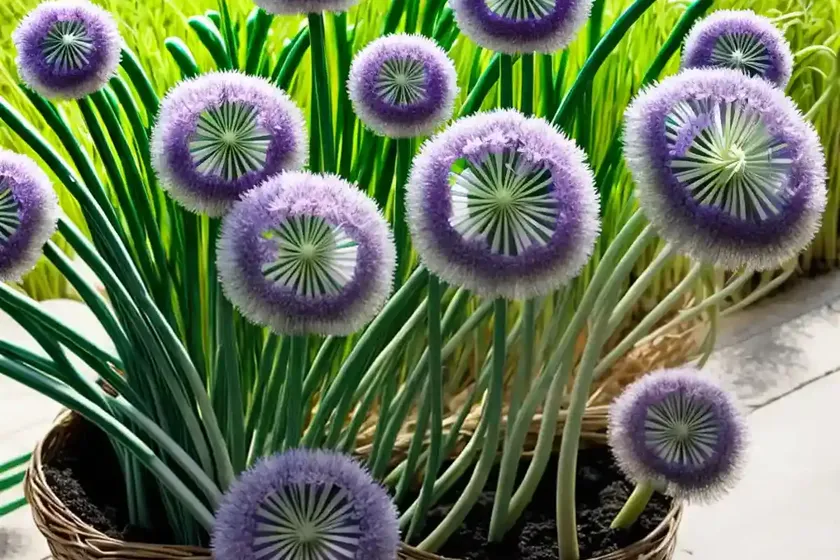
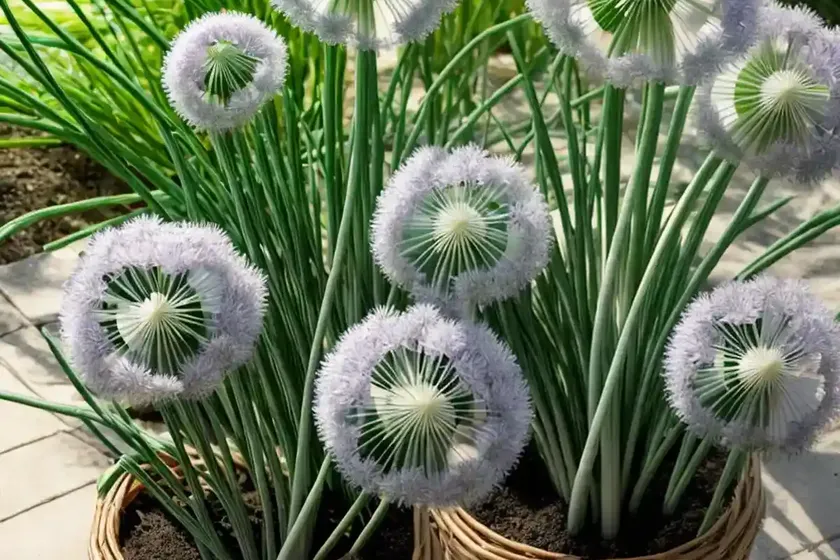
Introduction
Plants play a crucial role in our lives, offering a myriad of benefits ranging from nutritional value to aesthetic appeal. Among these plants, the green onion (Allium fistulosum) stands out for its versatility and wide array of uses. In this comprehensive guide, we will explore the cultural significance, uses, cultivation, care tips, and other aspects of the green onion plant.
What is Green Onion (Allium fistulosum)?
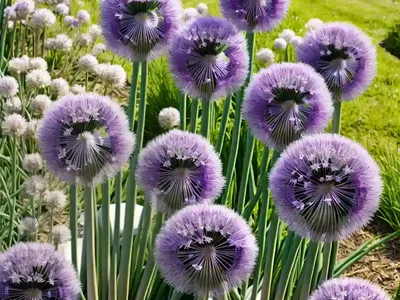
The green onion, scientifically known as Allium fistulosum, is a species of onion that is widely used in culinary applications around the world. It is a member of the Allium genus, which also includes garlic, chives, and leeks. The green onion is characterized by its slender, hollow green stalks and small white bulbs. It is known by various names, including scallion, spring onion, and salad onion, depending on regional and cultural preferences.
Key Takeaways – Green Onion (Allium fistulosum)
Before delving into the specifics of green onion cultivation and care, let’s highlight some key takeaways about this versatile plant:
-
Green Onion Benefits: The green onion is not only prized for its flavor-enhancing properties but also for its numerous health benefits.
-
Allium Fistulosum Uses: From soups and salads to stir-fries and garnishes, Allium fistulosum finds extensive use in diverse culinary preparations.
-
Growing Green Onions: Cultivating green onions is relatively straightforward and can be done in traditional garden beds or containers.
-
Green Onion Nutrition Facts: This plant is a rich source of essential nutrients, including vitamins, minerals, and antioxidants.
-
Allium Fistulosum Cultivation: Understanding the environmental and cultural requirements of Allium fistulosum is crucial for successful cultivation.
Culture
The cultural significance of the green onion transcends culinary applications. It holds symbolic and traditional value in various cultures around the world, often featuring in folklore, superstitions, and herbal remedies.
Folklore and Symbolism
In many Asian cultures, the green onion holds symbolic significance, representing auspiciousness, growth, and prosperity. It is often used in traditional ceremonies and rituals to symbolize new beginnings and renewal.
Folklore in Different Cultures
The green onion’s presence in different cultures gives rise to a rich tapestry of folklore and traditional beliefs. It is often associated with healing properties and is believed to ward off negative energy in various folk traditions.
Uses
The green onion’s uses extend far beyond its role as a culinary ingredient. It has found applications in traditional medicine, natural pest management, and even as an ornamental plant.
Culinary Purposes
From its mild, onion-like flavor to its vibrant green color, the green onion adds a delightful touch to a range of culinary creations. It is used in both raw and cooked dishes, providing a fresh and aromatic element to various cuisines.
Medicinal Uses
Beyond its culinary value, Allium fistulosum has been recognized for its medicinal properties. It is believed to have antioxidant, antibacterial, and anti-inflammatory effects, making it a valuable ingredient in traditional herbal remedies.
Ornamental Varieties
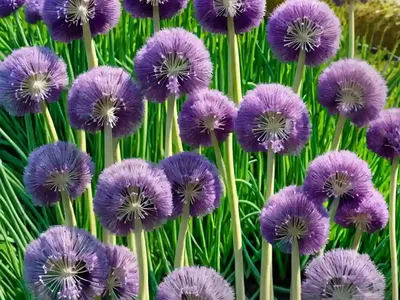
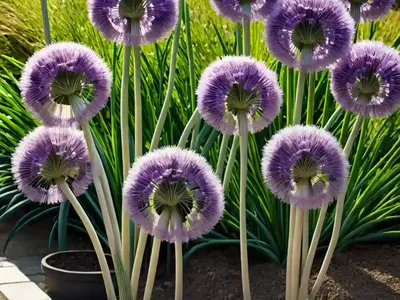
Certain ornamental varieties of Allium fistulosum are grown for their aesthetic appeal. With their delicate foliage and graceful form, these varieties are often used to adorn gardens or ornamental plantings.
Water
Sufficient water is essential for the healthy growth of green onions. They prefer consistently moist soil, especially during the germination and early growth stages.
Watering Guidelines
-
Seed Germination: Ensure that the soil is kept consistently moist during the germination period.
-
Established Plants: Water the plants regularly, especially during dry spells, to maintain optimal growth and yield.
Sunlight
Green onions thrive in a well-lit environment and typically require at least 6 hours of sunlight daily for robust growth.
Sunlight Requirements
-
Full Sun: Position the green onion plants in an area that receives ample sunlight, preferably in a south-facing location for maximum exposure.
-
Partial Shade: In regions with intense heat, providing some relief from direct afternoon sun can prevent the plants from becoming stressed.
Fertilizer
Applying fertilizer judiciously can bolster the growth and yield of green onions, ensuring that they receive the essential nutrients for development.
Fertilization Tips
-
Balanced Fertilizer: Use a balanced fertilizer with a higher nitrogen content to promote lush green foliage and robust stalk development.
-
Timing: Apply fertilizer sparingly, focusing on the initial growth phase and during active growth periods.
Soil
The type and quality of the soil play a pivotal role in the successful cultivation of green onions. It should be well-draining, fertile, and rich in organic matter.
Soil Characteristics
-
Well-Draining: Select a soil mix that allows excess water to drain away, preventing waterlogging and subsequent root rot.
-
Fertile: Enrich the soil with organic matter such as compost to provide the necessary nutrients for healthy growth.
Pruning
Pruning or thinning of green onions is essential for promoting air circulation, reducing competition among the plants, and ensuring that they reach their full potential.
Pruning Techniques
-
Thinning: As the plants grow, thin out overcrowded areas, allowing sufficient space for each plant to develop fully.
-
Harvesting: Regularly harvest the outermost green stalks to promote new growth and maintain a continuous harvest.
Propagation
Green onions can be propagated from seeds, sets (immature bulbs), or even from scraps of the mature plant.
Propagation Methods
-
From Seeds: Start green onions from seeds by sowing them directly into the prepared soil or containers.
-
From Sets: Plant sets in the soil, ensuring that they are positioned at the appropriate depth and spacing for optimal growth.
Container Gardening
Growing green onions in containers is an excellent option for those with limited garden space or for individuals looking to incorporate them into their existing container gardens.
Container Selection
-
Size: Choose a container that allows for sufficient root development, with a depth of at least 6 inches.
-
Drainage: Ensure that the containers have adequate drainage holes to prevent waterlogging.
Container Popularity
The adaptability of green onions to container cultivation has made them a popular choice for urban gardeners, balcony growers, and those seeking the convenience of homegrown produce.
Common Diseases
Green onions are susceptible to certain diseases, which can hinder their growth and overall health, emphasizing the importance of preventive measures and timely intervention.
Disease Diagnosis
-
Leaf Blight: Characterized by brown, water-soaked lesions on the foliage, leaf blight can be caused by fungal pathogens and can spread rapidly in humid conditions.
-
Pink Root: This soil-borne disease can lead to stunted growth, discoloration of the roots, and a decline in overall plant health. It is often caused by the pathogen Phoma terrestris.
Common Pests
Pests can pose a significant threat to green onion plants, with some of the common culprits including aphids, thrips, and onion maggots.
Pest Management Strategies
-
Companion Planting: Cultivate pest-repelling plants such as marigolds and alliums in close proximity to deter insect pests.
-
Natural Predators: Encourage the presence of beneficial insects, such as ladybugs and lacewings, which are natural predators of common pests.
Botanist’s Tips
The effective cultivation and care of green onions can benefit from insights and tips from experienced botanists and gardeners.
Tips for Successful Cultivation
-
Succession Planting: Stagger the planting of green onion seeds or sets to ensure a continuous harvest throughout the growing season.
-
Companion Planting: Pair green onions with compatible plants like carrots, lettuce, or tomatoes to maximize space and deter pests.
Fun Facts
To add a touch of delight to the exploration of green onions, here are some fascinating and amusing facts about these versatile plants:
-
Green onions are also known as scallions, spring onions, and salad onions, varying in name based on regional preferences.
-
Ancient cultures revered green onions for their medicinal and culinary properties, as evidenced by their inclusion in traditional remedies and culinary practices.
Links to External Resources
For further exploration and in-depth information on green onions, refer to the following resources:
In conclusion, the green onion (Allium fistulosum) is a versatile and valuable addition to any garden or culinary repertoire. By understanding its cultural significance, cultivation requirements, and various uses, individuals can fully appreciate the depth of its contributions, from the kitchen to traditional medicine and beyond. Whether you are an avid gardener, a culinary enthusiast, or someone interested in exploring the rich tapestry of plant folklore, the green onion offers a wealth of delights and opportunities for discovery.
References
- Lamp, Henry. (2022). “Planting and Growing Vegetables”. Sunset Publishing.
- Malone, Michael. (2021). “The Complete Guide to Growing Onions and Leeks”. Timber Press.
- Khan, Dina. (2020). “Culinary Delights: Exploring the World of Alliums”. Gastronomy Press.