Allium Unifolium (Oneleaf Onion)
Plants are an integral part of our environment, providing us with food, medicine, and beauty. Among the diverse range of plant species, Allium unifolium.
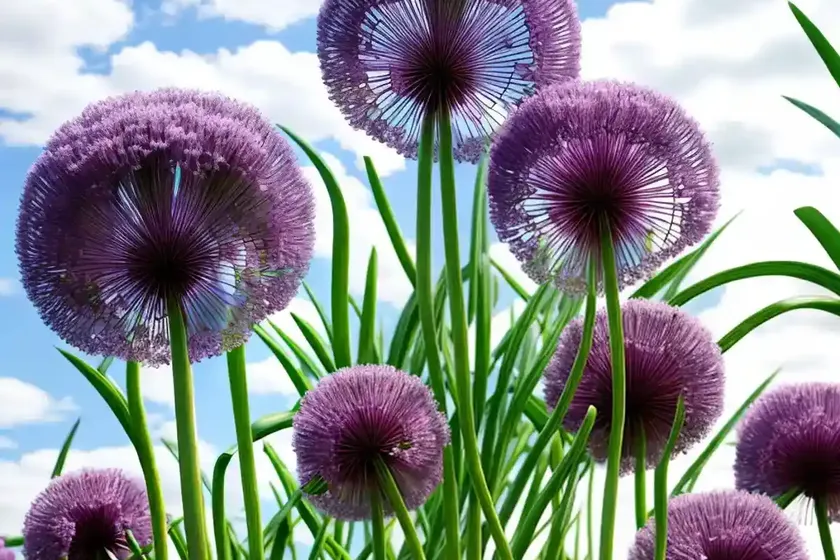
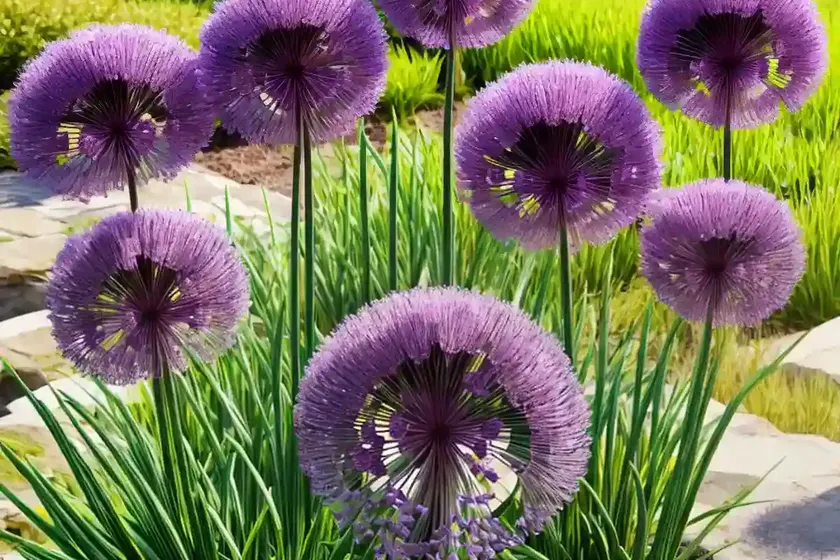
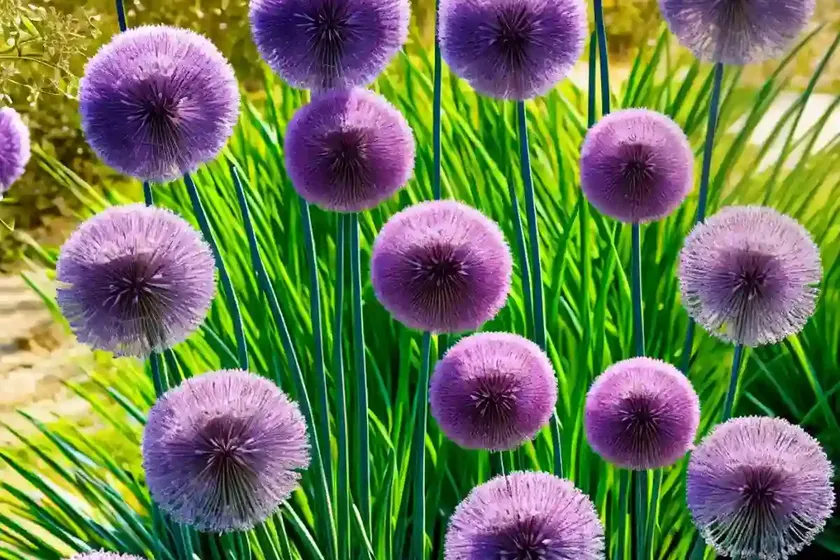
Plants are an integral part of our environment, providing us with food, medicine, and beauty. Among the diverse range of plant species, Allium unifolium, commonly known as Oneleaf Onion, stands out for its unique characteristics and versatile uses. In this comprehensive guide, we will delve deep into the world of Allium unifolium, exploring its cultural significance, uses, growth requirements, and much more.
What is Allium unifolium?
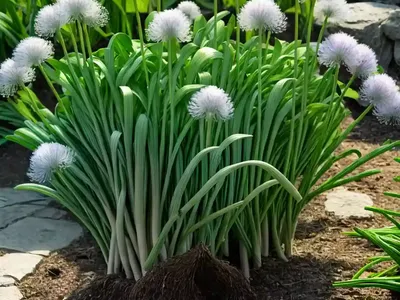
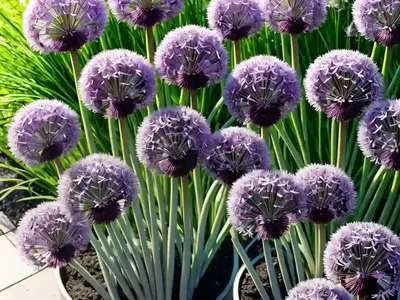
Allium unifolium is a species of wild onion native to California. It belongs to the Amaryllidaceae family and is admired for its delicate, pink to purple-hued flowers that bloom in late spring, adding a touch of elegance to its environment. This perennial plant thrives in diverse habitats, from coastal scrub and woodlands to grassy slopes.
Allium unifolium Characteristics
- Scientific Classification:
- Family: Amaryllidaceae
- Genus: Allium
-
Species: unifolium
-
Native Habitat: Allium unifolium is native to California and can be found in a variety of habitats such as coastal scrub, woodlands, and grassy slopes.
-
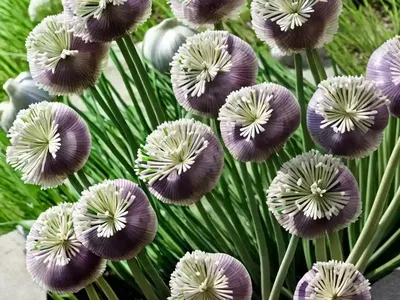
Flower Color: The delicate flowers of Allium unifolium range from pink to purple, adding a touch of vibrancy to its surroundings.
-
Foliage Texture: The plant’s foliage is characterized by slender, grass-like leaves that complement the overall appearance of the plant.
-
Leaf Shape: Allium unifolium is defined by its unique single leaf structure, a feature that sets it apart from other members of the Allium genus.
-
Bulb Propagation: The plant can be propagated through bulb division, making it a sustainable addition to garden spaces.
Allium unifolium Common Names
Allium unifolium goes by several common names, including Oneleaf Onion and Singleleaf Onion. These names reflect its distinct botanical features and simplify its identification for gardening enthusiasts and botanists alike.
Key Takeaways – Allium unifolium (Oneleaf Onion)
Before delving into the specific care and cultivation requirements of Allium unifolium, let’s explore some key takeaways that encapsulate its significance and versatility.
-
Cultural Uses: Allium unifolium holds cultural significance as a native plant in California and serves as a valuable resource for ecological restoration and landscaping projects.
-
Watering Needs: While Allium unifolium appreciates moderate watering, it is well-suited to the Mediterranean climate of California and exhibits drought tolerance once established.
-
Sunlight Requirements: This species thrives in full sun to partial shade, making it adaptable to a variety of garden environments.
-
Growth Habits: Allium unifolium exhibits clumping growth habits, forming attractive clusters of foliage and delicate flowers.
-
Soil Preferences: Well-drained, sandy loam soils are ideal for Allium unifolium, ensuring optimal growth and health.
-
Disease Resistance: The plant demonstrates resilience against common diseases, contributing to its low-maintenance appeal in garden settings.
Now, let’s delve deeper into the specific care requirements and uses of Allium unifolium, providing valuable insights for plant enthusiasts and horticulturists.
Culture
Cultural practices encompass the broader aspects of plant care, including its environmental requirements, maintenance, and significance in various cultural contexts. Understanding the cultural nuances of Allium unifolium is essential to appreciate its ecological role and horticultural value.
Uses
Allium unifolium holds multifaceted uses that span ecological, horticultural, and cultural domains. Its significance in these realms underscores its value as a native plant species in California and beyond.
-
Ecological Restoration: In its native habitat of California, Allium unifolium plays a crucial role in ecological restoration projects, contributing to the preservation of native plant diversity.
-
Landscaping: The delicate flowers and clumping growth habits of Allium unifolium make it a desirable addition to landscaping projects, adding a touch of natural elegance to garden spaces.
-
Horticultural Significance: Gardeners and horticulturists value Allium unifolium for its low-maintenance characteristics and ornamental appeal, making it a popular choice for native plant gardens and naturalistic landscapes.
-
Cultural Symbolism: As a native plant in California, Allium unifolium holds cultural significance, symbolizing resilience, biodiversity, and the intrinsic beauty of local flora.
Water
Understanding the water requirements of Allium unifolium is pivotal for ensuring its optimal growth and health. While the plant exhibits drought tolerance once established, moderate watering is essential during its establishment phase and periods of prolonged dryness.
-
Establishment Phase: During the initial establishment phase, provide regular watering to support the development of roots and foliage.
-
Drought Tolerance: Once established, Allium unifolium showcases remarkable drought tolerance, making it well-suited to the Mediterranean climate of California and other regions with similar environmental conditions.
-
Seasonal Considerations: Adjust watering frequency based on seasonal variations, ensuring that the plant receives adequate moisture without waterlogging the soil.
Sunlight
Sunlight serves as a vital energy source for plants, driving photosynthesis and overall growth. Understanding the sunlight preferences of Allium unifolium is crucial for selecting suitable planting locations and optimizing its performance in garden settings.
-
Full Sun to Partial Shade: Allium unifolium thrives in environments with full sun to partial shade, showcasing its adaptability to diverse lighting conditions.
-
Optimal Sun Exposure: Provide at least 6-8 hours of sunlight per day for Allium unifolium to support robust growth and prolific flowering.
-
Shade Considerations: While the plant tolerates partial shade, ensure that it still receives sufficient sunlight to promote healthy development and blooming.
Fertilizer
Fertilization plays a crucial role in supplying essential nutrients to plants, enhancing their vigor and blooming potential. Understanding the fertilizer requirements of Allium unifolium is essential for supporting its growth and ornamental value.
-
Minimal Fertilization: Allium unifolium thrives in nutrient-poor soils, requiring minimal fertilization to maintain its natural growth habits.
-
Organic Amendments: If necessary, incorporate organic amendments such as well-decomposed compost or aged manure during the initial planting phase to enrich the soil.
-
Avoid Excessive Nitrogen: Refrain from applying excessive nitrogen-based fertilizers, as they can promote lush foliage growth at the expense of flower production.
Soil
Soil serves as the foundational medium for plant growth, providing essential nutrients, aeration, and support for root development. Understanding the soil preferences of Allium unifolium is pivotal for creating an optimized growing environment for this unique plant species.
-
Well-Drained Soil: Allium unifolium thrives in well-drained, sandy loam soils that provide a balanced mix of moisture retention and aeration.
-
Soil Amendment: Prior to planting, amend the soil with organic matter to enhance its structure and fertility, supporting the establishment of healthy root systems.
-
pH Considerations: Aim for a slightly acidic to neutral soil pH range (pH 6.0-7.0) to ensure optimal nutrient availability and root function for Allium unifolium.
-
Avoid Waterlogged Conditions: Prevent waterlogging by selecting well-drained planting sites and incorporating organic amendments to improve soil drainage.
Pruning
Pruning plays a pivotal role in shaping the growth and aesthetic appeal of plants, promoting vigor, and controlling their size. Understanding the pruning techniques for Allium unifolium is essential for maintaining its desired form and enhancing its ornamental value.
-
Deadheading: Remove spent flowers to promote continuous blooming and prevent the plant from allocating energy to seed production.
-
Foliage Maintenance: Trim back yellowing or withered foliage as needed throughout the growing season to maintain a tidy appearance.
-
Post-Blooming Pruning: After the blooming period, consider pruning the foliage to ground level to encourage fresh growth and maintain the plant’s overall vitality.
Propagation
Propagation methods enable gardeners and horticulturists to expand plant populations and share their botanical treasures with others. Understanding the propagation techniques for Allium unifolium is essential for harnessing its sustainability and ornamental appeal.
Bulb Division
Propagation through bulb division offers a straightforward method for increasing Allium unifolium populations, allowing the plant to be shared among gardening enthusiasts and utilized in diverse garden settings.
Steps for Bulb Division
-
Timing: Perform bulb division in late summer to early autumn when the plant is in its dormant phase.
-
Digging: Carefully dig up the mature clumps of Allium unifolium, ensuring that the bulbs and root systems remain intact.
-
Separation: Gently separate the bulbs, ensuring that each division contains viable roots and adequate bulb size for sustained growth.
-
Replanting: Transplant the divided bulbs into prepared planting sites, ensuring proper spacing and soil accommodation for their establishment.
-
Post-Planting Care: Provide adequate watering and minimal disturbance to the newly transplanted bulbs, supporting their acclimatization to the garden environment.
Container Popularity
As a versatile plant species, Allium unifolium enjoys popularity in container gardening due to its ornamental appeal, adaptability, and sustainable growth habits. When cultivated in containers, the plant adds a touch of natural elegance to outdoor spaces and complements a diverse range of garden designs.
Container Selection
Choosing suitable containers for Allium unifolium is essential for ensuring its optimal growth and visual impact. Consider the following factors when selecting containers for this unique plant:
-
Drainage Holes: Ensure that the containers have adequate drainage holes to prevent waterlogging and maintain healthy root conditions.
-
Size Considerations: Select containers that provide ample space for the plant’s root development while complementing its overall growth habits.
-
Material Options: Opt for containers made from durable, weather-resistant materials such as terracotta, resin, or glazed ceramics to enhance their longevity and visual appeal.
Container Care
Proper care and maintenance of container-grown Allium unifolium are essential for supporting its growth and ornamental value. Implement the following guidelines to ensure the plant’s flourishing in container environments:
-
Watering Regimen: Monitor the moisture levels of the potting mix and water the plant as needed, ensuring that the soil remains evenly moist without becoming waterlogged.
-
Sunlight Exposure: Position the containers in locations that provide optimal sunlight exposure for Allium unifolium, promoting robust growth and prolific blooming.
-
Fertilization Routine: Apply a balanced, water-soluble fertilizer according to the plant’s growth stages and the specific instructions provided by the manufacturer.
-
Seasonal Considerations: Adjust container care practices based on seasonal variations to accommodate changes in watering, sunlight, and overall environmental conditions.
-
Overwintering Precautions: In regions with frost and cold temperatures, consider overwintering container-grown Allium unifolium in protected environments to ensure its survival and vigor.
Common Diseases
Despite its resilience, Allium unifolium may encounter certain diseases that impede its growth and overall health. Understanding the common diseases affecting this plant species is essential for implementing preventive measures and timely interventions.
Disease Diagnosis
Viral, fungal, and bacterial pathogens can affect Allium unifolium, leading to symptoms such as discoloration, wilting, and overall decline. Common diseases that may impact this plant species include:
-
Botrytis Leaf Blight: This fungal disease causes grayish lesions on the leaves and can spread rapidly in humid conditions.
-
Basal Rot: A fungal disease that manifests as rotting of the plant’s base and bulbs, leading to wilting and decay of the foliage.
-
Smut Disease: Smut infections result in dark, powdery growths on the plant’s foliage and may lead to stunted growth and reduced flowering.
Disease Prevention
Implementing proactive disease prevention strategies is crucial for safeguarding the health and vigor of Allium unifolium, ensuring its sustained ornamental value in garden settings.
-
Cultural Practices: Provide adequate spacing between plants to promote airflow and reduce humidity, mitigating the risk of fungal diseases.
-
Sanitation Measures: Remove and discard infected plant material to prevent the spread of pathogens and minimize the risk of recurring diseases.
-
Fungal Control Products: Consider using fungicidal sprays or treatments to mitigate the impact of fungal diseases and protect the plant from infection.
-
Healthy Planting Practices: Ensure that Allium unifolium is planted in well-drained soil and provided with suitable sunlight exposure to bolster its overall vigor and disease resistance.
Common Pests
Pests can pose challenges to the health and aesthetic appeal of Allium unifolium, requiring vigilant monitoring and proactive pest management strategies. Understanding the common pests affecting this plant species is essential for implementing effective control measures.
Pest Identification
Identifying common pests that may affect Allium unifolium enables gardeners to intervene promptly and adopt targeted pest management approaches. Common pests associated with this plant species include:
-
Onion Thrips: These tiny insects feed on the plant’s foliage, causing stippling and discoloration that can detract from its ornamental value.
-
Allium Leaf Miners: The larvae of leaf-mining flies can tunnel through the plant’s leaves, leading to unsightly damage and compromised foliage health.
-
Nematode Infestations: Soil-dwelling nematodes can impact the root systems of Allium unifolium, leading to stunted growth and reduced vitality.
Pest Control
Implementing pest control measures is essential for mitigating the impact of common pests on Allium unifolium and preserving its overall health and ornamental value in garden settings.
-
Natural Predators: Encourage the presence of natural predators such as ladybugs, lacewings, and parasitic wasps to control pest populations organically.
-
Horticultural Oils: Apply horticultural oils to control soft-bodied pests such as thrips and mites, suffocating them and reducing their impact on the plant.
-
Soil Treatments: Consider soil drenches or treatments targeted against nematodes to mitigate their impact on the roots of Allium unifolium.
-
Cultural Practices: Implement proper sanitation measures, including the removal of infested plant material and the prevention of pest buildup through regular monitoring.
Botanist’s Tips
As a plant with unique characteristics and versatile uses, Allium unifolium benefits from the expertise and insights of botanists and horticulturalists. Here are some valuable tips from professionals in the field to maximize the potential of this distinctive plant species:
-
Planting Depth: When planting Allium unifolium bulbs, ensure that they are placed at a depth of 3-4 inches to support their establishment and sustained growth.
-
Mulching Benefits: Apply a layer of organic mulch around the base of Allium unifolium plants to conserve moisture, regulate soil temperature, and suppress weed growth.
-
Companion Planting: Pair Allium unifolium with compatible companion plants such as California poppies, Penstemon species, and native grasses to create visually appealing and ecologically beneficial garden combinations.
-
Naturalizing Allium unifolium: Allow Allium unifolium to naturalize in suitable garden environments, creating charming drifts of delicate flowers that accentuate the natural beauty of the landscape.
Fun Facts
Exploring the intriguing aspects of Allium unifolium through fun facts adds depth to the understanding of this unique plant species, fostering an appreciation for its ecological significance and horticultural appeal.
-
Native Wildlife: Allium unifolium flowers are known to attract pollinators such as bees, butterflies, and hummingbirds, contributing to the vibrancy and ecological diversity of garden habitats.
-
Medicinal Uses: In traditional herbal medicine, Allium species are valued for their potential medicinal properties, including antimicrobial and immune-boosting effects.
-
Culinary Heritage: While Allium unifolium is not commonly utilized as a culinary herb, various Allium species such as garlic and chives are celebrated for their culinary uses and savory flavors.
-
Mythological Significance: In folklore and mythologies, the Allium genus has been associated with diverse cultural symbolism, representing concepts such as protection, vitality, and spiritual purification.
Links to External Resources
For further exploration of Allium unifolium and related topics, here are some valuable external resources that offer in-depth insights into its characteristics, uses, and horticultural significance:
-
California Native Plant Society: The California Native Plant Society provides comprehensive information on native plant species, including Allium unifolium, and promotes their conservation and cultivation.
-
University of California Integrated Pest Management: This resource offers practical guidance on pest management for Allium species, aiding gardeners in maintaining plant health.
-
Rancho Santa Ana Botanic Garden: The Rancho Santa Ana Botanic Garden is dedicated to the preservation and promotion of California native plants, offering valuable information on Allium unifolium and its ecological significance.
-
Pacific Bulb Society: This resource provides a wealth of knowledge on bulbous plant species, including Allium unifolium, and supports the exchange of expertise among plant enthusiasts.
-
The Jepson Herbarium: The Jepson Herbarium serves as a valuable repository of botanical information and provides a platform for exploring the diversity and distribution of native plant species, including Allium unifolium.
With these external resources, plant enthusiasts, horticulturists, and botanists can deepen their understanding of Allium unifolium and its ecological, cultural, and horticultural significance.
Wrapping Up
Through this comprehensive guide, we have delved into the intriguing world of Allium unifolium, exploring its cultural uses, environmental requirements, propagation methods, and more. As a plant species with unique characteristics and versatile applications, Allium unifolium continues to captivate the interests of gardeners, conservationists, and botanical enthusiasts, adding a touch of natural elegance to diverse habitats.
With its resilience, ornamental appeal, and cultural significance, Allium unifolium stands as a testament to the rich diversity of plant life and the enduring value of native species in horticultural and ecological contexts. By embracing the insights and practices outlined in this guide, individuals can cultivate, appreciate, and conserve Allium unifolium, contributing to the preservation of native plant diversity and the enrichment of garden landscapes and natural habitats.
As we embrace the beauty and biodiversity of Allium unifolium, let us continue to explore, promote, and cherish the wondrous world of plant species, fostering a deeper connection with nature and the remarkable botanical treasures that enrich our lives and environments.