Allium Triquetrum (Three-Cornered Leek)
Allium triquetrum, commonly known as Three-Cornered Leek or Three-Cornered Garlic, is a fascinating plant that holds both ornamental and culinary.
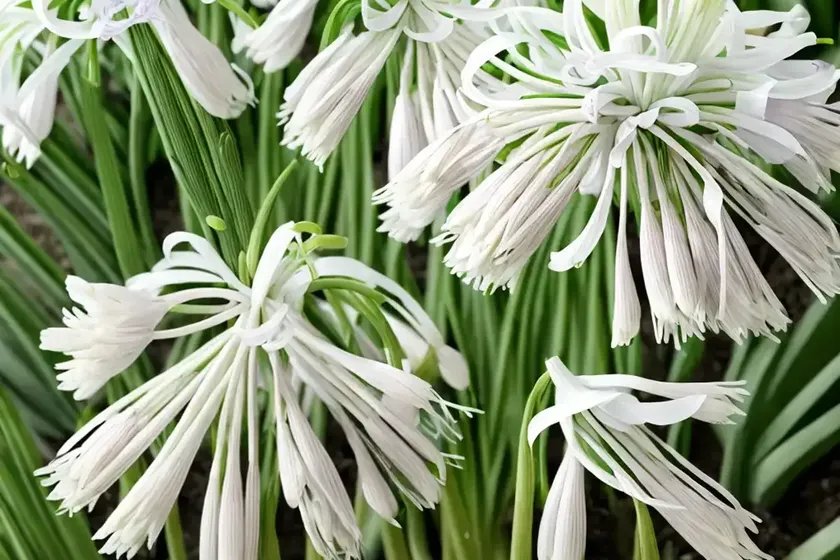
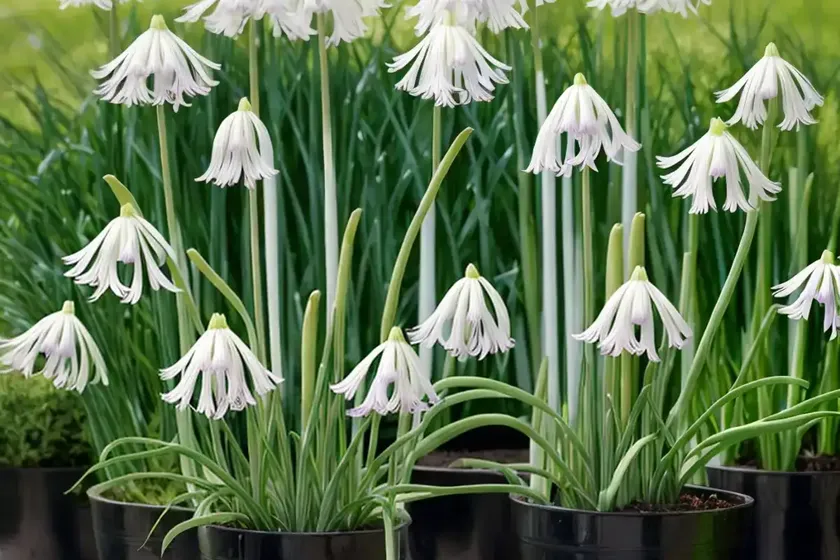
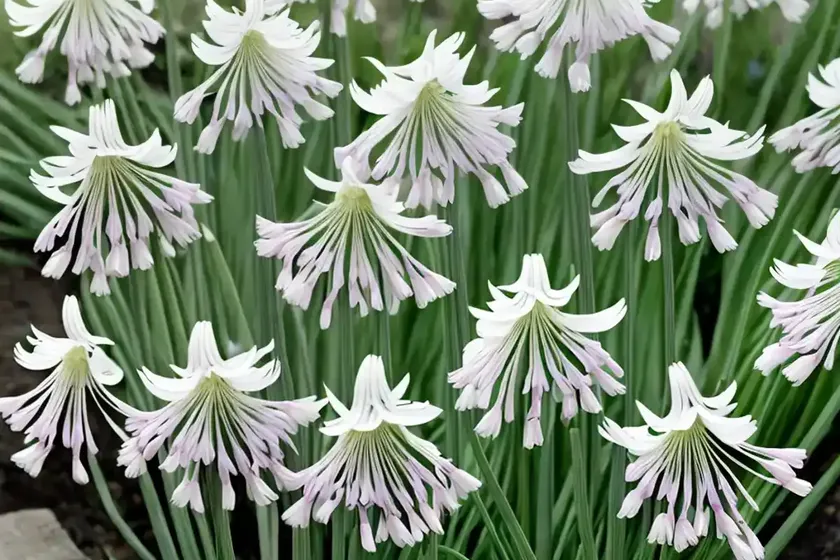
Allium triquetrum, commonly known as Three-Cornered Leek or Three-Cornered Garlic, is a fascinating plant that holds both ornamental and culinary significance. This versatile herbaceous perennial belongs to the Alliaceae family and is native to the Mediterranean region. Its unique triangular stem and delicate white flowers make it a captivating addition to gardens, while its culinary uses add an extra layer of appeal for plant enthusiasts. In this comprehensive guide, we will delve into the various aspects of Allium triquetrum, including its culture, uses, maintenance, and much more.
What is Allium triquetrum?
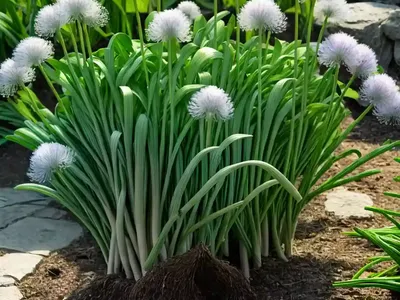
Allium triquetrum, as the name suggests, is characterized by its three-cornered or triangular stem, which sets it apart from many other members of the Allium genus. It goes by several other names, including Three-Cornered Leek, Three-Cornered Garlic, and Onion Weed. This plant is known for its ability to naturalize readily in diverse environments, often forming dense colonies in the wild.
The species name “triquetrum” is derived from the Latin words “tri,” meaning three, and “quetrus,” meaning cornered or angled – a direct reference to the distinctive shape of its stem. This herbaceous plant typically reaches a height of 30-60 centimeters (12-24 inches) and produces clusters of star-shaped, white flowers during the spring. The leaves are linear and grow from the base of the stem, adding to the plant’s overall visual appeal.
Key Takeaways – Allium triquetrum (Three-Cornered Leek)
Culture
Allium triquetrum is a resilient plant that thrives in a variety of environments, making it an ideal choice for both novice and experienced gardeners. Its naturalization tendencies also make it an attractive option for those seeking a low-maintenance and visually striking addition to their outdoor spaces.
Uses
This versatile plant has a range of uses, from culinary applications to ornamental purposes. Its mild onion-like flavor makes it a popular ingredient in various dishes, while its unique appearance and adaptability make it an excellent choice for landscaping.
Water
Allium triquetrum has moderate water needs and can tolerate periods of drought once established. However, consistent moisture during its active growth phase is beneficial for optimal performance.
Sunlight
This plant thrives in partial to full sunlight, making it suitable for a wide range of garden settings. However, it can also tolerate partial shade, particularly in regions with intense summer heat.
Fertilizer
While Allium triquetrum is not overly demanding in terms of fertilizer requirements, a balanced, all-purpose fertilizer applied in early spring can support its growth and flowering.
Soil
Well-draining, fertile soil is ideal for this plant. It can adapt to a variety of soil types, but it performs best in moist, loamy soil with a slightly acidic to neutral pH.
Pruning
Minimal pruning is necessary for Allium triquetrum. Removing spent flowers and yellowing foliage can help maintain its appearance and prevent the spread of seeds in garden settings.
Propagation
This plant can be propagated from offsets, bulb division, or seed. Each method has its unique advantages and challenges, allowing gardeners to choose the most suitable approach based on their preferences and resources.
Container Popularity
Due to its adaptability and manageable size, Allium triquetrum is well-suited for container gardening, bringing its captivating features to patios, balconies, and other confined spaces.
Container Common Diseases
While this plant is generally resistant to major diseases, it may be susceptible to certain fungal infections under prolonged periods of high humidity or poor air circulation in containers.
Disease Diagnosis
Common diseases that can affect Allium triquetrum include botrytis, rust, and leaf spot diseases. Monitoring the plant’s foliage and overall vigor can aid in early disease detection and management.
Common Pests
Allium triquetrum is relatively resistant to pests, with only occasional issues related to aphids, thrips, and mites. Regular inspection and prompt intervention can help mitigate pest infestations.
Botanist’s Tips
Over the years, botanists and horticulturists have uncovered valuable insights into cultivating and appreciating Allium triquetrum. Their tips can offer practical guidance and inspire a deeper appreciation for this remarkable plant.
Fun Facts
Discover intriguing facts and anecdotes about Allium triquetrum that showcase its unique characteristics, folklore, and contribution to various ecosystems.
Links to External Resources
For further exploration, we have compiled a list of valuable external resources where you can access more information about Allium triquetrum and expand your knowledge base.
Now, let’s take a closer look at each of these key takeaways and explore the various facets of Allium triquetrum in greater detail, drawing upon its intriguing characteristics, cultural significance, and practical considerations.
The following sections will cover a wide array of information and practical tips for growing and enjoying Allium triquetrum, from its basic biological characteristics to the finer points of landscape design and companion planting.
Three-Cornered Leek Facts
Plant Profile
- Scientific Name: Allium triquetrum
- Common Names: Three-Cornered Leek, Three-Cornered Garlic, Onion Weed
- Family: Alliaceae
- Native Habitat: Mediterranean region
- Type: Herbaceous perennial
- Height: 30-60 centimeters (12-24 inches)
- Flowering Period: Spring
- Flower Color: White
- Leaf Type: Linear, basal
- Culinary Use: Mild onion-like flavor
- Landscape Uses: Ornamental, naturalization
Growing Allium triquetrum
Sun Exposure
Allium triquetrum thrives in partial to full sunlight. While it can tolerate partial shade, especially in regions with intense summer heat, providing ample sunlight can promote robust growth and flowering.
Soil Requirements
For optimal growth, well-draining, fertile soil is recommended. Loamy soil with a slightly acidic to neutral pH provides an ideal medium for Allium triquetrum to flourish.
Water Needs
During its active growth phase, consistent moisture is beneficial. However, this plant can tolerate periods of drought once established, making it an adaptable choice for various climate conditions.
Fertilization
A balanced, all-purpose fertilizer applied in early spring can support the plant’s growth and contribute to prolific flowering. However, Allium triquetrum is not excessively reliant on supplemental fertilization.
Companion Plants
When selecting companion plants for Allium triquetrum, consider species that complement its appearance and cultural requirements. Additionally, incorporating plants with contrasting flowering periods can create visually engaging displays throughout the seasons.
Planting Guide
Plant Allium triquetrum bulbs in the fall for spring flowering, ensuring they are positioned at a suitable depth and with adequate spacing to accommodate their growth.
Three-Cornered Leek Care Tips
Maintenance
Minimal maintenance is required for Allium triquetrum. Removing spent flowers and yellowing foliage, as well as dividing overcrowded clumps every few years, can help maintain the plant’s vigor and aesthetic appeal.
Seasonal Care
During the dormant season, it is essential to assess the overall health of Allium triquetrum and address any issues related to soil moisture, pest activity, and disease development.
Propagation Methods
Explore various propagation methods such as bulb division, offsets, and seed sowing to expand your Allium triquetrum collection or share this plant’s beauty with fellow gardening enthusiasts.
Watering Tips
Balance watering practices to meet the plant’s moisture needs without creating waterlogged conditions. Adjust watering frequency based on environmental factors and the plant’s growth stage.
Pest and Disease Control
Monitor the plant for signs of pest infestation and disease development, taking proactive measures to maintain a healthy growing environment for Allium triquetrum.
Wildlife Value
Consider Allium triquetrum’s potential to attract beneficial insects and contribute to local ecosystems, adding a layer of ecological value to its ornamental and culinary attributes.
Three-Cornered Leek Characteristics
Flower Development
Observe the fascinating process of flower development in Allium triquetrum, from the emergence of flower buds to the full bloom of delicate white blossoms.
Leaf Growth Cycle
Track the stages of leaf growth in Allium triquetrum, appreciating the plant’s foliage as it contributes to its overall visual appeal and vitality.
Ornamental Features
Appreciate the aesthetic appeal of Allium triquetrum, from its striking, triangular stems to the delicate arrangement of its white flowers, which add elegance to garden settings.
Ecological Role
Explore the ecological significance of Allium triquetrum, considering its role as a contributor to local biodiversity and its potential to support pollinators and other wildlife.
Allium triquetrum Uses
Culinary Uses
Discover innovative ways to incorporate Allium triquetrum into your culinary creations, leveraging its mild, onion-like flavor to enhance a variety of dishes.
Medicinal Properties
Explore the potential medicinal properties of Allium triquetrum, including historical uses and contemporary perspectives on its potential health benefits.
Habitat
Delve into the natural habitat of Allium triquetrum, gaining insights into its native range and the environmental conditions that support its growth and naturalization.
Garden Uses
Examine the diverse garden uses of Allium triquetrum, from its role in ornamental beddings to its potential for naturalizing in semi-wild spaces within garden settings.
Three-Cornered Leek Cultivation
Varieties
While Allium triquetrum is known for its distinct triangular stem and delicate white flowers, there may be variations in certain traits, offering opportunities to explore different cultivars and selections.
Native Habitat
Learn about the plant’s native habitat and the environmental conditions that have shaped its evolutionary adaptation and naturalization tendencies.
Ethnobotany
Uncover the ethnobotanical significance of Allium triquetrum, recognizing its cultural importance and traditional uses within various human societies.
Conservation Status
Assess the conservation status of Allium triquetrum, considering factors such as habitat degradation and invasive tendencies in regions beyond its native range.
Three-Cornered Leek Propagation
Seed Dispersal Mechanism
Explore the mechanisms of seed dispersal in Allium triquetrum, including the plant’s reproductive strategies and the dispersal agents involved in its ecological dynamics.
Pollination Process
Observe the pollination process of Allium triquetrum, highlighting the interactions between the plant and its pollinators as a key aspect of its reproductive ecology.
Bulb Development
Follow the development of bulbs in Allium triquetrum, from their initial formation to the role they play in supporting the plant’s perennial growth habit.
Propagation Methods
Delve into the practical aspects of propagating Allium triquetrum, considering the advantages and requirements of various propagation techniques.
Three-Cornered Leek Benefits
Landscape Design
Incorporate Allium triquetrum into your landscape design, capitalizing on its ornamental appeal and its potential to naturalize in garden spaces.
Garden Maintenance
Implement effective garden maintenance practices to support the health and vigor of Allium triquetrum while enhancing the overall beauty of your outdoor environment.
Garden Pests
Address potential garden pests that may affect Allium triquetrum, utilizing integrated pest management strategies to minimize detrimental impacts on the plant’s growth.
Three-Cornered Leek Seasonal Care
Flowering Period
Celebrate the flowering period of Allium triquetrum, enjoying the display of delicate white blossoms that signal the arrival of spring in garden settings.
Leaf Morphology
Appreciate the unique leaf morphology of Allium triquetrum, recognizing the role of its foliage in contributing to the plant’s overall visual interest and vitality.
Cultural Significance
Explore the cultural significance of Allium triquetrum as a versatile plant with diverse culinary, ornamental, and ecological associations.
Three-Cornered Leek Garden Design Ideas
Companion Planting
Explore companion planting opportunities with Allium triquetrum, integrating it with other plants that complement its features and cultural requirements.
Container Gardening
Discover the potential of container gardening with Allium triquetrum, utilizing its adaptability and manageable size to enhance patios, balconies, and other confined outdoor spaces.
Landscape Uses
Consider the various ways in which Allium triquetrum can contribute to landscape design, adding a touch of elegance to borders, rockeries, and naturalized areas within the garden.
Three-Cornered Leek Folklore and Symbolism
Interesting Facts
Explore intriguing facts and anecdotes about Allium triquetrum, uncovering the unique elements of its folklore, symbolism, and contributions to human culture and traditions.
Traditional Uses
Learn about the traditional uses of Allium triquetrum and its historical significance within different cultural contexts, reflecting its diverse roles and associations among human societies.
Garden Design
Incorporate Allium triquetrum into garden design to create visually engaging displays and contribute to the overall aesthetic appeal of outdoor spaces.
Allium triquetrum External Resources
For further exploration and in-depth information on Allium triquetrum, we have compiled a list of valuable external resources. Feel free to browse these references to expand your knowledge and discover new insights about this captivating plant:
- Royal Horticultural Society (RHS) – Allium triquetrum
- Missouri Botanical Garden – Allium triquetrum
- University of California, Agriculture & Natural Resources – Allium triquetrum
- Pacific Bulb Society – Allium triquetrum
These resources offer a wealth of information on Allium triquetrum, providing diverse perspectives and expert insights to enhance your understanding of this remarkable plant.
In conclusion, Allium triquetrum, also known as Three-Cornered Leek, stands out for its unique traits, versatile uses, and ecological value. From its ornamental allure to its culinary potential, this plant has much to offer to gardening enthusiasts, botanists, and nature lovers alike. By delving into its cultural significance, ecological dynamics, and practical considerations, we can gain a deeper appreciation for Allium triquetrum and explore creative ways to integrate it into our gardens and outdoor spaces. Whether you are drawn to its delicate flowers, mild onion flavor, or ecological contributions, Allium triquetrum presents a fascinating subject of exploration and enjoyment in the realm of plant science.