Allium Fistulosum (Scallion)
Allium fistulosum, commonly known as scallion, green onion, or spring onion, is a versatile and flavorful member of the Allium genus. It is a popular.
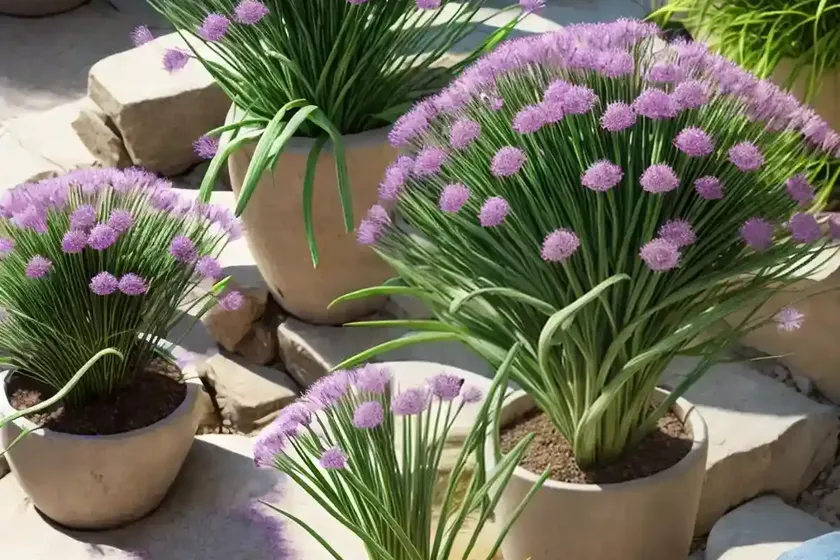
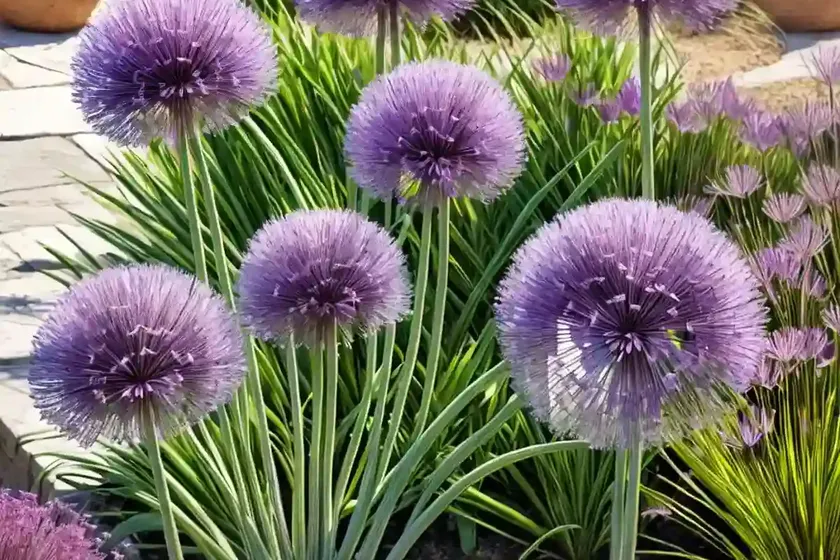
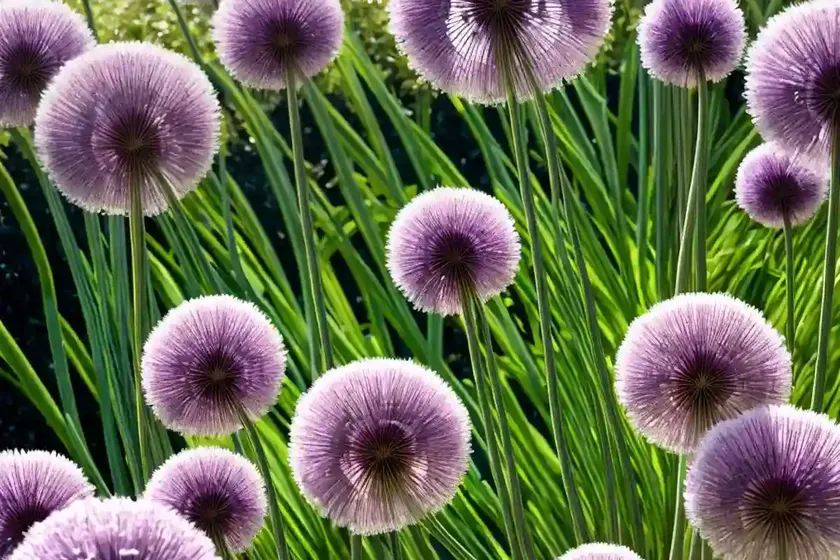
Allium fistulosum, commonly known as scallion, green onion, or spring onion, is a versatile and flavorful member of the Allium genus. It is a popular ingredient in various cuisines around the world and has also been cultivated for its medicinal properties and ornamental uses. In this comprehensive guide, we will explore the cultivation, care, and uses of Allium fistulosum, delving into its nutritional benefits, culinary applications, propagation methods, and more.
What is Allium fistulosum (Scallion)?
Allium fistulosum is a member of the Amaryllidaceae family, which also includes garlic, onions, and leeks. Unlike common onions (Allium cepa), which form bulbs, scallions are characterized by their long, slender green leaves and lack of a fully developed bulb. This perennial plant is known for its mild onion flavor, making it a popular choice for adding a subtle kick to a wide range of dishes.
Key Takeaways – Allium fistulosum (Scallion)
Before we dive into the specifics of growing and caring for scallions, let’s take a brief look at the key takeaways about Allium fistulosum:
- Botanical Name: Allium fistulosum
- Common Names: Scallion, green onion, spring onion
- Plant Type: Perennial herb
- Flavor Profile: Mild, onion-like flavor
- Nutritional Benefits: Rich in fiber, vitamins, and minerals
- Culinary Uses: Versatile ingredient in various dishes
- Medicinal Properties: Used in traditional medicine for its health benefits
- Propagation: Can be propagated from seeds, sets, or divisions
- Growing Conditions: Thrives in well-drained, fertile soil and partial sun
- Popularity: Widely used in Asian, Mexican, and Mediterranean cuisines
- Container Gardening: Suitable for growing in containers
- Pests and Diseases: Susceptible to certain pests and diseases
Now that we have an overview of Allium fistulosum, let’s explore the specifics of cultivating and caring for this versatile plant.
Culture of Allium fistulosum (Scallion)
Cultivating Allium fistulosum requires an understanding of its preferred growing conditions, propagation methods, and maintenance practices. From planting to harvesting, each stage of scallion cultivation contributes to the production of flavorful and nutritious green onions.
Uses
The uses of Allium fistulosum extend beyond the culinary realm. While it is most commonly employed as an ingredient in various dishes, it also holds significance in traditional medicine and is recognized for its ornamental value. Here are the primary uses of scallions:
- Culinary Uses: Adds flavor and freshness to salads, soups, stir-fries, and more.
- Medicinal Applications: Used in herbal remedies for its health-promoting properties.
- Ornamental Use: The upright, slender leaves make scallions an attractive addition to gardens and landscapes.
- Companion Planting: Can be used to repel certain pests and attract beneficial insects when planted alongside other crops.
Next, we will delve into the specific requirements for successfully growing Allium fistulosum.
Water
Proper watering is essential for the healthy growth of Allium fistulosum. As with many plants, adequate moisture is crucial, but over-watering should be avoided. Here are some key points to consider when it comes to watering scallions:
- Consistent Moisture: Ensure that the soil remains consistently moist but not waterlogged.
- Avoid Over-watering: Excessively wet soil can lead to rot and other root-related issues.
- Mulching: Applying a layer of mulch can help retain moisture and regulate soil temperature.
Sunlight
Allium fistulosum thrives in partial to full sunlight. Providing the right amount of sunlight is important for promoting healthy growth and robust leaf development. Here’s what you need to know about sunlight requirements for scallions:
- Partial Sun: Ideally, scallions should receive around 4-6 hours of sunlight per day.
- Well-Drained Soil: Ensure that the soil is well-drained to prevent waterlogging, especially in areas with higher sun exposure.
Fertilizer
Fertilizing Allium fistulosum can contribute to a bountiful harvest and the development of vibrant green leaves. However, it is important to apply fertilizers judiciously to avoid overfeeding. Consider the following guidelines for fertilizing scallions:
- Balanced Fertilizer: Use a balanced fertilizer with a slightly higher nitrogen content to promote leaf growth.
- Organic Options: Organic amendments such as compost or well-rotted manure can also provide essential nutrients without the risk of chemical burn.
Soil
The soil in which Allium fistulosum is grown should be well-drained, fertile, and rich in organic matter. Understanding the ideal soil conditions for scallion cultivation is crucial for ensuring healthy plant development and robust harvests. Here’s what to keep in mind when it comes to soil requirements:
- Loose and Well-Drained: Scallions prefer loose, well-drained soil to prevent waterlogging and promote healthy root growth.
- Neutral pH: Aim for a slightly acidic to neutral soil pH level (6.0-7.0) for optimal nutrient uptake.
- Organic Matter: Amending the soil with organic matter such as compost or well-rotted manure can improve its fertility and structure.
Now that we’ve covered the cultural requirements for growing scallions, let’s transition to maintenance practices such as pruning, propagation, and pest management.
Pruning
While scallions do not require extensive pruning, removing any yellowing or damaged leaves can contribute to a tidy and healthy appearance. Pruning can also help promote the growth of new, tender leaves and prevent the spread of diseases. When pruning scallions:
- Remove Yellowed Leaves: Periodically remove any yellowing leaves to maintain the overall health and appearance of the plant.
- Harvest from the Outer Edges: When harvesting individual leaves, start from the outer edges to encourage continued growth from the center.
Propagation
Allium fistulosum can be propagated through various methods, including seeds, sets, or divisions. Each propagation method offers its own unique advantages and considerations. Here’s an overview of the propagation methods for scallions:
Seed Propagation
- Direct Sowing: Sow seeds directly into the soil in early spring for a summer harvest.
- Thin Seedlings: Once the seedlings emerge, thin them to ensure adequate spacing for healthy growth.
- Regular Watering: Keep the soil consistently moist to support seed germination and young plant development.
Set Propagation
- Planting Sets: Plant sets (small bulbs) in well-prepared soil at the appropriate spacing.
- Soil Preparation: Ensure that the soil is well-prepared with organic matter to provide a nutrient-rich environment for the sets to develop.
- Established Roots: Sets will develop into mature scallions with regular watering and care.
Division
- Separating Clumps: Divide established clumps of scallions carefully, ensuring that each division has a sufficient number of roots.
- Replanting: Replant the divisions in well-prepared soil with adequate spacing to allow for continued growth.
Next, we will explore the potential challenges that may arise during the cultivation of Allium fistulosum, including common diseases and pests that can affect scallion plants.
Common Diseases
Like any plant, scallions are susceptible to certain diseases that can impact their overall health and productivity. Identifying and addressing these diseases proactively is key to maintaining robust and thriving scallion plants. Some common diseases that may affect Allium fistulosum include:
- Downy Mildew: Characterized by yellow or brown lesions on the leaves, often accompanied by a fuzzy, grayish growth on the undersides.
- Pink Root: A fungal disease that causes the roots to turn pink and eventually rot, leading to stunted growth and yellowing of foliage.
- White Rot: Manifests as white, fluffy fungal growth on the base of the plant and can lead to wilting and eventual collapse.
Disease Diagnosis
When observing symptoms of disease in scallion plants, it is important to accurately diagnose the issue to implement effective treatment and preventative measures. Here are some steps for diagnosing and managing common scallion diseases:
- Visual Inspection: Observe the leaves, stems, and roots for any discoloration, lesions, or unusual growth.
- Fungal Testing: In cases of suspected fungal diseases, consider sending samples to a diagnostic lab for accurate identification.
- Cultural Practices: Implement proper sanitation, crop rotation, and well-drained soil to mitigate disease risk.
Common Pests
In addition to diseases, scallion plants may also be targeted by certain pests that can compromise their health and yield. Implementing integrated pest management strategies can help control and minimize pest-related damage. Some common pests that may affect Allium fistulosum include:
- Thrips: Small, slender insects that feed on plant sap, causing silvery or bronze-colored spots on the leaves.
- Onion Fly: Larvae of the onion fly can burrow into the bulbs, causing damage and making the plants susceptible to secondary infections.
- Leaf Miners: These pests create distinctive winding tunnels within the leaves, leading to decreased photosynthetic capacity and stunted growth.
Botanist’s Tips
To help you achieve optimal results in cultivating and caring for Allium fistulosum, here are some valuable tips from botanists and experienced gardeners:
- Consistent Monitoring: Regularly monitor the plants for signs of pests, diseases, or nutrient deficiencies to address issues promptly.
- Crop Rotation: Practice crop rotation to minimize the risk of disease buildup and ensure soil health.
- Companion Planting: Consider companion planting with pest-repellent herbs and flowers to deter common pests.
Fun Facts about Allium fistulosum (Scallion)
Beyond its culinary and horticultural significance, Allium fistulosum also boasts an array of interesting and lesser-known facts. Here are some fun and intriguing facts about scallions:
- Scallions are known by various names in different regions, including green onions, spring onions, salad onions, and more.
- The term “scallion” is derived from the ancient Greek word “ascholion,” which referred to a type of onion used by the ancient Greeks.
- In traditional Chinese medicine, scallions are utilized for their purported warming and invigorating properties.
Links to External Resources
For further information and resources on Allium fistulosum, scallion cultivation, and related topics, refer to the following external links:
- All About Growing Scallions
- Scallions: Planting, Growing, and Harvesting Scallions
- Fresh Scallion Recipes
- Culinary and Medicinal Uses of Allium fistulosum
In conclusion, Allium fistulosum, or scallion, is a valuable and versatile plant that offers a myriad of culinary, medicinal, and ornamental benefits. By understanding its cultural requirements, propagation methods, and potential challenges, you can cultivate robust and productive scallion plants in your garden or indoor containers. Whether you’re a cooking enthusiast, herbalist, or avid gardener, the inclusion of Allium fistulosum in your landscape or kitchen is sure to enrich your experiences and yield delightful rewards.