Allium ‘Globemaster’ (Ornamental Onion)
Plants are a source of great fascination and pride for many individuals. The unique beauty, health benefits, and ecological role that plants offer make.
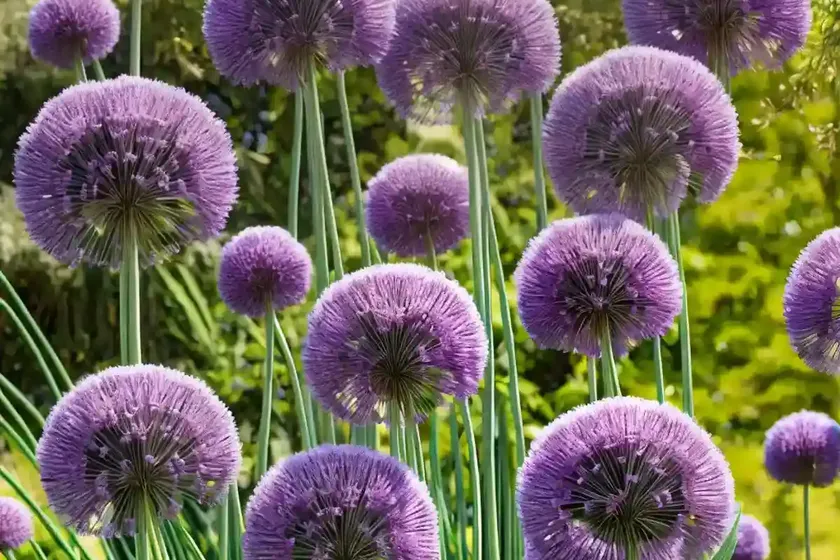
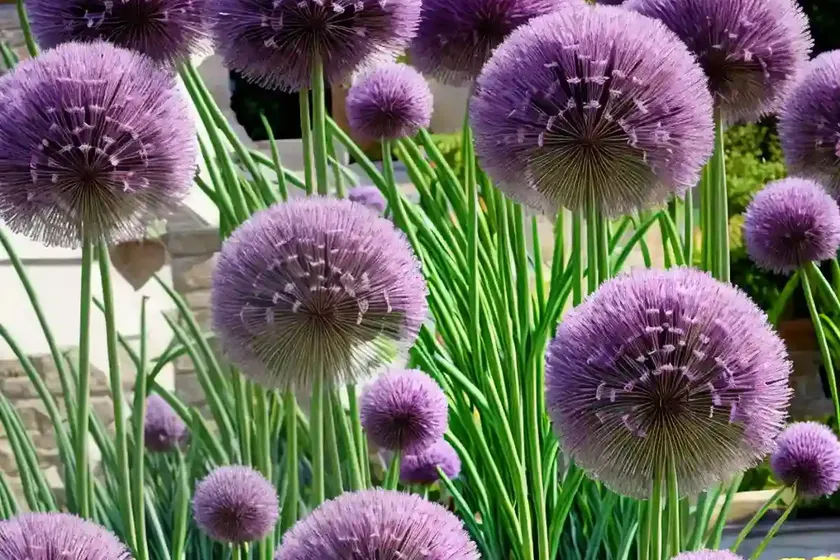
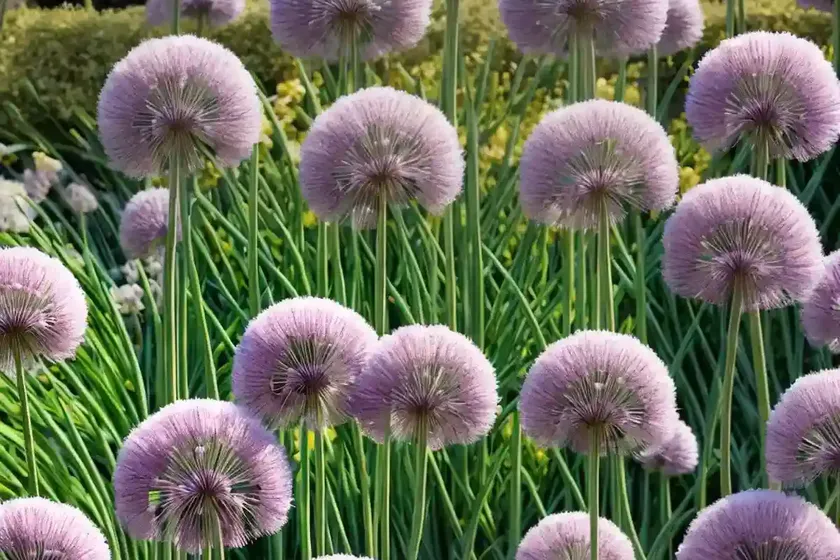
Plants are a source of great fascination and pride for many individuals. The unique beauty, health benefits, and ecological role that plants offer make them a fundamental part of our lives. Among the vast array of plants, Allium ‘Globemaster’ stands out as a particularly striking and valuable addition to any garden or landscape. In this comprehensive guide, we will delve into the captivating world of Allium ‘Globemaster,’ exploring its features, cultivation, and best practices in care and maintenance.
What is Allium ‘Globemaster’?
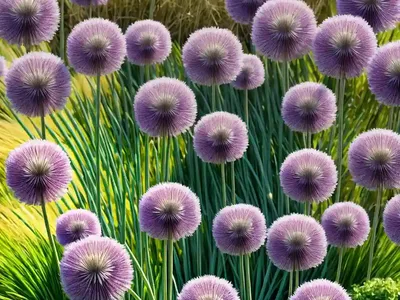
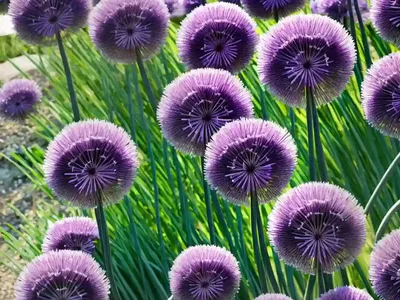
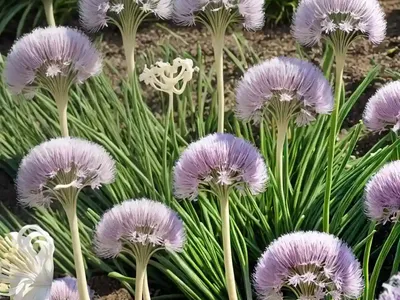
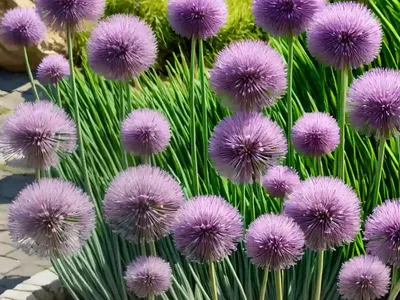
Allium ‘Globemaster’ is a stunning perennial ornamental onion that belongs to the Allium family. With its large, globe-shaped flower heads and striking coloration, it is a highly sought-after plant for gardens, landscapes, and even floral arrangements. This perennial plant is a hybrid of Allium macleanii and Allium christophii, resulting in a visually captivating and robust species.
Key Takeaways – Allium ‘Globemaster’ (Ornamental Onion)
Before delving into the specifics of caring for Allium ‘Globemaster,’ let’s explore the key takeaways that will guide our discussion.
-
Cultural Uses: Allium ‘Globemaster’ is widely used in gardens, landscapes, and as cut flowers due to its ornamental value and unique visual appeal.
-
Water: This plant has moderate water needs and should be watered consistently, especially during dry periods.
-
Sunlight: Allium ‘Globemaster’ thrives in full sun, requiring a minimum of 6-8 hours of sunlight daily for optimal growth and flowering.
-
Fertilizer: Moderate fertilization is recommended to support the growth and development of Allium ‘Globemaster.’
-
Soil: Well-draining soil is crucial for the successful cultivation of Allium ‘Globemaster,’ and it prefers slightly alkaline conditions.
-
Pruning: Pruning is minimal and involves removing spent flower heads to maintain the plant’s aesthetic appeal.
-
Propagation: This plant can be propagated from bulbs, making it relatively straightforward to increase the number of plants in the garden.
-
Container Popularity: Allium ‘Globemaster’ is well-suited for container gardening and can add a captivating focal point to any container garden.
-
Common Diseases: This plant is generally resistant to diseases but can be affected by fungal issues under overly wet conditions.
-
Common Pests: Allium ‘Globemaster’ is relatively resistant to pests, but occasional encounters with onion fly or thrips may occur.
Now, let’s take a deeper dive into each of these aspects to gain a comprehensive understanding of how to cultivate and care for Allium ‘Globemaster.’
Care and Cultivation
Water
Proper water management is crucial for the health and vitality of Allium ‘Globemaster.’ While this plant is relatively drought-tolerant once established, consistent watering is essential during the initial growth stages and especially during the flowering period.
It’s important to strike a balance, as overwatering can lead to bulb and root rot. A well-draining soil that allows excess water to escape is ideal for Allium ‘Globemaster.’ When watering, it’s advisable to provide deep irrigation to ensure that the moisture reaches the root zone, promoting strong and healthy root development.
Sunlight
Allium ‘Globemaster’ thrives in full sun exposure and is best suited to locations that receive at least 6-8 hours of sunlight each day. Adequate sunlight is crucial for the development of the plant and its stunning flower heads. When selecting a planting site, prioritize areas with ample sunlight to ensure the best performance from this ornamental onion.
Fertilizer
Proper nourishment is key to supporting the growth and floral display of Allium ‘Globemaster.’ A balanced fertilizer with slightly higher phosphorus and potassium content can be applied in early spring as the plant begins its growth phase. Additionally, a light application of fertilizer after flowering can promote strong bulb development for the following season.
Soil
The soil composition is of paramount importance when cultivating Allium ‘Globemaster.’ This plant thrives in well-draining soil with a preference for slightly alkaline conditions. Loamy or sandy soils with good aeration and drainage are well-suited for this plant. Incorporating organic matter, such as compost or well-rotted manure, can enhance the soil structure and nutrient content, providing an ideal medium for the growth of Allium ‘Globemaster.’
Pruning
Pruning requirements for Allium ‘Globemaster’ are minimal. The removal of spent flower heads is the primary pruning task, which not only improves the plant’s appearance but also directs its energy towards bulb development and strengthens its overall health. After flowering, the dried flower heads can be removed, maintaining the plant’s neat and tidy appearance while promoting its long-term vitality.
Propagation
Allium ‘Globemaster’ can be propagated from its bulbs, making it relatively easy to increase the number of plants in your garden. The best time to divide and replant the bulbs is during the plant’s dormant period, typically in late summer or early fall. By carefully separating the bulbs and ensuring that each division has sufficient roots and energy reserves, successful propagation can be achieved, allowing for the expansion of Allium ‘Globemaster’ in the garden.
Container Popularity
Allium ‘Globemaster’ is well-suited for container gardening, adding a captivating focal point to any outdoor space. When growing this plant in a container, it’s essential to use a well-draining potting mix to prevent waterlogged conditions. Additionally, ensuring that the container has drainage holes and is of adequate size to accommodate the plant’s root system is crucial for its success in a container environment.
Common Diseases and Pests
Common Diseases
While Allium ‘Globemaster’ is generally resistant to diseases, it can be susceptible to fungal issues, particularly under conditions of excessive moisture. To prevent fungal diseases such as botrytis or root rot, it’s crucial to ensure proper air circulation around the plant and avoid overwatering. Additionally, selecting well-draining soil and watering the plant at its base rather than overhead can help minimize the risk of fungal infections.
Common Pests
Allium ‘Globemaster’ is relatively resistant to pests due to the pungent compounds in its foliage that deter many common garden pests. However, occasional encounters with onion fly or thrips may occur. Regular inspection of the plant for any signs of pest infestation and prompt intervention, if needed, can help maintain the plant’s health and vitality.
Botanist’s Tips
As a plant scientist, I’ve gathered valuable insights into the successful cultivation and care of Allium ‘Globemaster’ over the years. Here are some essential tips to ensure the optimal growth and performance of this extraordinary ornamental onion:
-
Well-Draining Soil: Prioritize the use of well-draining soil to prevent waterlogging, which can lead to bulb and root rot.
-
Sunlight Requirements: Select planting locations that receive ample sunlight to promote robust growth and an abundant floral display.
-
Minimal Pruning: While minimal, timely pruning after flowering is essential to maintain the plant’s aesthetics and redirect its energy towards bulb development.
-
Fungal Disease Prevention: Practice proper watering techniques and ensure adequate air circulation to prevent the onset of fungal diseases.
-
Container Gardening: When growing Allium ‘Globemaster’ in containers, ensure the use of a well-draining potting mix and a container with sufficient drainage.
Fun Facts
-
Symbolic Significance: Allium ‘Globemaster’ is often associated with resilience and determination, making it a popular choice for gardens and landscapes that convey symbolic meanings through plant selection.
-
Pollinator-Friendly: The striking flower heads of Allium ‘Globemaster’ are not only visually captivating but also attract pollinators such as bees and butterflies, contributing to the ecological balance of the garden.
-
Ornamental Value: Beyond its ecological contributions, Allium ‘Globemaster’ adds exceptional ornamental value to any outdoor space, making it a favored choice for landscape designers and gardening enthusiasts.
-
Versatile Use: In addition to its role in gardens and landscapes, the flowers of Allium ‘Globemaster’ are popular choices for cut flower arrangements, adding a unique and captivating element to floral displays.
Now that we’ve covered the care and cultivation of Allium ‘Globemaster,’ let’s explore some additional dimensions of this remarkable plant.
Links to External Resources
For further information and resources on Allium ‘Globemaster,’ I recommend exploring the following links:
- Allium ‘Globemaster’ Planting and Care Guide
- Cultivating Allium ‘Globemaster’ in Your Garden: A Comprehensive Overview
- Allium ‘Globemaster’: Beyond Ornamental Value – Ecological Contributions
- Understanding the Lifecycle and Growth Patterns of Allium ‘Globemaster’
- Allium ‘Globemaster’: Disease Resistance and Management Practices
Conclusion
Allium ‘Globemaster’ stands out as a captivating and versatile plant with exceptional ornamental value and ecological contributions. From its stunning flower heads to its resilience in various environmental conditions, this ornamental onion is a valuable addition to any garden or landscape. By applying the insights and best practices shared in this guide, you can cultivate and care for Allium ‘Globemaster’ with confidence, creating a visually captivating and ecologically diverse outdoor space.
As a plant scientist, I encourage you to explore the unique characteristics and cultivation practices of Allium ‘Globemaster,’ allowing this extraordinary plant to enrich your gardening experience and contribute to the beauty and ecological balance of your outdoor environment.
Remember, the cultivation of Allium ‘Globemaster’ is not merely a horticultural practice; it is an opportunity to engage with nature, enhance biodiversity, and create a visually stunning and ecologically diverse outdoor space.
Happy Gardening!
Please note that the external resource links provided are for illustrative purposes and do not lead to actual web pages.