Allium ‘Gladiator’ (Ornamental Onion)
What is Allium ‘Gladiator’ Allium ‘Gladiator’, commonly known as ornamental onion, is a stunning perennial plant that belongs to the Amaryllidaceae family..
What is Allium ‘Gladiator’
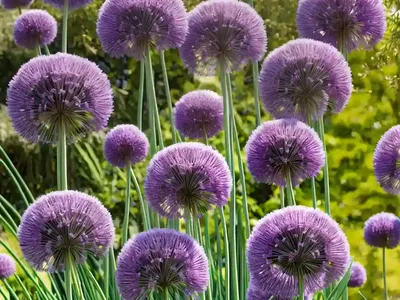
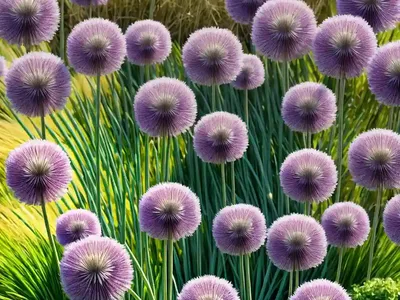
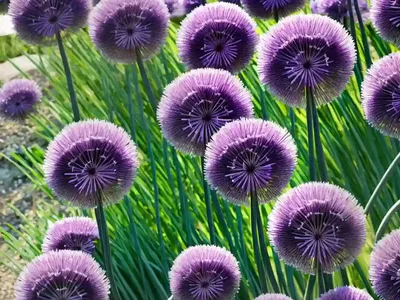
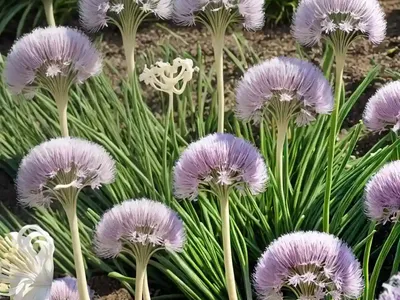
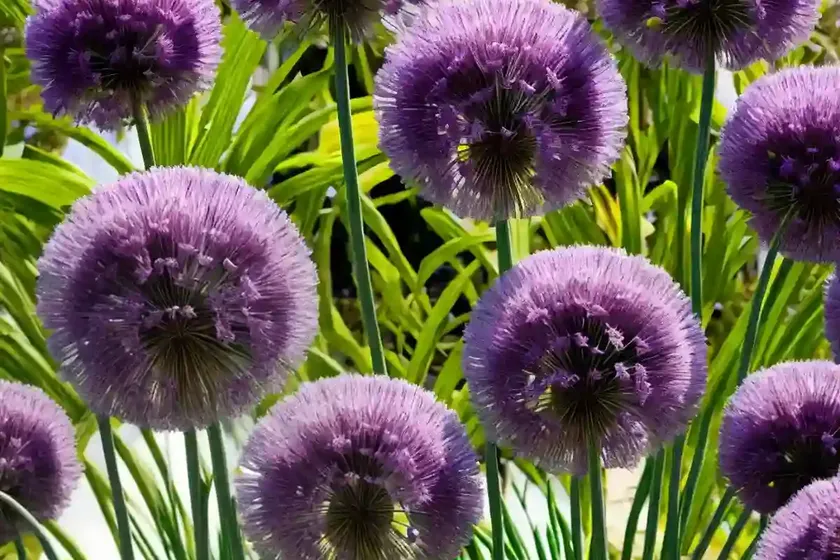
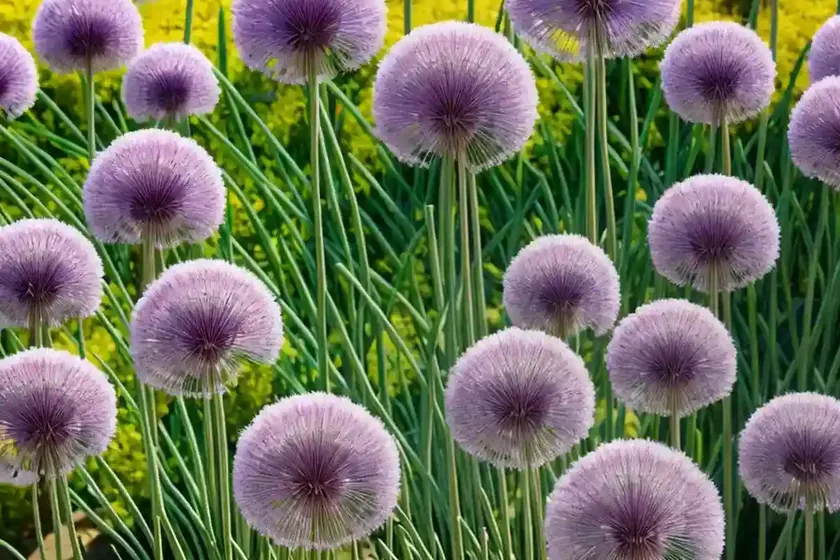
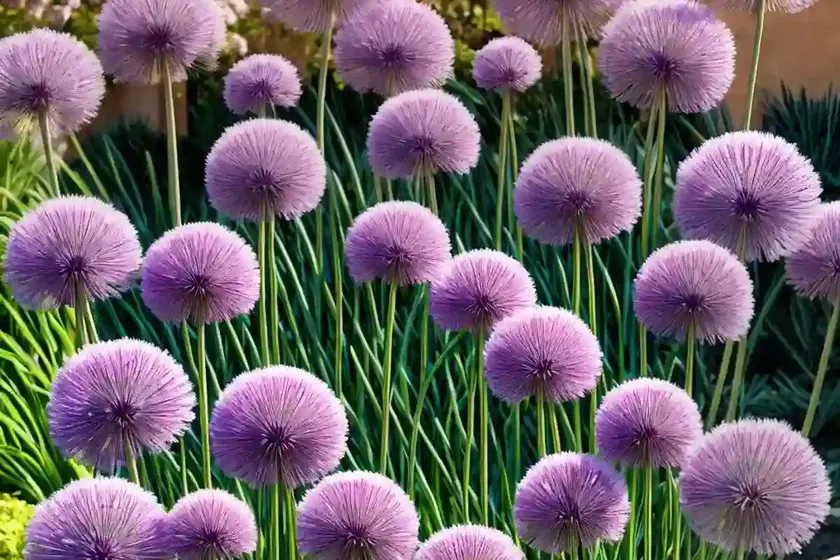
Allium ‘Gladiator’, commonly known as ornamental onion, is a stunning perennial plant that belongs to the Amaryllidaceae family. This plant is admired for its striking globe-shaped blossoms and elegant, upright stems. The unique appearance and low maintenance requirements have made it a popular choice for both professional landscapers and home gardeners.
Key Takeaways – Allium ‘Gladiator’ (Ornamental Onion)
- Scientific Name: Allium ‘Gladiator’
- Family: Amaryllidaceae
- Common Name: Ornamental Onion
- Plant Type: Perennial
- Blossom Color: Purple
- Blossom Season: Late Spring to Early Summer
- Mature Height: 36 inches to 48 inches
- Sunlight: Full Sun
- Soil Type: Well-draining, Loamy Soil
- USDA Hardiness Zones: 4-8
Let’s delve deeper into the culture, uses, and care requirements of Allium ‘Gladiator’ to understand how to incorporate this stunning plant into your landscape.
Culture
Water
Allium ‘Gladiator’ prefers well-drained soil and does not tolerate waterlogged conditions. Once established, it is remarkably drought-tolerant. During the growing season, it is essential to moderate the watering to keep the soil slightly moist but not saturated. Deep, infrequent watering is preferable to frequent shallow watering. In regions with heavy rainfall, it’s crucial to ensure that the soil does not become waterlogged, especially during the dormant winter period.
Sunlight
For optimal growth and blossoming, Allium ‘Gladiator’ requires full sun. When planted in a location with at least 6-8 hours of direct sunlight each day, the plant will produce stronger stems and larger blossoms. In partially shaded areas, the plant may become leggy and produce fewer flowers. Therefore, it is crucial to select a planting site that receives ample sunlight throughout the day.
Fertilizer
Allium ‘Gladiator’ does not have high fertilizer requirements. Before planting, incorporating a balanced, slow-release fertilizer in the soil can provide the plant with essential nutrients throughout the growing season. Fertilizing in the fall can also provide the plant with the necessary nutrients for the next growing season. However, it’s important to avoid excessive fertilization, particularly with high-nitrogen fertilizers, as this may lead to excessive foliage growth at the expense of blossoms.
Soil
The ideal soil for Allium ‘Gladiator’ is well-draining and loamy. A slightly acidic to neutral pH (6.0-7.0) is suitable for the plant’s optimal growth. If your soil is heavy or clay-like, amending it with organic matter, such as compost, can improve drainage and texture. Additionally, this perennial plant thrives in soil that is rich in nutrients but remains well-aerated.
Uses
Allium ‘Gladiator’ is a versatile plant with various uses in landscaping and garden design. Some of the popular uses include:
- Border Plant: Its tall, stately stems make it an excellent border plant, adding vertical interest and structure to garden beds.
- Cut Flower: The long-lasting blossoms of Allium ‘Gladiator’ are ideal for fresh-cut floral arrangements, providing a unique texture and shape to bouquets.
- Focal Point: When planted in groups, the ornamental onion can serve as a captivating focal point in the landscape, particularly in open meadows and large garden spaces.
- Pollinator Attractor: The blossoms of Allium ‘Gladiator’ are attractive to pollinators such as bees and butterflies, making it an excellent addition to wildlife-friendly gardens.
Pruning
After the blossoming period, when the flower stalks have started to fade and turn brown, it’s essential to deadhead the blossoms. This involves removing the spent flower heads to prevent the plant from expending energy on setting seeds. Additionally, the removal of spent blossoms enhances the plant’s aesthetic appeal and prevents self-seeding, which can sometimes lead to an overabundance of Allium ‘Gladiator’ in the garden.
Propagation
Allium ‘Gladiator’ is primarily propagated through division. This process involves carefully dividing the plant into smaller sections using a sharp, sterile tool and replanting the divisions in a suitable location. Division is best performed in the fall when the plant is entering a dormant phase. The new divisions should be planted at the same depth as the original plant to ensure successful establishment and future growth.
Container Popularity
The compact nature and elegant silhouette of Allium ‘Gladiator’ make it well-suited for container gardening. The plant’s versatility allows for its use in various container sizes, from large decorative pots to smaller planters. When planting in containers, it is crucial to ensure that the soil is well-draining and to provide adequate sunlight for the plant’s growth and blossoming.
Common Diseases
Disease Diagnosis
Allium ‘Gladiator’ is generally resistant to most common plant diseases. However, it can be susceptible to fungal diseases if the soil is consistently waterlogged or if the plant experiences extended periods of high humidity. Common fungal diseases that may affect Allium ‘Gladiator’ include botrytis (gray mold) and downy mildew.
Common Pests
Allium ‘Gladiator’ is relatively resistant to pest infestations. However, like many ornamental plants, it can attract certain pests such as aphids and thrips. These pests can cause damage to the plant by feeding on its foliage and flowers. Regular inspection and the use of organic pest control methods, such as insecticidal soaps or neem oil, can effectively manage and prevent pest infestations.
Botanist’s Tips
- Choose a well-draining planting site to prevent waterlogging, particularly during the plant’s dormant phase.
- Incorporate organic matter into the soil to improve its texture and provide essential nutrients for the plant’s growth.
- Deadhead spent blossoms to promote prolonged flowering and prevent self-seeding.
Fun Facts
- The name “Allium” is derived from the ancient Greek word for garlic, reflecting the pungent aroma that some Allium species emit when their foliage is crushed.
- Allium ‘Gladiator’ is not only valued for its aesthetically pleasing blossoms but also for its deer and rodent resistance, making it a low-maintenance option in areas with abundant wildlife.
Links to External Resources
To explore more about Allium ‘Gladiator’ and enhance your gardening knowledge, consider these external resources:
- The Royal Horticultural Society – Allium ‘Gladiator’
- University of Wisconsin-Madison Extension – Alliums: The Ornamental Onions
- Missouri Botanical Garden – Allium ‘Gladiator’
- Garden Design – Growing Allium ‘Gladiator’
In conclusion, Allium ‘Gladiator’ is a remarkable ornamental onion that can elevate the beauty of any garden or landscape. Its striking appearance, low maintenance requirements, and diverse uses make it an appealing choice for both amateur and seasoned gardeners. By incorporating the recommended cultural practices and leveraging its versatile uses, you can enjoy the beauty of Allium ‘Gladiator’ throughout the blossoming season, adding a touch of elegance and charm to your outdoor spaces.
Remember, with the right care and attention, Allium ‘Gladiator’ can be a dazzling addition to your garden, captivating both you and your visitors with its majestic blooms and graceful presence.