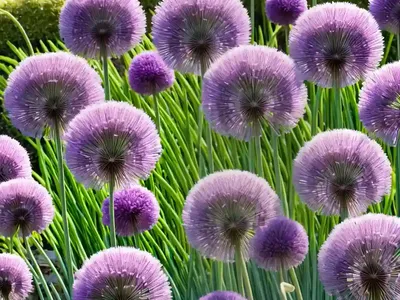
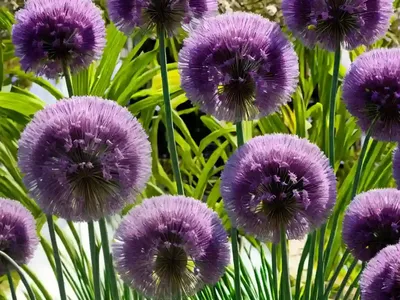
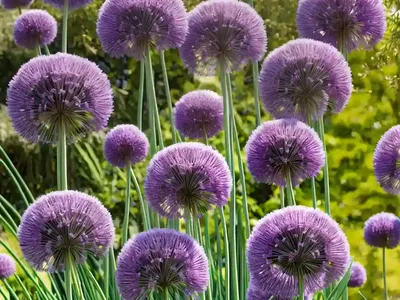
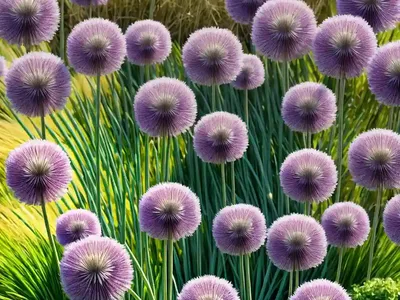
Allium Flavum (Yellow-Flowered Garlic)
What is Allium Flavum? Allium flavum, commonly known as Yellow-Flowered Garlic, is a species of flowering plant in the Allium genus. This perennial bulbous.
What is Allium Flavum?
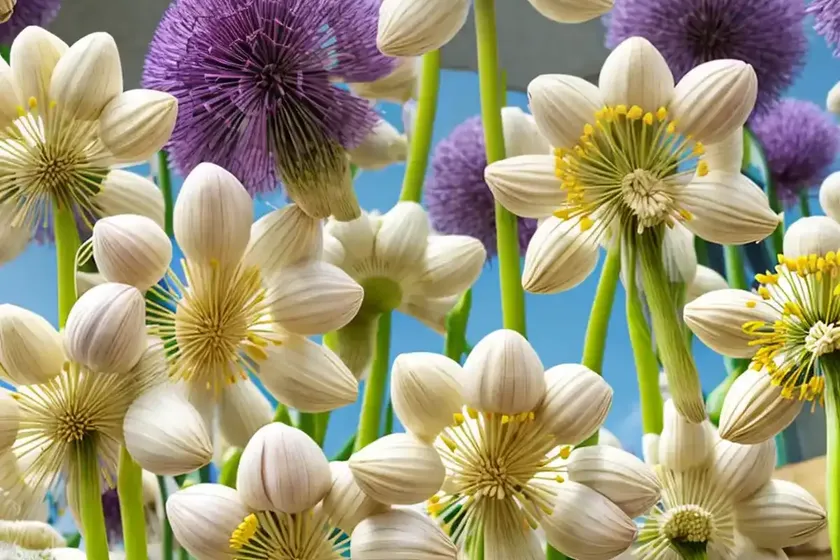
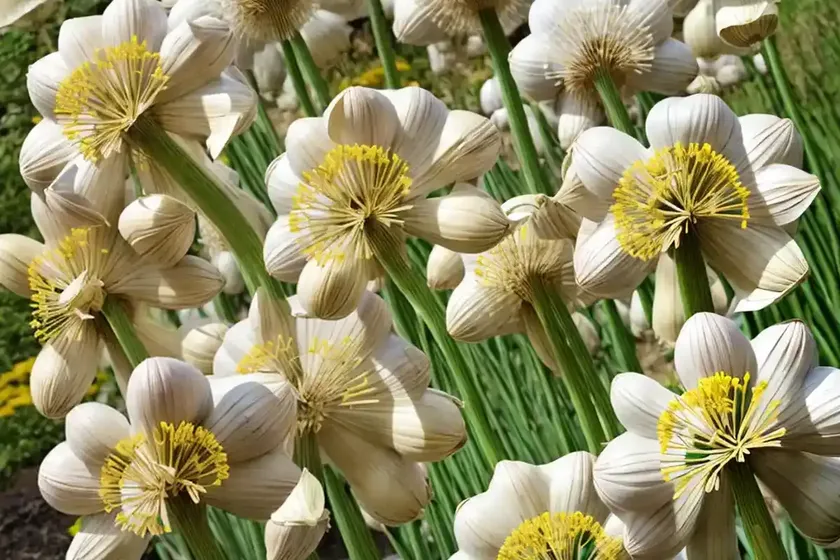
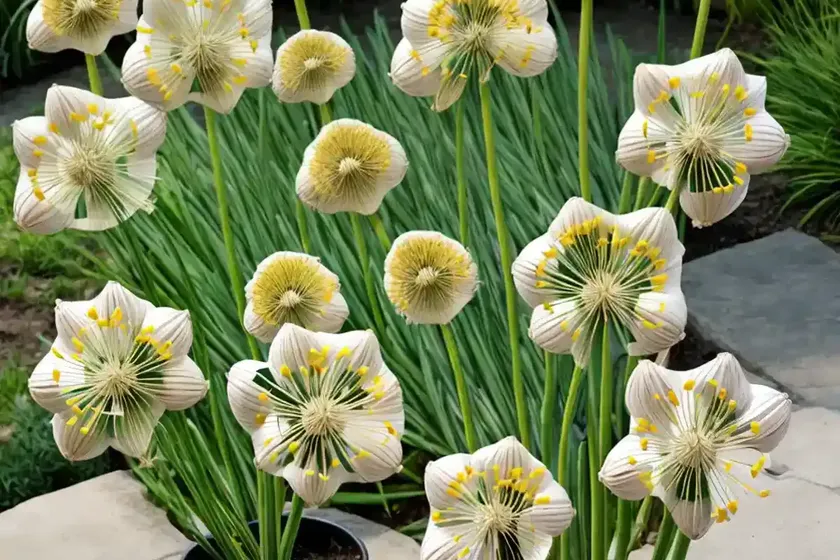
Allium flavum, commonly known as Yellow-Flowered Garlic, is a species of flowering plant in the Allium genus. This perennial bulbous plant belongs to the Amaryllidaceae family, which includes various plants known for their ornamental and culinary value. Allium flavum is native to regions of Europe and Asia and is popular for its attractive yellow blooms and garlic-like fragrance.
Key Takeaways – Allium Flavum (Yellow-Flowered Garlic)
- Plant Name: Allium flavum (Yellow-Flowered Garlic)
- Family: Amaryllidaceae
- Native Range: Europe and Asia
- Characteristics: Perennial, bulbous plant
- Flower Color: Yellow
- Fragrance: Garlic-like
- Culinary Uses: Edible bulbs
- Ornamental Value: Attractive yellow blooms
- Medicinal Properties: Potential herbal remedy
Culture
Understanding the cultural requirements of Allium flavum is essential for successfully growing and maintaining this species. From soil and water needs to sunlight exposure, each aspect contributes to the plant’s overall health and vitality.
Uses
Culinary Uses
Allium flavum, like many other Allium species, possesses edible bulbs that can be used in culinary applications. These bulbs add a unique garlic flavor to dishes, making them popular in various cuisines.
Medicinal Properties
Allium flavum is also known for its potential medicinal properties. With its garlic-like attributes, it is believed to have health benefits and herbal remedies associated with its consumption.
Water
Allium flavum thrives in well-drained soil and doesn’t tolerate waterlogged conditions. It requires moderate water levels during its growth period, particularly during the spring and summer months. However, it’s important to allow the soil to dry out between watering to prevent rot.
Sunlight
When it comes to sunlight, Allium flavum prefers full sun to part shade. It needs at least six hours of direct sunlight to promote healthy growth and abundant flowering. In regions with hot summers, providing some afternoon shade can be beneficial.
Fertilizer
Fertilization is not a primary requirement for Allium flavum. However, a balanced and organic fertilizer can be applied sparingly in early spring to support its growth and flowering. Excessive fertilization can lead to lanky growth and may reduce the plant’s overall vigor.
Soil
Well-draining, fertile soil is crucial for Allium flavum. It thrives in slightly alkaline to neutral soil with good drainage. Amending heavy clay or sandy soils with organic matter can improve the soil structure and provide an optimal growing medium for this species.
Pruning
Minimal pruning is needed for Allium flavum. Deadheading the spent flowers can promote a neater appearance and prevent self-seeding. Additionally, removing any yellowing or damaged foliage can help maintain the plant’s overall health and appearance.
Propagation
Allium flavum can be propagated through various methods, including seed sowing, division of offsets, and bulbils. Each propagation technique has its unique advantages and can be chosen based on the specific growth habits and preferences of the gardener.
Container Popularity
Due to its compact size and ornamental value, Allium flavum is suitable for container gardening. Its attractive yellow blooms and garlic-like fragrance make it a charming addition to patio gardens, balconies, and other outdoor spaces.
Container Common Diseases
When growing Allium flavum in containers, it’s important to be mindful of potential diseases that can affect the plant. Some common diseases include:
- Botrytis Rot: This fungal disease can appear as brown spots on the foliage and flowers, particularly in humid conditions.
- Basal Rot: A soil-borne disease that causes the bulbs to rot and decay.
Disease Diagnosis
Careful monitoring of the plant’s foliage, stems, and bulbs can help in diagnosing potential diseases. Look for signs of discoloration, wilting, or unusual spots that may indicate the presence of a disease. Early diagnosis is crucial for effective management.
Common Pests
Allium flavum is relatively resistant to pests due to its garlic-like fragrance, which deters many common garden pests. However, some pests to watch out for include:
- Thrips: These tiny insects can cause damage to the foliage and flowers.
- Onion Fly: The larvae of this pest can infest the bulbs, leading to damage and decay.
Botanist’s Tips
We have gathered some valuable tips for successfully growing and caring for Allium flavum:
-
Planting Depth: When planting Allium flavum bulbs, ensure they are placed at a depth of approximately 3-4 inches for optimal growth and stability.
-
Companion Plants: Consider planting Allium flavum alongside companion plants such as lavender, catmint, and sedum to create attractive garden borders and enhance the overall aesthetic appeal of the landscape.
-
Mulching: Applying a layer of organic mulch around the base of Allium flavum can help retain soil moisture and regulate soil temperature, particularly in regions with extreme weather conditions.
-
Overwintering Bulbs: In colder climates, provide a layer of mulch or protective covering over the bulbs during the winter to shield them from freezing temperatures and frost.
Fun Facts
- Allium flavum is also known as the Small Yellow Onion and is recognized for its delicate, star-shaped yellow flowers.
- It attracts pollinators such as bees and butterflies, contributing to biodiversity and ecosystem health.
- The bulbs of Allium flavum have been historically used for culinary and medicinal purposes, showcasing its dual significance.
Links to External Resources
- Allium Flavum Planting Guide
- Allium Flavum – The Royal Horticultural Society
- Allium Flavum Gardening Tips and Techniques
- All About Alliums: Ornamental Plant Association
- Culinary Uses of Allium Flavum
Allium flavum, with its striking yellow blooms and versatile uses, holds a special place in the world of ornamental and edible plants. By understanding its cultural needs, propagation methods, and pest management strategies, gardeners can cultivate and enjoy the unique charm of this remarkable species. Whether used in garden borders, containers, or culinary endeavors, Allium flavum continues to captivate and inspire with its beauty and diverse potential.
Keywords: Allium flavum plant, Yellow-flowered garlic, Allium flavum benefits, Allium flavum uses, Yellow-flowered garlic plant care, Allium flavum planting guide, Allium flavum species, Allium flavum cultivation, Allium flavum health benefits, Allium flavum gardening tips, Allium flavum growing conditions, Allium flavum medicinal properties, Allium flavum natural remedy, Yellow-flowered garlic culinary uses, Allium flavum herbal medicine, Allium flavum bulbs, Yellow-flowered garlic landscape, Allium flavum flowering season, Allium flavum habitat, Allium flavum native range, Allium flavum plant characteristics, Yellow-flowered garlic plant species, Allium flavum nutrient profile, Allium flavum companion plants, Allium flavum garden design, Allium flavum foliage, Allium flavum plant family, Yellow-flowered garlic ornamental plant, Allium flavum pollinators, Allium flavum gardening techniques, Allium flavum pest control, Allium flavum soil requirements, Allium flavum water needs, Allium flavum propagation methods, Allium flavum flower arrangement, Yellow-flowered garlic fragrance, Allium flavum seasonal planting, Allium flavum perennial plant, Allium flavum weed control, Allium flavum leaf structure, Allium flavum foliage color, Allium flavum bulb division, Allium flavum pruning guide, Allium flavum pest resistance, Allium flavum drought-tolerant plant, Yellow-flowered garlic landscaping ideas, Allium flavum culinary uses, Allium flavum natural dye, Allium flavum wildlife attraction, Allium flavum garden border