Allium ‘Firmament’ (Ornamental Onion)
Allium ‘Firmament’ is an exquisite ornamental onion that captivates onlookers with its stunning globe-shaped blossoms, attractive foliage, and striking.
Allium ‘Firmament’ is an exquisite ornamental onion that captivates onlookers with its stunning globe-shaped blossoms, attractive foliage, and striking presence in the garden landscape. In this comprehensive guide, we will delve deep into the various aspects of this remarkable plant, sharing insights on its growth requirements, care, uses, and much more. Whether you are a seasoned gardener or a plant enthusiast looking to explore the world of Allium ‘Firmament’, this guide aims to provide you with valuable information to help you nurture and appreciate this beautiful species.
What is Allium ‘Firmament’?
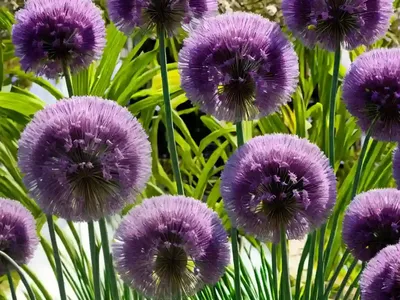
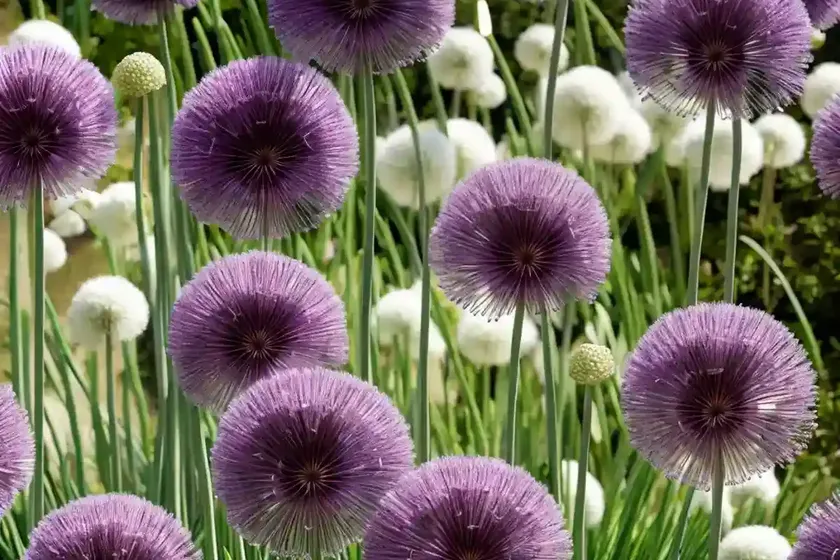
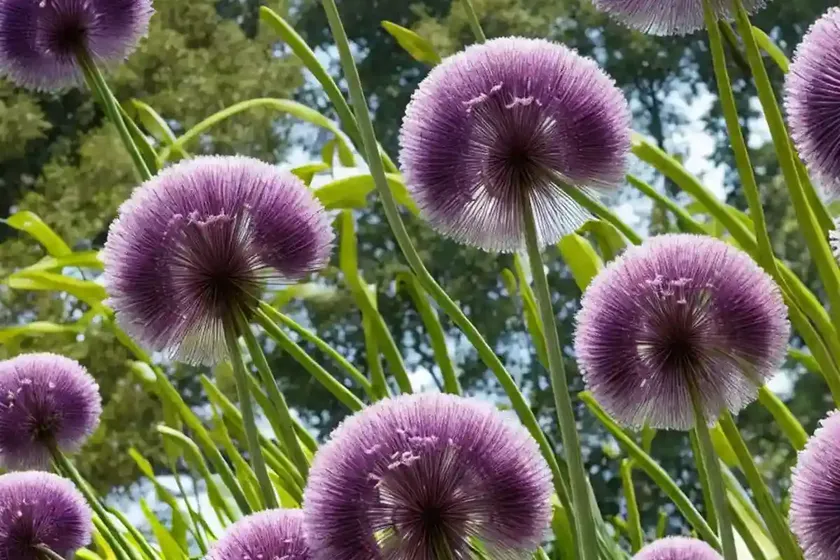
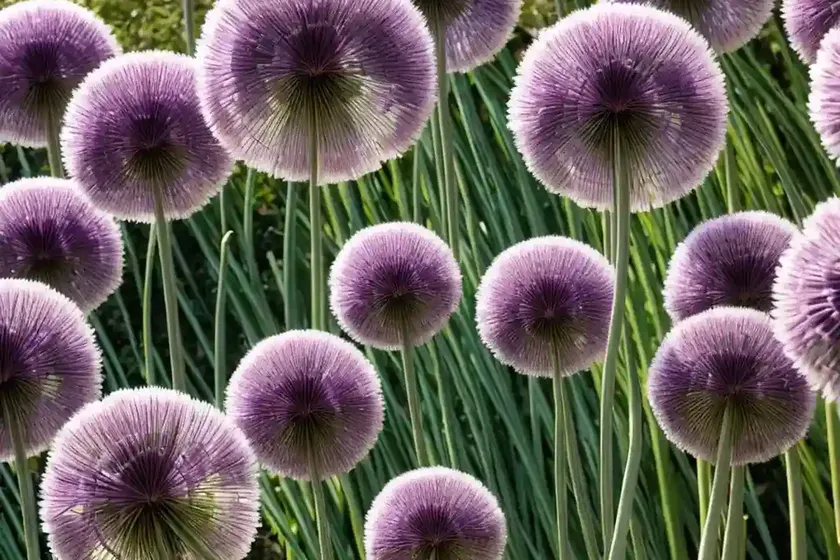
Allium ‘Firmament’, commonly known as ornamental onion, belongs to the Allium genus, which is renowned for its diverse and visually appealing members. Named for its resemblance to a starry night sky, ‘Firmament’ features striking, deep purple globes of florets that emerge from sturdy stems. These blossoms add an enchanting element to garden borders, rock gardens, and mixed perennial beds, and also make great cut flowers for floral arrangements.
Originating from the Mediterranean region and western Asia, Allium ‘Firmament’ is a perennial bulb with a moderate growth rate, typically reaching a mature height and spread of 20-24 inches (50-60 cm).
Let’s explore the key aspects of Allium ‘Firmament’ that are essential for successfully cultivating and appreciating this captivating ornamental onion.
Key Takeaways – Allium ‘Firmament’ (Ornamental Onion)
Culture
-
Hardiness Zone: Allium ‘Firmament’ thrives in USDA Hardiness Zones 4-8.
-
Growth Habit: This plant possesses an upright, clumping growth habit, with each bulb producing multiple flower stems.
-
Lifespan: When provided with optimal growing conditions, Allium ‘Firmament’ can persist for several years, enhancing the garden with its stunning blooms each season.
Uses
-
Landscape Accent: ‘Firmament’ makes for a striking accent in garden borders, rock gardens, and mixed perennial beds.
-
Cut Flower: The globular flower heads of Allium ‘Firmament’ can be used to create captivating cut flower arrangements.
-
Wildlife Gardening: The nectar-rich blossoms of this plant attract pollinators like bees and butterflies, making it a valuable addition to wildlife-friendly gardens.
Water
-
Watering Needs: Allium ‘Firmament’ prefers well-drained soil and moderate water levels. It is essential to avoid waterlogging, especially during the dormant phase.
-
Drought Tolerance: Once established, ‘Firmament’ exhibits a good degree of tolerance to moderate drought conditions.
Sunlight
-
Sun Requirements: Full sun exposure is ideal for Allium ‘Firmament’, ensuring optimal growth and prolific blooming.
-
Shade Tolerance: While it thrives in full sun, this plant can tolerate partial shade, particularly in warmer climates.
Fertilizer
-
Nutrient Needs: Before planting, incorporate organic matter like compost or well-rotted manure into the soil to provide essential nutrients.
-
Fertilization: Apply a balanced, slow-release fertilizer in spring to support healthy development and vibrant blooms.
Soil
-
Soil Type: ‘Firmament’ thrives in well-drained, loamy soil with a slightly acidic to neutral pH level.
-
Soil Texture: Sandy or loamy soil textures are well-suited for this plant, facilitating proper drainage and root health.
Pruning
-
Deadheading: After the flowering period, removing spent blooms can help maintain the plant’s neat appearance and prevent self-seeding.
-
Foliage Cleanup: Once the foliage begins to yellow and wither, it can be trimmed back to ground level, promoting a tidy garden space.
Propagation
-
Division: Allium ‘Firmament’ can be propagated through bulb division. Lift established clumps in late summer, separate the bulbs, and replant them in suitable locations.
-
Seed Propagation: While less common, propagating ‘Firmament’ from seeds is also feasible, though it requires more time and patience.
Container Popularity
-
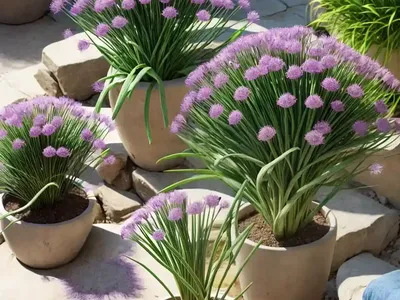
Container Gardening: ‘Firmament’ bulbs can be cultivated in containers, allowing for greater flexibility in garden design and placement.
-
Patio and Balcony Gardens: Its compact nature makes Allium ‘Firmament’ well-suited for container gardening in smaller outdoor spaces.
Common Diseases
-
Downy Mildew: Providing good air circulation and avoiding overhead watering can help prevent this fungal disease.
-
Botrytis: Proper sanitation and maintenance practices, such as removing dead foliage and debris, can mitigate the risk of Botrytis infections.
Disease Diagnosis
-
Symptoms: Common signs of fungal infections on Allium ‘Firmament’ include leaf spotting, wilting, and the presence of fuzzy growth.
-
Cultural Practices: Implementing proper cultural care methods and regular monitoring can aid in early detection and management of diseases.
Common Pests
-
Allium Leaf Miner: Check the foliage regularly for signs of the pest and consider employing physical barriers or insecticidal solutions if the infestation is severe.
-
Thrips: Regularly inspect the plant for thrips and consider introducing beneficial insects like predatory mites for biological control.
Botanist’s Tips
-
Companion Planting: Pair Allium ‘Firmament’ with complementary species like Salvia, Geranium, and Echinacea to create visually appealing and ecologically beneficial plant communities.
-
Landscape Design: Incorporate ‘Firmament’ in garden designs to add vertical interest and striking bursts of color, particularly in late spring to early summer.
Fun Facts
-
The genus name “Allium” is derived from the Latin word for garlic, reflecting the distinctive aroma of many species within the Allium family.
-
Allium ‘Firmament’ belongs to the Amaryllidaceae family and is closely related to garlic, onions, and chives.
Now that we have covered the essential aspects of Allium ‘Firmament’, let’s explore some external resources that provide additional insights into the cultivation and appreciation of this charismatic ornamental onion.
Links to External Resources
-
Royal Horticultural Society – Allium ‘Firmament’ – Plant Profile
-
Missouri Botanical Garden – Allium ‘Firmament’ – Plant Care and Growing Guide
By leveraging these resources, you can gain a deeper understanding of Allium ‘Firmament’ and its cultivation, care, and ecological significance.
In conclusion, Allium ‘Firmament’ stands as a captivating and low-maintenance ornamental onion, adding allure, color, and ecological value to diverse garden settings. Whether it’s the striking floral display, wildlife-friendly attributes, or the ease of cultivation, ‘Firmament’ has much to offer to plant enthusiasts and gardeners alike. By incorporating this remarkable plant into your landscape and appreciating its unique features, you can elevate the beauty and ecological vibrancy of your outdoor spaces.