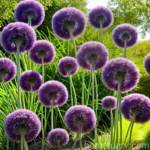
Allium ‘Globemaster’: The Spectacular Ornamental Onion
Allium ‘Globemaster’ is not your average garden plant. This stunning ornamental onion possesses striking spherical flower heads that add a touch of drama to any garden or landscape. In this comprehensive guide, we’ll delve into the captivating world of Allium ‘Globemaster,’ exploring its culture, uses, care tips, and much more. Whether you’re an experienced green thumb or a novice gardener, this article will equip you with the knowledge to grow and appreciate this remarkable perennial plant.
What is Allium ‘Globemaster’?
Allium ‘Globemaster’ is a hybrid ornamental onion that belongs to the Amaryllidaceae family, which also includes garlic, onions, and chives. This cultivar is renowned for its large, globe-shaped flower heads that feature tiny star-shaped purple florets, creating a mesmerizing and visually impactful display. The plant’s long, slender, green foliage elegantly complements the striking blooms, making it a sought-after addition to gardens and landscapes.
Types of Ornamental Onions
Before delving specifically into the captivating features of Allium ‘Globemaster,’ it’s essential to understand the broader category of ornamental onions. Alliums, a diverse genus of flowering plants, encompass a wide array of species and cultivars. These plants are known for their ornamental value, with attributes ranging from unique flower shapes to varying heights and colors. Some popular types of ornamental onions include:
- Allium giganteum
- Allium aflatunense
- Allium schubertii
- Allium sphaerocephalon
Key Takeaways – Allium ‘Globemaster’
Let’s now explore the key takeaways associated with growing and caring for Allium ‘Globemaster.’
- Culture
- Allium ‘Globemaster’ thrives in well-drained soil and requires adequate sunlight for optimal growth and flowering.
- Uses
- As an ornamental plant, Allium ‘Globemaster’ is utilized in gardens, landscapes, and floral arrangements, adding a unique and striking aesthetic appeal.
- Water
- Moderate watering is recommended, ensuring that the soil remains moist but not waterlogged.
- Sunlight
- Full sun exposure is preferable for Allium ‘Globemaster,’ with at least 6-8 hours of direct sunlight per day.
- Fertilizer
- Moderate fertilization with a balanced, all-purpose fertilizer can promote healthy growth and robust flowering.
- Soil
- Well-draining, fertile soil is ideal for Allium ‘Globemaster,’ preventing waterlogging and supporting nutrient uptake.
- Pruning
- Minimal pruning is necessary, mainly for removing spent flowers and maintaining a tidy appearance.
- Propagation
- Propagation can be achieved through bulb division or seed sowing, with specific considerations for each method.
- Container Popularity
- Allium ‘Globemaster’ is well-suited to container cultivation, offering versatility in garden and landscape design.
- Container Common Diseases
- Adequate drainage and soil conditions are critical to prevent common container diseases such as root rot and bulb rot.
Now, let’s delve into each of these aspects in greater detail to gain a comprehensive understanding of Allium ‘Globemaster’ and its care requirements.
Culture of Allium ‘Globemaster’
Cultivating Allium ‘Globemaster’ successfully requires a nuanced understanding of its cultural preferences and growth requirements. From selecting the ideal planting location to providing optimal environmental conditions, the cultural considerations play a pivotal role in fostering the health and vitality of this stunning ornamental onion.
Uses and Applications
Allium ‘Globemaster’ is prized for its ornamental value, serving various uses that enhance the visual appeal of indoor and outdoor spaces. Some primary applications include:
- Gardens and Landscapes: Planting Allium ‘Globemaster’ in garden beds, borders, and rock gardens introduces a striking vertical element while adding texture and color contrast.
- Floral Arrangements: The distinctive flower heads of Allium ‘Globemaster’ lend themselves beautifully to floral displays, contributing a captivating and unconventional focal point in arrangements.
- Pollinator Attraction: The nectar-rich flowers attract pollinators such as bees and butterflies, promoting biodiversity and ecological balance in the garden.
Watering Practices
As with many ornamental plants, striking the right balance in watering is crucial for the health and vigor of Allium ‘Globemaster.’ While the plant requires consistent moisture, it’s imperative to avoid overwatering, which can lead to root rot and other moisture-related issues. The following guidelines offer insights into effective watering practices:
- Moisture Considerations: Allium ‘Globemaster’ thrives in moderately moist soil, necessitating regular but not excessive watering to maintain optimal growth and flowering.
- Signs of Water Stress: Monitoring the plant for signs of water stress, such as wilting or yellowing foliage, aids in identifying the need for watering adjustments.
- Soil Drainage: Ensuring proper soil drainage is essential, preventing water accumulation around the plant’s roots and minimizing the risk of water-related ailments.
Sunlight Requirements
Adequate sunlight is a fundamental requirement for the cultivation of Allium ‘Globemaster,’ influencing its growth, flowering, and overall vitality. Understanding the plant’s sunlight preferences enables gardeners to make informed decisions when selecting planting locations and managing light exposure.
- Full Sun Exposition: Allium ‘Globemaster’ flourishes in locations with direct sunlight exposure, ideally receiving 6-8 hours of sunlight each day.
- Soil Temperature: Sunlight absorption contributes to warming the soil around the plant, promoting enhanced root development and nutrient uptake.
- Shading Considerations: Avoiding excessive shading from nearby structures or plants prevents potential light deprivation and supports the plant’s photosynthetic processes.
Fertilization Practices
Fertilization is an integral aspect of Allium ‘Globemaster’ plant care, providing essential nutrients that bolster growth, flower production, and overall vigor. As with any fertilization regimen, understanding the plant’s nutritional requirements and applying fertilizers judiciously is fundamental to prevent imbalances and potential adverse effects.
- Balanced Fertilizers: Selecting a balanced, all-purpose fertilizer with a ratio such as 10-10-10 or 20-20-20 ensures the provision of essential macro and micronutrients.
- Application Timing: Administering fertilizers during the plant’s active growth phases, such as early spring, supports the utilization of nutrients for robust foliage and flowering.
- Avoiding Excesses: Preventing excessive fertilizer application mitigates the risk of nutrient imbalances and potential damage to the plant’s root system.
Soil Preferences
Allium ‘Globemaster’ thrives in well-drained, fertile soil, emphasizing the significance of soil composition in its successful cultivation. Understanding the characteristics of suitable soils enables gardeners to create optimal growing environments for this remarkable ornamental onion.
- Drainage Considerations: Ensuring good soil drainage is paramount, minimizing the risk of water accumulation around the plant’s roots and averting complications such as root rot.
- Fertility Levels: Allium ‘Globemaster’ benefits from fertile soil rich in organic matter, supporting nutrient availability and root development.
- Soil Texture: Loamy or sandy loam soils with a friable texture are well-suited for this plant, facilitating root penetration and aeration.
Allium ‘Globemaster’ Plant Care Tips
Now let’s transition into insightful plant care tips for Allium ‘Globemaster,’ equipping gardening enthusiasts with practical strategies to promote the health, vigor, and aesthetic appeal of this exceptional ornamental onion.
Pruning Guidelines
Pruning plays a role in maintaining the tidiness and visual appeal of Allium ‘Globemaster,’ primarily emphasizing the removal of spent flowers to encourage additional blooming and prevent seed formation.
- Spent Flower Removal: Trimming spent flower heads before the seed-setting stage promotes prolonged flowering and prevents self-seeding, particularly crucial for gardeners aiming to control plant propagation.
Propagation Methods
The propagation of Allium ‘Globemaster’ can be achieved through bulb division or seed sowing, offering distinct approaches with specific considerations and procedures for successful reproduction.
- Bulb Division: Dividing mature bulbs during the dormant season allows for the creation of new plantings, supporting the expansion of Allium ‘Globemaster’ in the garden.
- Seed Sowing: Sowing seeds in a well-prepared, seed-starting mix provides an alternative propagation method, necessitating patience and attentive care to nurture seedlings to maturity.
Container Cultivation
Given its versatile growth habits, Allium ‘Globemaster’ is amenable to container cultivation, presenting opportunities for creative and strategic design applications in gardens, patios, and other outdoor spaces.
- Container Selection: Choosing appropriately sized containers with adequate drainage holes ensures optimal growing conditions and prevents waterlogging.
- Soil Considerations: Utilizing a well-draining potting mix facilitates healthy root development, supporting the plant’s growth and stability within the container environment.
Common Diseases and Pest Control
As with any plant, Allium ‘Globemaster’ is susceptible to certain diseases and pest infestations, necessitating proactive measures to maintain its health and vigor.
Disease Diagnosis
Identifying common diseases that affect Allium ‘Globemaster’ enables timely intervention and targeted management strategies to mitigate potential damage and promote rapid recovery.
- Botrytis Blight: A fungal disease that manifests as gray mold on decaying plant material, requiring improved air circulation and potential fungicidal treatments for control.
- Basal Rot: Caused by soil-borne fungi, basal rot presents as yellowing and wilting foliage, necessitating prompt removal of affected plants and soil remediation.
- Rust: Rust infections exhibit as orange-brown pustules on foliage, prompting the implementation of preventive practices such as proper plant spacing and resistant cultivar selection.
Common Pests
Vigilance and proactive management are essential in addressing potential pest challenges that Allium ‘Globemaster’ may encounter, safeguarding the plant against detrimental infestations.
- Thrips: Thrips feeding causes distorted flower development and silvery stippling on foliage, warranting the implementation of cultural and biological control measures to mitigate infestations.
- Onion Fly: Larval feeding by onion flies leads to plant damage and decreased vigor, necessitating protective measures such as row cover applications to prevent egg laying and infestation.
Botanist’s Tips and Insights
As a plant scientist with a passion for ornamental horticulture, I’d like to share some expert tips and insights that can enrich your experience in growing and appreciating Allium ‘Globemaster.’
- Soil Amendment: Incorporating organic matter such as compost or well-rotted manure into the planting site enhances soil fertility and structure, providing a conducive environment for Allium ‘Globemaster’ growth.
- Companion Planting: Pairing Allium ‘Globemaster’ with companion plants such as catmint (Nepeta), salvias, or ornamental grasses creates visually appealing combinations and offers potential benefits such as pest deterrence and enhanced biodiversity.
- Mulching Benefits: Applying a layer of organic mulch around Allium ‘Globemaster’ aids in moisture retention, weed suppression, and soil insulation, contributing to overall growth and vitality.
Fun Facts About Allium ‘Globemaster’
Now, let’s explore some captivating and lesser-known facts about Allium ‘Globemaster,’ shedding light on intriguing aspects of this remarkable ornamental plant.
- Allium ‘Globemaster’ is a hybrid of two distinct Allium species, combining the desirable traits of each parent to create a unique and visually striking cultivar.
- The spherical flower heads of Allium ‘Globemaster’ can reach impressive diameters, often exceeding 8 inches, captivating onlookers with their dramatic presence.
- Despite its common name, Allium ‘Globemaster’ is not simply an ornamental addition to gardens; it also holds symbolic meanings in various cultures, often representing unity, transformation, or resilience.
The Beauty of Allium ‘Globemaster’
The allure of Allium ‘Globemaster’ extends beyond its striking appearance, offering a multi-faceted and captivating presence in garden settings, landscapes, and floral arrangements. From its vibrant blooms to its ecological contributions, the beauty of Allium ‘Globemaster’ transcends mere visual aesthetics, impacting and enriching diverse aspects of ornamental horticulture.
Ornamental Onion Planting Guide
Embarking on the journey of planting and cultivating Allium ‘Globemaster’ entails careful consideration of various factors, from site selection to maintenance practices. This comprehensive planting guide expounds on essential steps and recommendations for successfully establishing and nurturing this extraordinary ornamental onion.
Choosing the Right Spot
Selecting an optimal planting location forms the foundation for the successful establishment of Allium ‘Globemaster,’ fostering an environment where the plant can thrive and showcase its remarkable attributes.
- Sunlight Requirements: Identifying locations with ample sunlight exposure, either in garden beds or containers, enables the plant to receive the light necessary for robust growth and flowering.
- Soil Considerations: Assessing soil drainage and fertility aids in determining suitable areas for planting, ensuring that the soil conditions align with the plant’s preferences.
Planting Instructions
Following proper planting instructions is instrumental in initiating the growth and development of Allium ‘Globemaster,’ facilitating its adaptation to the chosen site and supporting its long-term viability.
- Bulb Planting Depth: Planting bulbs at a depth of approximately 6-8 inches provides adequate coverage while preventing exposure and promoting root establishment.
- Spacing Recommendations: Space individual bulbs at intervals of 8-12 inches, allowing for sufficient air circulation and accommodating the plant’s mature size.
Pollinator-Friendly Plant Aspects
As a pollinator-friendly plant, Allium ‘Globemaster’ contributes to ecological balance and supports the well-being of essential pollinating insects, underscoring its significance in fostering biodiversity and environmental sustainability.
- Attracting Pollinators: The nectar-rich flowers of Allium ‘Globemaster’ draw in bees, butterflies, and other pollinators, presenting opportunities for observing and supporting local wildlife.
- Ecological Contributions: By promoting pollinator activity, Allium ‘Globemaster’ aids in the pollination of other plants, contributing to the reproduction and genetic diversity of various flora species.
Best Companion Plants
Incorporating compatible companion plants alongside Allium ‘Globemaster’ offers synergistic benefits, creating harmonious and visually appealing plant combinations while potentially enhancing environmental resilience.
- Color Complements: Selecting companion plants with contrasting or complementary colors augments the aesthetic appeal of Allium ‘Globemaster,’ fostering cohesive and visually engaging garden displays.
- Ecological Synergy: Certain companion plants may offer insect-repelling properties, nutrient-sharing benefits, or structural support, contributing to the overall health and vitality of the plant community.
Allium ‘Globemaster’ as a Cut Flower
The exceptional floral characteristics of Allium ‘Globemaster’ extend its appeal beyond the garden, positioning it as a sought-after cut flower for floral arrangements and indoor displays.
- Longevity: Allium ‘Globemaster’ flowers exhibit impressive longevity, retaining their visual allure in arrangements for an extended period, providing enduring beauty in both fresh and dried compositions.
- Architectural Elements: The unique shape and structure of Allium ‘Globemaster’ flower heads offer distinct design possibilities, introducing architectural interest and focal points in floral designs.
Drought-Tolerant Qualities
Drought tolerance is an advantageous attribute of Allium ‘Globemaster,’ endowing it with resilience and adaptability under challenging environmental conditions.
- Water Conservation: During periods of limited rainfall or water restrictions, Allium ‘Globemaster’ exhibits resilience, exhibiting a capacity to withstand temporary drought stress without compromising its overall health.
- Xeriscaping Potential: Incorporating Allium ‘Globemaster’ in xeriscape or water-efficient landscapes showcases its adaptability and capacity to thrive in sustainable and environmentally conscious garden designs.
Origin and Cultivation History
Exploring the origins and cultivation history of Allium ‘Globemaster’ provides insight into its evolution as a popular ornamental plant, offering perspectives on its botanical heritage and human interactions.
- Hybrid Cultivation: Allium ‘Globemaster’ originated as a hybrid, created through deliberate crossbreeding to combine desirable traits such as flower color, form, and size into a distinctive and visually striking cultivar.
- Ornamental Significance: The cultivation and introduction of Allium ‘Globemaster’ into horticultural settings reflect its recognition as a plant of significant ornamental and aesthetic value, contributing to the diversification of plant choices for gardeners and landscapers.
Gardening Tips for Allium ‘Globemaster’
Incorporating effective gardening tips and strategies facilitates the successful and gratifying experience of growing Allium ‘Globemaster’, unlocking the full potential of this remarkable ornamental onion.
- Springtime Planting: Planting Allium ‘Globemaster’ bulbs in early spring allows for ample time for root development and acclimatization before the emergence of foliage and flowers, setting the stage for robust growth.
- Rock Garden Integration: Integrating Allium ‘Globemaster’ into rock garden designs capitalizes on its vertical elegance and textural contrast, elevating the visual interest and dynamic qualities of the garden composition.
Container Planting
Embracing the versatility and adaptability of Allium ‘Globemaster,’ container planting presents an engaging and creative approach to showcasing this unique ornamental onion in various outdoor settings.
- Container Selection: Selecting spacious containers with adequate depth accommodates the extensive root system of Allium ‘Globemaster,’ supporting its growth and stability within the confined growing space.
- Mixed Perennial Borders: Incorporating Allium ‘Globemaster’ into mixed perennial borders within containers offers opportunities for dynamic and visually captivating plant combinations, showcasing diverse textures, colors, and forms.
Allium ‘Globemaster’ as a Focal Point
Emphasizing the ornamental impact of Allium ‘Globemaster’ as a focal point in garden designs heightens its visual prominence and creates compelling visual centerpieces in diverse landscape settings.
- Height Considerations: Leveraging the impressive height and structure of Allium ‘Globemaster’ positions it as a dynamic vertical element, anchoring garden compositions and offering visual interest from varying perspectives.
- Flower Arrangement Influence: Utilizing Allium ‘Globemaster’ as a focal point in gardens inspires creative approaches to floral arrangement design, aligning with its remarkable flower characteristics and aesthetic allure.
Flower Arrangements Incorporating Allium ‘Globemaster’
The incorporation of Allium ‘Globemaster’ flowers in floral arrangements and indoor displays elevates the artistry of floral design, infusing distinctiveness and visual impact into diverse compositions.
- Structural Elements: The architectural shape and structure of Allium ‘Globemaster’ flower heads offer compelling design opportunities, contributing sculptural elements and focal points in arrangements.
- **Long