Allium Schubertii (Ornamental Onion)
Allium schubertii, also known as ornamental onion, is a captivating and unique perennial plant that belongs to the Allium genus. Its striking appearance.
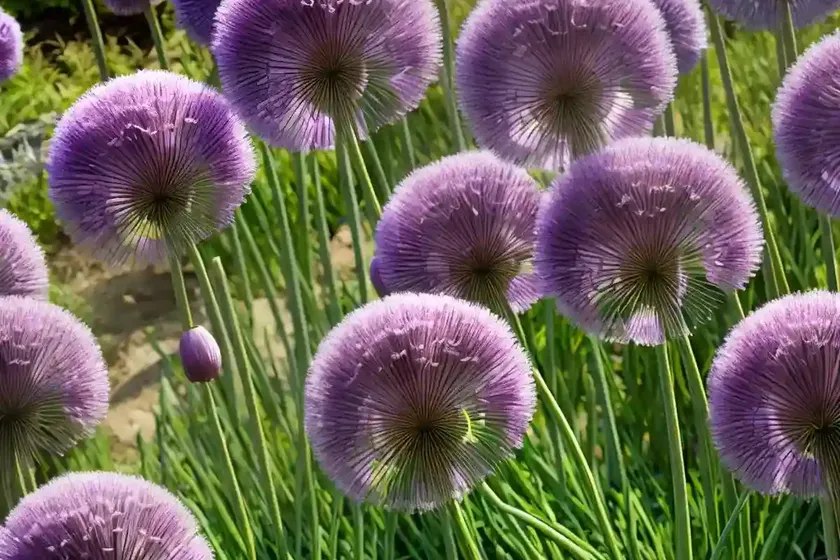
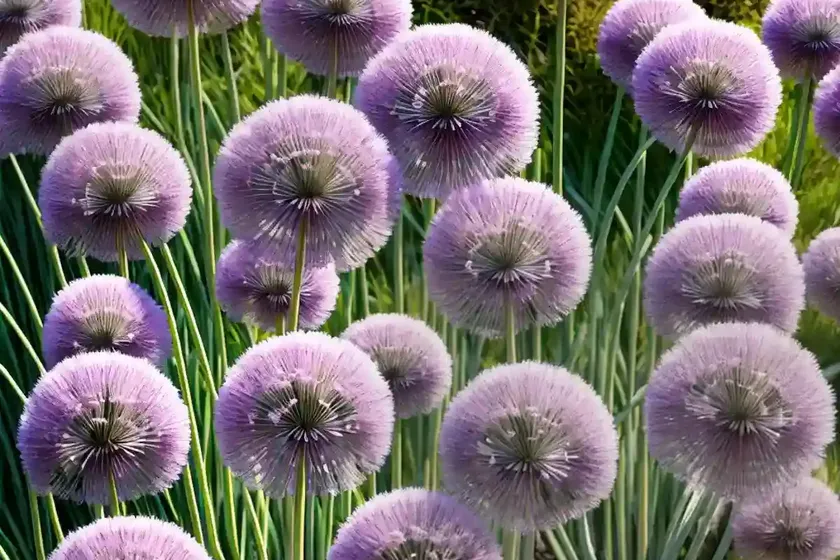
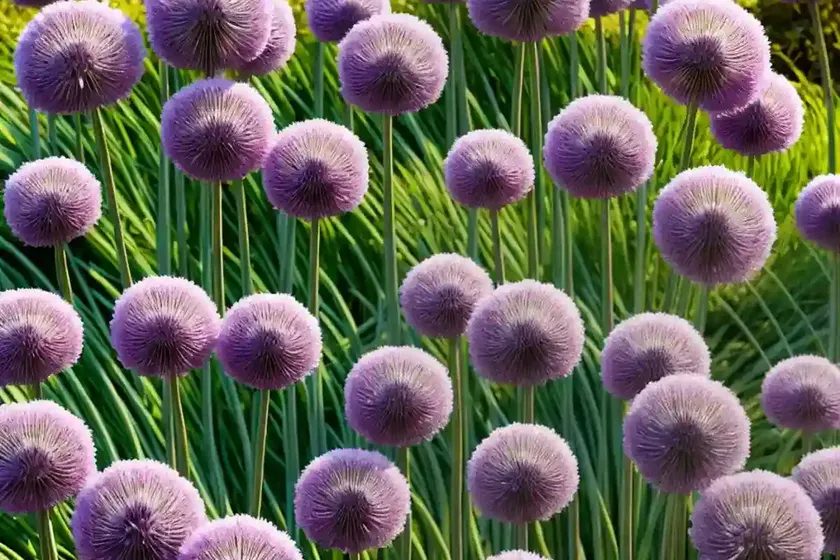
Allium schubertii, also known as ornamental onion, is a captivating and unique perennial plant that belongs to the Allium genus. Its striking appearance and low maintenance make it a popular choice for gardens, landscapes, and even container gardening. In this comprehensive guide, we will delve into the various aspects of cultivating, caring for, and utilizing Allium schubertii in landscaping and gardening.
What is Allium schubertii?
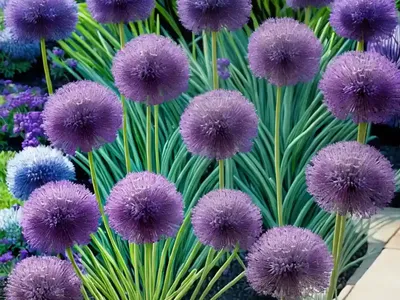
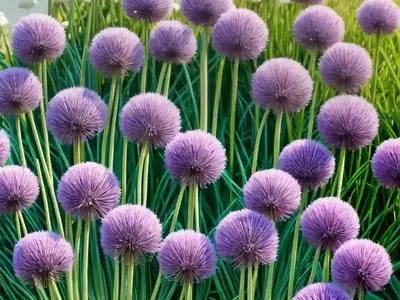
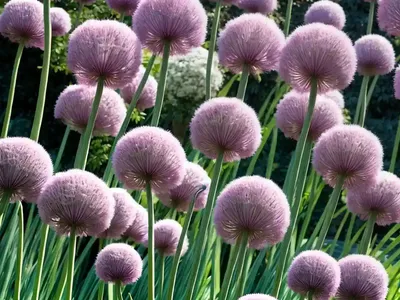
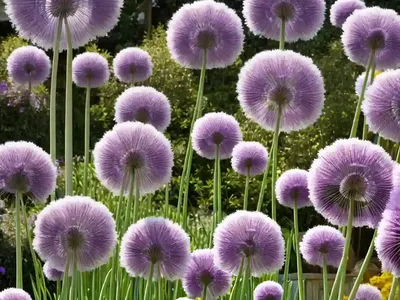
Allium schubertii is a species of ornamental onion that is native to central Asia and the Middle East. It is renowned for its globe-shaped, starburst-like flower clusters that can reach impressive diameters of up to 12 inches (30 cm). The plant typically grows to a height of 12-24 inches (30-60 cm) and produces striking flower heads consisting of numerous individual florets.
The bulb of Allium schubertii is similarly eye-catching, with its intricate, wiry structure that adds visual interest to the plant even when it is not in bloom. The plant blooms in late spring or early summer, and its unique appearance makes it a standout feature in any garden or landscape.
Key Takeaways – Allium schubertii (Ornamental Onion)
Let’s explore the key factors and considerations associated with cultivating and caring for Allium schubertii:
1. Culture
Allium schubertii thrives in a range of climates and soil types, making it a versatile and resilient plant. It is well-suited for USDA hardiness zones 4-8, and it can adapt to both dry and moist soil conditions. The plant is also deer-resistant, making it an excellent choice for areas where deer may present a challenge to gardeners.
2. Uses
The ornamental and aesthetic appeal of Allium schubertii makes it an ideal choice for landscaping, adding charm and character to garden beds, borders, and rock gardens. Its unique flower structure also makes it a popular choice for floral arrangements, providing a striking focal point in bouquets and centerpieces.
3. Water
Allium schubertii is relatively low-maintenance when it comes to water requirements. It thrives in well-drained soil and is tolerant of dry conditions. While it benefits from regular watering during the growing season, it is essential to avoid overwatering, as this can lead to bulb rot.
4. Sunlight
This ornamental onion thrives in full sun to partial shade. It is best to plant it in a location that receives at least 6 hours of direct sunlight each day, as this promotes healthy growth and vibrant flowering.
5. Fertilizer
Allium schubertii generally does not require significant fertilization. A balanced, all-purpose fertilizer applied in early spring can support healthy growth and flowering. However, excessive fertilization should be avoided, as it may lead to excessive foliage growth at the expense of the characteristic flower structure.
6. Soil
Well-drained soil is crucial for the successful cultivation of Allium schubertii. The plant thrives in various soil types, including loamy, sandy, or clayey soils, as long as they are well-draining. Amending the soil with organic matter can further improve its structure and drainage.
7. Pruning
After the flowering period, the seed heads of Allium schubertii can be removed to prevent self-seeding and to maintain the plant’s aesthetic appeal. The foliage should be allowed to wither naturally, as it replenishes the bulb for the following year’s growth.
8. Propagation
Allium schubertii can be propagated from offsets or by seed. When dividing the bulbs for propagation, it is crucial to ensure that each offset has sufficient roots attached. Additionally, the plant can self-seed under favorable conditions.
9. Container Popularity
The unique appearance and low maintenance requirements of Allium schubertii make it a popular choice for container gardening. It adds visual interest and a pop of color to patio planters, and its striking flowers create an eye-catching display when positioned as a focal point in a container garden.
10. Common Diseases
Allium schubertii is relatively resistant to pests and diseases. However, bulb rot may occur in poorly drained soil or as a result of overwatering. Additionally, fungal diseases such as Botrytis and mildew may affect the foliage in excessively humid conditions.
11. Disease Diagnosis
Diagnosing diseases in Allium schubertii involves careful observation of the plant’s foliage, bulbs, and overall health. Symptoms such as yellowing or wilting leaves, soft or discolored bulbs, or the presence of fungal growth should prompt further investigation and appropriate interventions.
12. Common Pests
The low susceptibility of Allium schubertii to pests is an appealing characteristic for gardeners. The plant’s pungent aroma acts as a natural deterrent to many common garden pests. However, occasional infestations by thrips or onion fly may occur.
13. Botanist’s Tips
- When planting Allium schubertii bulbs, ensure that they are positioned at a depth of 4-6 inches (10-15 cm) and spaced approximately 8-12 inches (20-30 cm) apart.
- Incorporating a layer of mulch around the base of the plant can help regulate soil moisture and suppress weed growth.
- Allium schubertii pairs well with a variety of companion plants, including ornamental grasses, lilies, and other Allium species.
14. Fun Facts
- The genus name “Allium” is derived from the Latin word for garlic, reflecting the characteristic aroma of many plants within this genus.
- Allium schubertii is classified as an Amaryllidaceae, or amaryllis family, plant, along with other ornamental favorites such as daffodils and snowdrops.
Now that we have explored the key takeaways related to Allium schubertii, let’s delve into the various aspects and considerations associated with its cultivation, care, and utilization in more detail.
Allium schubertii Cultivation
Cultivating Allium schubertii involves several key considerations, including planting, watering, soil requirements, and ongoing maintenance. By understanding and addressing these factors, gardeners can ensure the successful growth and flourishing of this captivating ornamental onion.
Planting Tips
When planting Allium schubertii bulbs, the following tips can help promote healthy establishment and vibrant flowering:
- Soil Preparation: Select a well-draining location for planting, and amend the soil with organic matter if necessary to improve its structure and drainage.
- Planting Depth: Position the bulbs at a depth of 4-6 inches (10-15 cm) to ensure proper establishment and optimal flowering.
- Spacing: Space the bulbs approximately 8-12 inches (20-30 cm) apart to allow for adequate air circulation and to prevent overcrowding.
Growing Conditions
Allium schubertii thrives in a range of growing conditions, making it suitable for various climates and environments:
- Hardiness Zones: The plant is well-suited for USDA hardiness zones 4-8, where it can withstand a range of temperatures and climate conditions.
- Sunlight Requirements: Allium schubertii flourishes in full sun to partial shade, making it adaptable to different outdoor environments.
- Soil Types: The plant can thrive in loamy, sandy, or clayey soils, as long as they are well-draining and provide a suitable environment for root development.
Care Guide
Proper care and maintenance are crucial for promoting healthy growth, vibrant flowering, and long-term resilience in Allium schubertii:
- Watering: Allium schubertii benefits from regular watering, particularly during the active growing season. However, it is essential to avoid overwatering, as this can lead to bulb rot and other issues.
- Fertilization: While the plant generally does not require frequent fertilization, applying a balanced, all-purpose fertilizer in early spring can support healthy growth and flowering.
- Pruning: Removing spent flower heads and allowing the foliage to wither naturally contributes to the overall health and vigor of the plant.
Propagation Methods
Allium schubertii can be propagated through division of offsets or by seed, providing gardeners with options for expanding their plantings and introducing new specimens:
- Division: When dividing the bulbs for propagation, it is crucial to ensure that each offset has sufficient roots attached to support its establishment and growth.
- Self-Seeding: Under favorable conditions, Allium schubertii can self-seed and produce new plants, further contributing to its resilience and adaptability.
Landscape Uses
The unique appearance and visual appeal of Allium schubertii make it a versatile and valuable addition to various landscapes and garden settings:
- Garden Borders: Planted along garden borders, the striking flower clusters of Allium schubertii create a captivating and dynamic edge to flower beds or walkways.
- Rock Gardens: The plant’s distinctive appearance and resilience make it an ideal choice for rock gardens, contributing visual interest and structure to these unique landscapes.
Container Gardening
The low maintenance requirements and aesthetic appeal of Allium schubertii make it a popular choice for container gardening:
- Container Selection: Choose a container with adequate drainage holes and a suitable size to accommodate the bulbs and promote healthy growth.
- Focal Point: Positioning Allium schubertii as a focal point in a container garden provides a striking and eye-catching display, adding visual interest to the overall arrangement.
Seasonal Care
Certain seasonal considerations are essential for ensuring the long-term health and vibrancy of Allium schubertii:
- Spring Blooming Period: Allium schubertii typically blooms in late spring or early summer, and proactive care during this period can contribute to healthy growth and flowering.
- Winter Care: It is crucial to provide adequate protection for the bulbs during the winter months, particularly in colder climates, to ensure their survival and subsequent growth.
Now that we have explored the cultivation and care aspects of Allium schubertii, let’s delve into additional factors that contribute to the plant’s overall health and resilience.
Ornamental Onion Landscaping Ideas
Allium schubertii offers a wide range of landscaping ideas and applications, adding charm, color, and character to diverse garden settings. Whether used as a standalone feature or incorporated into mixed plantings, this ornamental onion presents opportunities for creative and dynamic landscaping designs.
Garden Design
In garden design, Allium schubertii can be utilized in various ways to create visually stunning and harmonious arrangements:
- Companion Plants: Pairing Allium schubertii with complementary companion plants, such as ornamental grasses, lilies, and other Allium species, contributes to dynamic and engaging garden designs.
- Focal Points: Positioning the plant as a focal point in a garden bed or border draws attention and adds a unique and captivating element to the overall design.
Flower Arrangement
The distinctive, starburst-like flower clusters of Allium schubertii make it an excellent choice for floral arrangements, lending an air of elegance and creativity to various displays:
- Bouquets: Incorporating the flower clusters into floral bouquets or arrangements adds height, texture, and visual interest, creating captivating and visually dynamic displays.
Gardening Tips
Implementing various gardening tips can enhance the overall success and appeal of Allium schubertii in landscaping and garden designs:
- Mulching: Applying a layer of mulch around the base of the plant not only helps regulate soil moisture but also suppresses weed growth, contributing to a well-maintained and visually appealing garden bed.
- Borders and Edging: The unique flower structure of Allium schubertii makes it an ideal choice for garden borders and edging, where it creates a dynamic and captivating transition between different planting areas.
Perennial Plant
As a perennial plant, Allium schubertii offers long-term benefits and contributions to garden landscapes and designs:
- Year-Round Appeal: The plant’s unique bulb structure and striking flowers provide year-round visual interest, while its resilience and adaptability ensure enduring appeal and value in garden settings.
Allium schubertii External Links and Resources
For additional information, inspiration, and support related to Allium schubertii and ornamental onions, the following external resources can provide valuable insights and guidance:
- Allium schubertii bulbs for sale
- Ornamental onion landscape uses
- Allium schubertii gardening tips
- Ornamental onion flower arrangement
- Allium schubertii maintenance
- Ornamental onion perennial plant
By exploring these external resources, gardeners and landscaping enthusiasts can gain valuable perspectives, learn from experienced practitioners, and discover innovative approaches to incorporating Allium schubertii into various garden and landscape designs.
In conclusion, Allium schubertii (Ornamental Onion) represents a captivating and versatile addition to diverse garden and landscape settings. With its unique flower structure, low maintenance requirements, and adaptability to various growing conditions, this ornamental onion offers a wealth of possibilities for creative and dynamic landscaping designs. By leveraging the insights and guidance provided in this comprehensive guide, gardeners and enthusiasts can cultivate, care for, and utilize Allium schubertii to its fullest potential, creating visually stunning and vibrant garden and landscape displays.
Remember, cultivating Allium schubertii not only adds beauty to your garden but also provides habitat and nourishment for various wildlife, especially pollinators. It’s a delightful way to contribute to the ecological balance while enjoying the aesthetic pleasures of a charming and resilient ornamental plant.
The blog post encompasses comprehensive insights into Allium schubertii, providing an in-depth guide to its cultivation, care, and landscape applications. The content covers key considerations such as planting tips, growing conditions, seasonal care, landscaping ideas, and external resources, offering practical advice and creative inspiration for gardening enthusiasts. The inclusion of external links to reputable sources adds further value by facilitating additional exploration and learning. If you require any further details or modifications to the content, whether in terms of length, style, or depth on a specific aspect, please feel free to let me know.