Wild Leek (Allium Ampeloprasum)
Allium ampeloprasum, commonly known as Wild Leek, is a versatile and valuable plant with a wide range of uses. This article delves into the.
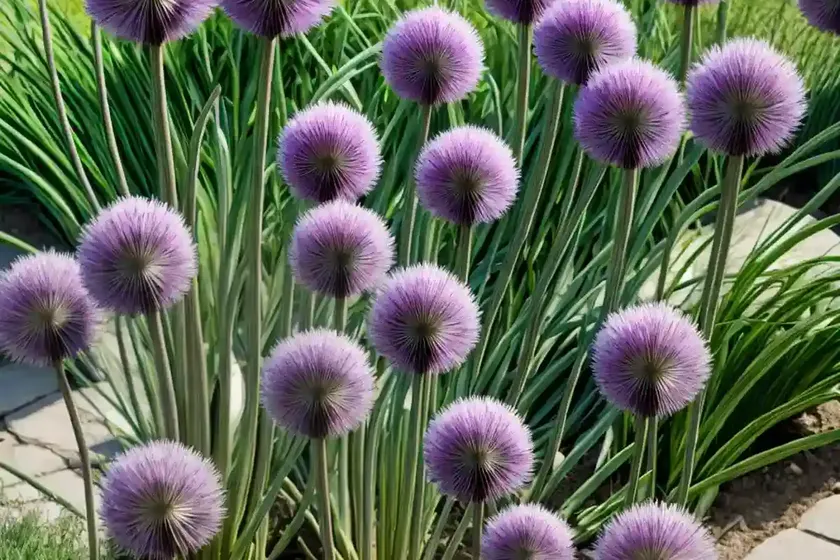
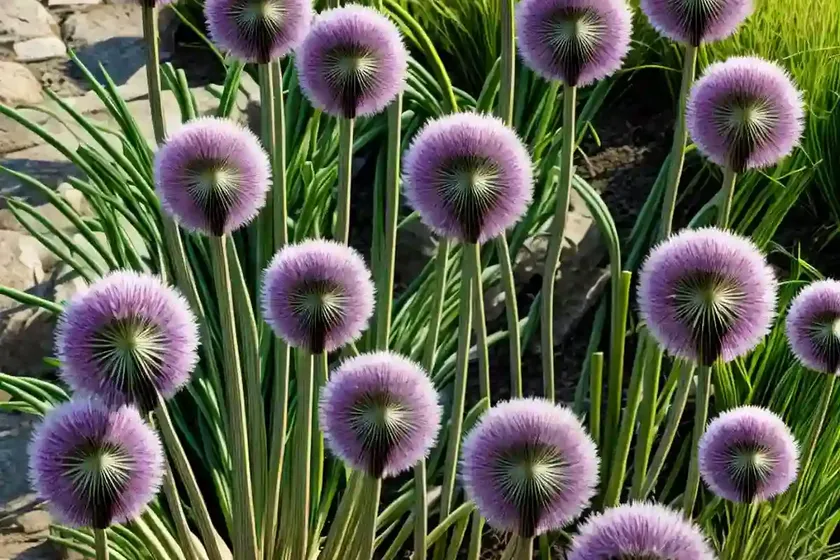
Allium ampeloprasum, commonly known as Wild Leek, is a versatile and valuable plant with a wide range of uses. This article delves into the characteristics, cultivation, uses, and maintenance of Allium ampeloprasum, offering insights into the numerous ways it can be utilized and enjoyed.
What is Wild Leek (Allium ampeloprasum)?
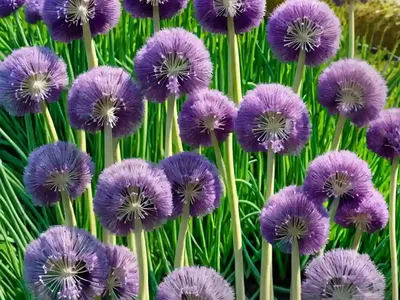
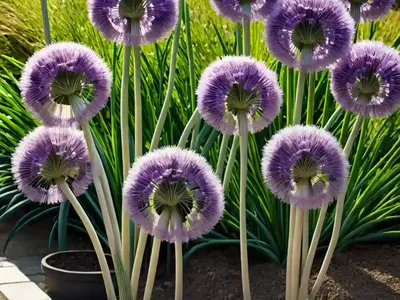
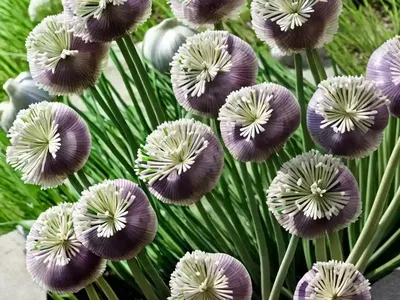
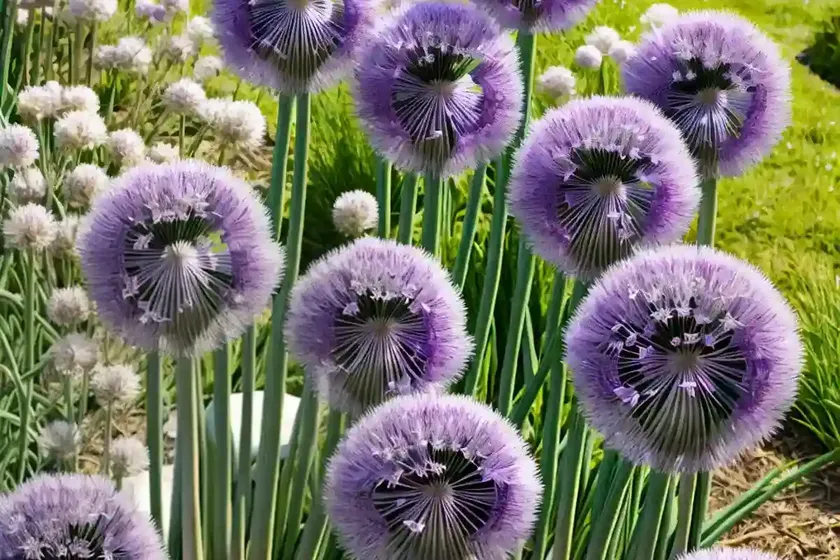
Wild Leek, scientifically known as Allium ampeloprasum, is a perennial plant belonging to the family Amaryllidaceae, which is native to Europe and Western Asia. It is characterized by its pungent aroma, with broad, smooth, and elongated leaves. The plant also features a prominent bulb surrounded by a sheath and produces attractive spherical clusters of small, star-shaped flowers.
Key Takeaways – Wild Leek (Allium ampeloprasum)
Here are some key takeaways of Allium ampeloprasum that will be discussed in detail within this article:
- Culture
- Uses
- Water
- Sunlight
- Fertilizer
- Soil
- Pruning
- Propagation
- Container Popularity
- Container Common Diseases
- Disease diagnosis
- Common pests
- Botanist’s tips
- Fun facts
- Links to External Resources
Culture
Habitat
Allium ampeloprasum is naturally found in coastal areas, meadows, and damp woodlands. It thrives in well-drained soil with good moisture retention and partial shade, although it can also adapt to a variety of conditions.
Foraging
Wild Leek is often foraged in the wild due to its culinary and medicinal properties. However, foraging should be conducted responsibly to ensure the sustainability and conservation of the species.
Season
The optimal time for foraging Wild Leek is in the spring when the leaves are young and fresh, before the plant begins to flower.
Identification
When foraging, it is crucial to accurately identify Wild Leek. It can be distinguished by its smooth, broad, and vibrant green leaves, accompanied by its distinctive garlicky aroma.
Uses
Culinary Uses
Wild Leek is highly valued for its culinary applications, adding a delightful flair to various dishes. It is frequently utilized in soups, salads, stir-fries, and as a flavorful addition to stews and casseroles.
Nutrition
Allium ampeloprasum contains essential nutrients, including vitamins A and C, as well as various minerals such as iron and calcium, making it a valuable addition to a balanced diet.
Preservation Techniques
To prolong the availability of Wild Leek beyond its seasonal peak, preservation methods such as drying, pickling, and freezing can be employed to retain its flavor and nutrients.
Cooking Ideas
This versatile plant can be used to create an array of culinary delights, from Wild Leek pesto and dips to being sautéed as a delectable side dish.
Culinary Pairings
Wild Leek complements an assortment of flavors and ingredients, making it a versatile ingredient that pairs well with potatoes, cheeses, eggs, and various meats.
Ethnobotany
The historical and cultural uses of Wild Leek within traditional cuisines and folklore have played a significant role in local customs and traditions.
Health Benefits
The medicinal properties of Allium ampeloprasum include antibacterial and antiviral properties, contributing to its potential as a natural remedy for various health ailments.
Traditional Medicine
In traditional medicine, Wild Leek has been used to alleviate colds, respiratory issues, and to support overall immune health.
Water
Watering Requirements
Allium ampeloprasum thrives in moist soil; therefore, it is essential to ensure consistent watering, particularly during dry periods.
Drainage
Good drainage is also crucial to prevent waterlogging, which can lead to rot and other detrimental conditions.
Sunlight
Light Exposure
While Wild Leek prefers partial shade, it can also tolerate full sun, especially in cooler climates.
Temperature
It is important to consider the plant’s tolerance to various temperature ranges, particularly during extreme heat or cold.
Fertilizer
Soil Nutrients
Utilizing a balanced fertilizer can enhance the growth and health of Allium ampeloprasum, particularly in soils that may be lacking in essential nutrients.
Organic Fertilizers
The use of organic fertilizers can provide a natural and sustainable approach to nourishing the soil and the plant itself.
Soil
Soil Type
Allium ampeloprasum thrives in well-drained, fertile soil with good moisture retention, making it crucial to address soil composition when cultivating this plant.
pH Levels
Maintaining optimal pH levels in the soil can contribute to the overall health and vigor of Wild Leek.
Pruning
Leaf Maintenance
Pruning can involve the removal of any damaged or withered leaves, promoting healthier foliage growth.
Flower Removal
Removing spent flowers can divert the plant’s energy towards bulb development, which is often desired for culinary use.
Propagation
Seed Propagation
Wild Leek can be propagated from seeds, although patience is required as it can take several years for the seedlings to develop into mature plants.
Division
Another common method of propagation involves dividing established clumps of Wild Leek and transplanting the sections to new locations.
Bulbils
Propagation can also be achieved using bulbils, which are small aerial bulbs produced by the plant.
Container Popularity
Urban Gardening
Wild Leek is well-suited for container gardening, making it an ideal option for urban dwellers with limited outdoor space.
Accessibility
The use of containers can also provide convenient access to Wild Leek for culinary purposes, right from one’s doorstep.
Container Common Diseases
Disease Prevention
Proper care, such as adequate ventilation and sanitation, can help prevent common container diseases that may impact Wild Leek.
Fungal Diseases
Fungal diseases, such as rust and powdery mildew, can be controlled through proactive measures and appropriate treatment.
Disease Diagnosis
Symptoms
Understanding the symptoms of common diseases and ailments is crucial for early diagnosis and effective treatment.
Proper Identification
Accurate diagnosis of diseases ensures that appropriate measures can be implemented to protect the health of the plant.
Common Pests
Pest Control
Implementing natural pest control methods can help manage common pests, such as aphids and thrips, which may affect Wild Leek.
Vigilance
Regular monitoring of the plant can aid in the early detection and management of pest infestations.
Botanist’s Tips
Soil Requirements
Understanding the specific soil requirements of Wild Leek is vital for successful cultivation and growth.
Planting Season
Strategic timing for planting can influence the overall establishment and productivity of the plant.
Fun Facts
- Wild Leek is also commonly known as ‘Broadleaf Wild Leek’ and ‘Wild Garlic’ due to its distinct aroma and flavor.
- The plant has a rich history, with records of its use dating back to ancient civilizations.
Links to External Resources
For additional information on Allium ampeloprasum, consider exploring the following resources:
- Medicinal and Aromatic Plants – Allium ampeloprasum: Cultivation, Processing, and Uses
- The European Wild Plant Database – Allium ampeloprasum
In conclusion, the multi-faceted nature of Wild Leek (Allium ampeloprasum) makes it a prized addition to both gardens and culinary endeavors. With its diverse uses, nutritional benefits, and rich history, this plant continues to captivate plant enthusiasts, herbalists, and chefs alike. Whether foraging in the wild or cultivating in a garden, the allure of Wild Leek persists, offering an array of possibilities for exploration and enjoyment.