Allegheny Monkey-flower (Mimulus Ringens)
In the world of botany, there are innumerable plant species that have captivated the attention of scientists, gardeners, and nature enthusiasts. One such.
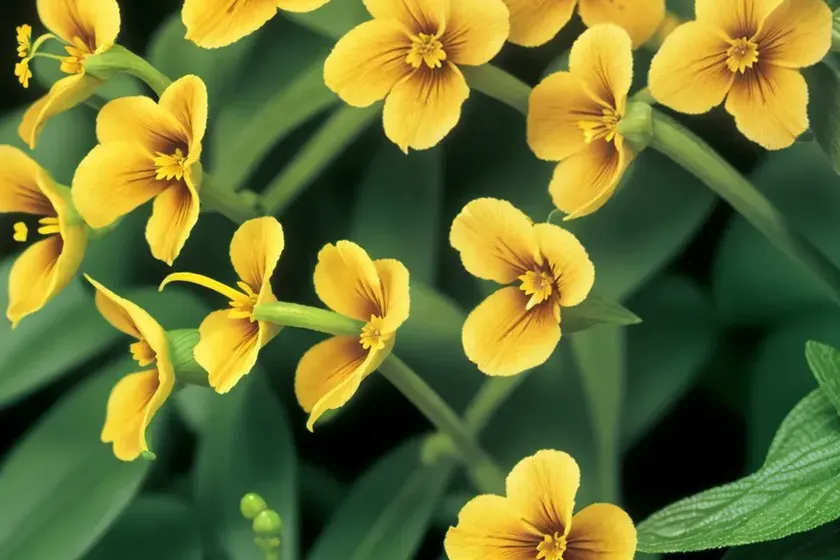
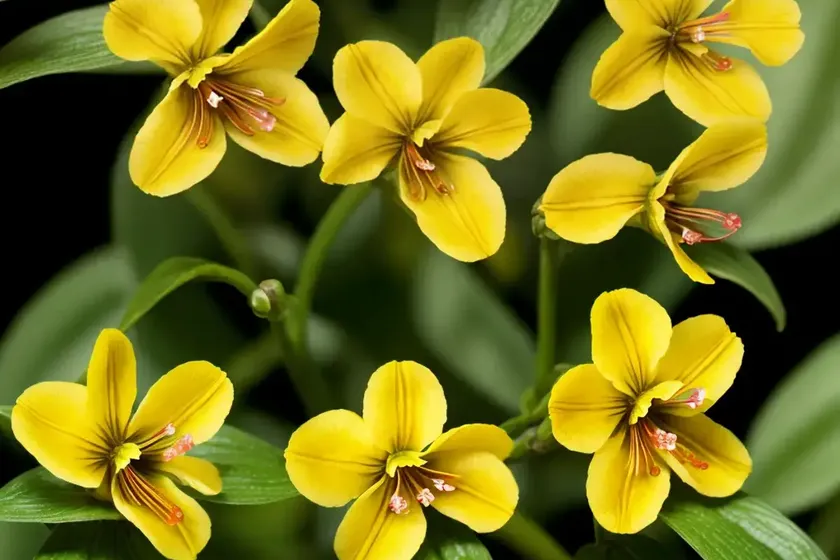
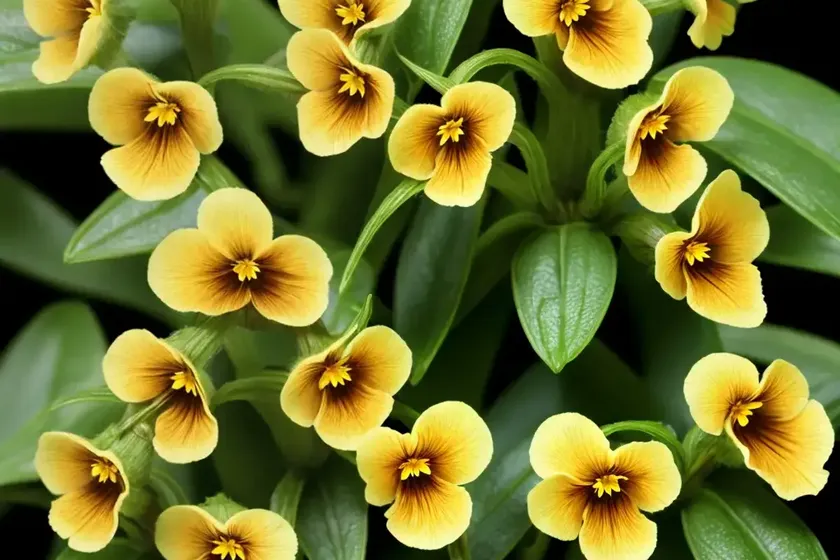
In the world of botany, there are innumerable plant species that have captivated the attention of scientists, gardeners, and nature enthusiasts. One such captivating plant is the Allegheny monkey-flower, scientifically known as Mimulus ringens. This remarkable plant is not only visually stunning but also holds cultural, ecological, and medicinal significance. This comprehensive guide aims to provide plant enthusiasts, gardeners, and botanists insight into the various aspects of growing, caring, and appreciating the Allegheny monkey-flower.
What is the Allegheny Monkey-Flower (Mimulus ringens)?
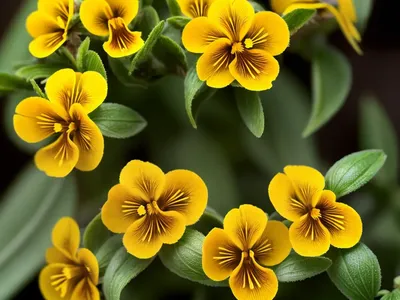
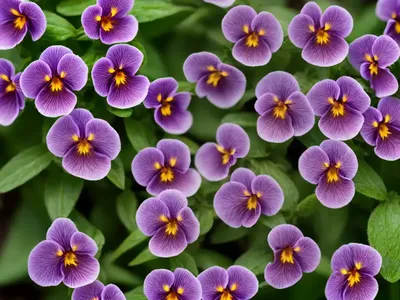
The Allegheny monkey-flower (Mimulus ringens) is a beautiful flowering plant native to North America. It belongs to the family Phrymaceae and is commonly found in wet habitats such as marshes, stream banks, and wet meadows. The plant’s genus, Mimulus, includes several species, but the ringens variety, also known as Allegheny monkey-flower, is renowned for its striking blue to violet flowers with intricate patterns.
Key Takeaways – Allegheny Monkey-Flower (Mimulus ringens)
Before delving into the detailed care guide and characteristics of the Allegheny monkey-flower, it’s essential to grasp key takeaways about this captivating plant:
- Plant Name: Allegheny Monkey-Flower (Mimulus ringens)
- Habitat: Naturally found in wet habitats including marshes, stream banks, and wet meadows.
- Flowering Season: The Mimulus ringens typically blooms in the summer, delighting observers with its brilliant blue to violet flowers.
- Significance: Not only is the Allegheny monkey-flower visually appealing, it also holds cultural, ecological, and potential medicinal significance.
Now, let’s delve deeper into the various aspects of caring for and nurturing this enchanting plant species.
Culture
Understanding the culture and preferred environment for the Allegheny monkey-flower is vital for ensuring its optimal growth and development. From sunlight needs to soil preferences, this section explores the essential cultural requirements of Mimulus ringens.
Sunlight
The Allegheny monkey-flower thrives in partial shade to full sun conditions. While it can tolerate moderate shade, providing ample sunlight is crucial for robust flowering and overall plant health. In regions with intense summer heat, partial shade might be preferred to prevent scorching of the delicate foliage and flowers.
Water
As a plant native to wet habitats, the Mimulus ringens has a high affinity for moisture. Consistent soil moisture is essential for its growth and flowering. For gardeners cultivating this species, ensuring adequate watering, especially during dry periods, is crucial for its overall health and vigor. However, it’s important to avoid waterlogging, as excessive moisture can lead to root rot and other detrimental conditions.
Soil
The Allegheny monkey-flower favors moist, rich, well-draining soils. It thrives in loamy or sandy soils with good organic content. Additionally, a slightly acidic to neutral pH level (around 6.5) is preferred for optimal growth. When cultivating this species, incorporating organic matter into the soil can promote a healthy environment for the plant’s roots and overall development.
Uses
The Allegheny monkey-flower holds various potential uses, ranging from its ecological significance to possible medicinal applications. Exploring the different uses of Mimulus ringens sheds light on its diverse contributions beyond its aesthetic allure.
Ecological Significance
In its natural habitat, the Allegheny monkey-flower plays a vital role in supporting diverse wetland ecosystems. It serves as a nectar source for pollinators and attracts a myriad of beneficial insects, contributing to the overall biodiversity of its surroundings. Additionally, its presence in wetland habitats aids in stabilizing soil and preventing erosion, showcasing its ecological importance.
Medicinal Potential
Beyond its ecological role, the Mimulus ringens has garnered attention for its potential medicinal properties. In traditional herbal medicine, some indigenous communities utilized parts of the plant for various purposes, including treating minor ailments. While further research is needed to validate its medicinal benefits, the plant’s historical uses pique the interest of herbalists and researchers.
Fertilizer
In cultivation settings, providing the Allegheny monkey-flower with balanced fertilization can bolster its growth and flowering. Incorporating a slow-release, balanced fertilizer formulated for flowering plants in the spring can support the plant’s nutrient requirements. It’s essential to adhere to the recommended application rates to avoid fertilizer burn and adverse effects on the plant.
Pruning
Pruning is a crucial aspect of maintaining the health and aesthetic appeal of the Allegheny monkey-flower. While this plant typically maintains a tidy growth habit, occasional pruning can encourage bushier growth and prolong its flowering period. Pruning faded flowers and ensuring proper air circulation around the plant can mitigate the risk of disease and enhance its overall appearance.
Propagation
For plant enthusiasts and gardeners interested in multiplying the presence of the Allegheny monkey-flower in their outdoor spaces, understanding the propagation methods is essential. Mimulus ringens can be propagated through seeds or by division. Seed propagation allows for the cultivation of new plants, while division of mature clumps can rejuvenate existing plantings or lead to new plantings elsewhere.
Seed Propagation
Seeds of the Allegheny monkey-flower can be germinated indoors in early spring, then transplanted outdoors after the threat of frost has passed. Sowing the seeds in a well-draining, moist seed-starting mix at a shallow depth is recommended. Providing warmth and consistent moisture can enhance the germination process, enabling the cultivation of new plantlets.
Division
Division involves separating a healthy portion of the plant, including roots and shoots, to establish new individual plants. This method can be employed to rejuvenate overcrowded plantings or expand the presence of the Allegheny monkey-flower in suitable locations. Dividing the plant in early spring before the onset of active growth presents an opportune time for this propagation method.
Container Popularity
Due to its affinity for moist conditions, the Allegheny monkey-flower is well-suited for container gardening in appropriate settings. Its striking blooms and compact growth habit make it a popular choice for accentuating outdoor spaces and patio areas. When cultivating this species in containers, ensuring adequate moisture and selecting a well-draining potting mix are imperative for its well-being.
Common Diseases
While the Allegheny monkey-flower is relatively resilient, it can be susceptible to certain diseases that warrant attention to maintain its vitality. Being aware of common diseases and their diagnosis can aid in implementing preventive measures and timely interventions to safeguard the plant’s health.
Disease Diagnosis
The Allegheny monkey-flower may be prone to fungal diseases such as powdery mildew and rust, especially in conditions of poor air circulation and prolonged leaf wetness. If signs of discoloration, powdery spots, or abnormal growth are evident, prompt diagnosis and targeted treatments can help manage and mitigate the impact of these diseases.
Common Pests
Pests such as aphids and spider mites can occasionally pose a threat to the Allegheny monkey-flower. Regular monitoring of the plant’s foliage for signs of pest infestations can facilitate early intervention, reducing the likelihood of severe damage. Employing natural predators, such as ladybugs, and using horticultural oils can help manage pest populations while minimizing the use of chemical controls.
Botanist’s Tips
Whether you’re a seasoned botanist or an enthusiast with a burgeoning interest in plant species, incorporating insightful tips can enrich the cultivation and appreciation of the Allegheny monkey-flower. Here are some noteworthy tips from botanists to enhance your experience with Mimulus ringens:
- Ample Moisture: Ensuring consistent soil moisture is essential for the well-being of the Allegheny monkey-flower, especially when cultivated in garden settings.
- Adequate Air Circulation: Promoting good air circulation around the plant can mitigate the risk of fungal diseases and enhance its overall vigor.
- Sunlight Considerations: While the plant can tolerate partial shade, providing adequate sunlight can optimize its flowering performance, especially in regions with milder summers.
- Pruning Practices: Regular deadheading and light pruning can support the longevity of the plant’s blooms and promote a tidy growth habit.
Fun Facts
Exploring the fascinating aspects and quirks of the Allegheny monkey-flower can deepen one’s appreciation for this distinctive plant species. Here are some intriguing fun facts about Mimulus ringens:
- The common name “monkey-flower” is attributed to the resemblance of the flower’s shape to that of a monkey’s face.
- The striking blue to violet flowers of the Allegheny monkey-flower make it a captivating addition to wetland gardens and naturalistic landscapes.
- In addition to its visual allure, the plant’s potential ecological contributions, such as supporting pollinators, add to its significance in native habitats.
Links to External Resources
For further exploration and in-depth insights into the Allegheny monkey-flower, the following resources provide valuable information and guidance on various aspects of Mimulus ringens:
- The American Society of Plant Biologists
- The New York Botanical Garden
- University of California Botanical Garden
In conclusion, the Allegheny monkey-flower (Mimulus ringens) holds a special place in the realm of native plant species, offering not only aesthetic allure but also potential ecological and cultural significance. By understanding its cultural needs, propagation methods, and potential uses, plant enthusiasts and gardeners can cultivate and appreciate this remarkable species in diverse outdoor settings.