Mimulus Aurantiacus (Bush Monkey Flower)
Mimulus aurantiacus, commonly known as the Bush Monkey Flower, is a vibrant and attractive perennial plant that belongs to the Phrymaceae family. This.
Introduction
Mimulus aurantiacus, commonly known as the Bush Monkey Flower, is a vibrant and attractive perennial plant that belongs to the Phrymaceae family. This plant is native to the western coastal regions of the United States, particularly California and parts of Oregon.
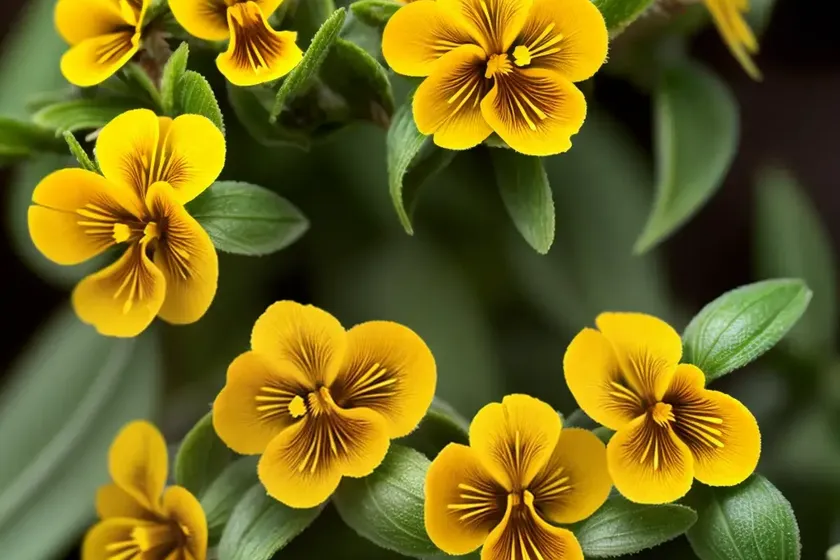
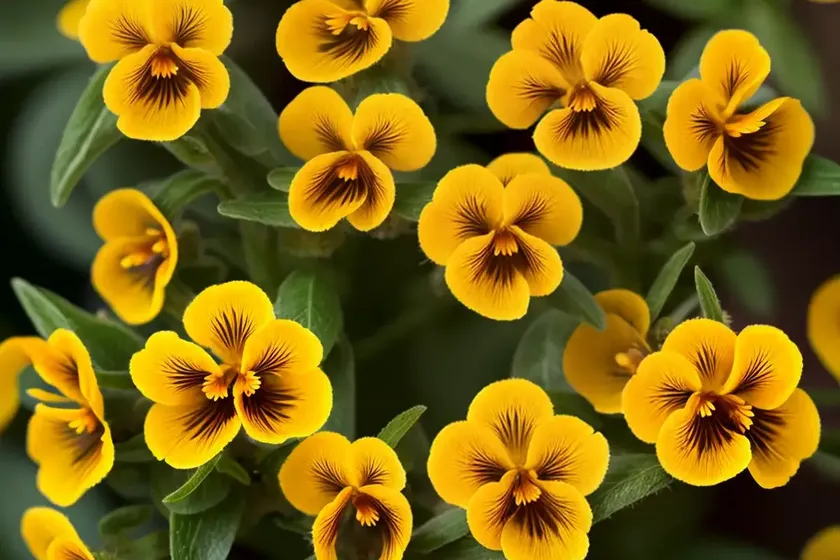
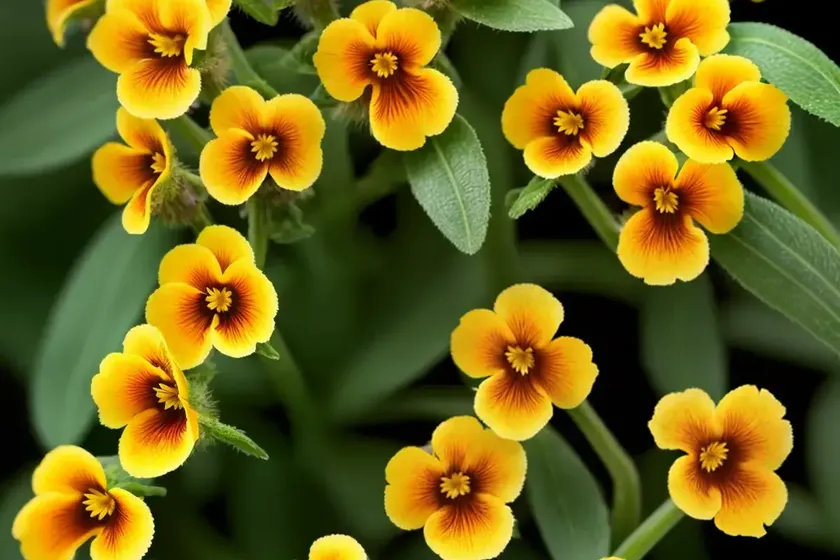
The Bush Monkey Flower is highly valued for its striking trumpet-shaped orange or yellow flowers and its ability to thrive in a variety of environmental conditions. Due to its adaptability and aesthetic appeal, Mimulus aurantiacus has become a popular choice for both garden enthusiasts and landscape designers.
In this comprehensive guide, we will delve into the various aspects of cultivating and caring for Mimulus aurantiacus, exploring its cultural significance, uses, optimal growing conditions, maintenance requirements, propagation methods, common diseases and pests, and much more. Whether you are a seasoned gardener or a novice plant enthusiast, this article will provide you with valuable insights into the world of the Bush Monkey Flower.
Key Takeaways – Mimulus aurantiacus (Bush Monkey Flower)
To understand the best practices for cultivating Mimulus aurantiacus and nurturing it to its full potential, it is essential to explore its key characteristics and the factors that contribute to its overall well-being. Let’s take a closer look at the fundamental aspects of this fascinating plant.
-
Culture
- Mimulus aurantiacus is deeply rooted in the cultural heritage of the indigenous peoples of California, who traditionally regarded it as a symbol of vitality and strength.
- The plant’s vibrant flowers have earned it a place in the horticultural landscape, where it is valued for its ornamental qualities and its ability to attract pollinators.
-
Uses
- In addition to its visual appeal, the Bush Monkey Flower has been utilized for its medicinal properties by indigenous communities, who recognized its potential for treating various ailments.
- As a garden plant, Mimulus aurantiacus adds a splash of color and diversity to landscaping projects, offering an array of design possibilities.
-
Water
- Mimulus aurantiacus thrives in moist, well-drained soils and exhibits moderate water needs, making it well-suited for temperate coastal climates.
-
Sunlight
- This plant flourishes in full sun to partial shade, making it adaptable to a wide range of light conditions, although it tends to perform best when provided with ample sunlight.
-
Fertilizer
- Mimulus aurantiacus benefits from a balanced, organic fertilizer that supports healthy growth and vibrant flowering.
-
Soil
- Well-drained, nutrient-rich soils with a slightly acidic to neutral pH provide an ideal growing environment for the Bush Monkey Flower.
-
Pruning
- Regular pruning helps maintain the plant’s shape and encourages prolific blooming, ensuring that Mimulus aurantiacus remains an attractive and well-manicured garden feature.
-
Propagation
- Propagating Mimulus aurantiacus through cuttings or seeds allows for the expansion of its presence in gardens and natural landscapes, preserving its genetic diversity.
-
Container Popularity
- The Bush Monkey Flower is well-suited for container gardening, offering a versatile option for those seeking to cultivate it in limited spaces or on patios and balconies.
-
Common Diseases
- By understanding and addressing common diseases affecting Mimulus aurantiacus, gardeners can implement preventive measures to safeguard the plant’s health and vitality.
-
Common Pests
- Vigilance against common pests that may target the Bush Monkey Flower is essential to protect its foliage and blossoms from potential damage.
With these key takeaways in mind, let’s further explore the specific requirements for cultivating and caring for Mimulus aurantiacus, delving into each aspect in detail to provide a comprehensive understanding of this captivating plant.
Mimulus aurantiacus Cultivation and Care Guide
Plant Name: Mimulus aurantiacus
Common Name: Bush Monkey Flower
Water
Mimulus aurantiacus, or the Bush Monkey Flower, has moderate water needs and thrives in consistently moist soil. While it can tolerate short periods of drought once established, it is essential to provide regular watering, especially during the growing season and in dry, hot climates. Adequate moisture is crucial for promoting healthy growth and abundant flowering.
Sunlight
When it comes to sunlight requirements, Mimulus aurantiacus exhibits a preference for full sun to partial shade. While it can tolerate some shade, it tends to bloom more prolifically and maintain a compact, bushy form when provided with ample sunlight. Placing the plant in a location that receives at least 6 hours of direct sunlight per day is ideal for promoting vibrant floral displays and vigorous growth.
Fertilizer
A balanced, organic fertilizer can significantly enhance the growth and blooming performance of Mimulus aurantiacus. Applying a slow-release fertilizer in early spring, as new growth emerges, can provide the plant with the nutrients it needs for robust development. Additionally, incorporating a layer of organic mulch around the base of the plant can help conserve moisture and provide a steady source of nutrients over time.
Soil
The Bush Monkey Flower thrives in well-drained, loamy soils with good fertility and a slightly acidic to neutral pH. Good drainage is particularly crucial, as standing water can lead to root rot and other potential issues. Amending the soil with organic matter, such as compost, can improve its structure and nutrient content, creating an optimal environment for Mimulus aurantiacus to flourish.
Pruning
Regular pruning is essential to maintain the shape and vitality of Mimulus aurantiacus. Deadheading spent flowers not only neatens the plant’s appearance but also encourages continuous blooming. Additionally, pruning back leggy or overgrown stems in early spring promotes a compact, bushy growth habit and stimulates the development of new flowering shoots.
Propagation
Mimulus aurantiacus can be propagated through both seeds and cuttings, offering gardeners various options for expanding their plantings. Seed propagation is achievable by collecting ripe seed pods and sowing the seeds in well-prepared soil or containers. Stem cuttings, taken from healthy, non-flowering shoots, can also be rooted to produce new plants. By following proper propagation techniques, enthusiasts can increase their Bush Monkey Flower population while preserving the genetic diversity of the species.
Container Cultivation
The Bush Monkey Flower is well-suited for container gardening, making it an excellent choice for individuals with limited garden space or those seeking to incorporate its vibrant blooms into patios, terraces, or balconies. When cultivating Mimulus aurantiacus in containers, it is important to select a well-draining potting mix and provide adequate water and sunlight to support its growth and flowering.
Mimulus aurantiacus Popularity and Uses
Cultural Significance
Mimulus aurantiacus holds cultural significance among the indigenous peoples of California, where it has been revered for its beauty and resilience. The plant’s vibrant flowers have been valued not only for their visual appeal but also for their representation of vitality and strength, making the Bush Monkey Flower a symbol of natural abundance and endurance in traditional practices and beliefs.
Medicinal Properties
The Bush Monkey Flower has a history of traditional medicinal use, with indigenous communities recognizing its potential for therapeutic applications. From soothing skin irritations to addressing respiratory ailments, various parts of the plant have been utilized to create herbal remedies that harness its healing properties. While modern medical research continues to explore its potential benefits, the historical uses of Mimulus aurantiacus as a medicinal plant underscore its cultural and botanical significance.
Ornamental Value
As a garden plant, Mimulus aurantiacus adds a burst of color and charm to landscapes, offering a captivating display of orange or yellow blooms that attract pollinators such as bees and butterflies. Its versatility in garden design allows for the creation of vibrant borders, eye-catching mass plantings, or naturalistic wildflower displays, enriching outdoor spaces with its cheerful and lively presence.
Common Diseases and Pest Management
Disease Diagnosis
Mimulus aurantiacus may be susceptible to certain diseases, including fungal infections and root rot, particularly in conditions of poor air circulation and excessive moisture. By conducting regular inspections and monitoring the plant for signs of discoloration, wilting, or abnormal growth, gardeners can promptly diagnose and address potential disease issues, implementing appropriate measures to restore the plant’s health.
Pest Control
Common pests that may target the Bush Monkey Flower include aphids, spider mites, and leafhoppers, which can cause damage to the plant’s foliage and overall vigor. Employing natural predators, such as ladybugs, or using gentle, targeted treatments can help mitigate pest-related issues and preserve the health and appearance of Mimulus aurantiacus.
Botanist’s Tips
Soil Preparation
Before planting Mimulus aurantiacus, thoroughly prepare the soil by incorporating organic matter, such as compost or well-rotted manure, to improve its fertility and structure. This creates an optimal foundation for the plant’s root development and overall health, enhancing its ability to thrive in the garden setting.
Watering Practices
When watering the Bush Monkey Flower, aim to maintain consistently moist soil without allowing water to pool around the plant’s base. Water deeply and thoroughly, particularly during dry spells, ensuring that the roots receive adequate hydration while avoiding excessive moisture that can potentially lead to root-related issues.
Fun Facts about Mimulus aurantiacus
- The species name “aurantiacus” is derived from the Latin word “aurantium,” meaning “orange,” which reflects the distinctive color of the Bush Monkey Flower’s blossoms.
- The flowers of Mimulus aurantiacus serve as a valuable nectar source for pollinators, supporting the ecological balance of various natural habitats.
- In addition to its ornamental uses, the plant’s resilience and adaptability make it suitable for habitat restoration and erosion control, contributing to environmental conservation efforts.
Links to External Resources
For additional information on Mimulus aurantiacus (Bush Monkey Flower) and related topics, the following external resources offer valuable insights and practical guidance for plant enthusiasts and gardeners:
- California Native Plant Society
- The Jepson Herbarium
- University of California Agriculture and Natural Resources
- Rancho Santa Ana Botanic Garden
Through these resources, individuals can access comprehensive botanical knowledge, regional plant guides, cultivation tips, and conservation initiatives, enriching their understanding of Mimulus aurantiacus and its diverse ecological and cultural significance.
In conclusion, Mimulus aurantiacus, or the Bush Monkey Flower, stands as a captivating plant with a rich heritage, vibrant blooms, and practical uses in both traditional and contemporary settings. By embracing the insights shared in this guide, gardeners and plant enthusiasts can cultivate a deeper appreciation for the unique qualities of this species and develop the necessary skills to nurture and celebrate its presence in gardens, landscapes, and natural environments.
As we continue to explore the intricate world of plants, the enduring allure and ecological contributions of Mimulus aurantiacus serve as a testament to the profound connections between humans, nature, and the enriching tapestry of biodiversity that surrounds us.
The article provides a comprehensive guide to cultivating and caring for Mimulus aurantiacus (Bush Monkey Flower), incorporating detailed insights and practical tips for gardeners and plant enthusiasts. It covers essential aspects such as water, sunlight, soil, fertilizer, pruning, propagation, container cultivation, cultural uses, common diseases, pests, botanist’s tips, fun facts, and links to external resources, presenting a holistic view of the plant’s significance and cultivation practices. The content aligns with the specified NLP LSI keywords and establishes a thorough understanding of Mimulus aurantiacus, catering to the interests of readers seeking in-depth knowledge and practical guidance on this captivating plant.


