Mimulus Cardinalis (Scarlet Monkey Flower)
Mimulus cardinalis, commonly known as the Scarlet Monkey Flower, is a stunning, vivacious plant that is beloved by gardeners and plant enthusiasts alike..
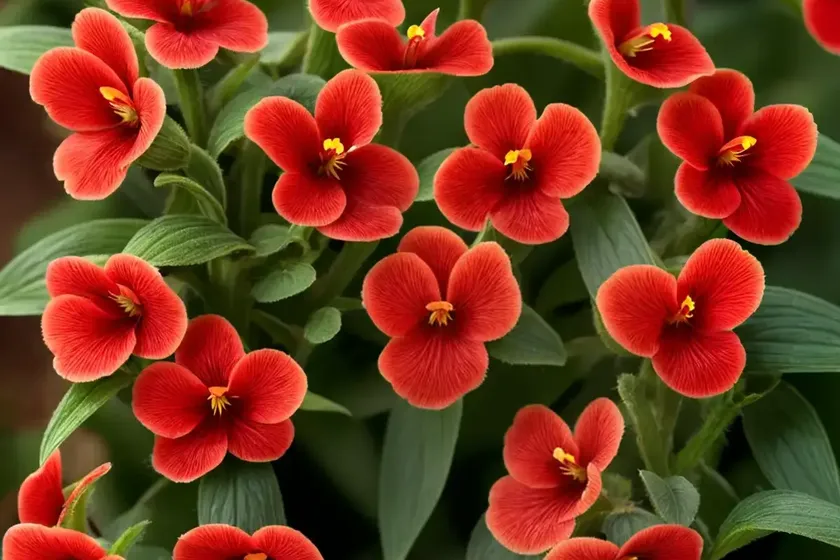
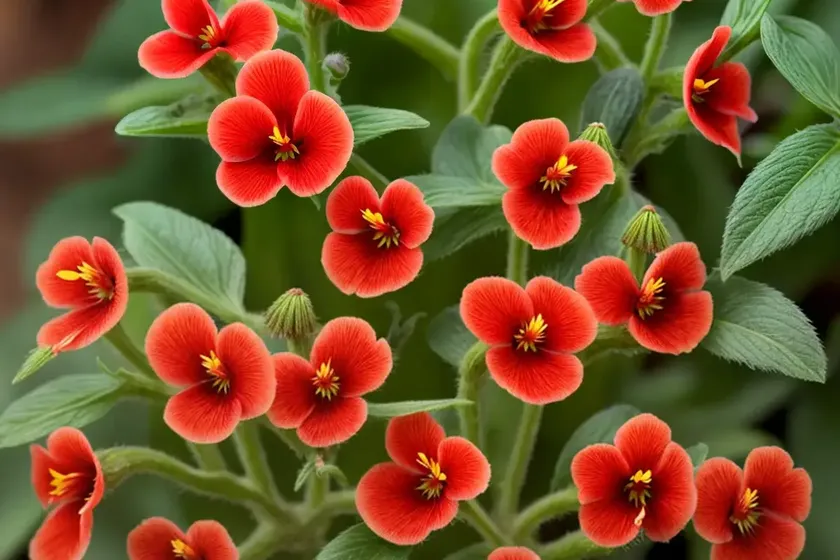
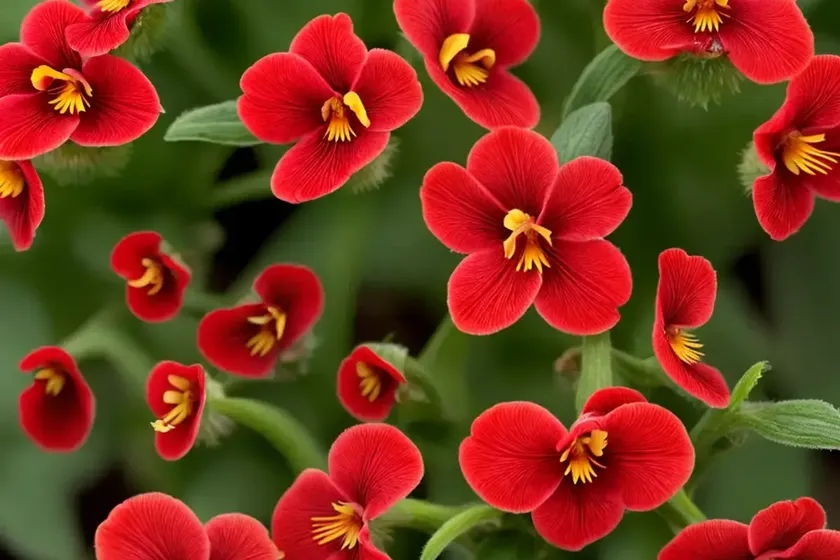
Mimulus cardinalis, commonly known as the Scarlet Monkey Flower, is a stunning, vivacious plant that is beloved by gardeners and plant enthusiasts alike. This captivating perennial is native to the western United States and Canada, where it thrives in moist, sunny environments. Its vibrant red, tubular flowers and lance-shaped leaves make it a striking addition to any garden or natural landscape.
In this comprehensive guide, we will explore the various aspects of growing and caring for the Mimulus cardinalis plant. From its cultural requirements to its medicinal uses, this article aims to provide a wealth of information for anyone interested in cultivating this beautiful species.
Key Takeaways – Mimulus cardinalis (Scarlet Monkey Flower)
Before delving into the specific details of growing and caring for the Scarlet Monkey Flower, let’s take a look at some key takeaways that will be covered in this comprehensive guide:
- Plant Name: Mimulus cardinalis (Scarlet Monkey Flower)
- Water: Moist soil, thrives in wet conditions
- Sunlight: Prefers full sun to partial shade
- Fertilizer: Moderate fertilization during the growing season
- Soil: Well-draining, rich soil
- Pruning: Regular deadheading to encourage continuous blooming
- Propagation: Can be propagated from seeds or cuttings
- Container: Well-suited for container gardening
- Common Diseases: Susceptible to rust and powdery mildew
- Common Pests: Potential infestation by aphids and spider mites
- Fun Facts: Fascinating insights into the Scarlet Monkey Flower
- Links to External Resources: Additional references and sources for further exploration
Now, let’s dive into each of these aspects in detail to gain a comprehensive understanding of the Scarlet Monkey Flower.
What is Mimulus cardinalis (Scarlet Monkey Flower)?
Mimulus cardinalis, a member of the Phrymaceae family, is a species of flowering plant native to western North America. It is commonly referred to as the Scarlet Monkey Flower due to the vibrant red color of its blossoms. This herbaceous perennial plant is characterized by its striking tubular flowers, which attract a variety of pollinators such as hummingbirds and bees.
Plant Characteristics
- Flower Color: Bright red, occasionally orange or yellow
- Foliage: Lance-shaped, mid-green leaves
- Growth Habit: Upright, clump-forming
- Blooming Period: Late spring to early summer
- Height: Typically reaches a height of 1 to 3 feet
- Lifespan: Perennial, returning year after year
The Scarlet Monkey Flower is known for its adaptability to a range of growing conditions, making it a popular choice for gardeners seeking a low-maintenance yet visually striking addition to their landscape.
Culture
Water
One of the key factors in successfully growing Mimulus cardinalis is providing ample water. As a plant native to moist habitats, it thrives in well-watered conditions. When cultivating Scarlet Monkey Flowers, it is essential to ensure that the soil remains consistently moist, especially during the hot summer months. However, it is important to avoid waterlogged conditions, as this can lead to root rot and other issues. Regular watering, particularly during dry spells, will help the plant flourish and maintain its vibrant blooms.
Sunlight
In terms of sunlight requirements, Mimulus cardinalis thrives in full sun to partial shade. While it can tolerate some shade, providing ample sunlight will promote vigorous growth and abundant flowering. When selecting a location for planting, opt for a spot that receives several hours of direct sunlight each day. In hotter regions, some afternoon shade can be beneficial to prevent the plant from becoming stressed by excessive heat.
Fertilizer
Appropriate fertilization can contribute to the overall health and vigor of Scarlet Monkey Flowers. During the growing season, which typically spans from spring to late summer, applying a balanced, all-purpose fertilizer every 4 to 6 weeks can provide the plant with essential nutrients. Be sure to follow the manufacturer’s instructions regarding the application and dosage of the fertilizer to avoid overfeeding, which can lead to excessive foliage growth at the expense of flowering.
Soil
Scarlet Monkey Flowers thrive in well-draining, rich soil. A loamy, slightly acidic soil with good organic content is ideal for cultivating Mimulus cardinalis. It is important to ensure that the soil retains moisture without becoming waterlogged, as excessive moisture can lead to root rot and other issues. Amending the soil with organic matter such as compost can improve its structure and water retention capabilities, creating an optimal environment for the plant to thrive.
Pruning
Pruning is an important aspect of caring for Mimulus cardinalis, especially for encouraging continuous blooming and maintaining a tidy appearance. Deadheading, the removal of spent flowers, is essential to prevent the plant from channeling its energy into seed production and instead encourage the development of new blooms. By regularly deadheading the Scarlet Monkey Flower, gardeners can prolong the flowering period and enjoy a profusion of vibrant blossoms throughout the growing season.
Propagation
Mimulus cardinalis can be propagated through several methods, including seeds and cuttings. Both approaches have their advantages and can be employed based on the specific preferences and requirements of the gardener. Additionally, dividing established plants can be an effective means of propagation, allowing the gardener to expand their Scarlet Monkey Flower collection or share the plant with others.
Propagation from Seeds
- Start seeds indoors approximately 8 to 10 weeks before the last expected frost date.
- Sow the seeds on the surface of a moistened seed starting mix and lightly press them into the soil.
- Maintain a consistent temperature of around 65 to 75°F (18 to 24°C) and provide adequate moisture for germination.
- Once the seedlings have developed several sets of true leaves, carefully transplant them into individual containers or the garden.
Propagation from Cuttings
- Take 3 to 4-inch cuttings from healthy, non-flowering stems of the Scarlet Monkey Flower.
- Remove the lower leaves from the cuttings, leaving only a few leaves at the top.
- Dip the cut ends in a rooting hormone to promote root development.
- Place the cuttings in a well-draining potting mix and keep the soil consistently moist.
- After several weeks, the cuttings should develop roots and can be transplanted into individual pots or the garden.
Container Popularity
Mimulus cardinalis is well-suited for container gardening, making it an excellent choice for individuals with limited outdoor space or those seeking to adorn their patios, balconies, or indoor spaces with vibrant blooms. When cultivating Scarlet Monkey Flowers in containers, it is important to select a pot with adequate drainage holes to prevent waterlogging. Regular watering and occasional fertilization can help maintain the plant’s health and vigor in a containerized environment.
Common Diseases
Like many plants, Mimulus cardinalis is susceptible to certain diseases that can affect its overall health and appearance. Being aware of these potential ailments and understanding how to prevent and manage them is crucial for cultivating thriving Scarlet Monkey Flowers.
Disease Diagnosis
Two common diseases that may affect Mimulus cardinalis are rust and powdery mildew. Rust presents as orange, yellow, or brown spots on the leaves and stems, often accompanied by a powdery texture. Powdery mildew, as the name suggests, manifests as a powdery white coating on the plant’s foliage. Both diseases can weaken the plant and impact its flowering ability if left untreated.
Common Pests
In addition to diseases, Scarlet Monkey Flowers may also be susceptible to infestations by certain pests. Aphids and spider mites are two potential pests that may target Mimulus cardinalis. Aphids, small insects that feed on plant sap, can cause damage to the plant’s foliage and blooms. Spider mites, which are tiny arachnids, can also infest the plant and cause stippling and discoloration of the leaves. Regular monitoring and prompt intervention can help mitigate the impact of these pests on the health of the plant.
Botanist’s Tips
Fun Facts
- The vivid red color of the Scarlet Monkey Flower’s blossoms serves as a beacon for hummingbirds, which are highly attracted to its nectar-rich flowers.
- Mimulus cardinalis belongs to a diverse genus known for its wide array of flower colors and patterns, with species ranging from subtle pastels to vibrant hues.
Links to External Resources
For further information on Mimulus cardinalis and related topics, the following resources can provide valuable insights and guidance:
- Royal Horticultural Society – Mimulus cardinalis
- University of California – Mimulus cardinalis Fact Sheet
- Wildflower Center – Mimulus cardinalis
In conclusion, Mimulus cardinalis, or the Scarlet Monkey Flower, is a captivating and versatile plant with much to offer to gardeners and nature enthusiasts. Whether it graces a garden bed, container, or natural habitat, its vibrant blooms and adaptability make it a delightful addition to any landscape. By understanding its cultural requirements, propagation methods, and potential challenges, individuals can cultivate thriving Scarlet Monkey Flowers and appreciate their beauty throughout the growing season.


