Mimulus Lewisii (Purple Monkey Flower)
Purple Monkey Flower, scientifically known as Mimulus lewisii, is a stunning perennial flowering plant native to North America. With its vibrant purple.
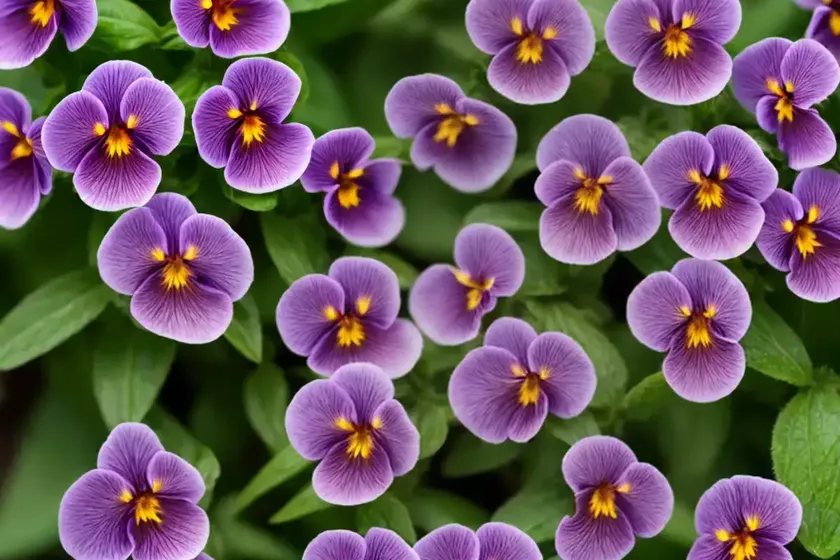
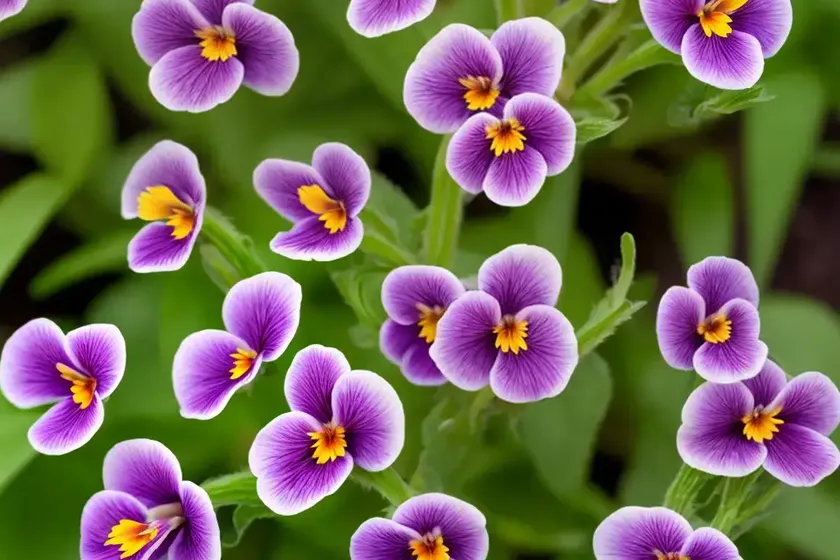
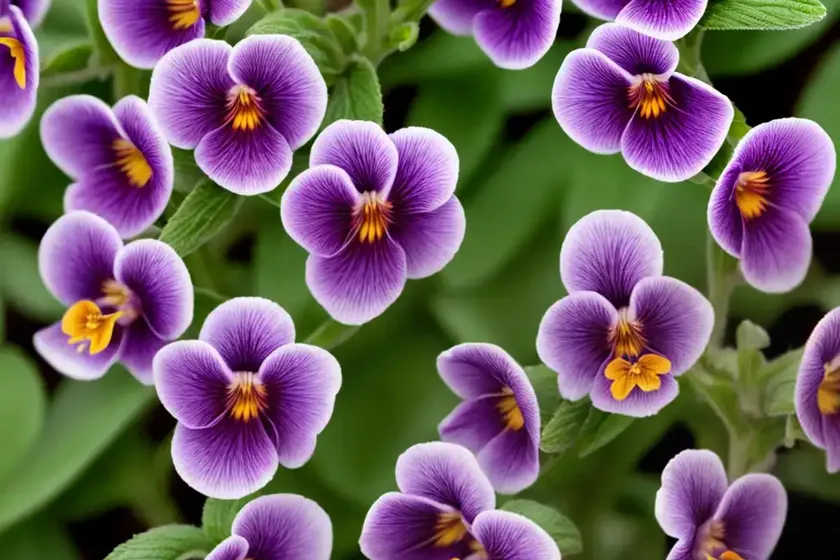
Purple Monkey Flower, scientifically known as Mimulus lewisii, is a stunning perennial flowering plant native to North America. With its vibrant purple blooms and adaptability to various habitats, this plant has become a favorite among gardeners, conservationists, and nature enthusiasts alike. In this comprehensive guide, we will delve into the culture, uses, maintenance, and propagation of the Purple Monkey Flower. We will also explore its significance in biodiversity conservation, ecological gardening, and its role in supporting pollinators and wildlife.
What is Mimulus lewisii (Purple Monkey Flower)?
Mimulus lewisii, commonly referred to as Purple Monkey Flower, Lewis’s monkey flower, or Monkey Flower plant, is a species of flowering plant in the lopseed family, Phrymaceae. It is a herbaceous perennial known for its striking purple blooms and is primarily found in mountainous and wetland habitats, particularly in the Pacific Northwest of North America. As a native plant, Mimulus lewisii holds ecological importance in its natural habitats, where it provides food and habitat for various wildlife, including pollinators such as bees and hummingbirds. Its adaptability to wetland environments and streamside areas makes it a valuable component of riparian ecosystems, contributing to the conservation of freshwater plant species and the preservation of biodiversity.
Key Takeaways – Mimulus lewisii (Purple Monkey Flower)
Before delving into the specific aspects of Purple Monkey Flower, let’s highlight the key takeaways of this remarkable plant:
- Native to North America, particularly the Pacific Northwest
- Herbaceous perennial with vibrant purple blooms
- Thrives in wetland habitats, along creek beds, and in mountainous regions
- Supports pollinators and wildlife, making it a valuable component of ecologically diverse landscapes
- Plays a role in biodiversity conservation and ecological gardening
- Adaptable to various conditions, making it suitable for garden cultivation
- Known for its attraction to hummingbirds and its importance in creating pollinator-friendly gardens
Now, let’s explore the various aspects of Purple Monkey Flower, including its culture, uses, maintenance, and propagation, to gain a deeper understanding of this fascinating plant.
Culture of Mimulus lewisii
Cultivating Purple Monkey Flower involves understanding its specific cultural requirements, including water, sunlight, soil, and fertilizer needs. By providing the right growing conditions, gardeners can ensure the successful growth and abundant flowering of this native plant.
Water
Purple Monkey Flower, being native to wetland habitats and streamside areas, has a high affinity for moisture. When cultivated in garden settings, it is essential to mimic its natural habitat by ensuring consistent moisture levels. Proper watering is crucial, especially during dry spells or in regions with limited rainfall. Mimulus lewisii performs best in moist, well-draining soil, and it is important to avoid waterlogged conditions, which can lead to root rot.
Sunlight
While Purple Monkey Flower thrives in moist environments, it also requires adequate sunlight to support its flowering and overall growth. It is recommended to provide partial to full sunlight, particularly in regions with cooler summers. In warmer climates, providing some shade during the hottest part of the day can help prevent stress on the plant. Understanding the balance between moisture and sunlight is key to ensuring the health and vigor of Mimulus lewisii in garden settings.
Fertilizer
When it comes to fertilization, Purple Monkey Flower generally thrives in nutrient-rich soils. However, it is important to avoid excessive fertilization, especially with high-nitrogen fertilizers, as this can promote lush vegetative growth at the expense of flowering. A balanced, organic fertilizer applied in moderate amounts during the growing season can support healthy foliage and vibrant blooms. It is advisable to conduct a soil test to determine the specific nutrient needs of the plant and adjust the fertilizer application accordingly.
Soil
The ideal soil for Purple Monkey Flower is rich in organic matter and well-draining. Given its preference for moist conditions, a soil mix that retains moisture without becoming waterlogged is advantageous. Incorporating compost or well-rotted organic matter into the soil can improve its structure and water retention capacity, creating an optimal growing medium for Mimulus lewisii. Additionally, maintaining a slightly acidic to neutral pH range is beneficial for the plant’s overall health.
Maintenance of Purple Monkey Flower
Maintaining Mimulus lewisii involves a combination of regular care practices, including pruning, disease prevention, and monitoring for potential pest issues. By staying proactive in the plant’s maintenance, gardeners can ensure its longevity and abundant flowering.
Pruning
Pruning can help promote bushier growth and extend the flowering period of Purple Monkey Flower. After the initial bloom cycle, deadheading the spent flowers can encourage the plant to produce new blooms, thereby prolonging the display of its vibrant purple flowers. Additionally, removing any damaged or diseased foliage can help maintain the plant’s overall health and aesthetics.
Propagation
Purple Monkey Flower can be propagated through various methods, including division, seed propagation, and stem cuttings. Division is a common method for propagating mature plants, wherein the root clumps are carefully separated and replanted to establish new individuals. Seed propagation can be carried out by collecting mature seeds and sowing them in a suitable growing medium. Stem cuttings taken from healthy, established plants can also be successfully rooted to produce new Mimulus lewisii specimens.
Container Popularity
The adaptability of Purple Monkey Flower makes it a popular choice for container gardening. Its striking purple blooms and compact growth habit make it an attractive addition to patio containers, balcony gardens, and mixed planters. When cultivated in containers, it is crucial to ensure adequate moisture retention without waterlogging, as well as providing sufficient sunlight for the plant’s growth and flowering.
Uses of Mimulus lewisii
Beyond its ornamental value, Purple Monkey Flower holds significance in various ecological and gardening contexts. Understanding its uses sheds light on its role in supporting biodiversity, conservation efforts, and the creation of pollinator-friendly landscapes.
Ecological Significance
In its natural habitats, Mimulus lewisii contributes to the ecological balance by providing food and habitat for pollinators, including bees and hummingbirds. Its adaptability to wetland habitats and riparian zones makes it a valuable component of these ecosystems, where it supports the overall biodiversity of the region. Additionally, Purple Monkey Flower plays a role in stabilizing stream banks and preventing erosion, further highlighting its ecological significance.
Gardening and Conservation
In garden settings, Purple Monkey Flower is valued for its colorful blooms, adaptability to various growing conditions, and its attraction to pollinators. It is often featured in wildflower gardens, native plant landscapes, and pollinator-friendly habitats, where it contributes to the overall aesthetic appeal while supporting local wildlife. Moreover, the cultivation of native plants such as Mimulus lewisii plays a crucial role in biodiversity conservation and the preservation of native habitats, particularly in regions where human activities have encroached upon natural landscapes.
Pollinator Support
As a nectar-producing plant, Purple Monkey Flower serves as a valuable food source for pollinators, including bees and hummingbirds. By including this native plant in garden designs, homeowners and landscapers can actively contribute to the creation of pollinator-friendly environments, thereby supporting the health and diversity of local pollinator populations. The role of Mimulus lewisii in attracting and sustaining pollinators underscores its importance in sustainable and ecologically conscious gardening practices.
Common Diseases and Pests
Like all plants, Purple Monkey Flower is susceptible to certain diseases and pest infestations. Recognizing the common issues that affect Mimulus lewisii is essential for timely intervention and effective management. Here are some of the common diseases and pests to watch out for:
Common Diseases
-
Powdery Mildew: This fungal disease presents as a powdery white coating on the leaves and stems of the plant. It thrives in humid environments and can impact the overall vigor of the plant if left unmanaged.
-
Leaf Spot: Leaf spot diseases, caused by various fungi and bacteria, can lead to the development of dark or discolored spots on the foliage. In severe cases, it can result in leaf drop and reduced photosynthetic capacity.
-
Root Rot: Overly wet conditions or poorly draining soil can predispose Purple Monkey Flower to root rot, which can manifest as yellowing foliage, wilting, and stunted growth.
Disease Diagnosis
Effective disease diagnosis involves careful observation of the plant’s symptoms, including changes in leaf color, texture, and overall growth. Conducting a thorough inspection of the plant, particularly in areas where symptoms are most prominent, can aid in identifying the specific disease affecting the plant. Additionally, consulting with local agricultural extension services or plant health experts can provide valuable insights into disease diagnosis and management strategies specific to the region.
Common Pests
-
Aphids: These small, soft-bodied insects feed on the sap of plants, including Purple Monkey Flower, and can cause stunted growth, distorted leaves, and the development of sooty mold on the foliage.
-
Spider Mites: Spider mites are common pests that may infest Purple Monkey Flower, particularly in dry or hot conditions. They can cause stippling on the leaves and webbing on the plant, impacting its overall health and vigor.
-
Slugs and Snails: These mollusks feed on the foliage and tender shoots of Mimulus lewisii, often causing significant damage if not managed promptly.
Pest Management
Integrated pest management (IPM) practices can be employed to effectively manage common pests affecting Purple Monkey Flower. This approach emphasizes cultural, biological, and, if necessary, targeted chemical control measures to minimize pest populations while ensuring the overall health and balance of the ecosystem. Encouraging natural predators of pests, such as ladybugs and lacewings, can also aid in maintaining pest populations at manageable levels.
Botanist’s Tips for Growing Purple Monkey Flower
To ensure the successful cultivation and maintenance of Purple Monkey Flower, here are some key tips from botanists and horticultural experts:
- Provide Adequate Moisture: Mimulus lewisii thrives in moist conditions, so maintaining consistent soil moisture is crucial for its health and abundant flowering.
- Monitor for Disease and Pest Issues: Regularly inspecting the plant for signs of disease or pest infestations can aid in early intervention, preventing the escalation of these issues.
- Promote Pollinator-Friendly Habitats: Incorporating Purple Monkey Flower and other native plants in garden designs can create pollinator-friendly environments that support local wildlife and contribute to ecological balance.
- Balance Sunlight and Moisture: Understanding the optimal balance between sunlight and moisture is key to ensuring the health and vigor of Mimulus lewisii, especially in varied climatic conditions.
Fun Facts about Purple Monkey Flower
As we delve into the world of Mimulus lewisii, let’s uncover some fascinating and intriguing facts about this native plant:
- The genus name “Mimulus” is derived from the Latin word “mimus,” meaning mime or actor, alluding to the appearance of the flower’s ‘monkey face.’
- Purple Monkey Flower is known for its resilience in varying environmental conditions, from wetlands to alpine meadows, showcasing its adaptability.
- In its natural habitats, Purple Monkey Flower plays a role in stabilizing stream banks and preventing erosion, contributing to the overall health of riparian ecosystems.
- Mimulus lewisii’s vibrant purple flowers are a favorite among pollinators such as hummingbirds, adding to its ecological significance.
Links to External Resources
For further exploration of Purple Monkey Flower and its cultural significance, ecological roles, and gardening applications, here are some valuable external resources:
- Lady Bird Johnson Wildflower Center: Mimulus lewisii
- Northwest Native Plant Guide: Purple Monkeyflower
- University of California Berkeley – Jepson Herbarium: Mimulus lewisii
In this comprehensive guide, we have explored the captivating world of Purple Monkey Flower (Mimulus lewisii), delving into its cultural requirements, ecological significance, uses, and management practices. From its vibrant purple blooms to its role in supporting wildlife, Purple Monkey Flower stands as a testament to the resilience and beauty of native plants in North America. Whether in the wild or cultivated in garden settings, this herbaceous perennial continues to inspire and contribute to the rich tapestry of biodiversity conservation and ecological gardening.


