Mimulus Guttatus (Yellow Monkey Flower)
The Yellow Monkey Flower, scientifically known as Mimulus guttatus, is a captivating plant with bright yellow blooms that add cheer to any garden or.
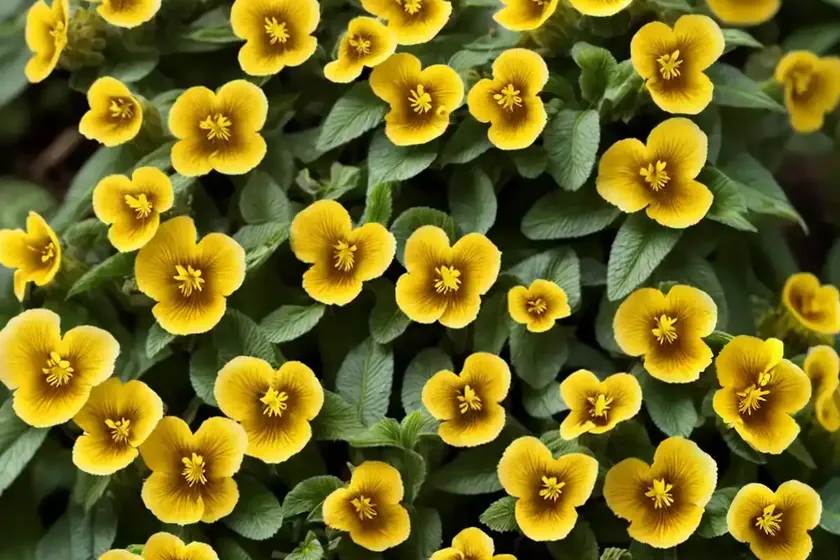
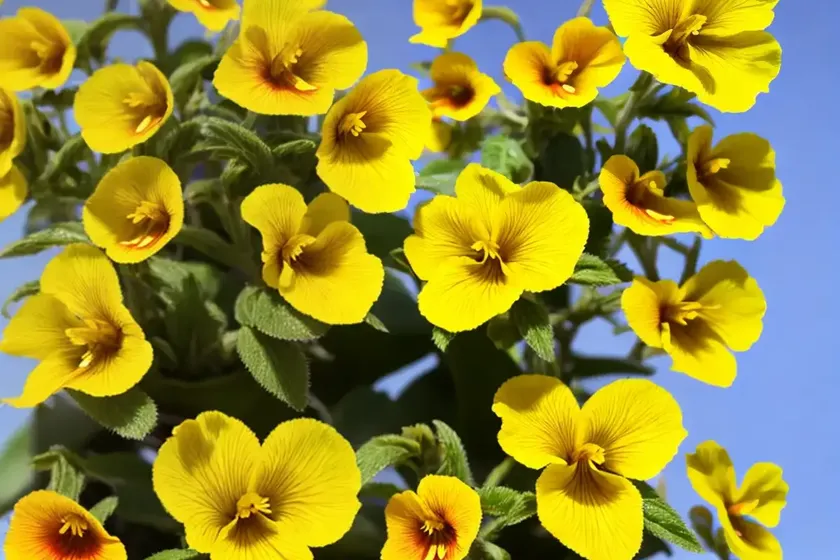
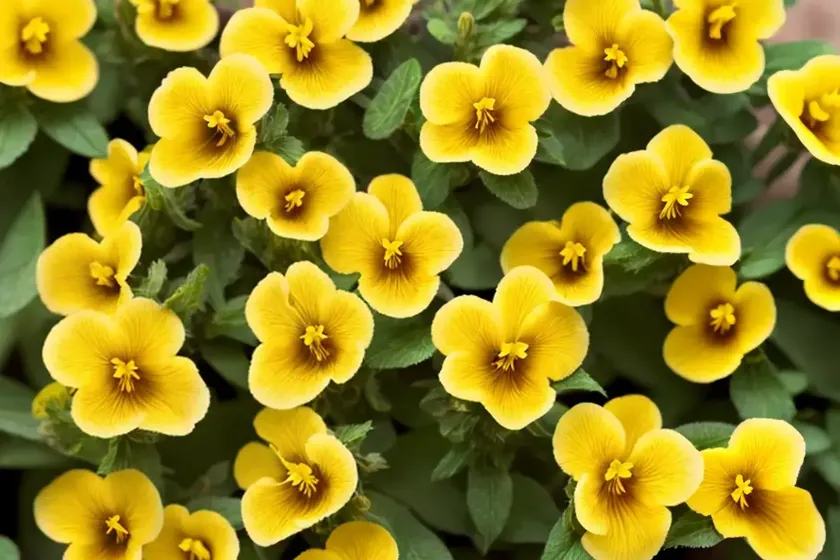
The Yellow Monkey Flower, scientifically known as Mimulus guttatus, is a captivating plant with bright yellow blooms that add cheer to any garden or natural landscape. This versatile species has garnered attention from botanists, gardeners, and nature enthusiasts due to its unique characteristics and wide array of uses. In this comprehensive guide, we will delve into the culture, uses, care, and propagation of Mimulus guttatus, while also exploring its ecological significance and potential impact on landscaping and gardening.
What is Mimulus guttatus?
Mimulus guttatus is a member of the family Phrymaceae and is native to North America, where it thrives in a variety of habitats, including wetlands, riverbanks, and meadows. This herbaceous perennial is recognized for its distinctive trumpet-shaped yellow flowers and is often found near water bodies due to its preference for moist or wet soil conditions.
Key Takeaways – Mimulus guttatus (Yellow Monkey Flower)
- Scientific Name: Mimulus guttatus
- Common Name: Yellow Monkey Flower
- Family: Phrymaceae
- Native to: North America
- Habitat: Wetlands, riverbanks, and meadows
- Characteristics: Trumpet-shaped bright yellow flowers
This vibrant plant has intrigued botanists and horticulturists, leading to extensive research on its cultivation, uses, and ecological role. Let’s explore the multifaceted aspects of the Yellow Monkey Flower, ranging from its cultural significance to its practical applications in gardening and landscaping.
Culture of Mimulus guttatus
The culture of Mimulus guttatus encompasses its traditional uses, symbolic significance, and historical relevance in various communities. Understanding the cultural aspects of this plant provides valuable insights into its broader impact and the role it plays in different contexts.
Uses
Mimulus guttatus has been historically valued by indigenous communities for its medicinal properties and ceremonial significance. The plant was used in traditional herbal remedies and was noted for its potential healing properties. Additionally, the vibrant yellow blooms of the Yellow Monkey Flower have symbolic importance in different cultures, often representing joy, vitality, and positivity.
Water
As a species that naturally thrives in wetland habitats, Mimulus guttatus has a high water requirement. The plant flourishes in moist to wet soil and is well-suited to locations with consistent access to water. When cultivated in gardens or landscapes, it is essential to replicate the plant’s natural water conditions to ensure its healthy growth and vibrant blooms.
Sunlight
Yellow Monkey Flower plants generally prefer partial shade to full sun exposure. This adaptable species can thrive in diverse lighting conditions, making it suitable for a variety of garden settings. However, providing adequate sunlight is crucial for promoting robust growth and prolific flowering.
Fertilizer
When cultivating Mimulus guttatus, a balanced and organic fertilizer can be beneficial to support the plant’s growth and bloom production. A general-purpose fertilizer, applied according to the manufacturer’s instructions, can provide the necessary nutrients for healthy development and vibrant blooms.
Soil
The Yellow Monkey Flower thrives in moist, loamy soils with good drainage. When selecting a planting site, it is important to choose a location with well-draining soil to prevent waterlogging, particularly in areas with high rainfall or irrigation. Incorporating organic matter into the soil can further enhance its texture and moisture retention, creating an optimal growing environment for Mimulus guttatus.
Pruning of Mimulus guttatus
Pruning plays a crucial role in maintaining the health and aesthetics of Mimulus guttatus. Correct pruning techniques promote vigorous growth, enhance flowering, and prevent the plant from becoming overly dense or unruly. The following guidelines will help to effectively manage the pruning needs of the Yellow Monkey Flower:
-
Deadheading: Regular removal of spent blooms encourages continuous flowering and prevents the plant from diverting energy into seed production. Deadheading also maintains the plant’s neat appearance and enhances its overall bloom quality.
-
Thinning: To prevent overcrowding and promote air circulation within the plant, occasional thinning of the foliage may be necessary. This can be achieved by selectively removing older or excess stems to maintain a balanced and healthy growth pattern.
-
Renovation Pruning: In late winter or early spring, consider rejuvenating older or overgrown Mimulus guttatus plants through renovation pruning. This process involves cutting back the foliage and stems to encourage new growth and improve the plant’s overall vigor.
Propagation of Mimulus guttatus
Mimulus guttatus can be propagated through various methods, including seeds, division, and cuttings. Each propagation technique offers unique advantages and can be employed based on the specific requirements and preferences of the gardener or horticulturist. Understanding the different propagation methods enables individuals to expand their Yellow Monkey Flower collection and propagate plants for ornamental or restoration purposes.
Seed Propagation
Seeds are a common and accessible method for propagating Mimulus guttatus. By collecting mature seeds from the plant’s seed pods, gardeners can sow them in a suitable growing medium, providing optimal conditions for germination and seedling development.
Division
Dividing established Mimulus guttatus plants allows for the creation of new individuals from existing clumps. This method involves carefully separating the plant’s root mass into smaller sections, each containing viable roots and stems. The divided segments can then be replanted in appropriate locations to establish new growth.
Cuttings
Using stem cuttings is an effective way to propagate Mimulus guttatus, particularly for individuals seeking to replicate specific plant characteristics or traits. By selecting healthy stems and encouraging root formation in a suitable rooting medium, cuttings can develop into independent plants with genetic continuity to the parent plant.
Container Gardening with Mimulus guttatus
Mimulus guttatus is well-suited for container gardening, offering an opportunity to showcase its vibrant blooms and distinctive foliage in a confined space. When selecting containers for Yellow Monkey Flower cultivation, consider the following factors to ensure a successful and visually appealing container garden:
-
Container Size: Choose a container that provides ample space for the plant’s root system to grow and thrive. A well-sized container prevents root congestion and promotes healthy development.
-
Drainage: Opt for containers with adequate drainage holes to prevent waterlogging and maintain optimal soil moisture levels. Proper drainage is essential for the plant’s overall health and vitality.
-
Growing Medium: Select a high-quality potting mix that offers good drainage and moisture retention. A well-balanced growing medium provides essential nutrients and support for Mimulus guttatus in a container environment.
-
Watering: Container-grown Mimulus guttatus may require more frequent watering, especially during periods of high temperature or low humidity. Monitor the soil moisture and adjust the watering frequency as needed to accommodate the plant’s requirements.
By carefully tending to the unique needs of Mimulus guttatus in a container setting, gardeners can create stunning displays of vibrant yellow blooms and lush foliage, adding a splash of color to patios, balconies, and outdoor living spaces.
Popularity of Mimulus guttatus in Container Gardening
The popularity of Mimulus guttatus in container gardening stems from its striking visual appeal, adaptable nature, and suitability for small-scale cultivation. When grown in containers, the Yellow Monkey Flower serves as a captivating focal point and accentuates the beauty of outdoor spaces. Its vibrant yellow blooms and lush greenery make it a sought-after choice for gardeners and landscaping enthusiasts seeking to add color and vibrancy to their container gardens.
Common Diseases of Mimulus guttatus
Mimulus guttatus, like other plant species, is susceptible to certain diseases that can affect its overall health and vitality. By understanding the common diseases that may afflict the Yellow Monkey Flower, gardeners can implement preventive measures and timely interventions to safeguard their plants. Some of the prevalent diseases of Mimulus guttatus include:
Disease Diagnosis
-
Powdery Mildew: This fungal disease appears as a powdery white coating on the plant’s leaves and stems, compromising its aesthetic appeal and potentially impacting its growth. Preventive measures such as proper air circulation and early detection can help manage powdery mildew.
-
Leaf Spot: Leaf spot diseases manifest as discolored or necrotic areas on the plant’s foliage, often resulting from fungal or bacterial pathogens. Maintaining plant hygiene and avoiding overhead watering can aid in mitigating leaf spot diseases.
-
Root Rot: Excessive soil moisture and poor drainage can lead to root rot in Mimulus guttatus, causing root decay and compromising the plant’s overall vigor. Implementing proper watering practices and ensuring well-draining soil can reduce the risk of root rot.
Common Pests Affecting Mimulus guttatus
In addition to diseases, Mimulus guttatus may encounter various pests that can impact its growth and flowering. Identifying and addressing common pests promptly is essential for preserving the health and vitality of the Yellow Monkey Flower. Some of the common pests affecting Mimulus guttatus include:
-
Aphids: These small, sap-feeding insects can congregate on the plant’s tender shoots and foliage, potentially causing distortion and damage. Natural predators and insecticidal treatments can aid in managing aphid infestations.
-
Slugs and Snails: These voracious herbivores can feed on the leaves and tender growth of Mimulus guttatus, leading to unsightly damage. Implementing barrier methods and organic controls can help deter slugs and snails from feeding on the plant.
-
Spider Mites: Spider mites are tiny arachnids that can infest the foliage of Mimulus guttatus, causing stippling and discoloration. Regular monitoring and horticultural oils can be used to mitigate spider mite populations and prevent extensive damage.
By recognizing the signs of pest infestations and understanding effective pest management strategies, gardeners can protect their Yellow Monkey Flower plants from potential harm and maintain their ornamental value.
Botanist’s Tips for Growing Mimulus guttatus
Botanists and horticulturists offer valuable insights and recommendations for successfully growing and caring for Mimulus guttatus. Incorporating their expert tips can enhance the gardening experience and contribute to the optimal growth and bloom production of the Yellow Monkey Flower. Some of the botanist’s tips for growing Mimulus guttatus include:
-
Provide Ample Water: Mimulus guttatus thrives in moist to wet soil conditions, and regular watering is essential, especially during dry periods or warm weather.
-
Monitor Soil Moisture: Regularly assess the soil moisture levels to ensure that they align with the plant’s requirements, preventing water stress or waterlogged conditions.
-
Promote Air Circulation: Good air circulation around the plant can help deter foliar diseases and maintain overall plant health. Proper spacing and pruning can facilitate adequate airflow.
-
Mulch Application: Applying a layer of organic mulch around the base of the plant can conserve soil moisture, suppress weed growth, and provide insulation for the root system.
-
Regular Inspection: Periodically inspect the plant for signs of pests, diseases, or nutrient deficiencies, enabling early intervention and appropriate corrective measures.
By integrating these expert recommendations into the care and cultivation of Mimulus guttatus, gardeners can optimize the plant’s growing conditions and foster its robust health and floral abundance.
Fun Facts about Mimulus guttatus
Exploring the fascinating aspects of Mimulus guttatus unveils a collection of intriguing and noteworthy facts that showcase the plant’s unique characteristics and ecological significance. These fun facts provide interesting insights into the Yellow Monkey Flower’s attributes and enrich the overall appreciation of this captivating plant:
-
Pollinator Magnet: Mimulus guttatus attracts various pollinators, including bees, butterflies, and hummingbirds, with its nectar-rich blooms, contributing to ecological diversity and beneficial insect interactions.
-
Native Habitat: The natural habitat of Mimulus guttatus spans wetlands, stream banks, and marshy areas, demonstrating the plant’s affinity for moist or aquatic environments.
-
Cultural Significance: The Yellow Monkey Flower has cultural significance in indigenous traditions, where it was utilized for medicinal purposes and ceremonial activities, reflecting its historical importance.
-
Ecological Role: Mimulus guttatus plays a vital ecological role in wetland ecosystems, providing habitat, food, and nectar resources for diverse wildlife and contributing to ecosystem stability.
These fun facts offer a glimpse into the multifaceted nature of Mimulus guttatus and its broader implications in natural habitats, cultural contexts, and ecological dynamics.
Links to External Resources
For further exploration of Mimulus guttatus and related topics, the following external resources provide valuable information, insights, and references:
- Royal Horticultural Society – Mimulus guttatus
- USDA Plants Database – Mimulus guttatus
- Wildflower Center – Mimulus guttatus
- US Forest Service – Mimulus guttatus Fact Sheet
- Backyard Gardener – Yellow Monkey Flower Care Guide
By utilizing these external resources, enthusiasts, researchers, and gardening aficionados can access additional details, scientific perspectives, and practical recommendations for Mimulus guttatus, enriching their understanding and engagement with this captivating plant species.
Conclusion
Mimulus guttatus, or the Yellow Monkey Flower, is a charismatic and versatile plant that captivates enthusiasts with its bright yellow blooms, cultural significance, and ecological contributions. From its native habitats to container gardens, this species enriches landscapes, supports biodiversity, and symbolizes vitality and joy. By delving into its culture, care, and propagation, individuals gain a deeper appreciation for the multifaceted nature of Mimulus guttatus, while also uncovering its potential for enhancing gardens, natural areas, and horticultural practices.
As we continue to explore and celebrate the botanical diversity of Mimulus guttatus, we embrace a deeper connection with nature, a greater understanding of plant ecology, and the enduring allure of the Yellow Monkey Flower.
The information provided in this guide serves as a comprehensive resource for the cultivation and appreciation of Mimulus guttatus, also known as the Yellow Monkey Flower. By encompassing its cultural significance, practical care guidelines, and ecological importance, this guide aims to enrich the knowledge and engagement of enthusiasts, botanists, and gardening aficionados with this vibrant plant species. The inclusion of expert tips, fun facts, and external resources further enhances the depth and breadth of the information presented, offering a holistic perspective on the captivating nature of Mimulus guttatus.


