Alcea Rugosa (Hollyhock)
Alcea rugosa, commonly known as Hollyhock, is a stunning flowering plant that has been cherished in gardens for generations. Its towering spikes of.
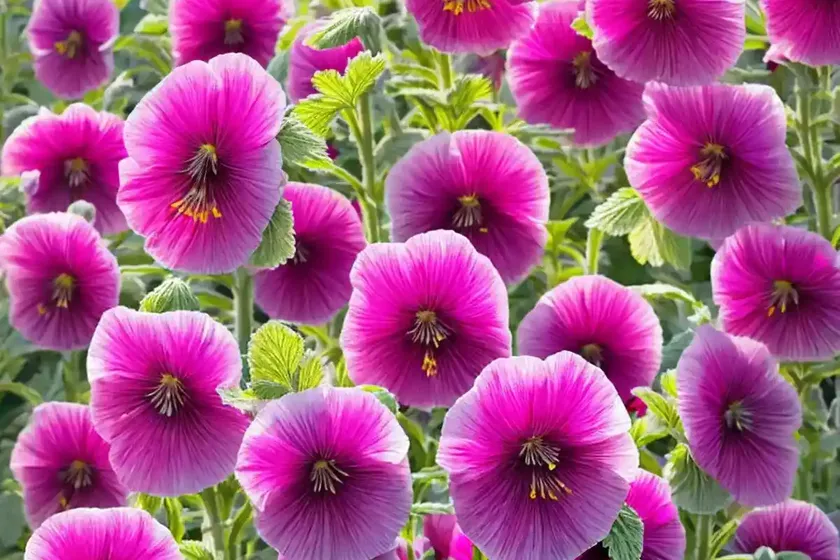
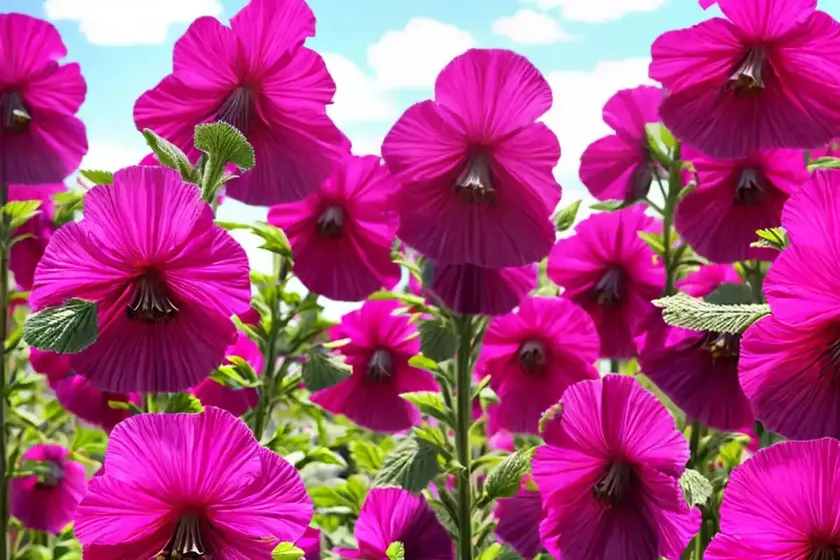
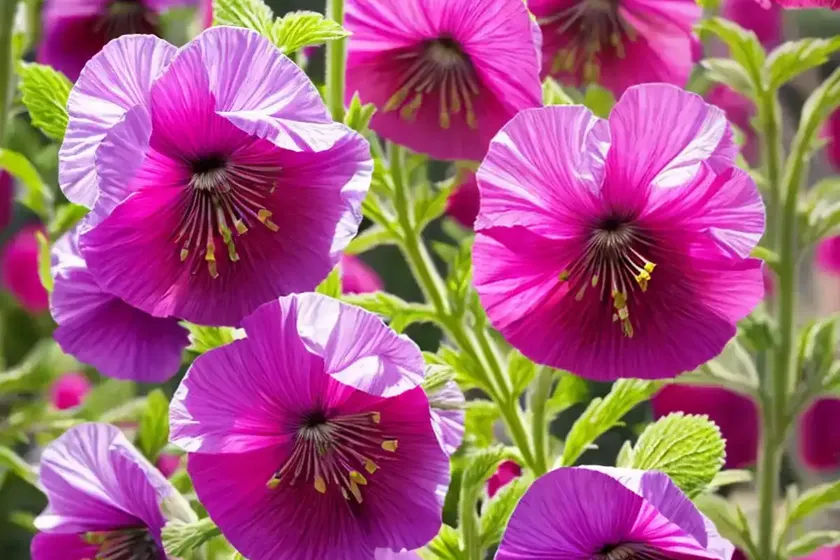
Alcea rugosa, commonly known as Hollyhock, is a stunning flowering plant that has been cherished in gardens for generations. Its towering spikes of colorful blooms add vertical interest and a touch of nostalgia to any garden landscape. In this extensive guide, we will delve into every aspect of this enchanting plant, from its characteristics and cultivation to its uses, care, and maintenance. Whether you are a seasoned gardener or a novice enthusiast, this guide will equip you with the knowledge and skills to cultivate and appreciate Alcea rugosa to its fullest potential.
What is Alcea rugosa (Hollyhock)?
Alcea rugosa, a member of the mallow family (Malvaceae), is a biennial or short-lived perennial plant that is native to the region extending from southern Russia to China. Renowned for its tall spires of vibrant, bowl-shaped flowers, Hollyhock is a beloved addition to cottage gardens, borders, and back-of-the-border plantings. Its botanical name, Alcea, is derived from the Greek word “Alkaia,” signifying a type of mallow. The species epithet, “rugosa,” describes the plant’s wrinkled or rough leaves, adding character to its identity.
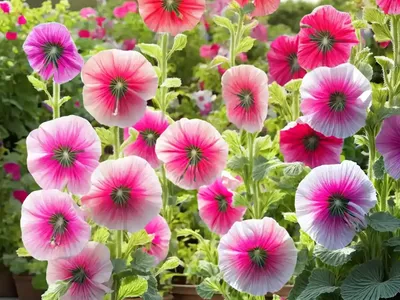
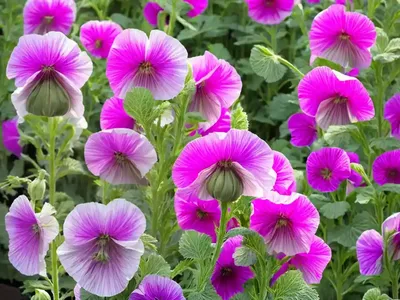
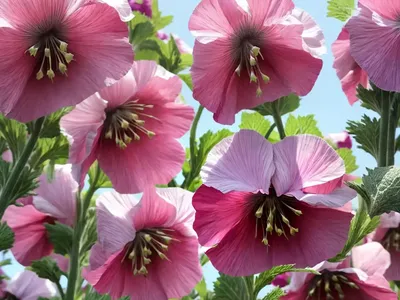
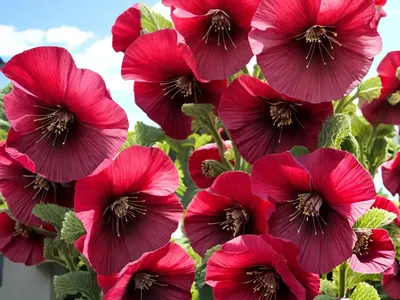
Hollyhocks are available in an array of captivating colors, including but not limited to creamy white, soft pink, vibrant red, sunny yellow, and rich purple. The flowers of Alcea rugosa not only enhance the visual appeal of gardens but also attract a host of beneficial pollinators, making them a valuable addition to wildlife-friendly landscapes.
Key Takeaways – Alcea rugosa (Hollyhock)
Before we delve into the nuances of cultivating and caring for Alcea rugosa, let’s provide a quick overview of the key takeaways encompassing its culture, uses, and essential care requirements.
- Culture
- Hollyhock is a biennial or short-lived perennial plant.
- It belongs to the mallow family (Malvaceae).
- Native to regions from southern Russia to China.
- Uses
- Ideal for cottage gardens and borders.
- Attracts beneficial pollinators.
- Water
- Regular watering, especially during dry spells.
- Sunlight
- Prefers full sun but can tolerate partial shade.
- Fertilizer
- Balanced fertilizer application in spring.
- Soil
- Well-draining, fertile soil with neutral pH.
- Pruning
- Deadheading spent flowers for prolonged blooming.
- Propagation
- Propagated through seeds or division.
- Container
- Suitable for container cultivation.
- Popularity
- Timeless garden favorite with a rich history.
Now, let’s explore each of these aspects in greater detail to develop a comprehensive understanding of Alcea rugosa and its cultivation requirements.
Culture
Understanding the cultural preferences of Alcea rugosa is essential for successfully nurturing and maintaining these charming plants. Whether you intend to grow them in a traditional garden, in containers, or as part of a wildlife-friendly habitat, grasping the cultural essentials is fundamental.
Uses
The versatile uses of Hollyhock extend beyond its decorative appeal. Let’s delve into the myriad of ways in which Alcea rugosa can be utilized and integrated into various garden settings and landscapes.
WaterA crucial aspect of Hollyhock cultivation, understanding the water needs of Alcea rugosa is imperative for promoting healthy growth and abundant flowering.
SunlightThe right balance of sunlight is fundamental to the well-being and blooming potential of Alcea rugosa.
FertilizerNurturing Alcea rugosa with appropriate fertilization encourages robust growth and profuse flowering.
Soil
The soil requirements of Alcea rugosa play a pivotal role in its overall health and performance. Let’s explore the ideal soil conditions for cultivating healthy and flourishing Hollyhocks.
Pruning
Pruning is an essential practice for cultivating vigorous and long-blooming Alcea rugosa plants. Understanding the nuances of pruning aids in maintaining the plants’ neat and appealing appearance.
Propagation
Multiplying Alcea rugosa through proper propagation methods is pivotal for expanding your collection or sharing these striking plants with fellow gardening enthusiasts. Let’s explore the various propagation techniques suitable for Hollyhocks.
Container
Cultivating Alcea rugosa in containers can be a delightful way to incorporate these majestic plants into small gardens, urban landscapes, or as standalone features on patios and balconies. Understanding the intricacies of container gardening for Hollyhocks is essential for their success in these settings.
Popularity
Hollyhocks have enjoyed enduring popularity in gardens and landscapes, captivating generations of gardeners with their vibrant blooms and nostalgic charm. Let’s explore the historical significance and enduring appeal of Alcea rugosa in horticulture.
The allure of Alcea rugosa extends to a variety of settings and uses, making it a cherished addition to gardens, landscapes, and even container plantings. Now, let’s delve into each of the highlighted aspects in greater depth to equip you with the knowledge and insights necessary for cultivating and appreciating Alcea rugosa to its fullest potential.
Alcea rugosa Characteristics
Before diving into the specifics of its cultivation and care, it is essential to understand the fundamental characteristics of Alcea rugosa. From its physical attributes to its blooming season and ornamental features, these aspects collectively contribute to the plant’s appeal and significance in horticulture.
Hollyhock Plant Care
Cultivating Alcea rugosa successfully requires a comprehensive understanding of its care requirements. From water and sunlight to soil and maintenance practices, grasping the nuances of Hollyhock plant care is pivotal for fostering healthy growth and prolific blooming.
Alcea rugosa Growing Tips
Applying the right growing tips is essential for ensuring the robust health and remarkable flowering of Alcea rugosa. Let’s explore some key tips for successfully nurturing these enchanting plants in various garden and landscape settings.
Hollyhock Varieties
Delving into the diverse varieties of Hollyhocks allows for an appreciation of the extensive range of colors, heights, and growth habits available in Alcea rugosa. Let’s explore some captivating Hollyhock varieties that add a touch of splendor to garden landscapes.
Alcea rugosa Propagation Methods
Understanding the various propagation methods suitable for Alcea rugosa is pivotal for expanding your collection or sharing these striking plants with fellow gardening enthusiasts. Let’s explore the different techniques for propagating Hollyhocks.
Hollyhock Flowers
The mesmerizing flowers of Alcea rugosa are central to its allure and significance in horticulture. Grasping the intricacies of Hollyhock flowers enhances one’s appreciation for their ornamental value and ecological significance.
Alcea rugosa Planting Guide
To successfully cultivate Alcea rugosa, it is essential to follow a comprehensive planting guide that outlines the ideal timing, location, and practices for establishing these plants in your garden or landscape setting.
Hollyhock Pests and Diseases
Protecting Alcea rugosa from pests and diseases is crucial for fostering healthy growth and flowering. Understanding the common issues and appropriate remedies is pivotal for maintaining the well-being of Hollyhocks.
Alcea rugosa Pruning Techniques
Pruning is an essential practice for prolonging the blooming period and maintaining the appealing appearance of Alcea rugosa. Mastering the pruning techniques suitable for Hollyhocks is fundamental for their successful cultivation in gardens and landscapes.
Hollyhock Medicinal Properties
Beyond their ornamental value, Hollyhocks possess medicinal properties that have been cherished for centuries. Let’s explore the historical and contemporary uses of Alcea rugosa in traditional and herbal medicine.
Alcea rugosa Soil Requirements
The soil requirements of Alcea rugosa contribute significantly to its overall health and performance. Understanding the ideal soil conditions for cultivating healthy and flourishing Hollyhocks is pivotal for their successful establishment and growth.
Hollyhock Gardening Tips
Incorporating effective gardening tips enhances one’s proficiency in cultivating and maintaining Alcea rugosa. Let’s explore some valuable tips and insights for successfully nurturing Hollyhocks in various garden and landscape settings.
Alcea rugosa Common Issues
Being aware of the common issues that may affect Alcea rugosa is essential for promptly addressing any challenges and fostering the plants’ continued health and vigor. Let’s explore the typical issues that Hollyhocks may encounter and appropriate measures for mitigation.
Hollyhock Companion Plants
Integrating companion plants with Alcea rugosa enriches the overall aesthetics and ecological balance of garden landscapes. Let’s explore some suitable and complementary companion plants that enhance and harmonize with Hollyhocks.
Alcea rugosa Maintenance
Regular maintenance is essential for preserving the health and visual appeal of Alcea rugosa. Understanding the key maintenance practices for Hollyhocks is fundamental for ensuring their long-term vitality and splendor.
Hollyhock Sun Exposure
Alcea rugosa exhibits specific preferences regarding sun exposure, influencing its growth, blooming, and overall performance. Grasping the nuances of its sun exposure requirements is pivotal for cultivating healthy and vibrant Hollyhocks.
Alcea rugosa Water Needs
Understanding the precise water needs of Alcea rugosa is pivotal for promoting healthy growth and profuse flowering. Let’s explore the ideal watering practices for nurturing Hollyhocks in various garden and landscape settings.
Hollyhock Benefits
Beyond their ornamental allure, Hollyhocks offer a range of ecological and aesthetic benefits to garden landscapes. Let’s explore the diverse benefits of cultivating Alcea rugosa in horticultural settings.
Alcea rugosa Wildlife Attraction
The ecological significance of Alcea rugosa in attracting and supporting wildlife adds another layer of value to its cultivation. Let’s explore the role of Hollyhocks as wildlife-friendly plants and their contribution to ecological stewardship.
Hollyhock in Containers
Cultivating Alcea rugosa in containers presents unique opportunities for incorporating these plants in diverse garden settings. Let’s explore the nuances of cultivating Hollyhocks in containers to maximize their visual impact and appeal.
Alcea rugosa Seed Germination
Understanding the process of seed germination in Alcea rugosa is pivotal for propagating these plants and expanding their presence in garden landscapes. Let’s explore the techniques and conditions conducive to successful seed germination for Hollyhocks.
Hollyhock in Landscaping
Integrating Alcea rugosa into landscaping designs adds vertical interest and a touch of nostalgia to outdoor environments. Let’s explore the diverse applications and design considerations for incorporating Hollyhocks into landscape settings.
Alcea rugosa Blooming Season
The blooming season of Alcea rugosa is a captivating spectacle that adds vibrancy and charm to garden landscapes. Understanding the timing and duration of its blooming season provides insights into maximizing the visual impact of Hollyhocks.
Hollyhock Flower Colors
The diverse array of flower colors exhibited by Alcea rugosa enhances its aesthetic appeal and versatility in garden landscapes. Let’s explore the captivating color variations available in Hollyhock flowers and their implications for garden designs.
Alcea rugosa Garden Design
Integrating Alcea rugosa into garden designs contributes to the overall visual appeal and ecological balance of outdoor environments. Let’s explore some innovative and impactful design considerations for incorporating Hollyhocks into garden landscapes.
Hollyhock Height and Spread
The dimensions of Alcea rugosa, including its height and spread, influence its overall presence and suitability in various garden and landscape settings. Understanding these dimensions is pivotal for effectively positioning and integrating Hollyhocks into outdoor environments.
Alcea rugosa Winter Care
Providing appropriate care for Alcea rugosa during winter ensures their survival and vigor for the following growing season. Let’s explore the essential winter care practices for Hollyhocks to ensure their continued health and vitality.
Hollyhock Cutting Flowers
Harvesting and utilizing the cut flowers of Alcea rugosa allows for the enjoyment of their beauty indoors while promoting further blooming outdoors. Let’s explore the best practices for cutting and utilizing Hollyhock flowers in floral arrangements and decorations.
Alcea rugosa Common Names
Alcea rugosa is known by various common names in different regions and cultures. Exploring these names provides insights into the historical and cultural significance of Hollyhocks.
Hollyhock Pollinator-Friendly
The pollinator-friendly nature of Alcea rugosa is essential for supporting ecological balance and biodiversity in garden landscapes. Let’s explore the role of Hollyhocks as pollinator-friendly plants and their contribution to the wellbeing of local ecosystems.
Alcea rugosa Native Habitat
Understanding the native habitat of Alcea rugosa provides insights into its evolutionary adaptations and ecological relationships. Let’s explore the natural range and habitats of Hollyhocks in their native regions.
Hollyhock Fragrance
The captivating fragrance of Alcea rugosa adds another dimension of sensory delight to garden landscapes. Let’s explore the aromatic qualities of Hollyhock flowers and their implications for landscape designs and experiences.
Alcea rugosa Historical Uses
The historical uses of Alcea rugosa span a range of cultural and practical applications, showcasing the plant’s significance beyond its ornamental value. Let’s explore the historical and traditional uses of Hollyhocks in different cultures and contexts.
Hollyhock Folklore
The folklore and symbolic associations attributed to Alcea rugosa offer insights into its cultural and spiritual significance. Let’s explore the various folkloric beliefs and interpretations surrounding Hollyhocks in different traditions and societies.
Alcea rugosa Drought Tolerance
The drought tolerance of Alcea rugosa contributes to its resilience and adaptability in various environmental conditions. Understanding its capacity to withstand dry spells is pivotal for cultivating Hollyhocks in water-sensitive regions and landscapes.
Hollyhock Container Gardening
Cultivating Alcea rugosa in containers presents unique opportunities for incorporating these plants in diverse garden settings. Let’s explore the nuances of container gardening for Hollyhocks to maximize their visual impact and appeal.
Alcea rugosa Ornamental Features
The ornamental features of Alcea rugosa, beyond its blooms, contribute to its overall appeal and suitability for garden landscapes. Let’s explore the diverse ornamental attributes of Hollyhocks and their role in enhancing outdoor environments.
Hollyhock Bee-Friendly
Alcea rugosa’s affinity for bees and other pollinators makes it a valuable asset in promoting healthy ecosystems and biodiversity. Let’s explore the role of Hollyhocks as bee-friendly plants and their contribution to supporting local pollinator populations.
Alcea rugosa Location Preferences
Understanding the location preferences of Alcea rugosa enables gardeners to effectively position and integrate these plants into various outdoor settings. Let’s explore the considerations for situating Hollyhocks to maximize their impact and vitality.
Hollyhock Herbal Remedies
Beyond their ornamental and ecological value, Hollyhocks possess medicinal properties that have been cherished for centuries. Let’s explore the traditional and contemporary herbal remedies associated with Alcea rugosa.
Alcea rugosa Wildlife Garden
Cultivating Alcea rugosa as part of a wildlife garden promotes ecological balance and biodiversity while enhancing the visual appeal of outdoor environments. Let’s explore the role of Hollyhocks in wildlife-friendly gardens and their contribution to supporting local wildlife populations.
Hollyhock Natural Dye
The natural dye derived from Alcea rugosa’s blooms adds an artistic and utilitarian dimension to its cultivation. Let’s explore the process and implications of utilizing Hollyhock flowers as a source of natural dye.
Alcea rugosa Pet-Friendly
The pet-friendly nature of Alcea rugosa is essential for gardeners with furry companions, ensuring that the plants can be cultivated without posing hazards to pets. Let’s explore the considerations for integrating Hollyhocks into pet-friendly garden landscapes.
Hollyhock Landscape Uses
Integrating Alcea rugosa into landscape designs enriches the visual appeal and ecological balance of outdoor environments. Let’s explore the diverse applications and design considerations for incorporating Hollyhocks into garden landscapes.
Alcea rugosa Flower Arrangements
Utilizing the blooms of Alcea rugosa in floral arrangements adds a touch of natural elegance and splendor to indoor spaces. Let’s explore the best practices for creating stunning flower arrangements with Hollyhock blooms.
Hollyhock Edging Plants
Utilizing Alcea rugosa as edging plants enhances the delineation and aesthetics of garden borders and pathways. Let’s explore the considerations for incorporating Hollyhocks into edging designs and their implications for garden landscapes.
Alcea rugosa Privacy Screen
The towering presence and lush foliage of Alcea rugosa make it an exceptional choice for creating privacy screens and visual barriers in outdoor environments. Let’s explore the potential of Hollyhocks as privacy screen plants and their role in landscape design.
Hollyhock Garden Backdrop
The vertical stature and colorful blooms of Alcea rugosa contribute to its suitability as a stunning garden backdrop. Let’s explore the considerations for integrating Hollyhocks into garden settings to create captivating backdrops for other plants and features.
Alcea rugosa Vertical Gardening
Harnessing the vertical growth habit of Alcea rugosa is instrumental for creative and space-efficient gardening solutions. Let’s explore the applications and techniques for incorporating Hollyhocks into vertical gardening designs and structures.
Hollyhock Self-Seeding Tendencies
The self-seeding tendencies of Alcea rugosa provide avenues for naturalizing and expanding its presence in garden landscapes. Let’s explore the implications of Hollyhock’s self-seeding behavior and its role in garden ecology and management.
Conclusion
Alcea rugosa, or Hollyhock, is a captivating plant that embodies charm, elegance, and historical significance. From its arresting flowers to its ecological contributions, Hollyhocks hold a cherished place in gardens, landscapes, and cultural traditions. By delving into its characteristics, cultivation techniques, and ecological roles, we can appreciate and nurture Alcea rugosa to its fullest potential.
Whether you are a seasoned gardener seeking to enhance your floral displays, a landscape designer aiming to incorporate vertical elements, or a nature enthusiast interested in supporting local pollinators and wildlife, Alcea rugosa holds a multitude of possibilities and rewards. By understanding and harnessing the diverse facets of Hollyhocks, we can cultivate vibrant, wildlife-friendly, and visually stunning outdoor environments that resonate with both beauty and ecological harmony.
So, whether you are tending to a cherished cottage garden, a contemporary urban landscape, or a wildlife-friendly habitat, consider the timeless allure and ecological value of Alcea rugosa as an essential addition to your horticultural endeavors. Let the towering spires of Hollyhocks enchant your surroundings and enrich your connection with the natural world.
Now, armed with a comprehensive understanding of Alcea rugosa and its cultivation, it’s time to embark on a journey of integrating Hollyhocks into your garden and landscape designs. Embrace the endless possibilities and delights that come with nurturing and celebrating the captivating beauty of Alcea rugosa.
References
- Royal Horticultural Society. (n.d.). Alcea. https://www.rhs.org.uk/plants/135441/i-alcea-i/Details
- Missouri Botanical Garden. (n.d.). Alcea rugosa. http://www.missouribotanicalgarden.org/PlantFinder/PlantFinderDetails.aspx?taxonid=258719
- The National Gardening Association. (n.d.). How to Grow and Care for Hollyhocks. https://garden.org/plants/group/hollyhocks/
- United States Department of Agriculture. (n.d