Alcea Rosea ‘Henry VIII Red’ (Hollyhock)
Alcea Rosea ‘Henry VIII Red,’ commonly known as Hollyhock, is a charming and vibrant flowering plant that can add a touch of elegance to any garden or.
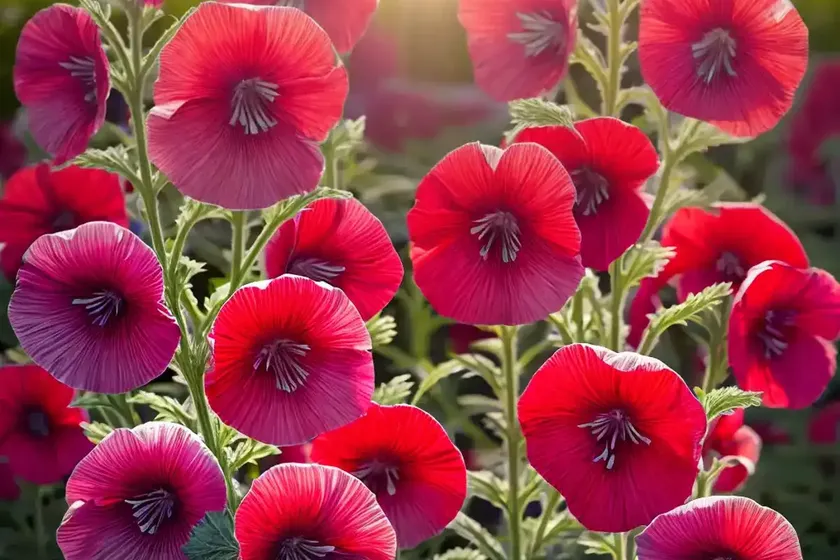
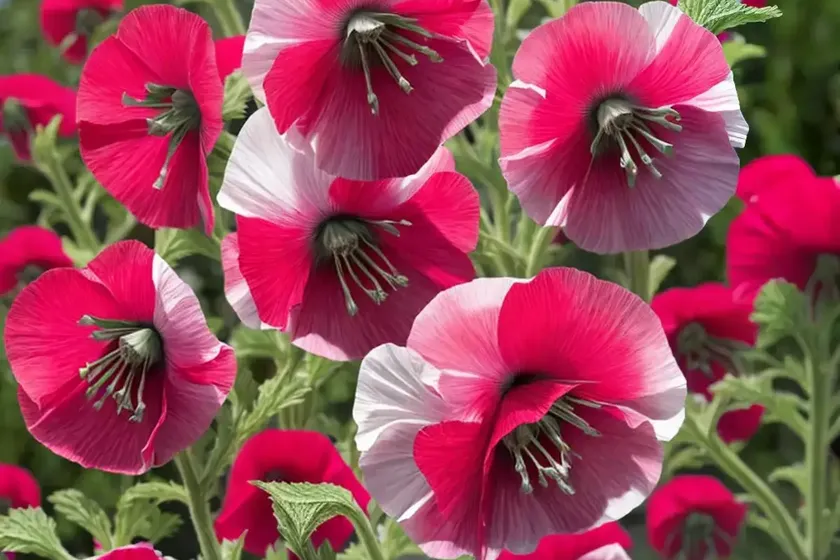
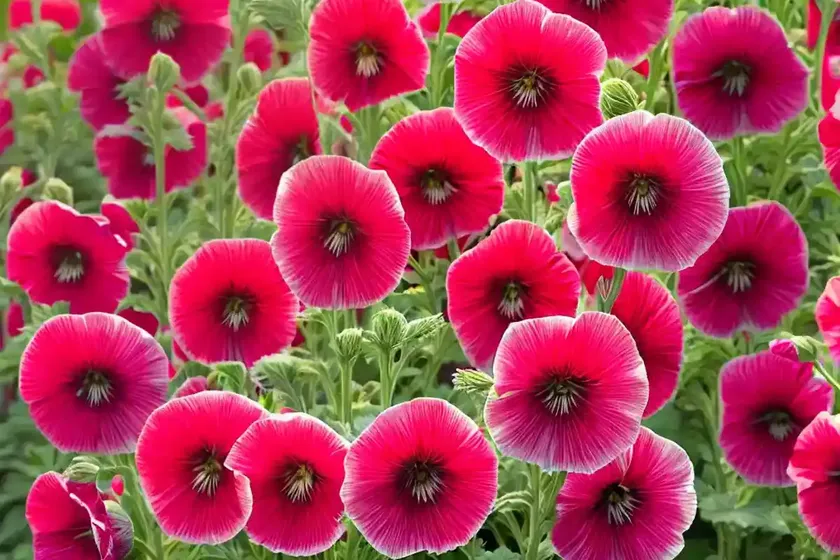
Alcea Rosea ‘Henry VIII Red,’ commonly known as Hollyhock, is a charming and vibrant flowering plant that can add a touch of elegance to any garden or landscape. With its towering spikes of flowers and a distinctive mix of cultural and symbolic significance, this perennial plant is beloved by many gardeners and landscapers. In this comprehensive guide, we will explore the various aspects of caring for Alcea Rosea ‘Henry VIII Red,’ including its cultural uses, water and sunlight needs, soil requirements, propagation, common diseases, and much more. Whether you are an experienced gardener or a novice plant enthusiast, there is something to learn and appreciate about this beautiful and versatile garden plant.
What is Alcea Rosea ‘Henry VIII Red’ (Hollyhock)?
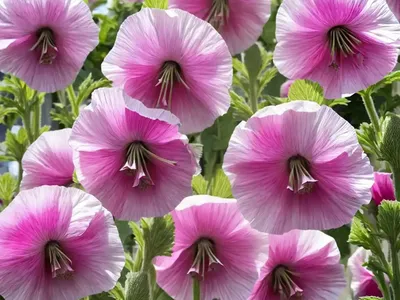
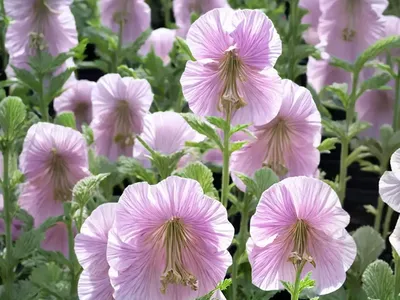
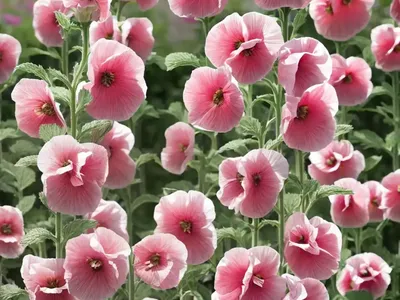
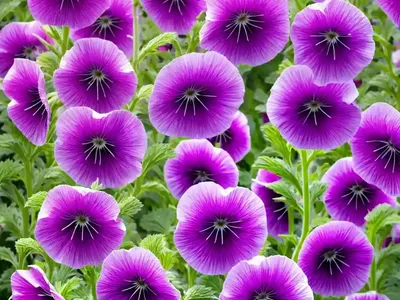
Alcea Rosea ‘Henry VIII Red’ is a cultivar of Alcea Rosea, a species of flowering plant in the mallow family, Malvaceae. Native to Asia and Eastern Europe, Hollyhocks are well-known for their tall spires of brightly colored flowers, which can reach heights of 5 to 8 feet. While the ‘Henry VIII Red’ variety, in particular, is cherished for its rich, deep red blooms, Hollyhocks are available in a range of colors including pink, yellow, white, and even bi-colored varieties.
Hollyhocks have a long history of cultivation and have been cherished in gardens for centuries. Their tall, elegant form makes them a striking focal point in any garden, and their ability to attract pollinators adds to their value in a biodiversity-friendly landscape. The ‘Henry VIII Red’ variety, specifically, has gained popularity for its intense color and captivating presence in the garden.
Key Takeaways – Alcea Rosea ‘Henry VIII Red’ (Hollyhock)
Before delving into the specific care instructions for Alcea Rosea ‘Henry VIII Red,’ it’s essential to understand the key factors that contribute to the successful cultivation of this striking plant. Here are the key takeaways that we will explore in detail:
- Culture
- Uses
- Water
- Sunlight
- Fertilizer
- Soil
- Pruning
- Propagation
- Container Popularity
- Common Diseases
- Disease Diagnosis
- Common Pests
- Botanist’s Tips
- Fun Facts
- Links to External Resources
Let’s now explore each of these aspects in detail to gain a comprehensive understanding of how to care for Alcea Rosea ‘Henry VIII Red.’
Culture
The culture of Alcea Rosea ‘Henry VIII Red’ encompasses its historical significance, traditional uses, and its role in art, literature, and symbolism. Understanding the cultural context of this plant can deepen our appreciation for its unique characteristics and timeless allure.
Historical Significance
Hollyhocks have a rich history, with their cultivation dating back to medieval times. The ‘Henry VIII Red’ variety pays homage to one of the most iconic figures in British history, King Henry VIII. These vibrant flowers evoke images of Tudor gardens and the grandeur of historical landscapes. The historical significance of Hollyhocks adds a touch of nostalgia and elegance to modern gardens, making them cherished by gardeners who appreciate traditional and heritage plants.
Traditional Uses
While Hollyhocks are primarily grown for ornamental purposes today, they have a history of various traditional uses. In the past, the flowers were used to create natural dyes, producing colors ranging from soft pinks to deep reds. Additionally, the petals were sometimes added to teas and herbal remedies for their purported medicinal properties.
Symbolism and Art
Hollyhocks have been the subject of numerous paintings, poems, and other works of art throughout history. With their tall, stately form and vibrant blossoms, they have been celebrated as symbols of ambition, fertility, and the cycle of life. In garden design and landscaping, Hollyhocks are often used to evoke a sense of nostalgia and romanticism, adding a timeless charm to outdoor spaces.
Understanding the cultural significance of Alcea Rosea ‘Henry VIII Red’ can inspire a deeper connection with this plant and its place in horticultural traditions.
Uses
Alcea Rosea ‘Henry VIII Red’ serves various practical and aesthetic purposes in the garden and landscape. Understanding its uses can help gardeners make informed decisions about incorporating this striking plant into their outdoor spaces.
Ornamental Value
The primary use of Alcea Rosea ‘Henry VIII Red’ is for its ornamental value. Whether grown in the borders of a cottage-style garden, as a backdrop in a mixed perennial bed, or as a stand-alone focal point, the tall spires of vibrant red flowers create a dramatic and eye-catching display. As a cut flower, Hollyhocks make stunning arrangements, and their presence in the garden attracts pollinators, adding to the overall biodiversity of the landscape.
Garden Design
From formal to informal garden settings, Hollyhocks offer versatility in designing outdoor spaces. Their height and striking blooms can be used to create visual interest, provide vertical accents, or delineate different areas within a garden. Their association with cottage gardens and historical landscapes makes them especially well-suited for adding a touch of nostalgic charm to modern garden designs.
Wildlife Habitat
The nectar-rich flowers of Alcea Rosea ‘Henry VIII Red’ attract a range of pollinators, including bees, butterflies, and hummingbirds. As such, these plants contribute to the ecological balance of a garden and help support local wildlife. By providing a food source for these important pollinators, Hollyhocks play a role in promoting biodiversity and creating a thriving, sustainable environment.
Understanding the diverse uses of Alcea Rosea ‘Henry VIII Red’ can guide gardeners in leveraging its unique features to enhance the beauty and ecological value of their outdoor spaces.
Water
Understanding the water needs of Alcea Rosea ‘Henry VIII Red’ is essential for maintaining its health and vigor. While Hollyhocks are relatively tolerant of varied moisture levels, providing consistent and appropriate watering is key to ensuring robust growth and abundant flowering.
Watering Requirements
Hollyhocks prefer evenly moist soil, especially during their active growth periods. While they are relatively drought-tolerant once established, consistent moisture is beneficial, particularly during dry spells. It’s important to water the plants deeply, allowing the moisture to reach the root zone. However, it’s equally crucial to prevent waterlogged conditions, as these can lead to root rot and other issues.
Watering Practices
During the growing season, it’s advisable to monitor the soil moisture regularly, particularly during hot and dry weather. Water the plants deeply when the top inch of soil feels dry to the touch. Applying mulch around the base of the plants can help retain soil moisture and reduce the frequency of watering. When watering, it’s best to use a soaker hose or drip irrigation to deliver water directly to the root zone and minimize moisture on the foliage, which can reduce the risk of foliar diseases.
Seasonal Considerations
In the spring, as Hollyhocks emerge from dormancy and begin their active growth, it’s important to provide consistent moisture to support their development. The period of establishment, particularly for newly planted or propagated plants, requires careful attention to watering. During the hot summer months, regular watering becomes crucial to prevent stress and dehydration. In the fall, as the plants prepare for dormancy, gradually reduce watering to allow them to enter a state of rest.
Understanding the specific water needs of Alcea Rosea ‘Henry VIII Red’ throughout the year can help ensure optimal growth and flowering.
Sunlight
Proper exposure to sunlight is critical to the health and flowering of Alcea Rosea ‘Henry VIII Red.’ Understanding its sunlight requirements and providing the appropriate growing conditions can contribute to robust growth and abundant blooms.
Sunlight Needs
Hollyhocks thrive in full sun, requiring at least 6 to 8 hours of direct sunlight daily. Adequate sunlight is essential for promoting strong, sturdy stems and vibrant flower production. Insufficient sunlight can result in leggy growth, reduced flowering, and an overall weakened appearance. Additionally, Hollyhocks grown in partial shade may be more susceptible to diseases and pests due to reduced airflow and increased humidity around the foliage.
Site Selection
When choosing a planting site for Alcea Rosea ‘Henry VIII Red,’ select a location that receives ample sunlight throughout the day. Avoid areas that are shaded by buildings, trees, or other tall structures, as these can limit the amount of sunlight reaching the plants. In regions with intense summer heat, providing some afternoon shade can benefit the plants, particularly during periods of extreme temperatures.
Sunlight and Flowering
The availability of sunlight directly influences the flowering of Hollyhocks. Plants that receive sufficient sunlight produce an abundance of blossoms, creating a stunning visual display. The intensity of the sunlight also contributes to the vibrancy of the flower color, with full sun often enhancing the richness of the red blooms. Providing the appropriate sunlight conditions can maximize the ornamental value of Alcea Rosea ‘Henry VIII Red’ in the garden.
Understanding the sunlight requirements of this plant can guide gardeners in selecting the ideal growing locations and creating optimal conditions for its growth and flowering.