Alcea Rosea ‘Nigra’ (Hollyhock)
Alcea rosea ‘Nigra’, commonly known as Hollyhock, is a stunning flowering plant that has captivated gardeners and horticulturists for centuries. This tall.
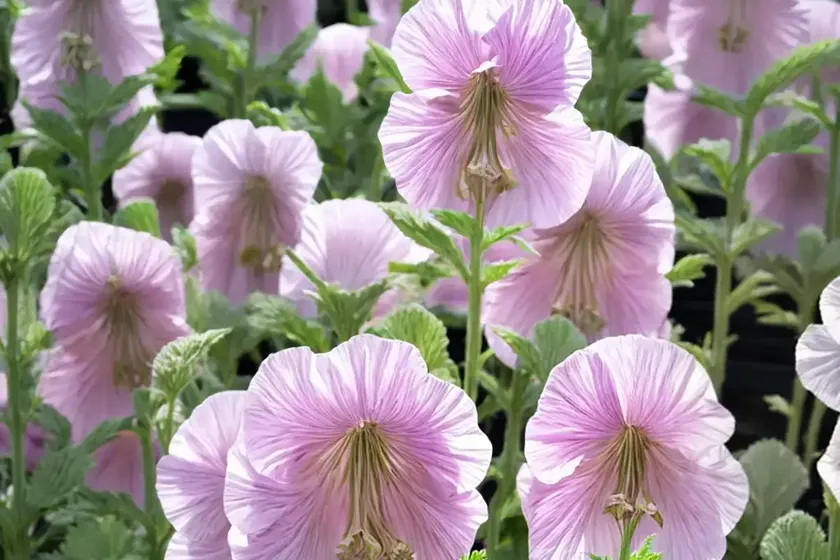
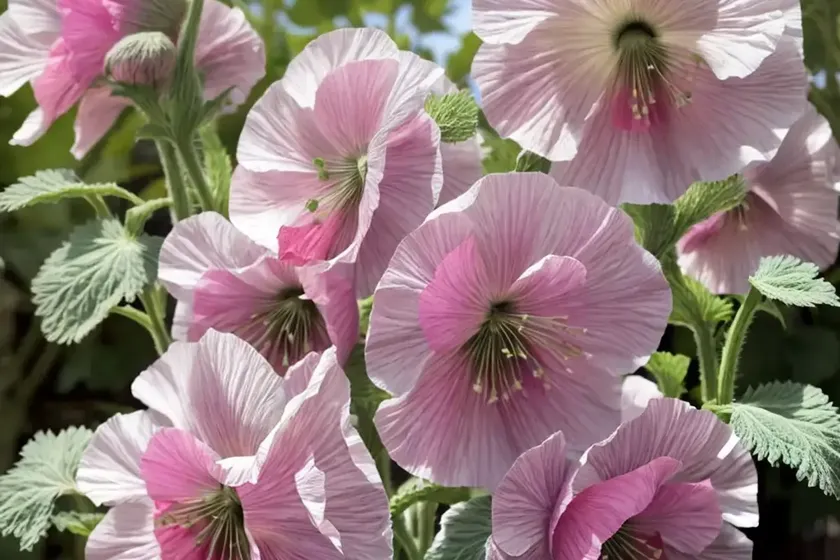
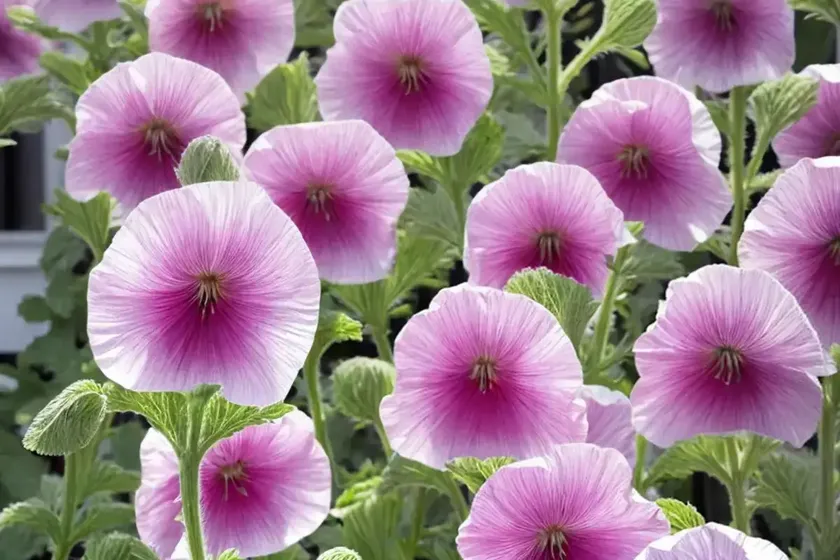
Alcea rosea ‘Nigra’, commonly known as Hollyhock, is a stunning flowering plant that has captivated gardeners and horticulturists for centuries. This tall, showy biennial or short-lived perennial boasts dark, almost black, blossoms that add drama and elegance to any garden or landscape. In this comprehensive guide, we will explore all aspects of this remarkable plant, from its cultural requirements to its uses, care, and maintenance. Whether you are a seasoned gardener or a novice plant enthusiast, this article will help you appreciate and cultivate the beauty of Alcea rosea ‘Nigra’.
What is Alcea rosea ‘Nigra’?
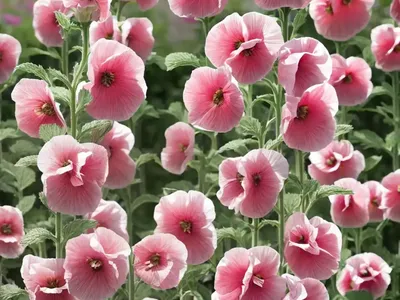
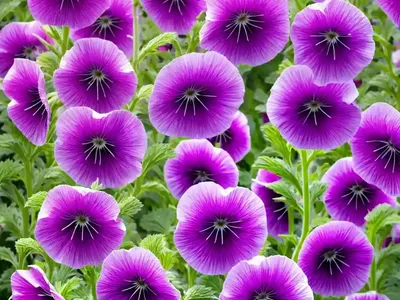
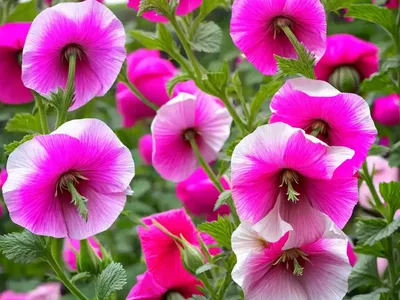
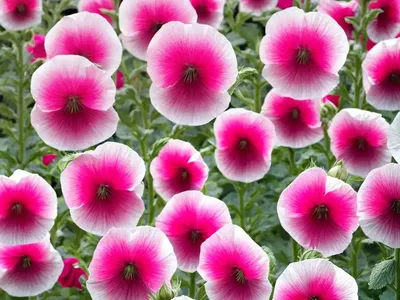
Alcea rosea ‘Nigra’, a variety of Hollyhock, belongs to the Malvaceae family and is renowned for its rich, deep-colored blossoms. This striking plant is characterized by its robust, upright growth habit, towering floral spires, and velvety, dark petals. Its black blossoms set it apart from other hollyhock varieties, making it a sought-after choice for adding visual interest and contrast to gardens and landscapes.
Key Takeaways – Alcea rosea ‘Nigra’
Before delving into the specific aspects of Alcea rosea ‘Nigra’, let’s take a quick look at some key takeaways about this unique plant:
- Common Name: Hollyhock ‘Nigra’
- Botanical Name: Alcea rosea ‘Nigra’
- Variety: Black-flowered hollyhock
- Type: Biennial or short-lived perennial
- Distinct Feature: Dark, almost black, blossoms
- Growth Habit: Tall, upright, and robust
- Landscape Use: Ornamental focal points, back of borders, and cottage gardens
Now that we have an overview of this captivating plant, let’s explore its cultural requirements, uses, and maintenance in more detail.
Culture
Water
Hollyhocks, including the ‘Nigra’ variety, thrive in well-drained, moderately moist soil. Adequate watering is crucial, especially during the plant’s establishment phase and periods of prolonged drought. In hot climates, regular watering is essential to support healthy growth and abundant flowering. However, it’s important to strike a balance and avoid waterlogged conditions, which can lead to root rot and other moisture-related issues.
Sunlight
Alcea rosea ‘Nigra’ thrives in full sun to partial shade. While it can tolerate some shade, providing ample sunlight is ideal for promoting vigorous growth and profuse blooming. When selecting a planting site, aim to choose a location that receives at least six hours of direct sunlight daily for optimal performance.
Fertilizer
To encourage robust growth and abundant blooms, Hollyhock ‘Nigra’ benefits from periodic feeding with a balanced, all-purpose fertilizer. Applying a slow-release fertilizer in early spring, followed by additional feedings every 6-8 weeks during the growing season, can support the plant’s nutrient requirements and overall health. It’s important to follow the recommended application rates for the specific fertilizer being used to avoid over-fertilization.
Soil
Well-draining, fertile soil is essential for cultivating healthy and vibrant Hollyhock ‘Nigra’ plants. A loamy, organically rich soil that retains moisture without becoming waterlogged is ideal for supporting the plant’s growth and flowering. Before planting, amending the soil with organic matter such as compost or well-rotted manure can improve its texture and fertility, providing an optimal growing medium for the hollyhocks.
Pruning
Pruning plays a critical role in maintaining the health, appearance, and flowering performance of Alcea rosea ‘Nigra’. Regular deadheading, which involves removing spent blossoms, not only enhances the plant’s aesthetic appeal but also encourages the development of new flower buds. Additionally, pruning away any diseased, damaged, or overcrowded stems can help improve air circulation and reduce the risk of pest and disease issues.
Uses
Ornamental Value
Hollyhock ‘Nigra’ is primarily grown for its ornamental value, adding a touch of allure and sophistication to gardens, landscapes, and cut flower arrangements. The plant’s towering flower spikes and dark blossoms make it a striking focal point in mixed borders, cottage gardens, and perennial beds. Its ability to attract pollinators, such as bees and butterflies, further enhances its appeal as a visual and ecological asset in outdoor spaces.
Medicinal and Folklore Uses
Historically, hollyhocks have been associated with various medicinal and folklore uses. While ‘Nigra’ may share some of these traditional applications, it’s important to note that modern scientific research and medical practices should guide any use of plants for medicinal purposes. Some folklore and historical uses of hollyhocks include remedies for respiratory ailments, skin irritations, and other health conditions, though these claims should be approached with caution and skepticism.
Propagation
Alcea rosea ‘Nigra’ can be propagated through several methods, including seeds, division, and cuttings. Here’s a brief overview of each propagation technique:
- Seeds: Collecting and sowing ripe hollyhock seeds in a well-prepared seedbed or containers provides an economical and straightforward means of propagating ‘Nigra’. The seeds typically germinate within a couple of weeks under favorable conditions, allowing for the development of new plants.
- Division: Dividing mature hollyhock clumps every few years can help rejuvenate the plants and create additional specimens for propagation. This method involves carefully separating the root mass into smaller sections, each containing viable growth points, and transplanting them to new locations.
- Cuttings: Using stem cuttings from healthy, actively growing hollyhock plants offers a reliable way to propagate ‘Nigra’ with genetic consistency. Taking cuttings from non-flowering shoots, treating them with rooting hormone, and providing the right environmental conditions can promote root development and the establishment of new plants.
Container Popularity
While Hollyhock ‘Nigra’ is often grown in traditional garden settings, it can also thrive in containers when provided with the right growing conditions. This versatility makes it an attractive option for adding height and visual impact to patios, balconies, and other outdoor spaces. When cultivating ‘Nigra’ in containers, it’s important to select a large, sturdy pot with adequate drainage, as well as a high-quality, well-draining potting mix that can support the plant’s growth and stability.
Common Diseases and Pest Control
Despite its ornamental appeal, Hollyhock ‘Nigra’ is susceptible to certain diseases and pest infestations that can affect its overall health and appearance. Understanding these potential challenges and implementing proactive management strategies can help safeguard the plant against significant damage. Here are some common diseases and pest control measures to consider:
Disease Diagnosis
- Rust: Hollyhocks, including ‘Nigra’, are prone to rust, a fungal disease that manifests as reddish-brown spots on the leaves and stems. To diagnose rust, examine the plant for characteristic symptoms such as powdery pustules and discoloration.
- Botrytis Blight: This fungal disease can cause browning and decay of hollyhock flowers and foliage, often in humid or overcrowded growing conditions. Identifying the characteristic fuzzy gray mold and necrotic tissue can help diagnose botrytis blight in ‘Nigra’ plants.
Common Pests
- Aphids: These small, sap-sucking insects can infest hollyhock plants, causing distorted growth and honeydew secretion. Regular monitoring and the use of insecticidal soaps or horticultural oils can help control aphid populations and minimize damage to ‘Nigra’ hollyhocks.
- Japanese Beetles: Feeding on hollyhock foliage, flowers, and buds, Japanese beetles can pose a significant threat to ‘Nigra’ and other hollyhock varieties. Handpicking, biological controls, and beetle traps are among the methods used to manage Japanese beetle infestations in garden settings.
Botanist’s Tips
To ensure the successful cultivation and enjoyment of Hollyhock ‘Nigra’, consider the following expert tips from botanists and experienced horticulturists:
- Choose Site Wisely: Select a planting site with well-drained soil, ample sunlight, and sufficient air circulation to promote healthy growth and flowering in ‘Nigra’ hollyhocks.
- Monitor Moisture: Keep a close eye on soil moisture levels, ensuring that the plants receive adequate water without becoming waterlogged, especially during periods of drought and high temperatures.
- Support Tall Stems: The robust growth habit of ‘Nigra’ hollyhocks may benefit from staking or support to prevent stems from bending or breaking under the weight of the flower spikes.
Fun Facts
- In addition to its dazzling appearance, Hollyhock ‘Nigra’ has historical significance as a traditional cottage garden plant, adding a touch of nostalgia and charm to modern landscapes.
- Hollyhocks, including the ‘Nigra’ variety, are considered a favorite among pollinators, making them valuable additions to pollinator-friendly and wildlife habitat gardens.
- The rich, dark blossoms of ‘Nigra’ hollyhocks can create stunning visual contrasts when paired with lighter-colored flowers and foliage in garden compositions.
Links to External Resources
Are you eager to dive deeper into the world of Alcea rosea ‘Nigra’ and expand your knowledge of this captivating plant? Explore the following external resources to access additional information, tips, and insights:
- Alcea rosea ‘Nigra’ Care Guide
- [Hollyhock ‘Nigra’ Plant Details](https://www.rhs.org.uk/Plants/1874/i-Alcea-rosea-i-Nigra-(),
By leveraging these reputable and informative sources, you can enhance your understanding and appreciation of Hollyhock ‘Nigra’ while gaining valuable insights for its successful cultivation and care.
Conclusion
Alcea rosea ‘Nigra’ (Hollyhock) stands as a captivating botanical specimen, cherished for its dramatic black blossoms, ornamental allure, and cultural significance. Whether adorning cottage gardens, urban landscapes, or decorative containers, ‘Nigra’ hollyhocks enrich outdoor environments with their striking presence and ecological contributions. By embracing the guidelines, tips, and insights presented in this comprehensive guide, you can embark on a rewarding journey of cultivating, appreciating, and celebrating the captivating charm of Alcea rosea ‘Nigra’.
As you venture into the realm of horticulture and plant appreciation, may the dark, alluring blossoms of ‘Nigra’ hollyhocks inspire and delight you, adding a touch of elegance and enchantment to your botanical pursuits. Happy gardening!
Plant Name: Alcea rosea ‘Nigra’ (Hollyhock)
In this ultimate guide, we explored the various aspects of Alcea rosea ‘Nigra’, from its unique characteristics and cultural requirements to its uses, propagation, and maintenance. By delving deep into the captivating world of Hollyhock ‘Nigra’, we hope to equip you with the knowledge and inspiration to embrace this extraordinary plant and integrate it into your own horticultural endeavors.
Utilize this comprehensive resource to expand your understanding of Alcea rosea ‘Nigra’, and embark on a journey of discovery and appreciation for the timeless beauty and enchanting allure of this exceptional botanical specimen.
As you venture into the realm of plant cultivation and appreciation, may the allure and grace of ‘Nigra’ hollyhocks enhance your outdoor spaces and fill your gardening endeavors with joy and fulfillment. Happy gardening!
For further inspiration and insights, remember to explore the external resources shared earlier, guiding you to reputable and valuable information on Hollyhock ‘Nigra’ and its cultivation. With each new discovery and experience, may your connection with Alcea rosea ‘Nigra’ deepen, fostering a profound appreciation for its timeless elegance and horticultural significance.