Alcea Rosea PEACHES ‘N’ DREAMS� (Hollyhock)
What is Alcea rosea PEACHES ‘N’ DREAMS�? Alcea rosea PEACHES ‘N’ DREAMS�, commonly known as Hollyhock, is a member of the Malvaceae family. It is a tall.
What is Alcea rosea PEACHES ‘N’ DREAMS�?
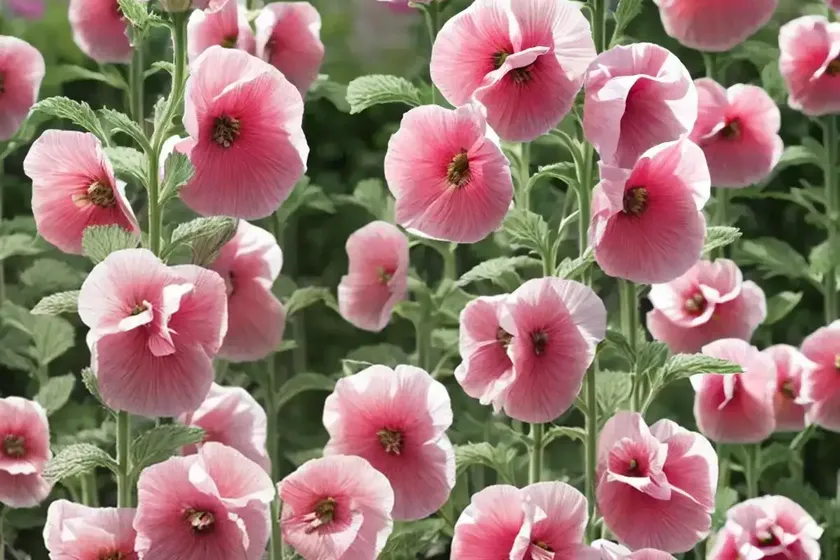
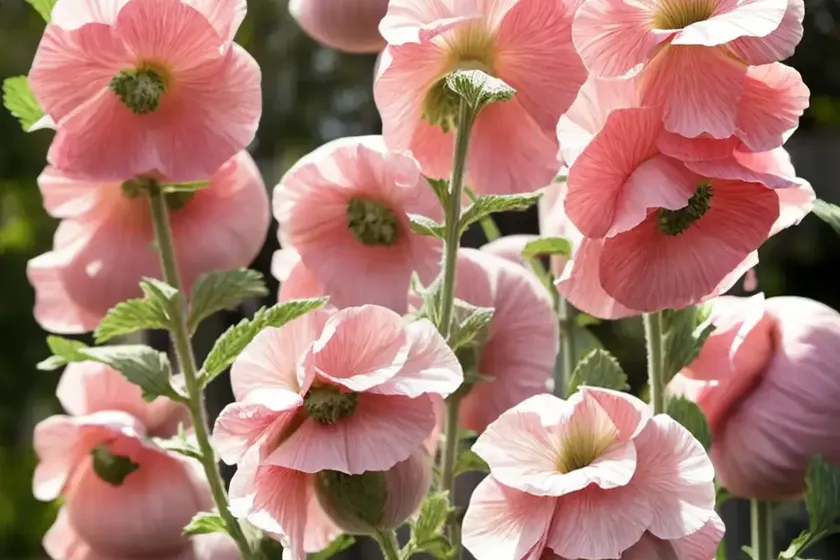
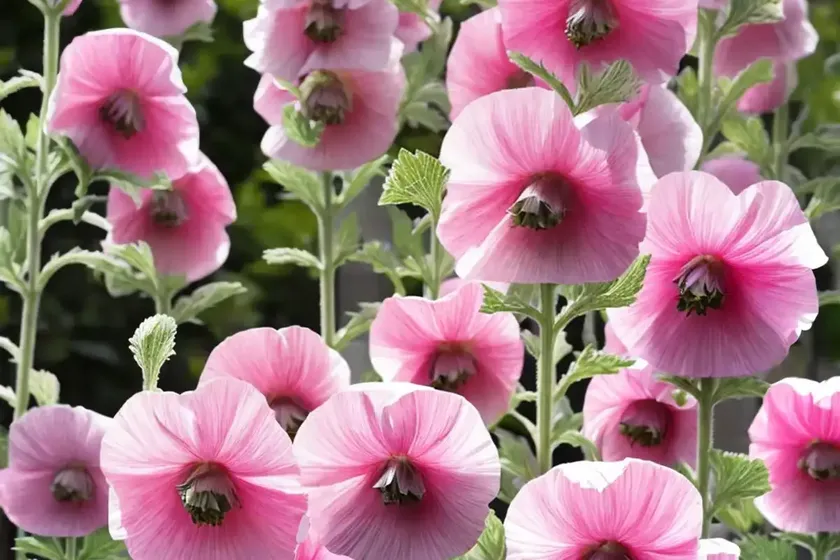
Alcea rosea PEACHES ‘N’ DREAMS�, commonly known as Hollyhock, is a member of the Malvaceae family. It is a tall, stately, and eye-catching perennial known for its vibrant, showy flowers. Hollyhocks are beloved for their old-fashioned charm and are often used to add vertical interest to gardens and landscapes. They are prized for their ability to attract butterflies, bees, and hummingbirds, making them a popular choice for wildlife gardens. With its striking blooms and graceful habit, Alcea rosea PEACHES ‘N’ DREAMS� is a delightful addition to any garden.
Key Takeaways – Alcea rosea PEACHES ‘N’ DREAMS� (Hollyhock)
Before delving into the details of cultivating and caring for Alcea rosea PEACHES ‘N’ DREAMS�, let’s highlight some key takeaways about this exquisite plant:
- Botanical Name: Alcea rosea PEACHES ‘N’ DREAMS�
- Common Name: Hollyhock
- Plant Type: Perennial
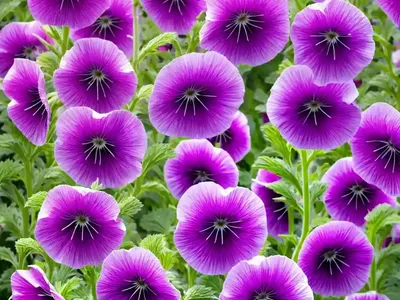
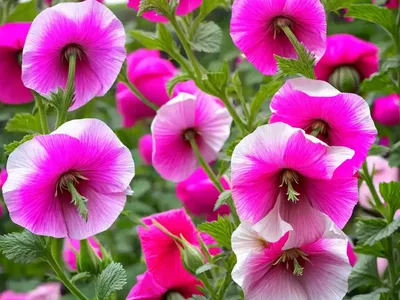
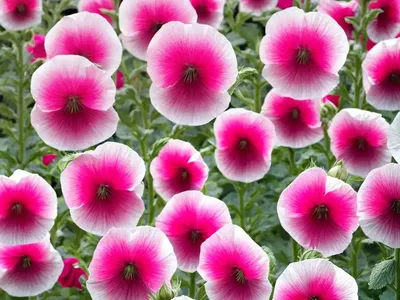
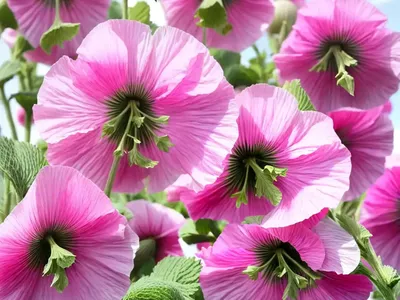
- Flower Color: Peach, with a deeper pink center
- Sunlight: Full sun to partial shade
- Watering: Regular watering
- Soil Type: Well-draining soil
- Height: 5-7 feet
- Uses: Borders, backgrounds, cottage gardens, and cut flowers
- Attracts: Bees, butterflies, and hummingbirds
- Hardiness Zone: 3-8
Now, let’s explore the cultural significance, uses, care tips, and more aspects of growing Alcea rosea PEACHES ‘N’ DREAMS�.
Culture of Alcea rosea PEACHES ‘N’ DREAMS�
Uses
Alcea rosea PEACHES ‘N’ DREAMS�, with its tall spires of peach-colored blooms, is a versatile plant that can be utilized in various settings:
- Garden Borders: Hollyhocks create a stunning backdrop for shorter plants in garden borders, adding height and visual interest to the landscape.
- Cottage Gardens: Their traditional and charming appearance makes them a perfect fit for cottage gardens, where they add a romantic, old-fashioned vibe.
- Cut Flowers: The long, sturdy stems of Hollyhock flowers make them ideal for cut flower arrangements, bringing their delightful hues indoors.
Water
Hollyhocks thrive with regular watering, especially during dry spells or hot summer months. While they are tolerant of some drought once established, consistent moisture is key to promoting healthy growth and abundant flowering.
Sunlight
Plant Alcea rosea PEACHES ‘N’ DREAMS� in a location that receives full sun to partial shade. They prefer at least 6-8 hours of direct sunlight daily to bloom at their best.
Fertilizer
Before planting, incorporate organic matter or compost into the soil. For ongoing care, applying a balanced, all-purpose fertilizer in spring can help support their growth and flowering.
Soil
Hollyhocks thrive in well-draining, moderately fertile soil. They prefer a slightly alkaline to neutral soil pH. Amending the soil with compost before planting can improve its structure and fertility.
Pruning
Deadheading spent flowers can prolong the blooming period of Alcea rosea PEACHES ‘N’ DREAMS�. Additionally, cutting back the stems after the main flowering period might encourage a second flush of blooms and prevent self-seeding.
Propagation and Container Popularity
Propagation
Alcea rosea PEACHES ‘N’ DREAMS� can be propagated through seed sowing or division:
- Seed Sowing: Start Hollyhock seeds indoors 6-8 weeks before the last frost date or sow them directly in the garden after the danger of frost has passed. Seeds typically germinate in 10-14 days under optimal conditions.
- Division: Mature Hollyhock plants can be divided in early spring or fall to create new plants. Ensure that each division has a healthy portion of roots and shoots for successful establishment.
Container Popularity
While Hollyhocks are primarily known for their presence in garden beds and borders, they can also be grown successfully in large containers. This makes them a versatile choice for gardeners with limited space or those interested in creating striking focal points on patios or balconies.
Common Diseases and Pests
Common Diseases
Hollyhocks are susceptible to certain diseases, including:
- Rust: This fungal disease appears as orange, powdery spots on the leaves, often leading to defoliation and weakened plants. Avoid overhead watering and ensure proper air circulation to reduce its incidence.
- Powdery Mildew: Powdery white patches on the leaves indicate the presence of powdery mildew. Adequate spacing, good air circulation, and removing affected foliage can help manage this common fungal disease.
- Gray Mold (Botrytis cinerea): This mold can attack the flowers and foliage, causing a gray, fuzzy growth. Adequate air circulation and avoiding overhead watering can aid in prevention.
Disease Diagnosis
Regular monitoring of the plant’s foliage and overall health can aid in early detection and management of diseases. Fungicides and preventive measures, such as proper spacing and watering practices, can help mitigate the impact of common diseases.
Common Pests
While Hollyhocks are relatively pest-resistant, they may occasionally face attacks from:
- Aphids: These small, soft-bodied insects feed on the sap of the plant, potentially causing distortion of new growth and spreading viral diseases. Insecticidal soaps or horticultural oils can effectively control aphid infestations.
- Japanese Beetles: These voracious feeders can skeletonize the leaves of Hollyhock plants. Manual removal or the use of pheromone traps can help manage Japanese beetle populations.
Botanist’s Tips and Fun Facts
Botanist’s Tips
- Staking: Given their tall growth habit, staking or providing support can prevent Hollyhock stems from bending or breaking, especially in windy conditions.
- Companion Planting: Pairing Hollyhocks with sturdy, shorter plants can create visually appealing combinations while providing some wind protection for the towering stems.
Fun Facts
- The name “Hollyhock” is derived from the Old English words “holy” and “hoc,” meaning “holy mallow,” possibly due to the plant’s historical association with spiritual symbolism and healing properties.
- Hollyhocks have been cultivated for centuries and have a rich folklore, often associated with ancient customs and traditional medicine.
- The flowers of Alcea rosea PEACHES ‘N’ DREAMS� are edible, adding a whimsical and colorful touch to salads or desserts.
Links to External Resources
For further exploration of Alcea rosea PEACHES ‘N’ DREAMS� (Hollyhock) and related topics, you may find the following resources valuable:
- Growing Hollyhocks – RHS
- Alcea rosea: A Plant for All Seasons – University of Vermont Extension
- Companion Planting with Hollyhocks – Gardeners’ World
- Managing Disease Problems in Flower Gardens – University of Minnesota Extension
- Attracting Beneficial Insects – Penn State Extension
- Old-Time Medicinal Uses of Hollyhocks – Herbs for Health
In conclusion, Alcea rosea PEACHES ‘N’ DREAMS� (Hollyhock) is a versatile and captivating plant that adds beauty and interest to gardens and landscapes. With its striking flowers, wildlife-attracting qualities, and historical significance, Hollyhocks continue to enchant gardeners and nature enthusiasts alike. By following the care tips and best practices outlined above, you can cultivate flourishing Hollyhocks and enjoy their abundant blooms season after season.
Happy gardening!