Albizia Julibrissin ‘Summer Chocolate’ (Silk Tree)
Albizia julibrissin, commonly known as the Silk Tree, is a stunning ornamental tree that belongs to the Fabaceae family. The ‘Summer Chocolate’ variety is.
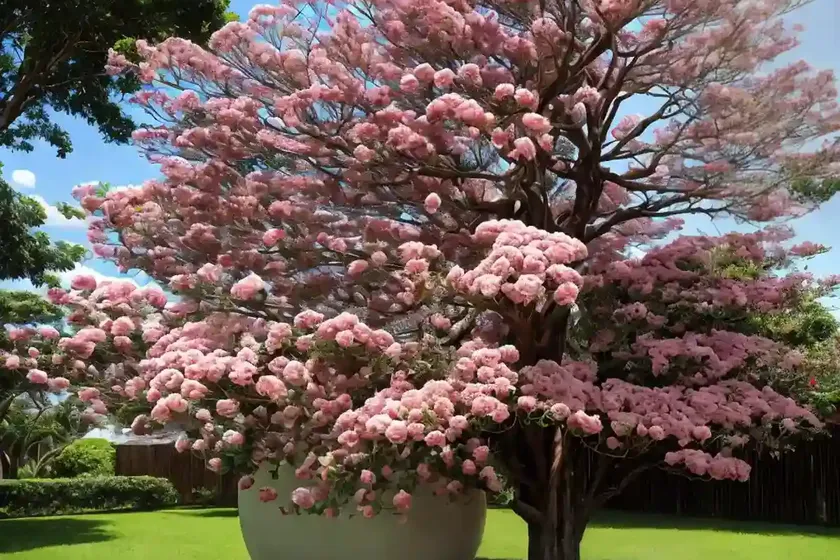
Albizia julibrissin, commonly known as the Silk Tree, is a stunning ornamental tree that belongs to the Fabaceae family. The ‘Summer Chocolate’ variety is particularly celebrated for its attractive foliage and delicate pink flowers. In this comprehensive guide, we will delve into the various aspects of this beautiful tree, encompassing its cultural requirements, uses, maintenance practices, potential diseases and pests, as well as propagation and container gardening techniques. Join us on a journey through the captivating world of Albizia julibrissin ‘Summer Chocolate’ and discover the key insights that will enable you to cultivate and appreciate this remarkable plant to its full potential.
What is Albizia julibrissin ‘Summer Chocolate’ (Silk Tree)?
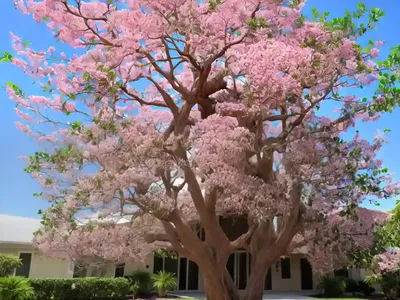
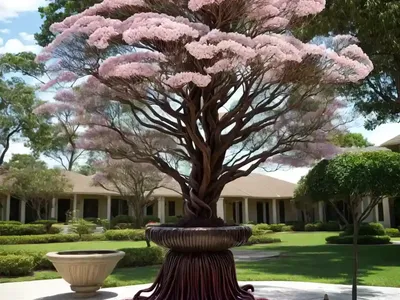
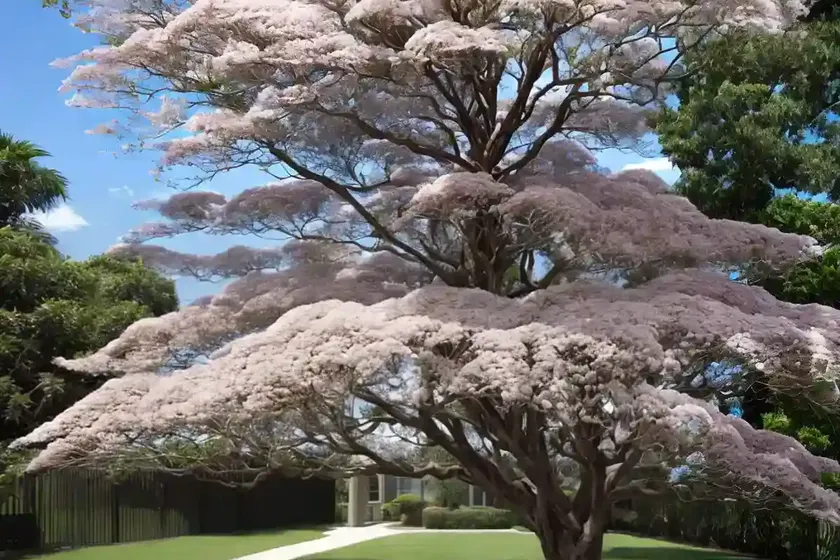
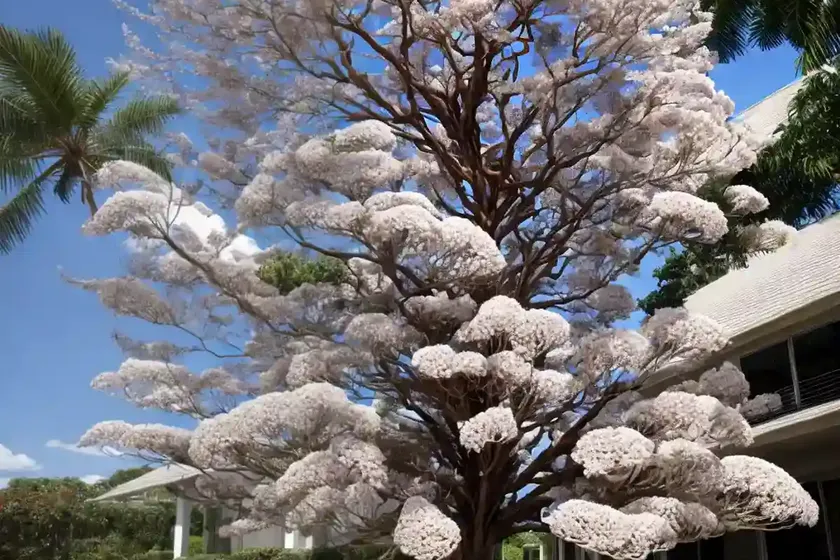
Albizia julibrissin ‘Summer Chocolate’, also known as the Silk Tree, is a deciduous tree valued for its unique characteristics. It is native to Asia, including parts of China and Korea, and has become a popular ornamental tree in various parts of the world due to its stunning appearance. The ‘Summer Chocolate’ variety is particularly renowned for its eye-catching foliage, which is distinguished by its deep purple to chocolate brown hue, offering a striking contrast to the typical green foliage of other trees. This, combined with its delicate pink, powder puff-like flowers, makes it a highly sought-after addition to gardens and landscapes.
Key Takeaways – Albizia julibrissin ‘Summer Chocolate’
Here are the fundamental aspects to consider when cultivating and appreciating Albizia julibrissin ‘Summer Chocolate’:
- Culture: Understanding the cultural requirements, including water, sunlight, fertilizer, and soil preferences, is essential for the successful growth and maintenance of Silk Trees.
- Uses: Explore the various applications of Albizia julibrissin ‘Summer Chocolate’, from its ornamental value in gardens to its potential medicinal and wildlife habitat creation properties.
- Water: Learn about the specific watering needs of Silk Trees and how to maintain optimal soil moisture levels for healthy growth.
- Sunlight: Gain insights into the sunlight preferences of Albizia julibrissin ‘Summer Chocolate’ and the impact of light exposure on its overall health and appearance.
- Fertilizer: Discover the appropriate fertilizer requirements for promoting vigorous growth and stimulating flower production in Silk Trees.
- Soil: Explore the ideal soil conditions and composition that support the well-being of Albizia julibrissin ‘Summer Chocolate’.
- Pruning: Understand the significance of pruning and learn the best practices for maintaining the desired shape and structure of Silk Trees.
- Propagation: Explore the methods of propagation for Silk Trees, including seed propagation and vegetative propagation techniques.
- Container Popularity: Learn about the increasing popularity of cultivating Albizia julibrissin ‘Summer Chocolate’ in containers and its suitability for urban gardening.
- Common Diseases: Identify potential diseases that may affect Silk Trees and learn about effective disease management and prevention strategies.
- Disease Diagnosis: Understand the symptoms of common diseases to accurately diagnose and address potential health issues in Albizia julibrissin ‘Summer Chocolate’.
- Common Pests: Explore the prevalent pests that may pose a threat to Silk Trees and the appropriate pest control measures.
- Botanist’s Tips: Benefit from expert tips and recommendations for successfully cultivating and caring for Albizia julibrissin ‘Summer Chocolate’.
- Fun Facts: Delight in intriguing and lesser-known facts about Silk Trees that contribute to their allure and appeal.
Now, let’s embark on a comprehensive exploration of each of these key takeaways to unlock the full potential of Albizia julibrissin ‘Summer Chocolate’.
Culture
Cultivating Albizia julibrissin ‘Summer Chocolate’ successfully requires an understanding of its cultural requirements, encompassing water, sunlight, fertilizer, soil, and pruning preferences.
Water
Silk Trees require regular watering, especially during their establishment phase. However, they are also known for their ability to tolerate dry conditions once they are mature. Adequate water is particularly crucial during periods of drought to maintain the health and vitality of the tree.
Watering Guidelines
- Establishment Phase: During the initial two years after planting, ensure that the Silk Tree receives consistent and sufficient water to support its establishment and root development. Deep, thorough watering is preferable to frequent shallow watering, as it encourages the roots to grow deeply into the soil.
- Mature Trees: Once established, Albizia julibrissin ‘Summer Chocolate’ showcases tolerance to dry conditions. However, during prolonged or severe drought periods, providing supplemental watering can help prevent stress and maintain the tree’s overall health.
Sunlight
Albizia julibrissin ‘Summer Chocolate’ thrives in full sunlight to partial shade. Adequate sunlight is essential for promoting strong growth and the development of its distinctive foliage and flowers. While Silk Trees can tolerate some shade, they tend to exhibit their best growth and flowering performance in full sun conditions.
Sunlight Requirements
- Full Sun: Position the Silk Tree in a location that receives at least 6-8 hours of direct sunlight per day to promote vigorous growth and abundant flowering.
- Partial Shade: While Silk Trees prefer full sun, they can also tolerate partial shade, especially in regions with intense summer heat. However, reduced sunlight may result in less prolific flowering and slightly slower growth.
Fertilizer
Fertilization plays a key role in promoting the growth and flowering potential of Silk Trees. A balanced fertilizer application, particularly during the growing season, can provide the necessary nutrients for robust and healthy development.
Fertilizer Guidelines
- Balanced Fertilizer: Choose a balanced, slow-release fertilizer designed for ornamental trees to provide essential nutrients without promoting excessive vegetative growth at the expense of flowering.
- Application Timing: Apply the fertilizer in early spring, just before the start of new growth, to support the tree’s overall nutrient requirements for the upcoming growing season. Avoid late-season fertilization, as it may stimulate late, tender growth that can be vulnerable to frost damage.
Soil
Albizia julibrissin ‘Summer Chocolate’ thrives in well-draining, loamy soils and can tolerate a wide pH range. While Silk Trees can adapt to various soil conditions, optimal soil quality supports their overall health and vitality.
Soil Preferences
- Well-Draining Soil: Ensure that the soil is well-draining, as Silk Trees are susceptible to root rot in excessively wet conditions. Amending heavy clay soils with organic matter can improve drainage and create a more suitable growing environment.
- pH Tolerance: Silk Trees can thrive in a wide pH range, from slightly acidic to slightly alkaline. A pH range of 5.5 to 7.5 is generally suitable for supporting healthy growth and nutrient uptake.
Pruning
Pruning Albizia julibrissin ‘Summer Chocolate’ is essential for maintaining its desired shape, removing dead or damaged branches, and promoting overall tree health. Conscientious pruning practices can enhance the tree’s aesthetic appeal and encourage prolific flowering.
Pruning Recommendations
- Seasonal Pruning: Conduct pruning during the dormant season in late winter or early spring before new growth begins. This timing minimizes stress on the tree and allows for better visualization of the tree’s structure.
- Deadheading Flowers: After the flowering period, promptly remove spent flowers to encourage the production of new flower buds and prolong the ornamental display.
- Thinning and Shaping: Thin out crowded or crossing branches to improve air circulation and light penetration within the canopy. Consider overall tree form and structure when shaping the tree to maintain an attractive silhouette.
Uses
The Silk Tree, Albizia julibrissin ‘Summer Chocolate’, offers a range of uses and applications, from its ornamental value to potential medicinal and ecological contributions.
Ornamental Value
Garden and Landscape Use
Albizia julibrissin ‘Summer Chocolate’ serves as a striking focal point in gardens and landscapes, owing to its unique foliage and captivating flowers. Its distinctive chocolate-toned foliage complements a wide range of garden designs, from contemporary to traditional settings, adding depth and visual interest.
- Landscape Focal Point: Position the Silk Tree as a focal point in the landscape, where its striking foliage and delicate flowers can be prominently featured.
- Mixed Plantings: Incorporate Silk Trees into mixed plantings and borders to add contrast and create captivating visual compositions.
Urban Gardening
The compact size and ornamental appeal of Albizia julibrissin ‘Summer Chocolate’ make it well-suited for urban gardening and smaller outdoor spaces. Its adaptability to container cultivation further enhances its potential for urban landscaping.
- Container Gardening: Cultivate Silk Trees in large containers on patios, balconies, or urban rooftops to introduce ornamental and shade-providing elements to urban environments.
- Street Plantings: Utilize Silk Trees in street plantings and urban greening initiatives to enhance the visual appeal of urban streetscapes and provide shade to pedestrians.
Medicinal and Ecological Significance
Medicinal Uses
While primarily valued for its ornamental qualities, some parts of Albizia julibrissin, including its bark and flowers, have been utilized in traditional herbal medicine. The tree has been associated with various potential health benefits, including calming and sedative properties.
- Herbal Medicine: Explore the potential traditional uses of Silk Tree extracts in herbal preparations, including teas and tinctures, for their purported calming and relaxation-inducing effects.
Wildlife Habitat Creation
Albizia julibrissin ‘Summer Chocolate’ provides habitat and forage opportunities for various wildlife species, contributing to the ecological diversity of the landscape.
- Pollinator Attraction: The nectar-rich flowers of Silk Trees attract pollinators, including bees and butterflies, enhancing garden biodiversity and supporting local pollinator populations.
- Wildlife Shelter: The branching structure of Silk Trees offers shelter and refuge for birds and small mammals, adding to the ecological value of the tree within the landscape.
Maintenance Practices
Maintaining the health and vitality of Albizia julibrissin ‘Summer Chocolate’ requires adherence to specific maintenance practices, encompassing watering, fertilization, pruning, and disease prevention.
Watering
Regular and consistent watering, especially during the establishment phase and periods of drought, is crucial for sustaining the health and vigor of Silk Trees.
Fertilization
Applying a balanced, slow-release fertilizer in early spring can provide the necessary nutrients for promoting robust growth and flowering.
Pruning
Seasonal pruning, including the removal of dead or damaged branches and the thinning of the canopy, helps maintain the desired shape and overall tree health.
Disease Prevention
Implementing proactive measures to prevent common diseases, such as proper sanitation and adequate air circulation, can safeguard the Silk Tree from potential health issues.
Propagation
Propagating Albizia julibrissin ‘Summer Chocolate’ involves both seed-based and vegetative propagation methods, offering opportunities to propagate new trees and expand their presence in gardens and landscapes.
Seed Propagation
Propagation from seeds allows for the generation of new Silk Trees, fostering genetic diversity and adaptation to varied environmental conditions.
Seed Propagation Steps
- Seed Collection: Harvest mature seeds from healthy Silk Tree pods.
- Seed Preparation: Scarify the seed coat or soak the seeds overnight to promote germination.
- Sowing: Plant the prepared seeds in trays or pots filled with a well-draining seed-starting mix.
- Germination: Provide consistent moisture and warmth to facilitate germination, typically within a few weeks.
- Transplanting: Once the seedlings develop sufficient size and vigor, transplant them into individual containers or directly into the garden soil.
Vegetative Propagation
Utilizing vegetative propagation techniques, such as cutting and grafting, promotes the rapid multiplication of Albizia julibrissin ‘Summer Chocolate’ while preserving desirable traits.
Cutting Propagation Steps
- Cutting Collection: Obtain semi-hardwood or hardwood cuttings from healthy Silk Tree branches during the appropriate season.
- Cutting Preparation: Remove lower leaves and treat the cut end with a rooting hormone to stimulate root formation.
- Propagation Medium: Insert the prepared cuttings into a well-draining propagation medium, such as a mix of peat and perlite.
- Rooting: Provide consistent moisture and warmth to facilitate the development of roots on the cuttings.
- Transplanting: Once the cuttings root and establish, transplant them into individual containers or suitable outdoor locations.
Container Popularity
Albizia julibrissin ‘Summer Chocolate’ is gaining popularity as an ornamental tree for container cultivation, particularly in urban and small-space gardening settings. The compact size and striking foliage of Silk Trees make them an attractive choice for container plantings.
Benefits of Container Cultivation
- Space Efficiency: Silk Trees grown in containers are space-efficient and can be strategically placed to add ornamental value to urban environments with limited ground space.
- Portability: Container-grown Silk Trees offer the flexibility of mobility, allowing for easy relocation based on seasonal changes or aesthetic preferences.
Container Requirements
- Size: Choose large, sturdy containers that provide ample space for root development and stability. The container size should accommodate the growth potential of the Silk Tree.
- Drainage: Ensure that the containers have adequate drainage holes to prevent waterlogging and support healthy root growth.
- Potting Mix: Utilize a well-draining potting mix tailored for container cultivation to promote optimal growth and support the tree’s nutrient requirements.
Common Diseases
While Silk Trees are relatively resilient, they can be susceptible to certain diseases that may impact their health and appearance. Understanding common diseases and their management strategies is essential for maintaining the well-being of Albizia julibrissin ‘Summer Chocolate’.
Common Diseases affecting Silk Trees
- Fusarium Wilt: This fungal disease can lead to wilting, yellowing, and eventual decline of the tree. It is often characterized by vascular discoloration and can be challenging to manage once established in the soil.
- Powdery Mildew: The presence of powdery white fungal growth on the leaves and stems, accompanied by leaf distortion, can indicate powdery mildew infection. Maintaining proper air circulation and managing humidity levels can help prevent its occurrence.
- Root Rot: Excessive soil moisture or poor drainage can lead to root rot, causing wilting, yellowing foliage, and eventual decline. Avoid overwatering and ensure well-draining soil to prevent this disease.
- Canker Diseases: Canker diseases, including Botryosphaeria canker, can lead to the development of sunken lesions on the bark, dieback of branches, and overall decline. Pruning out affected branches and promoting overall tree health can help manage canker diseases.
Disease Management and Prevention
- Cultural Practices: Implementing good cultural practices, such as providing proper drainage, promoting air circulation, and avoiding overwatering, can mitigate the risk of disease development.
- Pruning: Promptly prune out and dispose of affected plant parts to prevent the spread of diseases and promote overall tree vigor.
- Fungicidal Treatments: In cases of severe and persistent fungal infections, targeted fungicidal treatments may be warranted. Consult with a plant health professional to identify suitable treatment options.
Disease Diagnosis
Accurate diagnosis of potential diseases affecting Silk Trees is pivotal for implementing timely and targeted management strategies. Recognizing the symptoms and signs of common diseases enables proactive intervention to safeguard the health of Albizia julibrissin ‘Summer Chocolate’.
Recognizing Common Disease Symptoms
- Leaf Discoloration: Look for changes in leaf color, such as yellowing, browning, or necrosis, which may indicate nutrient deficiencies or disease presence.
- Wilting and Decline: Sudden wilting or overall decline in the tree’s vigor and appearance can signal potential root-related issues or vascular diseases.
- Fungal Growth: The presence of powdery white growth, mold, or fungal structures on the foliage, stems, or bark can indicate fungal diseases and warrants further investigation.
- Bark Lesions: Sunken or discolored lesions on the bark may be symptomatic of canker diseases and require close examination.
Consulting Plant Health Professionals
When in doubt regarding the diagnosis of potential diseases, consider consulting certified plant health professionals for accurate assessment and guidance on appropriate management measures.
Common Pests
While generally resistant to most pests, Silk Trees may occasionally encounter pest-related challenges that can impact their health and appearance. Identifying common pests and implementing effective pest control measures is crucial for maintaining the vitality and ornamental value of Albizia julibrissin ‘Summer Chocolate’.
Prevalent Pests affecting Silk Trees
- Spider Mites: These tiny arachnids can cause stippling and webbing on the foliage, leading to decreased vigor and aesthetic damage.
- Scale Insects: Scale insects, including armored and soft scales, can infest the branches and leaves, often leading to reduced plant health and honeydew secretion.
- Aphids: The presence of aphids can result in distorted growth, honeydew accumulation, and generally reduced plant vigor.
Pest Control Measures
- Natural Predators: Encouraging the presence of natural predators, such as ladybugs and lacewings, can help manage pest populations in a balanced and eco-friendly manner.
- Horticultural Oils: Applying horticultural oils can effectively control certain pests, such as spider mites and scale insects, by smothering and suffocating them.
- Integrated Pest Management: Utilize an integrated approach to pest management, incorporating cultural, physical, and biological control methods to minimize pest pressure while minimizing environmental impact.
Botanist’s Tips
Benefit from expert recommendations and insights to optimize the growth and maintenance of Albizia julibrissin ‘Summer Chocolate’.
Botanist’s Recommendations
- Site Selection: Choose a well-drained, sunny location for planting Silk Trees to promote vigorous growth and flowering performance.
- Mulching: Apply a layer of organic mulch around the base of the tree to conserve soil moisture, suppress weeds, and provide insulation to the roots.
- Regular Monitoring: Regularly monitor the tree for signs of pests, diseases, or nutrient deficiencies to implement timely interventions.
- Maintenance Pruning: Engage in routine maintenance pruning to shape the canopy, remove dead wood, and maintain overall tree health.
- Spring Fertilization: Apply a balanced, slow-release fertilizer in early spring to provide essential nutrients for the upcoming growing season.
Fun Facts
Delight in intriguing and lesser-known facts about Albizia julibrissin ‘Summer Chocolate’ that further enhance its allure and appeal.
Fascinating Tidbits about Silk Trees
- Foliage Color Variability: The foliage of Albizia julibrissin ‘Summer Chocolate’ can exhibit variable coloration, ranging from deep purple to chocolate brown, adding to its visual interest.
- Nighttime Leaf Movement: The leaves of Silk Trees exhibit a unique “sleep” or “nyctinastic” movement, with the leaflets folding together at night and reopening during the day.
- Historical Significance: Silk Trees have a rich historical association, with their presence documented in ancient Asian and Middle Eastern cultures for their ornamental and potential medicinal significance.
Links to External Resources
Enhance your understanding of Albizia julibrissin ‘Summer Chocolate’ by exploring additional resources and in-depth information about Silk Trees:
- American Society of Plant Biologists
- Royal Horticultural Society
- [Missouri Botanical Garden](https://www.missouribot