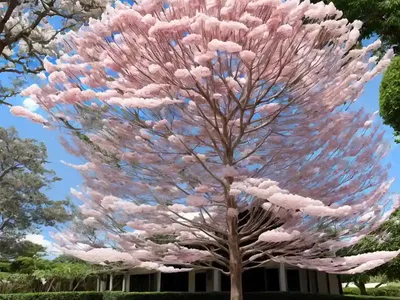
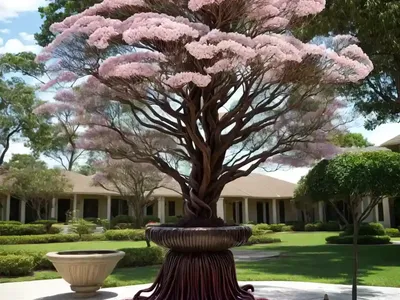
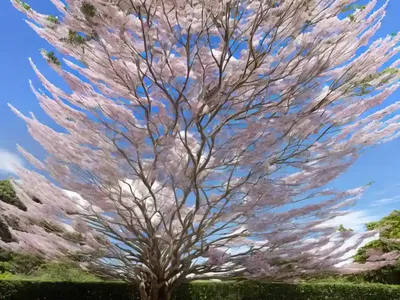
Mimosa Tree (Albizia Julibrissin)
The Mimosa tree, scientifically known as Albizia julibrissin, is a beautiful deciduous tree that belongs to the Fabaceae family. It is native to eastern.
What is a Mimosa Tree (Albizia julibrissin)?
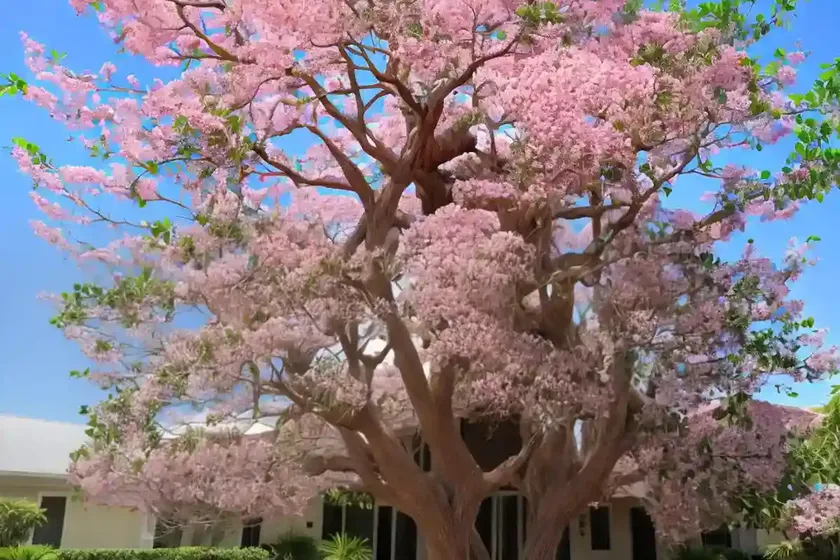
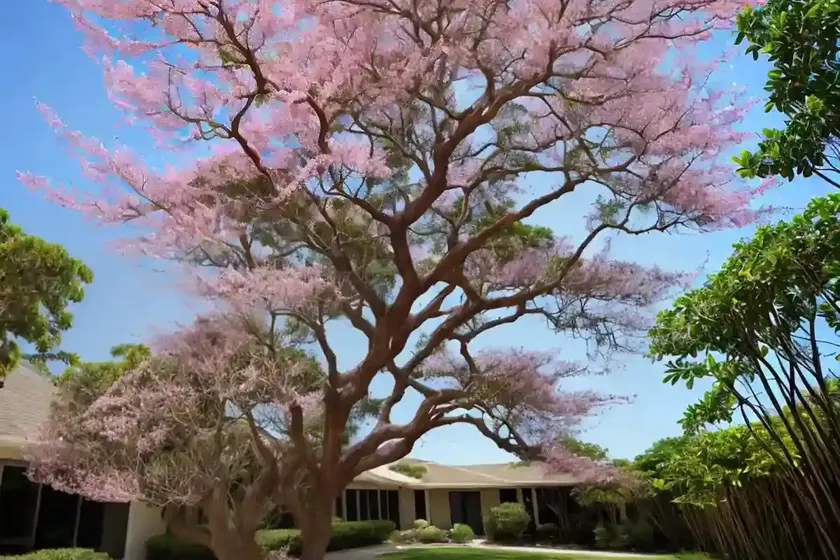
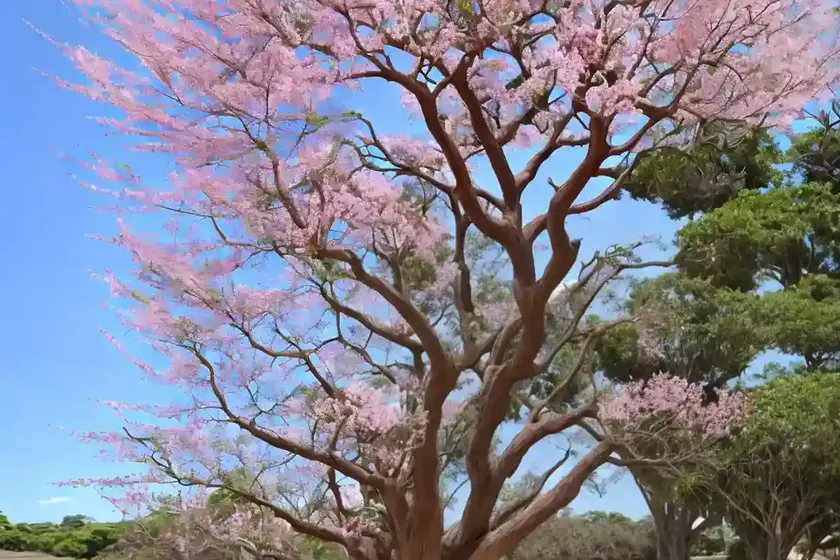
The Mimosa tree, scientifically known as Albizia julibrissin, is a beautiful deciduous tree that belongs to the Fabaceae family. It is native to eastern and southwestern Asia, and is also commonly known as the Persian silk tree or pink silk tree. The Mimosa tree is well-regarded for its fern-like leaves and striking pom-pom-like flowers. It has gained popularity as an ornamental tree in various parts of the world due to its graceful appearance and colorful blooms.
Image Source: Illiciumfloridanum
Key Takeaways – Mimosa Tree (Albizia julibrissin)
Culture
The Mimosa tree thrives in temperate and subtropical regions, and it prefers well-drained soil and ample sunlight. It has specific water and fertilizer requirements for optimal growth and flowering.
Uses
Primarily known for its ornamental value, the Mimosa tree is popular in landscaping and gardening for its appealing aesthetics. Its wood also has certain properties that have been utilized in traditional medicine and other applications.
Water
Proper watering is crucial to the health and growth of the Mimosa tree. Understanding its water requirements and implementation of an appropriate watering schedule is essential.
Sunlight
Being a sun-loving species, the Mimosa tree flourishes in full sunlight conditions. Providing the right amount of sunlight is key to promoting vigorous growth and blooming.
Fertilizer
Fertilization plays a vital role in maintaining the health and vigor of the Mimosa tree. Selecting the appropriate fertilizer and applying it correctly contributes to the tree’s overall well-being.
Soil
The Mimosa tree has distinct soil preferences, and ensuring the right soil composition and pH levels is imperative for its successful cultivation.
Pruning
Pruning is an essential aspect of Mimosa tree care, and proper pruning techniques can enhance its form and encourage robust growth.
Propagation
Understanding the methods of propagating the Mimosa tree is valuable for expanding its population and nurturing new tree specimens.
Container Popularity
The Mimosa tree can also be grown in containers, making it an attractive option for people with limited outdoor space.
Common Diseases
Identifying and managing common diseases that affect the Mimosa tree is crucial for maintaining its health and vitality.
Disease Diagnosis
Recognizing symptoms and diagnosing diseases in the Mimosa tree is pivotal in implementing timely and effective treatment.
Common Pests
The Mimosa tree is susceptible to certain pests, and understanding how to control and prevent infestations is essential for its well-being.
Botanist’s Tips
Insights and tips from experienced botanists and experts can offer valuable guidance on effectively cultivating and caring for the Mimosa tree.
Fun Facts
Exploring interesting and lesser-known facts about the Mimosa tree can provide a deeper appreciation for this captivating species.
Links to External Resources
Accessing reputable external resources can broaden one’s knowledge on Mimosa tree care and cultivation techniques.
Now, let’s delve into these key takeaways to gain a comprehensive understanding of the Mimosa tree and how to cultivate and care for it effectively.
Mimosa Tree (Albizia julibrissin) Details and Care Guide
Plant Name: Mimosa Tree (Albizia julibrissin)
Scientific Name: Albizia julibrissin
Family: Fabaceae
Other Names: Persian Silk Tree, Pink Silk Tree
The Mimosa tree, scientifically known as Albizia julibrissin, boasts delicate, fern-like leaves and stunning fluffy pink flowers, making it a captivating addition to gardens and landscapes. Understanding its specific needs and requirements is vital for successful cultivation and maintaining its well-being.
Mimosa Tree Care
Watering
Proper watering is critical for the health and vitality of the Mimosa tree. Ensuring consistent moisture, especially during the establishment phase and hot, dry periods, is crucial. However, it is essential to prevent waterlogging, as the tree is susceptible to root rot in excessively moist conditions. Establishing a balance and adhering to a regular watering schedule is key to promoting healthy growth and flowering.
Sunlight
The Mimosa tree thrives in full sunlight and prefers at least 6 hours of direct sunlight per day. Selecting a suitable location that provides ample sunlight is essential for the tree’s overall development and blooming.
Fertilization
Feeding the Mimosa tree with the right type of fertilizer at the appropriate time contributes to its vigor and flowering. Utilizing a balanced, slow-release fertilizer in spring can provide the necessary nutrients for robust growth and prolific blooming. It is advisable to follow the recommended dosage and application guidelines to avoid over-fertilization, which can be detrimental to the tree’s health.
Soil
Well-drained soil with a slightly acidic to neutral pH range is ideal for the Mimosa tree. Ensuring good soil drainage and quality is crucial to prevent waterlogging and associated root issues. Amending the soil with organic matter can enhance its structure and fertility, promoting a conducive environment for the tree’s root development.
Pruning
Pruning the Mimosa tree is beneficial for shaping its form, removing dead or diseased branches, and promoting healthy growth. It is advisable to prune during the dormant season, avoiding excessive and aggressive cutting to prevent stress and potential damage to the tree. Employing proper pruning techniques and tools is essential for maintaining the tree’s aesthetics and structural integrity.
Propagation
The Mimosa tree can be propagated through various methods, including seed propagation, cuttings, and grafting. Understanding the preferred propagation techniques and timelines can facilitate successful reproduction and expansion of the tree population. It is essential to follow specific guidelines and best practices for each propagation method to maximize the chances of success.
Container Cultivation
The Mimosa tree can be successfully grown in containers, making it a versatile option for confined spaces such as patios, balconies, and urban settings. Selecting a spacious container with adequate drainage and utilizing well-draining potting mix are crucial for container cultivation success. Regular monitoring of watering and nutrient requirements is essential for maintaining the tree’s health and vitality in a container environment.
Albizia julibrissin Planting Tips
Selecting the Planting Site
When considering planting a Mimosa tree, it is essential to choose a suitable location that provides full sunlight, well-drained soil, and sufficient space for the tree’s mature size. Prioritizing a site with good air circulation and minimal exposure to potential stressors can contribute to the tree’s overall well-being.
Planting Depth and Spacing
Ensuring the proper planting depth and spacing when installing a Mimosa tree is crucial for its establishment and long-term growth. Planting at the appropriate depth, with the root flare slightly above the soil level, and providing adequate spacing between multiple trees or other structures prevents potential complications and promotes healthy root development.
Mulching
Applying a layer of organic mulch around the base of the Mimosa tree aids in moisture retention, weed suppression, and soil insulation. However, it is important to maintain a gap between the mulch and the tree trunk to prevent excess moisture accumulation and potential trunk rot. Utilizing mulch as a beneficial soil amendment can enhance the tree’s growing conditions and reduce maintenance needs.
Watering Schedule
Establishing a consistent watering schedule, especially during the initial establishment phase, is crucial for promoting healthy root development and overall tree vigor. Monitoring the moisture levels in the soil and adjusting the watering frequency based on seasonal requirements and weather conditions ensures the Mimosa tree’s sustained well-being.
Protection from Stressors
Shielding the Mimosa tree from potential stressors such as mechanical damage, extreme weather conditions, and excessive soil compaction is essential for its long-term health. Implementing protective measures and regular monitoring can mitigate potential threats and contribute to the tree’s resilience and vitality.
Understanding Mimosa Tree Varieties
Variations in Flower Color
While the classic Mimosa tree features fluffy pink flowers, certain varieties may exhibit variations in flower color, including shades of white, lavender, or even red. Exploring the diverse array of Mimosa tree varieties can offer unique flowering choices for different landscaping and design preferences.
Dwarf Cultivars
Dwarf varieties of the Mimosa tree are available, offering smaller stature and compact growth habits. These cultivars are ideal for confined spaces and urban landscapes, providing the captivating beauty of the Mimosa tree on a smaller scale.
Foliage Characteristics
Apart from variations in flower color, certain Mimosa tree varieties may feature distinct foliage characteristics, such as leaf size, shape, and coloration. Exploring the diverse foliage attributes of different varieties can add complexity and interest to landscape designs.
Regional Adaptability
Some Mimosa tree varieties may exhibit specific adaptability to regional climate and soil conditions, making them well-suited for particular geographic areas. Selecting varieties that are known for thriving in specific regions can contribute to successful cultivation and reduced maintenance requirements.
Albizia julibrissin Facts
Origin and Distribution
The Mimosa tree is native to eastern and southwestern Asia, including regions of Iran, Japan, Korea, and China. It has been introduced to various parts of the world, where it has gained popularity as an ornamental tree due to its attractive appearance and vibrant blooms.
Flowering Season
The Mimosa tree typically blooms during the summer months, adorning its branches with clusters of fluffy, pink flowers. The striking floral display contributes to its visual appeal and makes it a sought-after tree for landscaping and garden designs.
Deciduous Nature
As a deciduous tree, the Mimosa sheds its foliage during the autumn months, showcasing its seasonal color changes before the leaves drop. The deciduous nature of the tree adds seasonal interest to landscapes and allows for varying views throughout the year.
Nectar Source for Pollinators
The abundant nectar produced by the Mimosa tree flowers serves as a valuable food source for pollinators such as bees, butterflies, and hummingbirds. Its contribution to supporting local pollinator populations underscores its ecological significance in diverse habitats.
Medicinal Uses
Certain traditional medicine practices utilize parts of the Mimosa tree for their purported medicinal properties. However, it is essential to exercise caution and consult reliable resources when exploring the potential medicinal uses of any plant species.
Mimosa Tree Pruning Techniques
Timing of Pruning
Pruning the Mimosa tree is best carried out during the dormant season to minimize stress and potential damage. Conducting pruning activities in late winter to early spring, before the onset of new growth, is advisable for promoting healthy and vigorous regrowth.
Removing Dead or Diseased Branches
Regular inspection of the Mimosa tree for dead, diseased, or damaged branches is essential for its overall health and aesthetics. Prompt removal of such branches can prevent the spread of diseases and enhance the tree’s overall appearance.
Shaping and Form Enhancement
Pruning can be utilized to shape the Mimosa tree and enhance its overall form, promoting a balanced and graceful appearance. Incorporating gradual and selective pruning methods facilitates the tree’s structural development and contributes to its ornamental value.
Pruning Tools and Techniques
Utilizing sharp, clean pruning tools and adhering to proper pruning techniques is crucial for minimizing stress and potential harm to the tree. Employing careful and deliberate pruning practices ensures the tree’s well-being and minimizes the risk of injury or disease entry points.
Thinning Out Dense Growth
Thinning out excess or overcrowded growth within the Mimosa tree’s canopy can improve air circulation, sunlight penetration, and overall canopy health. Carefully selecting branches for thinning and avoiding excessive removal is vital for maintaining the tree’s natural form and balance.
Mimosa Tree Diseases: Identification and Management
Fusarium Wilt
Fusarium wilt, caused by the soil-borne fungus Fusarium oxysporum, can affect the Mimosa tree, leading to wilting, discoloration, and eventual decline. Implementing preventive measures and employing resistant cultivars can help manage the risk of Fusarium wilt in susceptible areas.
Powdery Mildew
Powdery mildew, characterized by a white, powdery fungal growth on the leaves and stems, can impact the Mimosa tree, particularly in humid and crowded conditions. Employing cultural controls and, if necessary, targeted fungicidal treatments can aid in managing powdery mildew issues.
Canker Diseases
Canker diseases, caused by various pathogenic fungi and bacteria, can result in sunken lesions, dieback, and sap exudation on the Mimosa tree. Implementing proper sanitation, disease-free plant material, and timely pruning of affected branches can aid in managing canker diseases.
Root Rot
Root rot, stemming from overly moist and poorly drained soil conditions, can compromise the Mimosa tree’s root system and overall health. Improving soil drainage, avoiding waterlogging, and implementing appropriate irrigation practices are critical for preventing and managing root rot.
Leaf Spot Diseases
Various leaf spot diseases, caused by fungal pathogens, can lead to the development of discolored spots and lesions on the Mimosa tree’s foliage. Maintaining good air circulation, practicing proper sanitation, and applying targeted fungicidal treatments can aid in managing leaf spot issues.
Bark Disorders
Bark disorders, including issues such as cankers, lesions, and bark splitting, can affect the Mimosa tree and compromise its structural integrity. Monitoring the tree for early symptoms, implementing preventive measures, and promoting overall tree vitality can aid in managing bark disorders.
Pest-Related Stress
Pest infestations can contribute to secondary stress and susceptibility to diseases in the Mimosa tree. Adequate pest management, including the use of environmentally friendly control methods, can help reduce the risk of pest-related stress and associated health issues.
Albizia julibrissin Pests: Identification and Control
Mimosa Webworm
The mimosa webworm, known for the characteristic webbing and defoliation of Mimosa trees, can pose a threat to the tree’s foliage. Employing proper monitoring and employing targeted control strategies can aid in managing mimosa webworm infestations.
Root-Knot Nematodes
Root-knot nematodes, microscopic roundworms that invade and feed on the Mimosa tree’s root system, can lead to stunted growth and overall decline. Implementing soil management practices and utilizing resistant varieties can aid in managing root-knot nematode issues.
Lace Bugs
Lace bugs, known for causing stippling, discoloration, and premature leaf drop, can affect the Mimosa tree, particularly during the growing season. Utilizing integrated pest management techniques and, if necessary, targeted insecticide applications can help manage lace bug infestations.
Caterpillars
Certain caterpillar species may feed on the foliage of the Mimosa tree, leading to defoliation and potential stress. Monitoring the tree for caterpillar infestations and implementing appropriate control measures can aid in managing and preventing foliage damage.
Scale Insects
Scale insects, recognizable by their immobile, protective coverings and feeding on the tree’s sap, can lead to visible stress and deterioration of the Mimosa tree. Implementing natural predator encouragement and employing horticultural oils can aid in managing scale insect populations.
Aphids
Aphids, known for their rapid reproduction and feeding on new growth, can impact the Mimosa tree and contribute to leaf distortion and sap secretion issues. Employing cultural controls and implementing targeted insecticidal applications can help manage aphid populations.
Botanist’s Tips for Mimosa Tree Care
Site Selection and Preparation
Selecting a suitable planting site that provides full sunlight, well-drained soil, and adequate space for the Mimosa tree’s mature size is foundational for successful cultivation. Preparing the planting site by amending the soil and addressing any potential challenges contributes to the tree’s establishment and long-term health.
Watering Best Practices
Developing a consistent and appropriate watering schedule, especially during the establishment phase and hot, dry periods, is crucial for the Mimosa tree’s sustained health. Monitoring soil moisture levels and adjusting the watering frequency based on seasonal requirements are key to promoting optimal growth and flowering.
Pruning Guidelines
Pruning the Mimosa tree during the dormant season, focusing on dead, diseased, or damaged branches, and employing thoughtful shaping and thinning techniques contributes to the tree’s structural development and overall aesthetics. Avoiding excessive and aggressive pruning helps prevent stress and potential harm to the tree.
Pest and Disease Management
Regularly inspecting the Mimosa tree for signs of pests and diseases, promptly diagnosing issues, and implementing targeted control measures are essential for preserving the tree’s health and vitality. Employing integrated pest management techniques and cultural disease controls aids in managing potential threats.
Maintenance and Monitoring
Consistent monitoring of the Mimosa tree’s growth, health, and environmental conditions is essential for identifying and addressing potential challenges. Implementing proactive maintenance measures, including soil amendments, mulching, and pruning, contributes to the tree’s sustained well-being.
Seasonal Care Considerations
Recognizing the distinct care requirements of the Mimosa tree across different seasons, and adjusting cultural practices and maintenance tasks accordingly, promotes its adaptability and resilience. Adhering to specific care considerations during each season aids in maximizing the tree’s growth and blooming potential.
Fun Facts about the Mimosa Tree
Ethnobotanical Significance
The Mimosa tree has had diverse ethnobotanical uses, with its parts being utilized for traditional medicine, woodworking, and dyes in various cultures. Exploring the historical and cultural significance of the Mimosa tree adds depth to its botanical narrative.
Ecological Contributions
The abundant nectar provided by Mimosa tree flowers serves as an important food source for diverse pollinators, contributing to local ecosystems and supporting biodiversity. Understanding its ecological contributions enhances appreciation for its role in natural habitats.
Symbolism and Aesthetics
The Mimosa tree, with its graceful form and vibrant blooms, has been associated with symbols of femininity, sensitivity, and elegance in various contexts. Its aesthetically pleasing attributes have inspired artistic expressions and cultural representations.
Seasonal Transformations
The deciduous nature of the Mimosa tree, marked by seasonal leaf changes and flowering displays, adds dynamic visual interest to landscapes and gardens. Observing its seasonal transformations offers varying perspectives on its beauty and resilience.
Horticultural Diversity
With a wide range of cultivated varieties and hybrids, the Mimosa tree showcases horticultural diversity, offering choices for unique foliage, flower colors, and growth habits. Exploring the diverse array of Mimosa tree cultivars enriches landscape design possibilities.
Global Presence
The presence of the Mimosa tree in diverse geographic regions around the world highlights its adaptability and appeal across different climates and cultural landscapes. Recognizing its global presence underscores its botanical significance and horticultural value.
External Resources for Further Exploration
Online Guides and Plant Profiles
The Spruce – Mimosa Tree: Planting & Care
Dave’s Garden – Albizia julibrissin
Missouri Botanical Garden – Albizia julibrissin
Horticultural Organizations and Research Institutions
Royal Horticultural Society
[American